
The wait is finally over for you to enjoy that perfectly ripened butternut squash in your favorite recipe. However, knowing when your butternut squash is ripe can be a bit tricky. Unlike other vegetables, this popular winter squash doesn’t give off obvious signs of ripeness. It’s essential to check its condition carefully to avoid using an unripe or overripe squash that might ruin the taste and texture of your dish.
In this comprehensive guide, we’ll walk you through the visual cues, touch-based methods, and storage tips to ensure optimal ripening conditions for your butternut squash. We’ll cover everything from checking the color and shape to assessing its firmness and weight. By following our expert advice, you’ll be able to select the perfect butternut squash every time, guaranteeing that it’s ripe and ready to use in all your favorite recipes.
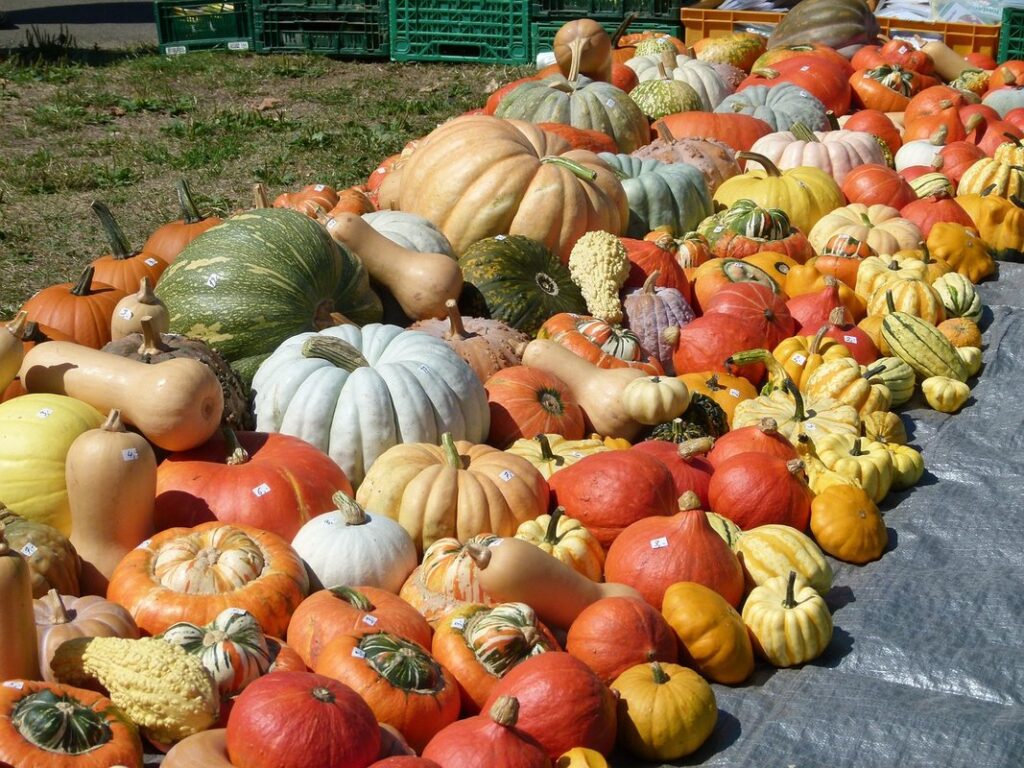
Understanding Butternut Squash Ripeness
When it comes to selecting the perfect butternut squash, understanding its ripeness is crucial. In this section, we’ll break down the signs and characteristics of a ripe butternut squash.
Factors that Influence Ripening
The ripening process of butternut squash is influenced by several external factors that are beyond our control. Weather conditions play a significant role in determining when butternut squash is ripe. Prolonged periods of rain, for instance, can cause the fruit to develop fungal diseases, leading to a poor harvest. On the other hand, intense sunlight and heat can accelerate ripening. Similarly, excessive temperatures above 85°F (30°C) can damage the delicate skin of the squash.
Soil quality is also essential in determining the ripeness of butternut squash. Well-drained and fertile soil with adequate nutrients promotes healthy growth and development, leading to a ripe harvest. In contrast, poor soil conditions can hinder the ripening process, resulting in a low-quality crop.
Climate change has significant implications for butternut squash cultivation. Warmer temperatures and changing precipitation patterns are forcing farmers to adapt their practices to ensure optimal ripening. As a gardener or cook, it’s essential to be aware of these factors to determine when your butternut squash is ripe.
Typical Maturity Period for Butternut Squash
The typical maturity period for butternut squash can vary depending on the specific variety and growing conditions. On average, most butternut squash varieties take around 120 to 150 days from sowing seeds to harvest time. However, some heirloom or specialty varieties may require up to 180 days or more.
Several factors can influence the maturity period of butternut squash, including weather conditions, soil quality, and pest management practices. For instance, a warm and dry spell during the growing season can accelerate the ripening process, while excessive rainfall or cooler temperatures can slow it down. Similarly, using high-quality seeds that are well-suited to your climate and region can also impact the maturity period.
As a general rule of thumb, butternut squash is ready for harvest when the skin turns from green to tan or brown, and the stem starts to dry out. You can check for ripeness by gently thumping the squash; it should have a deep, hollow sound.
Visual Cues for Ripe Butternut Squash
Knowing when butternut squash is ripe can be a challenge, so let’s take a closer look at some visual cues to help you determine its ripeness. Check out these key indicators on your next harvest!
Color Changes in Ripe Butternut Squash
As you observe the butternut squash, one of the most noticeable changes as it ripens is the transformation of its skin color. The exact shade can vary depending on the specific variety, but generally, a ripe butternut squash will display a rich, deep yellow or orange hue. For instance, the ‘Cinderella’ and ‘Buttercup’ varieties tend to turn a vibrant golden yellow, while others like ‘Waltham Butternut’ may take on a more reddish-orange tone.
Keep in mind that some butternut squash varieties will retain a light green or cream-colored skin even when fully ripe. This doesn’t necessarily mean they’re not ready for harvest – the key is to check for other visual cues, such as the neck of the squash becoming smooth and slightly indented, indicating it’s reached optimal ripeness.
As you inspect your butternut squash, pay attention to its overall coloration. A uniform, consistent hue across the skin suggests that the squash has reached maturity.
Hardness and Weight of Ripe Squash
Determining the ripeness of butternut squash can be a bit tricky, especially if you’re new to growing or buying this type of squash. One way to assess its readiness is by checking its hardness and weight. A ripe butternut squash will typically feel hard all over, similar to a hard stone fruit like a peach. To check the hardness, gently run your hand over the surface of the squash; if it feels soft in any areas, it’s not yet ripe.
In terms of weight, a mature butternut squash is usually heavy for its size. Pick up several squashes and compare their weights – the heavier ones are likely to be riper. Keep in mind that some varieties may have a more elongated shape or a bulbous base, which can affect their overall weight. To ensure you’re getting the best possible squash, choose one that feels heavy for its size and has a hard, smooth skin.
If you’re still unsure about the ripeness of your butternut squash, try gently thumping it with your fingers; a ripe squash will produce a deep, hollow sound. Avoid squeezing the squash too tightly, as this can damage its delicate flesh. With practice and patience, you’ll become more confident in identifying ripe butternut squash based on its hardness and weight.
Touch-Based Methods for Determining Ripeness
Now that you’ve assessed the color and stem, let’s explore some other ways to determine if your butternut squash is ripe by checking its texture and heaviness.
Checking the Scent of Butternut Squash
As you gently run your fingers over the butternut squash, you may have noticed that it gives off a slightly sweet and nutty aroma. This is a sign that it’s ripening, but what exactly should you be looking for? As the squash matures, its scent becomes more pronounced and complex.
When checking the scent of butternut squash, look for an earthy, vegetal aroma with hints of sweetness. A ripe butternut squash will give off a rich, comforting smell that’s reminiscent of roasted nuts or caramelized sugar. On the other hand, if the squash has a strong, pungent odor that’s similar to gasoline or sulfur, it may be past its prime.
To make things easier, remember that the scent of butternut squash is more pronounced when it’s at room temperature. So, gently hold the squash in your hands for a few minutes before checking its aroma. With practice, you’ll develop a keen sense of smell and be able to accurately determine if your butternut squash is ripe and ready to use.
Feeling for Soft Spots or Bruising
When handling butternut squash, it’s essential to be gentle and inspect them carefully for any signs of soft spots or bruising. Unripe squash may have areas where the skin is slightly softer than others, which can indicate that the fruit is not yet fully mature. Be cautious when selecting a squash with noticeable soft spots, as these areas can become mushy and affect the overall texture.
To inspect your butternut squash for soft spots or bruising, gently rub your fingers over the entire surface, paying attention to any areas that feel spongy or soft. Compare these areas to other parts of the squash; a ripe squash should have uniform skin texture throughout. Avoid squashing the fruit as this can cause more damage and make it harder to determine ripeness.
If you notice any deep bruises or gashes on the surface, it’s best to choose another squash. Bruises may not be immediately apparent but can become moldy over time, compromising the squash’s quality. By carefully inspecting your butternut squash for soft spots or bruising, you’ll be more likely to select a ripe and healthy fruit that will cook well in recipes.
Storage and Handling for Optimal Ripening
Now that you’ve determined your butternut squash is ripe, let’s explore how to store it to keep its quality and extend its shelf life. Proper storage techniques make all the difference in maintaining freshness.
Proper Handling Techniques Before and After Harvest
Proper handling of butternut squash is crucial before and after harvesting to ensure optimal ripening conditions. When collecting the squash from the field, use a clean and dry tool to avoid transferring bacteria that can cause rot. Gently lift the squash by its stem, rather than pulling it off with your hands, which can bruise the fruit.
After harvesting, store the butternut squash in a well-ventilated area with some space between each piece to allow for air circulation. Avoid storing them in direct sunlight or near heat sources, as this can cause uneven ripening and spoilage. A temperature range of 50°F to 60°F (10°C to 15°C) is ideal for storage.
Before transferring the squash to a cold storage facility, inspect each piece carefully for any signs of damage or decay. Remove any affected areas to prevent the spread of disease. Clean and dry the squash thoroughly before storing them in their designated area, following the same guidelines as mentioned above. This proper handling technique ensures that butternut squash can ripen evenly and reach its full flavor potential.
Storage Conditions for Butternut Squash
Proper storage conditions are crucial to maintaining the optimal ripeness of butternut squash. To keep your squash fresh for a longer period, store it in a cool, dry place with a consistent temperature between 50°F and 60°F (10°C and 15°C). Avoid storing it near direct sunlight or heat sources as this can cause the starches to convert into sugars, leading to an overripe texture.
Maintaining a humidity level of around 50-70% is ideal. You can store butternut squash in a paper bag or wrap it in newspaper to maintain moisture and prevent drying out. Keep the squash away from ethylene-producing fruits like apples and bananas as their gases can cause the squash to ripen faster.
In general, it’s best to store butternut squash at room temperature for up to 3-4 days before moving it to a cooler place. This will help you enjoy its optimal flavor and texture. If you won’t be using your squash immediately, consider storing it in the refrigerator to prolong its shelf life.
Common Mistakes in Determining Ripeness
When working with butternut squash, it’s easy to misjudge its ripeness, leading to either over-ripe and mushy flesh or hard and fibrous texture. We’ll cover the most common mistakes to avoid in this crucial step.
Overlooking Visual Cues or Timing
It’s easy to overlook visual cues or timing indicators when determining ripeness, especially for gardeners who are new to growing butternut squash. In fact, it’s a common mistake that can lead to disappointment and wasted harvests. For instance, some gardeners may focus too much on the color of the skin, thinking that a fully ripe butternut squash will have a deep orange or yellow hue. However, this is not always the case.
In reality, butternut squash can turn from green to yellow as it ripens, and some varieties may retain their green skin even when they’re perfectly ripe. Moreover, relying solely on visual cues can lead to confusion, especially if you’re growing multiple varieties that have different ripening times. For example, a butternut squash variety like ‘Waltham Butternut’ typically takes 120-150 days to mature, while another variety like ‘Sunspot’ may take only 90-100 days.
To avoid overlooking visual cues or timing indicators, it’s essential to consider other factors, such as the stem color and the weight of the squash. A ripe butternut squash will have a dry, hard stem that snaps easily when twisted, while an unripe one will have a green, soft stem that bends without breaking.
Misconceptions About Butternut Squash Ripening
Many gardeners and cooks mistakenly believe that butternut squash is ripe when it’s heavy for its size. While weight can be an indicator of maturity to some extent, it’s not a reliable method. A heavier squash doesn’t necessarily mean it’s sweeter or more flavorful.
Another common misconception is that butternut squash should be stored at room temperature to ripen. In fact, storing the vegetable in a cool, dark place slows down the ripening process and helps preserve its natural sugars. Avoid placing it near heat sources or direct sunlight, as this can cause the skin to become soft and vulnerable to mold.
In contrast, some people believe that butternut squash should be refrigerated after cutting into it. However, this can actually lead to spoilage more quickly due to moisture accumulation. If you do need to store a cut squash, make sure to wrap it tightly in plastic or aluminum foil and keep it in the refrigerator at a consistent temperature below 40°F (4°C).
It’s essential to understand these misconceptions to accurately determine when your butternut squash is ripe. Proper handling and storage techniques can significantly extend its shelf life and enhance flavor.
Frequently Asked Questions
What if I’m still unsure whether my butternut squash is ripe after checking the visual cues?
Don’t hesitate to gently tap the skin of the squash with your fingers; a ripe butternut squash will produce a deep, hollow sound. This method, known as the “tapping test,” can help confirm ripeness when other factors are uncertain.
Can I store my unripe butternut squash in a cool place to slow down the ripening process?
Yes, storing unripe butternut squash in a cool, dry place with good ventilation can delay ripening. However, be aware that this method doesn’t guarantee optimal flavor and texture when the squash eventually ripens.
What if I’ve stored my butternut squash properly, but it’s still not softening after several weeks?
No need to worry – some varieties of butternut squash naturally take longer to mature than others. If you’re confident in your storage conditions and handling techniques, it might be worth allowing the squash a few more weeks to ripen.
How do I choose between different types of butternut squash for cooking purposes?
When selecting a type of butternut squash, consider the flavor profile and texture you desire in your dish. For example, ‘Waltham’ butternut squash is known for its sweeter taste and softer flesh, while ‘Baby Boo’ produces smaller, nuttier-flavored fruit.
Can I freeze my cooked butternut squash to preserve it for future meals?
Yes, freezing is a great way to extend the shelf life of cooked butternut squash. Simply allow the cooked squash to cool completely before transferring it to an airtight container or freezer bag. When ready to use, thaw and reheat as needed.