
Are you ready to ignite your garden with some serious heat? Hot chili pepper plants are not just a delicious addition to any meal, but they’re also relatively easy to grow and maintain. With so many varieties to choose from, it can be overwhelming to decide where to start. From the mild Anaheim Pepper to the infamous Ghost Pepper, there’s a hot chili pepper plant out there for every level of spice lover.
In this ultimate guide, we’ll walk you through everything you need to know to grow and harvest your own hot chili peppers at home. We’ll cover the best varieties to choose from, how to create the perfect growing conditions, and even provide tips on preserving your bounty so you can enjoy those spicy flavors year-round. Whether you’re a seasoned gardener or just starting out, this guide has got you covered!
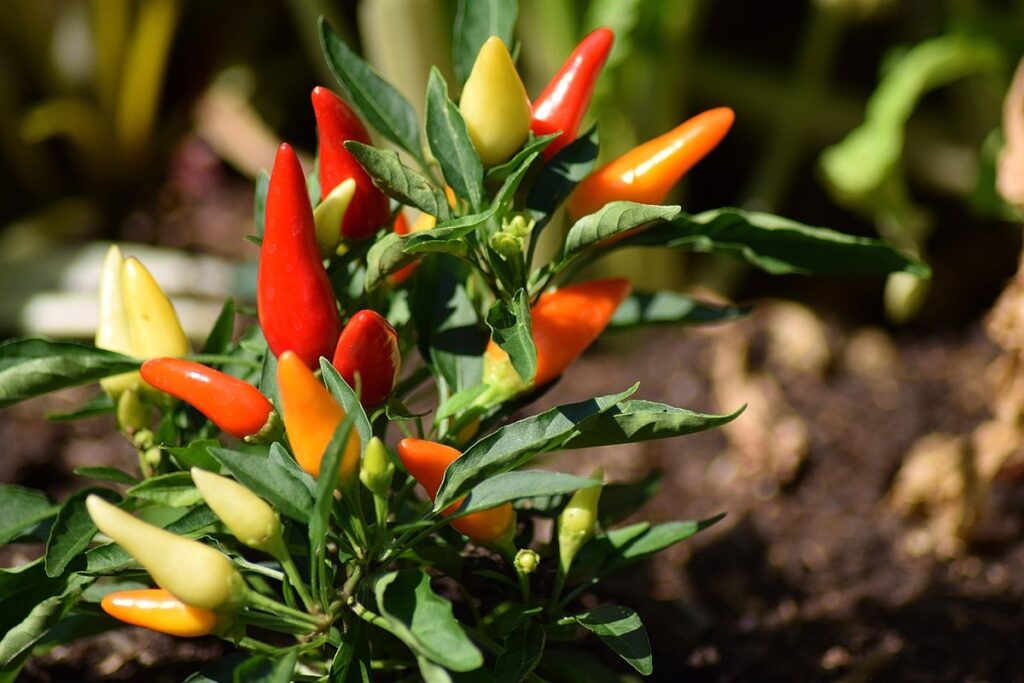
Choosing the Right Variety
When it comes to growing hot chili peppers, selecting the right variety is crucial. Let’s explore some factors to consider when choosing a type that suits your needs and climate.
Understanding the Different Types of Hot Peppers
When it comes to growing hot chili pepper plants, understanding the different types is crucial for achieving success. Hot peppers are not created equal, and each variety has its unique characteristics, heat levels, growth habits, and uses in cooking.
Let’s start with some of the most popular varieties: Jalapeño, Habanero, and Ghost Pepper. The Jalapeño, a classic choice for hot pepper enthusiasts, boasts a moderate heat level (2,500-8,000 Scoville Heat Units) and a compact growth habit, making it perfect for small gardens or containers. Its thick flesh and bright green color make it an ideal addition to tacos, salsas, and other Mexican dishes.
The Habanero, on the other hand, is known for its intense heat (100,000-350,000 Scoville Heat Units) and tropical flavor. It’s a bit more finicky in terms of growth, requiring full sun and well-draining soil to thrive. Ghost Peppers, or Bhut Jolokia, are not for the faint of heart, with an average Scoville rating of 855,000-1,041,427 units! They’re perfect for adding a spicy kick to sauces, marinades, and curries.
When selecting hot pepper varieties, consider your desired heat level, growth space, and cooking preferences. This will help you choose the perfect pepper for your garden and ensure a bountiful harvest.
Selecting the Perfect Hot Pepper for Your Climate
When selecting the perfect hot pepper for your climate, it’s essential to consider three critical factors: temperature tolerance, sunlight requirements, and disease resistance. If you live in an area with extreme temperatures, such as a scorching desert or a frost-prone region, choose a variety that can withstand these conditions.
For example, if you’re growing in a hot climate, look for varieties like ‘Fresno’ or ‘Carolina Reaper’, which are bred to thrive in high-temperature environments. On the other hand, if you live in a cooler area, opt for varieties like ‘Thai Chili’ or ‘Jalapeño’, which have a lower temperature threshold.
Sunlight is also crucial when selecting a hot pepper variety. If your garden receives full sun (at least 6 hours of direct sunlight), choose a variety that requires minimal shade, such as ‘Cayenne’ or ‘Habanero’. In shadier areas, look for varieties like ‘Poblano’ or ‘Anaheim’, which can tolerate partial shade.
Disease resistance is another critical factor to consider. Look for varieties with built-in resistance to common hot pepper diseases like powdery mildew and root rot. Some popular disease-resistant varieties include ‘Bird’s Eye’ and ‘Serrano’. By choosing a variety that suits your climate, sunlight, and disease resistance needs, you’ll set yourself up for success in growing delicious and healthy hot chili peppers.
Preparing the Soil and Growing Conditions
To successfully grow hot chili pepper plants, it’s essential to create an optimal growing environment by preparing the soil and setting up favorable conditions for their growth. This includes selecting a suitable location and climate.
The Importance of Well-Draining Soil for Hot Peppers
When it comes to growing hot chili pepper plants, one often overlooked but crucial factor is the soil’s drainage. Hot peppers thrive in well-draining soil that can dry out slightly between waterings. This is because their roots are sensitive to waterlogged conditions, which can lead to root rot and other problems.
To test your soil’s drainage, try the “pot test” method: dig a small hole about 12 inches deep and fill it with water. If the water drains quickly, usually within an hour or two, you’re good to go. However, if it takes longer than that for the water to drain, it may indicate poor drainage in your soil.
To create a well-draining growing environment for your hot peppers, consider adding organic matter like compost or well-rotted manure to improve soil structure and increase its capacity to absorb water. You can also incorporate perlite or vermiculite to enhance drainage further. By doing so, you’ll be creating an ideal setting for your hot pepper plants to grow strong and healthy.
Providing Optimal Temperature and Sunlight Conditions
When it comes to growing hot chili peppers, providing optimal temperature and sunlight conditions is crucial for their health and productivity. Hot pepper plants thrive in warm temperatures between 65°F (18°C) and 75°F (24°C) during the day, with an ideal night-time temperature of around 55°F (13°C). This allows them to photosynthesize efficiently and develop strong root systems.
When it comes to sunlight, hot peppers require full sun to produce well. They need at least six hours of direct sunlight per day, but preferably eight or more hours. If you’re growing in a region with intense sunlight, consider using shading techniques to prevent scorching. You can also use grow lights as a supplement during the winter months or if you’re unable to provide natural light.
To ensure your hot pepper plants receive optimal sunlight, place them in a south-facing location or invest in LED grow lights that mimic natural spectrum and intensity. Monitor their temperature and adjust accordingly to prevent stress and promote healthy growth.
Planting and Seed Starting Tips
Before you start growing hot chili pepper plants, it’s essential to know how to plant and care for the seeds properly. Here are some valuable tips to ensure a bountiful harvest of spicy delights!
When to Plant Hot Peppers in Your Region
When it comes to planting hot peppers, timing is everything. Before you start sowing seeds, take a close look at your local climate and frost dates. In most regions, the last frost date is a good indicator of when it’s safe to plant hot peppers outdoors.
If you live in an area with a long growing season (above 60°F/15°C), you can directly sow seeds into the ground about 1-2 weeks after the last frost date. For example, if your area has a last frost date of May 15th, you can start sowing hot pepper seeds around May 22nd. Make sure the soil has warmed up and is workable before planting.
However, if you live in an area with a shorter growing season or experience frequent frosts, it’s best to start hot pepper seeds indoors 6-8 weeks before the last frost date. This will give your seedlings a head start on the growing season, allowing them to mature before any potential frosts hit.
Sowing Seeds Indoors vs. Directly Outdoors
When it comes to growing hot chili pepper plants from seeds, one crucial decision is whether to sow them indoors or directly outdoors. Both methods have their advantages and disadvantages.
Sowing seeds indoors allows for a head start on the growing season, typically 4-6 weeks before the last frost date in your area. This means that when you transplant the seedlings outside, they’ll be more mature and better equipped to handle outdoor conditions. Indoor sowing also gives you more control over temperature, humidity, and light levels, which can be beneficial for young seedlings.
On the other hand, directly sowing seeds outdoors can save time and effort in terms of setup and maintenance. It’s a low-maintenance option that still allows your chili peppers to thrive. To ensure success with direct sowing, choose a spot with full sun and well-draining soil.
Regardless of which method you choose, proper care is essential for seedlings to survive the transition from indoor to outdoor conditions or vice versa. When transplanting, make sure to handle the roots gently and avoid exposing them to extreme temperatures. Water thoroughly after transplanting and provide adequate support as your chili pepper plants grow.
Watering and Fertilizing Your Hot Pepper Plants
To ensure your hot pepper plants thrive, you’ll need to know when and how to water them, as well as what nutrients they require for optimal growth.
How to Determine When to Water Your Hot Peppers
When it comes to watering your hot pepper plants, determining when to water can be a bit tricky. One of the most common mistakes growers make is over- or under-watering their plants, which can lead to reduced yields and weak plants.
To determine if your hot peppers need watering, look for signs such as wilted leaves, droopy stems, or a slight dryness to the soil. If you notice any of these signs, it’s likely time to water your plants. On the other hand, if you’re seeing yellowing leaves, fungal growth, or water pooling around the base of the plant, it may be a sign that you’re overwatering.
It’s essential to maintain consistent moisture levels in the soil to encourage healthy growth and prevent stress to the plant. A general rule of thumb is to water your hot peppers when the top 1-2 inches of soil feels dry to the touch. You can also check the soil by inserting your finger into the soil up to the knuckle – if it feels dry, it’s time to water.
Remember, hot pepper plants prefer well-draining soil and can be sensitive to too much moisture. By monitoring the signs and adjusting your watering schedule accordingly, you’ll be able to provide your plants with just the right amount of hydration they need to thrive.
Creating a Balanced Fertilization Schedule
Developing an effective fertilization plan is crucial for promoting healthy growth and maximizing yields in hot pepper plants. To create a balanced schedule, it’s essential to understand the key nutrients required by these plants.
Nitrogen (N) plays a vital role in leaf growth and development, while phosphorus (P) promotes root establishment and fruit production. Potassium (K), on the other hand, helps with overall plant health and resistance to disease. A balanced fertilizer typically contains N-P-K ratios such as 10-10-10 or 20-5-5.
To create a fertilization schedule for your hot pepper plants:
* Apply a starter fertilizer high in phosphorus (such as 10-20-10) when transplanting seedlings into larger pots.
* Switch to a balanced fertilizer with an N-P-K ratio of 20-5-5 or 15-30-15 during the vegetative growth phase.
* Reduce fertilization rates by half when plants begin producing flowers and fruits, as high nitrogen levels can lead to excessive foliage at the expense of fruit production.
Regularly monitoring your plant’s response to fertilizers will help you refine your schedule. Keep in mind that over-fertilization can be detrimental to plant health, so it’s better to err on the side of caution.
Common Pests and Diseases Affecting Hot Peppers
As you care for your hot chili pepper plants, be aware of common pests like aphids, whiteflies, and spider mites that can quickly damage your crop. Common diseases like powdery mildew and leaf spot can also strike if not properly managed.
Recognizing and Managing Common Pests Like Aphids and Whiteflies
Hot peppers are particularly susceptible to two common pests: aphids and whiteflies. These tiny insects can quickly multiply and cause significant damage to your plants if left unchecked. Aphids, for example, feed on the sap of hot pepper leaves, causing curled or distorted leaves, stunted growth, and reduced fruit production.
Whiteflies, on the other hand, are often mistaken for small flying aphids due to their similar appearance. However, unlike aphids, whiteflies have a distinctive powdery coating that helps protect them from pesticides. They feed on plant sap as well, but also excrete a sticky substance called honeydew, which can attract ants and promote the growth of sooty mold.
To manage these pests effectively, start by inspecting your plants regularly for signs of infestation. Look for tiny eggs or nymphs on the undersides of leaves, or flying insects around the plant. Encourage natural predators like ladybugs or lacewings, which feed on aphids and whiteflies. You can also introduce beneficial insects like parasitic wasps that target these pests.
For severe infestations, try spraying your plants with a mild soap solution or neem oil to control the pest population. Be sure to apply these treatments in the early morning or evening when the sun is not intense, as they can cause damage to leaves if applied during peak sunlight hours.
Preventing and Treating Fungal Diseases in Hot Peppers
Hot pepper plants are prone to various fungal diseases that can significantly impact yields and flavor. Two of the most common issues are powdery mildew and root rot. Powdery mildew appears as a white, powdery coating on leaves, while root rot causes roots to turn soft and mushy. To prevent these conditions from occurring, it’s essential to adopt proper crop rotation practices. Rotate your hot pepper plants with other non-brassica crops (such as corn or sunflowers) to break the fungal life cycle.
Sanitation practices also play a crucial role in preventing fungal diseases. Regularly clean up debris and weeds around the plants, removing any infected leaves or stems immediately. Ensure proper air circulation by spacing rows about 3 feet apart and pruning your hot pepper plants regularly to maintain good airflow. For existing infections, treat your plants with fungicides specifically designed for foliar application. Timing is crucial; apply fungicides during the early stages of infection when the disease is most susceptible to treatment.
Harvesting and Preserving Your Hot Peppers
Now that you’ve cultivated your hot chili pepper plants, it’s time to reap what you’ve sown: learn how to harvest and preserve them for long-term use. This crucial step will keep your peppers fresh all year round!
When to Expect a Bountiful Harvest of Hot Peppers
When to Expect a Bountiful Harvest of Hot Peppers
The moment you’ve been waiting for has finally arrived – it’s time to harvest your hot chili peppers! But how do you know when they’re ripe and ready? One of the most significant signs is a change in color. Different varieties will display distinct hues, but generally, a fully mature pepper will deepen into its characteristic shade. For example, bell-shaped peppers will turn from green to red or yellow, while elongated peppers like jalapeños may transform from green to their signature orange-red hue.
Another indicator of ripeness is the stem. As your peppers mature, the connection between the fruit and the plant will begin to soften, making it easier to detach them from the plant. Be gentle when handling your peppers, as they’re delicate and can bruise easily. A general rule of thumb is to wait until the pepper reaches its full color change before harvesting – this ensures maximum flavor and heat potential.
Techniques for Preserving Fresh and Dried Hot Peppers
When it comes to enjoying the fruits of your labor from your hot chili pepper plant, preserving them is key. Hot peppers can be preserved through various methods to keep their flavor and heat intact for months to come.
Freezing is an excellent way to preserve hot peppers without losing any of their pungency. Simply chop or slice them and place them in airtight containers or freezer bags. Frozen hot peppers are perfect for adding to soups, stews, and sauces later on. You can also freeze hot pepper puree or sauce for easy incorporation into future meals.
Dehydrating is another effective method for preserving hot peppers. This method helps retain the heat and flavor of the peppers while removing excess moisture. To dehydrate your hot peppers, slice them thinly and place them in a single layer on a baking sheet. Set your oven to its lowest temperature setting (usually around 150°F) or use a food dehydrator according to manufacturer’s instructions.
Pickling is yet another way to preserve the flavor of your hot peppers. Slice or chop the peppers and soak them in a brine made from vinegar, salt, and spices. This method not only preserves the peppers but also adds a tangy twist to their flavor profile. For example, pickled jalapeños are a popular condiment used in many Mexican dishes.
Consider canning hot peppers as well for long-term preservation. However, be sure to follow safe canning practices to avoid spoilage or foodborne illness. Always use a tested recipe and follow the recommended acidity levels to ensure your canned peppers remain safe to eat.
Frequently Asked Questions
Can I grow hot chili pepper plants indoors if I don’t have outdoor space?
Yes, you can successfully grow hot chili peppers indoors with proper care and conditions. Choose a container that’s at least 6-8 inches deep to accommodate the plant’s root system. Provide optimal temperature (around 70°F to 80°F) and humidity levels for the plants to thrive.
How do I know if my hot pepper plant is getting enough sunlight?
To ensure your hot pepper plant gets sufficient sunlight, check if it receives direct sunlight for at least 6 hours a day. If you’re growing indoors, consider using grow lights to supplement natural light. Monitor your plant’s growth and adjust its position accordingly.
What are the most common pests that affect hot pepper plants, and how can I prevent them?
Aphids, whiteflies, and spider mites are common pests that can harm hot pepper plants. To prevent infestations, maintain good hygiene by regularly inspecting your plants for signs of pests. Use neem oil or insecticidal soap to control minor outbreaks.
How do I know when my hot peppers are ripe and ready to harvest?
Check the color and texture of the peppers to determine ripeness. Most hot peppers turn from green to their final color (orange, red, yellow, etc.) as they mature. Gently touch the pepper; if it’s slightly soft to the touch, it’s likely ripe.
Can I save seeds from my harvested hot peppers for next year’s crop?
Yes, you can save and replant seeds from your harvested hot peppers. Allow the peppers to fully ripen on the plant before harvesting them. Cut open the peppers, remove the seeds, and dry them in a warm place. Store the dried seeds in an airtight container for future use.