
As a gardener, you know that growing juicy tomatoes requires more than just giving them plenty of sunlight and water. Pruning your tomato plants is an essential step in ensuring they thrive and produce bountiful harvests. Not only can pruning improve fruit production, but it also helps maintain plant health and reduces the risk of diseases. However, knowing when and how to prune can be a challenge, especially with different varieties and regional conditions to consider. In this article, we’ll explore the benefits of pruning tomato plants and provide you with practical guidance on the best techniques for your specific variety and region. Whether you’re a seasoned gardener or just starting out, this post will help you unlock your tomato plant’s full potential.
Benefits of Pruning Tomato Plants
Pruning tomato plants can seem intimidating, but it has several benefits that will help your tomatoes grow bigger and more productive. Let’s explore these advantages up close.
Improves Fruit Production and Quality
When you prune tomato plants, one of the most significant benefits is an increase in fruit production and quality. This might seem counterintuitive, as pruning involves removing parts of the plant that are already producing fruit. However, by selectively removing certain stems and branches, you’re actually creating a more balanced and healthy plant.
Better air circulation is one of the key reasons why pruning improves fruit production. When plants are densely packed, moisture can become trapped between leaves, leading to diseases like fungal infections. By pruning away some of the foliage, you allow air to circulate freely, reducing the risk of disease and promoting healthy growth. This, in turn, enables your tomato plant to channel its energy towards producing more fruit.
By pruning, you’re also ensuring that sunlight can penetrate deeper into the plant’s canopy, allowing for better photosynthesis. This process is essential for nutrient production, which ultimately leads to higher-quality fruit. To achieve this, simply remove any weak or spindly growth, and trim back overgrown branches to encourage bushy new growth. With regular pruning, you’ll be rewarded with a more robust plant that yields an abundance of juicy, flavorful tomatoes.
Enhances Plant Health and Vigor
Pruning tomato plants may seem counterintuitive, but it’s a crucial practice that enhances plant health and vigor. When you prune regularly, you’re essentially giving your plant a spa day – removing all the dead weight (literally!) to make room for new growth.
Removing diseased or damaged branches is essential in preventing the spread of diseases within the plant. These unhealthy sections can harbor pests and fungi, which can quickly take over the entire plant if left unchecked. By cutting them off, you’re creating a clean slate for healthy development.
Pruning also encourages a balanced root system by allowing the roots to focus on absorbing nutrients from the soil rather than supporting weak or dead branches. This leads to robust growth, higher yields, and – most importantly – better-tasting tomatoes! Think of it like giving your plant’s roots a workout – they get stronger and more efficient with regular pruning.
When pruning, make sure to use clean tools and cut just above a node (where the branch meets the stem) to promote new growth. This will help your tomato plant produce more fruit and stay healthy throughout its growing season.
Reduces Disease and Pest Problems
Pruning can help prevent diseases from spreading by removing infected areas, and also reduces the risk of pests like hornworms and aphids. When a tomato plant is left unpruned, diseased leaves can spread their infection to healthy parts of the plant, eventually weakening its overall health.
Infected leaves provide an ideal breeding ground for fungal pathogens like early blight and septoria leaf spot. These diseases thrive in moist environments and can quickly spread through the plant if not addressed promptly. Regular pruning helps remove infected areas, thereby preventing the disease from spreading further.
A hornworm infestation is another common issue associated with unpruned tomato plants. These pests feed on leaves, stems, and fruits, causing significant damage to the plant’s growth and yield. Pruning helps reduce their hiding spots by removing suckers and weak growth. This makes it easier for you to spot and remove any remaining hornworms.
To keep your tomato plants healthy, prune them regularly, especially after rain or irrigation when fungal diseases are more likely to develop.
Types of Pruning Techniques for Tomato Plants
There are several pruning techniques you can use on your tomato plants, each serving a unique purpose and benefit to their overall health. Let’s explore some common methods used by gardeners today.
Pinching and Topping
One of the simplest yet effective pruning methods for tomato plants is pinching and topping. Pinching off the tip of the stem encourages bushy growth by diverting energy from the top to the sides and below, producing a more compact plant with an increased yield.
To pinch a tomato plant, simply remove the terminal bud (the small leaves at the very end of the stem) using your fingers or a pair of scissors. This should be done when the plant has 2-3 sets of leaves. Pinching will encourage lateral branching and help to develop a robust root system.
Topping is another essential technique for controlling the height of your tomato plant, preventing it from becoming leggy and promoting air circulation within the plant. Cut the tip off about 1/3 of the way through the stem using a sharp knife or pruning shears when the plant has reached a height of around 12-18 inches (30-45 cm). This will help to maintain the plant’s shape, promote even fruiting, and reduce the risk of disease.
Thinning and Removing Weak Growth
Removing weak or spindly growth can help direct the plant’s energy towards producing a stronger, more productive framework. This is especially true for tomato plants that are prone to becoming leggy or producing an abundance of weak shoots. By removing these unwanted growths, you’re essentially giving your plant permission to focus its resources on developing a healthy, robust structure.
To identify weak growth, look for long, thin stems with few leaves and little sign of fruiting. These types of stems are often the result of the plant trying to reach for sunlight, but lacking sufficient support or nutrients. To address this, simply snip off these stems at the base, using a sharp pair of pruning scissors or clippers. This will help redirect the plant’s energy towards producing more robust, fruit-bearing branches.
Regularly inspecting your plant and removing weak growth on an as-needed basis can also encourage bushy growth and promote better air circulation within the plant, which is essential for preventing diseases like fungal infections and mildew.
The Role of Pruning in Supporting Tomato Plant Structure
When you prune your tomato plant, one of its primary functions is to support and maintain the structure of the plant itself. A well-pruned tomato plant has an optimal branch angle that allows sunlight to penetrate deeply into the foliage, promoting healthy growth and fruit production.
A balanced canopy is essential for a productive tomato plant. Pruning helps achieve this balance by removing weaker or crossing branches that compete with each other for light and nutrients. This process opens up the plant’s interior, allowing air to circulate freely and reducing the risk of disease.
To ensure your tomato plant maintains an optimal branch angle and balanced canopy, prune it regularly throughout its growing season. Remove any weak or spindly growth, as well as any branches that are rubbing against each other. Aim for a structure with a central leader and two or three main lateral branches, which will provide the framework for your plant’s fruiting.
By maintaining an open, balanced canopy through pruning, you’ll create an environment conducive to healthy growth and maximize your tomato plant’s potential yield.
When to Prune Tomato Plants
Now that you know pruning can be beneficial for tomato plants, it’s essential to understand when exactly to do it. Timing is crucial to avoid stunting your plant’s growth and production.
Determining the Right Time for Pruning
Determining the right time for pruning is crucial to ensure the health and productivity of your tomato plant. The ideal timing depends on several factors: the stage of growth, weather conditions, and the specific variety of tomato plant.
For young seedlings, it’s best to wait until they have at least two sets of true leaves before pruning. This allows them to develop a strong root system and adapt to their environment. Pruning too early can shock the plant and lead to reduced growth.
In warmer weather, you may need to prune more frequently to prevent the plant from becoming leggy and exposed to disease. Conversely, in cooler climates or during periods of drought, it’s best to minimize pruning to avoid stressing the plant further.
Additionally, some tomato varieties are bred for specific pruning techniques. For example, indeterminate varieties benefit from regular tipping to promote bushy growth, while determinate varieties can be pruned more heavily once they’ve reached a certain height. Understand your plant’s unique needs and adjust your pruning schedule accordingly.
Spring and Fall Pruning
Pruning tomato plants in the spring and fall serves as a crucial step in their overall growth and health. In the spring, pruning helps control the plant’s height, directing its energy towards producing new growth and fruit. This is especially beneficial for indeterminate varieties, which can grow quite tall if left unchecked. By pruning these plants to about 2-3 feet above the soil level, you’re encouraging them to focus on producing a robust canopy of leaves and stems, all while promoting a more bushy habit.
Come fall, pruning takes on a slightly different role: preparing the plant for winter dormancy. At this time, prune any weak or damaged growth to prevent disease from taking hold during the cold months. Remove any dead wood as well, making sure not to cut too far back into the plant’s stem, which can shock the roots and hinder next year’s growth. By pruning in the fall, you’re essentially giving your tomato plants a ‘spring cleaning,’ allowing them to conserve their energy for the growing season ahead. This simple yet crucial step can significantly impact the overall health and productivity of your tomato crop.
Summer Pruning – A Delicate Balance
When pruning tomato plants during the summer months, it’s essential to strike a delicate balance between promoting healthy growth and avoiding further stress on the plant. Tomato plants are already under pressure to produce an abundance of fruit during this time, so you’ll want to prune with care.
One key consideration is timing. Avoid pruning too aggressively in the middle of the day when the sun is at its strongest, as this can cause shock to the plant. Instead, perform summer pruning in the early morning or late afternoon when temperatures are milder. Be gentle when removing any weak or spindly growth, and focus on maintaining a balanced shape that allows for good air circulation.
To minimize stress, prune only what’s necessary, removing no more than 10-20% of the plant’s foliage at one time. This will help prevent shocking the plant and promote continued fruit production. Remember to always inspect your plants carefully before pruning, looking for signs of pests or diseases that may require treatment rather than pruning. By taking a thoughtful approach to summer pruning, you can encourage healthy growth and maximize your tomato harvest.
Pruning Techniques for Specific Tomato Varieties
For specific tomato varieties, pruning techniques can make a big difference in yields and flavor. We’ll dive into the unique pruning needs of popular tomato types.
Cherry Tomatoes and Compact Varieties
When it comes to compact or dwarf tomato varieties like cherry tomatoes, pruning techniques require a more delicate approach. These smaller plants have a naturally slower growth rate and are often more prone to disease susceptibility due to their increased surface area-to-mass ratio.
As you prune these compact varieties, keep in mind that you’ll want to maintain their natural shape and promote even fruiting. To achieve this, start by removing any weak or spindly growth, as well as any lower leaves that may be touching the soil to prevent disease from entering the plant through these points of contact.
Prune cherry tomato plants lightly, aiming for no more than 10-15% removal of their foliage at a time. This will help maintain their energy levels and direct it towards fruit production. Remember, compact varieties like cherry tomatoes are bred specifically for smaller spaces, so be gentle in your pruning to avoid stressing the plant unnecessarily.
By adopting this approach, you’ll be able to encourage healthy growth and maximize your cherry tomato harvest without over-pruning or compromising your plant’s overall well-being.
Indeterminate and Determinate Varieties
When it comes to pruning tomato plants, it’s essential to understand the specific needs of different varieties. Two main types are indeterminate and determinate tomatoes, each with its unique characteristics that dictate their pruning requirements.
Indeterminate varieties continue to grow throughout the season, producing new growth and fruit as they go. They can get quite large, often reaching 6 feet or more in height, making it necessary to prune them regularly to keep them manageable. For indeterminate tomatoes, remove lower leaves to prevent soil-borne diseases from splashing up onto the plant, and trim back any weak or spindly growth to encourage a stronger structure.
Determinate varieties, on the other hand, have a more compact growth habit and tend to produce fruit all at once. They typically don’t require as much pruning as indeterminates, but some thinning may be necessary to promote even fruiting and prevent overcrowding. For example, remove any weak or spindly stems, and trim back tips of branches that are not producing fruit.
By understanding the specific needs of your tomato variety, you can tailor your pruning strategy to optimize its growth and production, resulting in a more bountiful harvest.
Common Pruning Mistakes to Avoid
Pruning can be a delicate process, and making mistakes can harm your tomato plant’s growth and yield. Let’s look at some common errors to avoid when pruning your tomatoes.
Over-Pruning – A Hidden Dilemma
Over-pruning can have serious consequences for your tomato plant. When you remove too much of the plant’s foliage, you’re not only reducing its ability to photosynthesize and grow, but also increasing its stress levels. This can lead to a significant decrease in fruit production, as the plant will redirect its energy towards recovery rather than producing tomatoes.
A common mistake many gardeners make is removing too many suckers – those small shoots that grow between the main stem and branches. While it’s true that suckers don’t produce fruit on their own, they do serve a purpose: they help to shade the soil around the plant, preventing moisture loss and reducing soil temperature fluctuations.
In extreme cases of over-pruning, the plant may even experience shock or dieback, especially if it was already under stress from factors like drought or disease. To avoid this, be mindful of how much you’re pruning and only remove what’s truly necessary to maintain air circulation and promote healthy growth. A good rule of thumb is to prune no more than one-third of the plant at a time, allowing it to recover before making further cuts.
Under-Pruning – A Lack of Control
Under-pruning, or failing to prune at all, can have devastating consequences for your tomato plant. Without regular pruning, the plant becomes unruly and unproductive, making it more susceptible to disease and pests. This is because pruning helps control the plant’s growth by removing weak and diseased branches, allowing air and sunlight to reach fruiting areas.
Imagine a tomato plant that has grown too dense, with many stems competing for space and resources. Without pruning, this can lead to reduced fruit production, lower yields, and increased vulnerability to fungal diseases like powdery mildew and early blight. Pruning helps maintain the plant’s shape, promoting healthy growth and preventing disease from taking hold.
If you’re new to tomato growing or haven’t pruned your plants in a while, it’s essential to start with some basic pruning techniques. Remove any weak or damaged stems, and thin out overcrowded areas to allow for better air circulation. This will help prevent disease and pests from entering the plant, ensuring a healthier and more productive harvest. By incorporating regular pruning into your tomato care routine, you can enjoy a more bountiful crop and reduce the risk of common issues associated with under-pruning.
Tips for Effective Pruning Practices
Now that we’ve covered why pruning is a good idea, let’s dive into some practical tips to help you prune your tomato plant like a pro. Here are some essential techniques to keep in mind.
Understanding Your Climate and Region
When it comes to pruning tomato plants, understanding your climate and region is crucial. Temperature, humidity, and sunlight hours can significantly impact the plant’s growth and productivity. For instance, if you live in a hot and dry climate like California or Arizona, you’ll need to prune more frequently to prevent sun scorch and promote water efficiency.
In contrast, cooler and more humid climates like those found on the East Coast require less frequent pruning. You can focus on removing weak growth and encouraging bushy development to improve air circulation and reduce disease susceptibility. Consider your region’s average sunlight hours too; if you receive intense morning sunlight, prune during this time for optimal results.
To determine your specific pruning needs, observe your tomato plant’s response to the local climate. Note how it reacts to temperature fluctuations, humidity levels, and sun exposure. By adapting your pruning practices to these environmental factors, you’ll promote healthy growth, increase yields, and enjoy a bountiful harvest.
Using the Right Tools and Techniques
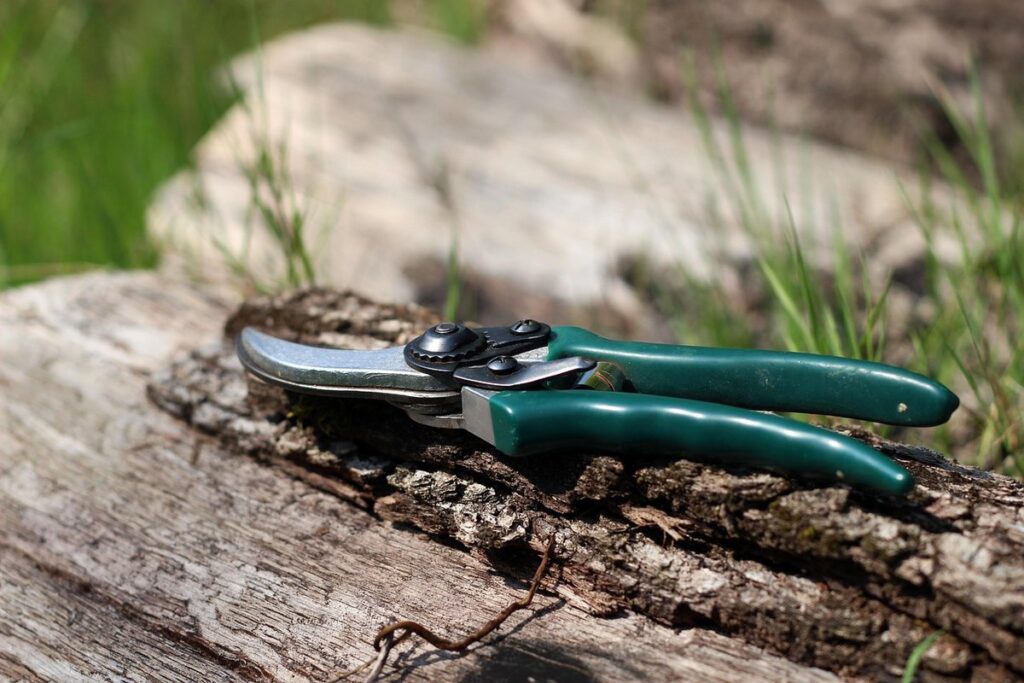
When it comes to pruning tomato plants, having the right tools and techniques is crucial to avoid damaging the plant and ensure effective pruning. Start by investing in a good pair of gardening shears or pruning scissors specifically designed for cutting thicker branches.
Use sharp blades to prevent crushing the stems, which can lead to infection and further damage. For larger branches, consider using loppers or pruning saws with long handles for better leverage and control. Keep your tools clean and well-maintained to prevent the spread of diseases between cuts.
When pruning, make clean cuts just above a node (where a leaf meets the stem) at a 45-degree angle, about one-quarter inch from the node. This allows water to flow freely through the plant and promotes new growth. Cut away any weak or diseased branches, taking care not to remove too much foliage at once, which can shock the plant.
By using the right tools and techniques, you’ll be able to prune your tomato plants with confidence, promoting healthy growth and a bountiful harvest.
Monitoring Plant Response
Monitoring plant response is an essential part of effective pruning practices. As you prune your tomato plant, keep a close eye on its reaction to see if it needs further adjustments. This involves regularly inspecting the plant’s growth pattern, leaf health, and fruit production.
Notice whether new growth is occurring as expected or if the plant appears stressed. Are leaves becoming scorched or discolored? Are there any signs of disease or pests? These indicators can help you determine if your pruning technique is causing more harm than good.
To monitor plant response effectively, set aside some time each week to inspect your tomato plant. Look for signs that it’s adapting well to pruning, such as increased fruit production and a bushy growth habit. Make adjustments to your pruning schedule or techniques as needed to avoid over-pruning or under-pruning the plant. With regular monitoring, you’ll be able to refine your pruning practices to promote optimal plant health and productivity.
Frequently Asked Questions
Can I prune my tomato plants if they’re already producing fruit?
Yes, it’s essential to prune your tomato plants even after they’ve started producing fruit. Regular pruning will help maintain plant health, improve air circulation, and promote continued fruit production.
How often should I prune my tomato plants during the growing season?
The frequency of pruning depends on your plant’s growth rate and variety. As a general rule, prune indeterminate varieties every 7-10 days to control height and encourage bushy growth. Determinate varieties typically require less pruning, but may still benefit from occasional thinning.
What are some common mistakes beginners make when pruning tomato plants?
One common mistake is over-pruning, which can stress the plant and lead to reduced fruit production. Another error is under-pruning, which fails to control disease and pest issues. To avoid these mistakes, start with gentle pruning and gradually increase frequency as needed.
Can I use scissors or pinching tools for all types of pruning?
While scissors are suitable for cutting thicker stems, pinching tools or finger-pinching are better suited for delicate branches and tips. Choose the right tool based on stem size and your desired level of precision.
How do I know if my tomato plant is receiving too much sunlight due to pruning?
If you notice excessive leaf scorching, yellowing leaves, or reduced fruit production, it may be a sign that your plant is receiving too much direct sunlight. Consider providing shade cloth or adjusting the pruning schedule to balance light and air circulation needs.