
Pruning your cucumber vines might not be at the top of your gardening to-do list, but trust us, it’s a crucial step in getting the most out of your harvest. Pruning isn’t just about cutting back your plants – it can actually improve their overall health and increase yields. By learning how to prune cucumber vines correctly, you’ll be able to identify the benefits of pruning and avoid common mistakes that can harm your plants.
In this article, we’ll break down the timing, tools, and techniques for optimal growth and yields. We’ll explore when to prune, what to prune, and how to do it in a way that promotes healthy plant development. Whether you’re a seasoned gardener or just starting out, our expert tips will help you become a pro at pruning cucumber vines. By the end of this post, you’ll be equipped with the knowledge to get the best results from your garden.
Understanding Cucumber Vines and Pruning
When it comes to pruning your cucumber vines, understanding their unique needs is crucial for a bountiful harvest. In this section, we’ll walk you through how to prune for optimal growth and health.
Benefits of Pruning Cucumber Vines
Pruning cucumber vines may seem like an unnecessary task, but it has numerous benefits that can significantly impact your harvest. By pruning your cucumber vines regularly, you’ll not only improve yields, but also reduce the risk of disease susceptibility and promote overall plant growth.
Regular pruning helps to remove diseased or damaged leaves and stems, preventing the spread of diseases like powdery mildew and downy mildew. This is particularly crucial for cucumbers, as they’re prone to these conditions. By removing infected areas, you’ll create a healthier environment for your plants to thrive in.
Pruning also encourages bushy growth, which increases yields by allowing more flowers to develop. When left unpruned, cucumber vines can become leggy and produce fewer fruit. Regular pruning encourages lateral growth, promoting more vigorous production of new shoots and leaves, ultimately leading to a more abundant harvest.
By incorporating regular pruning into your care routine, you’ll be rewarded with healthier, more productive plants that are better equipped to withstand environmental stressors.
Common Mistakes When Pruning Cucumber Vines
When pruning cucumber vines, it’s easy to fall into common mistakes that can harm your crop. Removing too much foliage is a major mistake many growers make. It may seem like removing more leaves will allow more sunlight to reach the fruit, but this actually causes stress to the plant, leading to reduced yields and increased susceptibility to disease.
Another critical error is pruning at the wrong time. Pruning during periods of high heat or drought can further weaken the plant, making it even more vulnerable to pests and diseases. It’s essential to prune when your cucumber vines are actively growing and receiving adequate water and nutrients.
Additionally, failing to consider the plant’s energy distribution is another common mistake. When pruning, be mindful not to remove too many of the smaller leaves, as these are responsible for photosynthesis and nutrient uptake. Instead, focus on removing weak or damaged growth, and any shoots that are growing inward or crossing over other vines. This will help redirect the plant’s energy towards producing healthy, fruit-bearing growth.
Choosing the Right Time to Prune
When it comes to pruning cucumber vines, timing is everything. Let’s dive into the crucial factors you need to consider before snipping those delicate tendrils.
Factors to Consider for Timing
When deciding when to prune cucumber vines, several key factors come into play. First and foremost, consider the growth stage of your plant. Young seedlings typically don’t require pruning until they have at least two sets of true leaves. Pruning too early can stress the plant and hinder its ability to establish a strong root system.
Climate also plays a significant role in determining when to prune. In warmer climates where cucumber vines are more susceptible to pests and diseases, pruning should be done regularly to maintain air circulation and prevent moisture buildup. Conversely, in cooler climates, pruning may need to be done less frequently to avoid shocking the plant.
Lastly, observe your plant’s overall health before pruning. If you notice any signs of disease or pest infestation, it’s best to prune affected areas carefully to prevent further spread. Additionally, consider the time of year and how pruning will impact your harvest. Pruning too close to maturity can reduce fruit production, so timing is crucial.
Prune at the right moment, and you’ll be rewarded with healthier, more productive plants.
Early Season vs. Late Season Pruning
When it comes to pruning cucumber vines, timing is everything. You have two primary options: early season and late season pruning. Both methods have their benefits and drawbacks, which we’ll explore below.
Early season pruning typically occurs when the plants are around 12-18 inches tall. This approach focuses on removing any weak or spindly growth, allowing the plant to concentrate its energy on developing a strong root system and producing healthy fruit. By pruning early in the season, you can encourage bushy growth and increase yields by as much as 20%. However, this method may not be suitable for all varieties of cucumbers.
On the other hand, late season pruning takes place when the plants are mature and producing fruit. This approach involves removing any weak or diseased stems to prevent disease spread and promote air circulation. Late season pruning can also help control the plant’s size and encourage lateral growth, resulting in a more compact harvest.
While early season pruning focuses on setting up the plant for success, late season pruning aims to optimize production. By considering your specific growing conditions and cucumber variety, you can decide which method is best for your needs.
Preparing for Pruning
Before you start pruning, it’s essential to understand how to prepare your cucumber vines for a successful pruning session and optimal growth. Let’s get started on preparing these delicate plants.
Tools and Equipment Needed
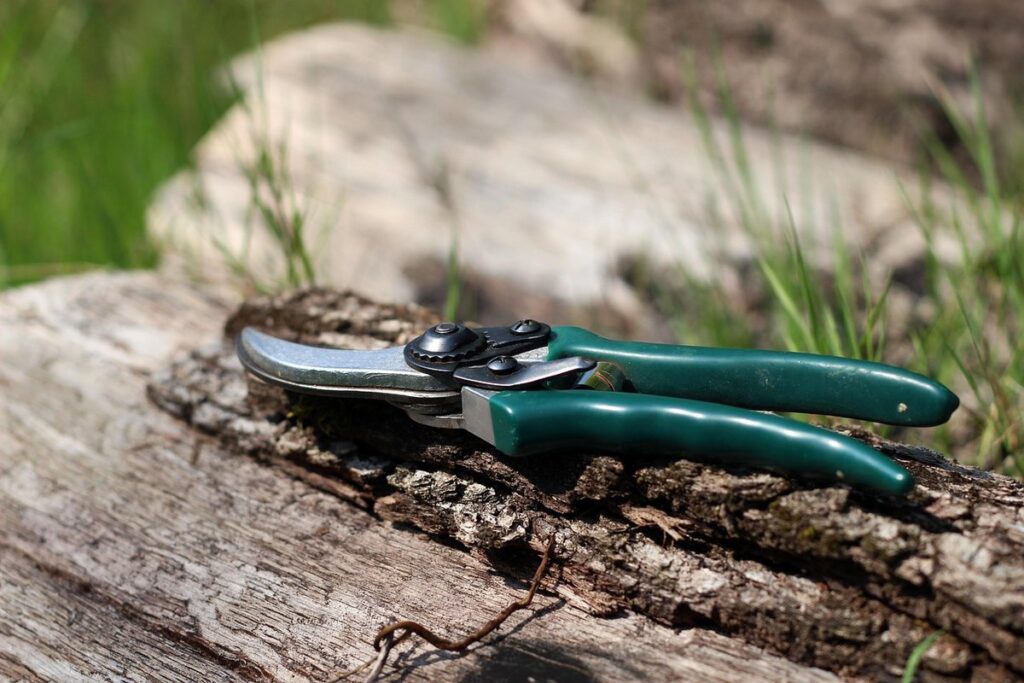
To prune cucumber vines effectively, you’ll need the right tools and equipment. Start by gathering the essentials: a good pair of gloves to protect your hands from thorns and dirt, hand pruners for making precise cuts, and loppers for thicker stems.
For particularly stubborn or overgrown areas, consider investing in pruning shears or secateurs with curved blades for better maneuverability. These tools will help you navigate tight spaces between plants without causing damage.
Don’t forget to also have a few other items on hand: a garden knife or trowel for digging up and replanting cut vines, a pair of scissors for trimming smaller stems, and a bucket or container for collecting pruned material. Having these tools within easy reach will make the pruning process more efficient and effective.
It’s worth noting that some gardeners prefer using long-handled pruning shears to reduce strain on their back and knees while working in larger gardens.
Sanitizing Pruning Tools
When handling pruning tools for cucumber vines, it’s essential to prioritize sanitizing them regularly. This simple yet crucial step helps prevent the transmission of diseases from plant to plant, reducing the risk of infection and promoting a healthy growth environment.
To sanitize pruning tools effectively, start by washing them with mild soap and warm water after each use. Use a soft-bristled brush to remove any debris or sap stuck to the blades. Next, soak the tools in a solution of 1 part bleach to 9 parts water for at least 10 minutes. This will help kill any bacteria or fungal spores that may be present.
Regular sanitizing will not only prevent disease transmission but also extend the lifespan of your pruning tools. For instance, cutting through diseased plant tissue can transfer pathogens like powdery mildew or downy mildew to healthy vines, leading to widespread infection and reduced yields. By keeping your tools clean and sanitized, you’ll create a safer environment for your cucumber vines to thrive.
Remember to always dry your pruning tools thoroughly after cleaning and sanitizing to prevent water spots from forming.
Basic Pruning Techniques
Now that you know why pruning is essential for your cucumber vines, let’s dive into the basic techniques to help you trim and train them effectively. Proper pruning will encourage bushy growth and prevent over-vining.
Removing Suckers and Weak Growth
Removing suckers and weak growth from cucumber vines is an essential part of maintaining their health and promoting maximum yield. Suckers are shoots that grow from the base of the plant, between the stem and the soil, while weak growth refers to damaged or diseased areas on the vine.
To remove suckers, look for them at the base of the plant, about 1-2 inches above the soil line. Use a sharp, clean knife or pruning shears to cut through the sucker as close to the soil as possible. This will help prevent any damage to the rest of the plant and encourage new growth from the remaining stem.
When making cuts, aim for a 45-degree angle to minimize damage and promote healthy healing. Cut just above a node (the joint where a leaf meets the stem), as this will allow the plant to direct its energy towards producing fruit rather than developing more vegetative growth.
Make these removals early in the morning when the plant is at its highest water content, making it easier to cut through the tissue without causing damage. By removing suckers and weak growth regularly, you’ll help keep your cucumber vines healthy, productive, and less prone to disease.
Trimming Leafy Branches
When it comes to trimming leafy branches on your cucumber vines, it’s essential to strike a balance between removing excess foliage and preserving the plant’s energy reserves. Overly dense foliage can trap moisture, creating an ideal environment for fungal diseases like powdery mildew or downy mildew. By trimming these leafy branches, you’ll improve air circulation around the fruit, reducing the risk of disease.
To prune your cucumber vines effectively, focus on removing any weak or spindly growth that’s not producing fruit. Cut back these branches to about 6-8 inches from a node (where a leaf meets the stem), making sure each cut is at a 45-degree angle to prevent water from collecting on the surface. This will help direct the plant’s energy towards producing more fruit.
When pruning, aim for a balanced canopy – you want enough leaves to photosynthesize but not so many that they overcrowd the vines. A good rule of thumb is to remove about one-third of the foliage at a time, allowing the plant to adapt and recover before making further cuts.
Advanced Pruning Techniques
To take your pruning skills to the next level, we’ll dive into advanced techniques for trimming and training cucumber vines for optimal growth and maximum yield.
Top-Pruning for Indeterminate Varieties
When it comes to indeterminate cucumber varieties, top-pruning is a technique that can greatly benefit from regular maintenance. Indeterminate cucumbers are known for their climbing habit and high yields, but they also require more frequent pruning to keep them healthy and productive.
Top-pruning involves removing the terminal shoot of the plant, which encourages lateral growth and promotes fruiting. This method benefits indeterminate varieties by increasing yield, improving air circulation, and reducing disease susceptibility. By removing the terminal shoot, you’re directing the plant’s energy towards producing more fruit rather than putting all its resources into growing taller.
One potential drawback to top-pruning is that it can be time-consuming, especially if you have a large crop. Regular pruning also requires careful observation of your plants’ response to ensure they don’t become too stressed or produce weak growth. However, with practice and attention to detail, top-pruning can be an effective technique for maximizing yield and health in indeterminate cucumber varieties.
In terms of when to apply this technique, aim to prune the terminal shoot about a month after transplanting, when the plant has developed its first set of leaves.
Trellis Training for Space-Efficient Growth
When space is at a premium, trellis training is an excellent way to grow cucumber vines while maintaining their compact shape. This method involves using supports and careful pruning to direct the vine’s growth upwards, away from the soil. By doing so, you’ll create a more manageable plant that can thrive in even the smallest of gardens.
To start, choose a sturdy trellis or other support system that can hold the weight of your cucumber vines as they grow. You’ll also want to provide a few twine or soft ties to help guide the stems upwards and secure them to the trellis. Next, prune any weak or spindly growth from the base of the plant, focusing on promoting strong, upright stems.
Keep an eye on your trellised vines regularly, pruning off any new growth that begins to sag or trail along the ground. This will encourage the plant to focus its energy on producing a bountiful harvest rather than sprawling outwards. With proper training and care, you can enjoy a healthy crop of cucumbers in even the most limited of spaces.
Post-Pruning Care
After pruning your cucumber vines, it’s essential to give them a little TLC to ensure they bounce back strong and keep producing an abundance of fruit. This next step is crucial for their continued health and productivity.
Watering After Pruning
Watering after pruning is crucial to minimize stress on your cucumber vines. When you prune a plant, it’s injured, and this triggers a natural response called “hormone shock.” The plant may experience water loss through damaged leaves, which can be detrimental if not addressed promptly.
To ensure the survival of your pruned plants, water them thoroughly after pruning to compensate for potential water loss. A good rule of thumb is to provide about 1-2 gallons of water per plant, depending on its size and soil type. You can also use a drip irrigation system to deliver water directly to the roots, reducing evaporation and runoff.
Monitor your plants closely during this period, as they may be more susceptible to diseases and pests due to their weakened state. Keep an eye out for signs of stress, such as yellowing leaves or reduced growth rates. Provide your pruned cucumber vines with a balanced fertilizer about 1-2 weeks after pruning to support recovery and promote new growth.
Monitoring Plant Health After Pruning
After pruning your cucumber vines, it’s essential to monitor their health closely. Regular checks will help you identify potential issues before they spread and cause significant damage. Start by inspecting the vines daily for signs of stress or disease.
Check for yellowing or wilting leaves, which can indicate over-pruning, underwatering, or root bound conditions. Be on the lookout for black spots, powdery mildew, or whiteflies, which are common pests that can infest cucumber plants.
If you notice any of these issues, take action promptly. Remove affected leaves or vines to prevent the spread of disease. Use organic or chemical pest control methods as needed to manage pests. Ensure your cucumbers receive sufficient water and nutrients, especially after pruning.
In severe cases, fungal diseases like powdery mildew can cause the entire plant to turn yellow and wither. If you notice this happening, consider using a fungicide specifically designed for cucumbers. Keep in mind that prevention is key; maintaining a balanced watering schedule and providing essential micronutrients will help your plants stay healthy and productive throughout the growing season.
Monitor temperature fluctuations as well, as extreme temperatures can stress out cucumber vines. Aim to keep your plants in a spot with full sun but also some protection from intense heat or cold snaps.
Frequently Asked Questions
Can I prune cucumber vines when they’re already producing fruit?
Yes, it’s essential to continue pruning while your cucumber vines are producing fruit to maintain their health and promote further growth. Regular pruning will help you control the direction of new growth, direct energy towards developing more fruit, and prevent disease.
How do I know if my cucumber vine is a determinate or indeterminate variety?
Understanding the type of plant you have is crucial for effective pruning. Determinate varieties tend to grow bushy with fewer runners, while indeterminate varieties will produce long vines that require trellis support. Check your seed packet or consult with a local nursery expert to determine which type you’re working with.
What if I miss a pruning session – can I still prune my cucumber vine?
Yes, it’s better late than never! While regular pruning is recommended for optimal growth and yields, you can still benefit from pruning your cucumber vine even if you’ve missed a few sessions. Just be sure to sanitize your tools between cuts to avoid spreading diseases.
Can I use the same pruning tools for both cucumbers and other garden vegetables?
While it’s convenient to reuse pruning tools, using them on different plants without proper sanitizing can lead to disease transmission. It’s best to dedicate specific tools to each type of plant to maintain hygiene and prevent cross-contamination.
What should I do if my cucumber vine is heavily infested with pests or diseases after pruning?
If you notice a severe pest or disease issue after pruning, prioritize addressing the problem immediately. Use organic or integrated pest management (IPM) methods to control infestations, and take extra precautions to prevent further damage by maintaining good garden hygiene practices.