
As a garden enthusiast or nature lover, you’re probably aware of the declining populations of monarch butterflies. These majestic creatures are not only beautiful to watch but also play a vital role in our ecosystem. Native milkweed plants are essential for monarch survival, and learning how to plant, care, and conserve them can make a significant difference. In this article, we’ll explore the importance of native milkweed species for monarch butterfly populations and provide practical tips on incorporating these vital plants into your garden or community space. From choosing the right species to ensuring their health and longevity, we’ll cover everything you need to know about growing milkweed that will attract and support these magnificent creatures. By making a few simple changes in your garden, you can become an integral part of monarch conservation efforts.
Importance of Native Milkweed for Monarchs
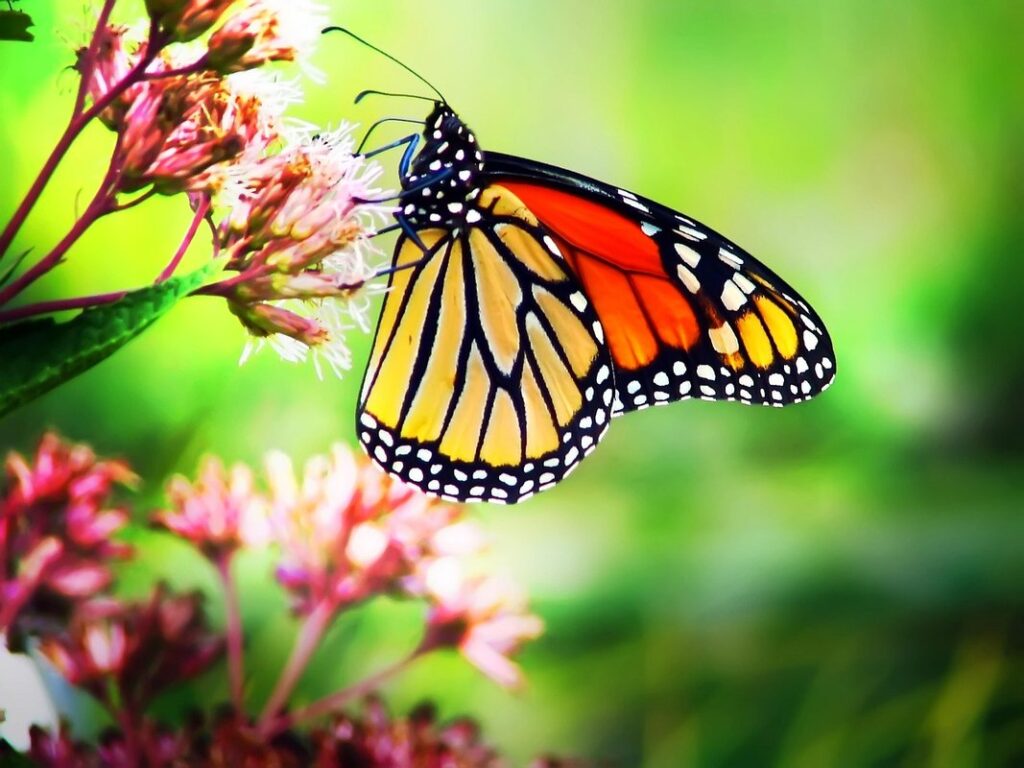
Native milkweed is a crucial component for the survival and success of monarch butterflies, providing them with vital food and shelter.
This section explores why native milkweed is essential to monarchs’ life cycle and how incorporating it into your garden can make a significant difference.
Habitat Creation and Conservation
When it comes to supporting monarch butterfly populations, creating and conserving habitats is essential. Native milkweed plants play a vital role in this process by providing a safe haven for monarchs at every stage of their life cycle. By planting native milkweed in your garden or community space, you’re not only beautifying the area but also contributing to the conservation of these magnificent creatures.
Native milkweed serves as a critical food source for monarch caterpillars, which feed exclusively on its leaves. This unique relationship is crucial for the caterpillars’ development and survival. In addition, native milkweed provides a vital source of nectar for adult monarchs, fueling their migration journeys. By incorporating native milkweed into your habitat creation efforts, you’ll be supporting not only the local monarch population but also the delicate balance of the ecosystem.
When selecting native milkweed plants for your habitat, choose species that are suitable to your region and climate. This will ensure the plants thrive and provide optimal benefits for the monarchs. Consider incorporating a mix of different native milkweed species to create a diverse and resilient habitat that can support multiple generations of monarchs.
Benefits for Monarch Caterpillars
For monarch caterpillars, milkweed is more than just a food source – it’s their lifeline. These tiny creatures can’t survive without the nutrients they get from milkweed leaves, which are rich in protein and fiber. As monarch caterpillars munch on milkweed, they store energy reserves that will help them through the next stages of their life cycle.
But the benefits of milkweed for monarch caterpillars don’t stop there. By feeding on milkweed, these caterpillars develop a toxic compound called cardenolides, which makes them unpalatable to predators like birds and bats. This adaptation helps protect the caterpillars from being eaten before they can transform into butterflies.
As you consider planting native milkweed in your garden, remember that it’s not just about attracting adult monarchs – it’s also crucial for supporting the next generation of these magnificent creatures. By providing a safe haven for monarch caterpillars to feed and grow, you’re giving them the best chance at survival and helping ensure the long-term health of monarch populations. When selecting milkweed plants, choose species that are native to your region and provide the specific needs of monarch caterpillars.
Threats to Native Milkweed Populations
The threats to native milkweed populations are multifaceted and alarming. Habitat destruction is one of the most significant concerns, as natural areas where milkweed grows are being cleared for development, agriculture, and other human activities. Invasive species, such as purple loosestrife and Japanese knotweed, outcompete milkweed for resources and space, further reducing its presence.
The use of herbicides and pesticides in these areas also contributes to the decline of native milkweed. These chemicals can kill or weaken milkweed plants, making it even harder for them to survive. Climate change is another factor, as changing temperatures and precipitation patterns can alter the conditions under which milkweed thrives.
It’s essential to take action to protect native milkweed populations. If you’re a homeowner or landowner, consider planting milkweed in your garden or preserving areas where it naturally grows. You can also support local conservation efforts by volunteering with organizations dedicated to protecting native habitats and species.
Choosing the Right Native Milkweed Species
When it comes to choosing a native milkweed species for your garden, there are many factors to consider, including climate and soil type. Let’s explore some popular options together.
Selecting a Species Suited to Your Region
Choosing the right native milkweed species for your region can be daunting, given the numerous options available. With over 20 native species across North America, it’s essential to select a type that thrives in your local climate and soil conditions.
To begin, consider the hardiness zone where you live. Milkweed species are generally adaptable but may require some flexibility. For instance, Asclepias tuberosa is an excellent choice for zones 3-9, while Asclepias syriaca excels in zones 4-8. Similarly, if your region experiences drought or wet conditions, choose milkweed varieties that can tolerate such extremes.
Another crucial factor to consider is the level of sunlight and soil quality at your planting site. Some native species, like Asclepias viridiflora, thrive in full sun with well-drained soils, while others, such as Asclepias incarnata, prefer partial shade and moist conditions. By taking these regional specifics into account, you can ensure that your chosen milkweed species will not only survive but also flourish.
You can also check the USDA Plant Hardiness Zone Map to determine which zones are in your area and find more information about native milkweed plants specific to your region. Consult with local nurseries or gardening experts for further guidance on selecting a suitable milkweed variety that meets your region’s unique needs.
Considerations for Small Spaces and Urban Areas
When it comes to choosing native milkweed species for small spaces and urban areas, it’s essential to consider the unique challenges of these environments. First and foremost, make sure to select compact or dwarf varieties that are specifically bred for smaller spaces. These plants will provide a similar benefit to monarch butterflies without taking up too much room.
For example, the Dwarf Butterfly Milkweed (Asclepias viridiflora ‘Crush Pink’) is an excellent choice for small gardens or containers. It grows only about 12-18 inches tall and wide, making it perfect for small spaces. Another option is the Swamp Milkweed (Asclepias incarnata), which can thrive in as little as 6 hours of direct sunlight per day.
When growing native milkweed in urban areas, be mindful of soil quality and drainage. If you’re planting on a balcony or patio, use containers with good drainage holes to prevent waterlogged soil. You can also consider using a well-draining potting mix specifically designed for containers. By choosing the right variety and taking care to provide optimal growing conditions, you can successfully grow native milkweed in even the smallest of spaces.
Tips for Success: Soil, Sun, and Water Requirements
When growing native milkweed, it’s essential to understand its specific soil, sun, and water requirements. Native milkweed plants can thrive in a variety of conditions, but they do have some distinct needs.
Soil: Milkweed prefers well-draining soil that is rich in organic matter. A mix of compost or well-rotted manure will help to retain moisture and suppress weeds. If your soil is heavy clay or sandy, consider adding a layer of compost or mulch to improve its structure.
Sun: Native milkweed requires full sun to partial shade, depending on the species. Some species, like Antelope Horn Milkweed (Asclepias viridiflora), can tolerate more shade than others. Be sure to research the specific sun requirements for your chosen species.
Water: Milkweed needs consistent moisture, especially when it’s producing flowers and seeds. However, overwatering can be detrimental, leading to root rot and other issues. Aim to provide about 1 inch of water per week, either through rainfall or irrigation.
By meeting these basic needs, you’ll be well on your way to creating a thriving environment for your native milkweed plants and supporting the monarch butterflies that depend on them.
Planting and Caring for Native Milkweed
Now that you have selected your native milkweed plant, it’s time to learn how to successfully plant and care for it in your garden. This section will walk you through those essential steps.
Preparing the Soil and Transplanting
When preparing the soil and transplanting milkweed plants, it’s essential to get it right to give your native milkweed a strong start. Before planting, make sure your soil has good drainage, as milkweed doesn’t like wet feet. Test your soil pH levels, and if necessary, amend it to create an environment with a slightly acidic to neutral pH (around 6.0-7.0). Native milkweed plants prefer well-draining soil that’s rich in organic matter.
When transplanting milkweed seedlings, gently dig around them without disturbing the roots. Use a fork or your fingers to loosen the surrounding soil, and then lift the plant out of its container. Place it in its new location at the same depth as it was previously growing. Water thoroughly after transplanting to help the plant settle into its new environment.
Watering and Fertilization Requirements
Proper watering and fertilization are crucial to ensure the health and growth of native milkweed plants. When it comes to watering, milkweed prefers well-draining soil that is moist but not waterlogged. Aim to provide about 1-2 inches of water per week, either through rainfall or irrigation. However, make sure not to overwater, as this can lead to root rot and other problems.
It’s also essential to fertilize native milkweed plants carefully. Avoid using high-nitrogen fertilizers, as these can promote leaf growth at the expense of flowering and seed production. Instead, use a balanced, slow-release fertilizer in early spring when new growth appears. You can also consider making your own compost tea by steeping compost in water for 24 hours. This will provide beneficial microbes to the soil without adding excessive nutrients.
Some examples of fertilizers that are safe for native milkweed plants include fish emulsion and bone meal. However, always follow the recommended application rates to avoid overfertilizing. By providing the right amount of water and fertilizer, you’ll be well on your way to growing healthy and thriving native milkweed plants that will support the local monarch butterfly population.
Managing Pests and Diseases
As you tend to your native milkweed plants, it’s essential to keep an eye out for common pests and diseases that can harm their health. Aphids, whiteflies, and spider mites are frequent visitors to milkweed gardens, feeding on sap and weakening the plant. To control these pests, use neem oil or insecticidal soap according to the product label instructions. Spraying the undersides of leaves and stems will help target these hidden areas where pests often reside.
Fungal diseases like powdery mildew and leaf spot can also affect milkweed plants. Inspect your plants regularly for yellowing or wilting leaves, which may indicate fungal infection. Remove any infected leaves to prevent the spread of disease. To promote healthy growth and reduce susceptibility to disease, ensure good air circulation around your plants and avoid overhead watering.
Regular monitoring and prompt action are key to managing pests and diseases in your native milkweed garden.
Attracting Monarchs to Your Garden
To create a welcoming space for these magnificent creatures, we’ll focus on some simple yet effective ways to attract monarchs to your garden. This includes providing essential resources and habitat features they adore.
Creating a Monarch-Friendly Habitat
Creating a monarch-friendly habitat is crucial to supporting these majestic butterflies throughout their life cycle. While milkweed is essential for their survival, it’s only one piece of the puzzle. To create a welcoming space for monarchs, you’ll need to incorporate other elements that provide food, shelter, and breeding grounds.
Start by diversifying your garden with native flowers that bloom at different times, providing nectar-rich sources of food for adult monarchs. Some excellent options include coneflower, black-eyed Susan, and bluestem. These plants not only attract pollinators but also offer a mix of sun and shade, which is vital for monarchs’ thermoregulation.
Consider creating a monarch waystation by grouping native milkweed plants together with other nectar sources. This will provide a concentrated area of food for migrating monarchs, helping them refuel before continuing their journey. Remember to plant in clusters rather than isolated individuals, as this will encourage monarch activity and breeding.
When designing your monarch-friendly habitat, keep in mind the importance of shelter and protection from wind and predators. Native grasses like little bluestem or Indian grass can provide a haven for caterpillars and chrysalises, while also offering a place for adult monarchs to roost during harsh weather conditions.
Providing Additional Nectar Sources
While milkweed is a crucial food source for monarch caterpillars, it’s not the only thing that adult monarchs need to survive. As they travel through their migratory journey, these beautiful butterflies require a constant supply of nectar from flowers to fuel their flight and keep them energized.
To attract more monarchs to your garden, it’s essential to provide additional nectar sources beyond milkweed. Some excellent options include zinnias, cosmos, marigolds, and sunflowers – all of which are native to North America and will bloom at different times throughout the growing season. By incorporating these flowers into your garden design, you’ll be creating a monarch-friendly oasis that will attract these magnificent creatures time and again.
When choosing nectar sources, remember to select plants that are rich in nectar and have long blooming periods. This will give monarchs access to a steady supply of energy throughout the day. Also, consider incorporating a mix of annuals and perennials to ensure that your garden remains vibrant and attractive to monarchs even after the first growing season has passed.
By providing a variety of nectar sources in your garden, you’ll be creating an environment that’s tailored to meet the needs of these incredible creatures – and one that will draw them back year after year.
Avoiding Invasive Plant Species
When introducing native milkweed plants to your garden, it’s essential to be mindful of invasive plant species that can harm native populations and disrupt the ecosystem. Some examples of invasive plants commonly found in gardens include Japanese knotweed, English ivy, and purple loosestrife.
These non-native species can outcompete native milkweed for resources such as water and nutrients, ultimately reducing their numbers and affecting monarch butterfly populations. To avoid introducing invasive species into your garden:
* Research the plant’s origin and potential invasive tendencies before purchasing.
* Check with local nurseries and gardening organizations to determine which plants are safe for your region.
* Be cautious when accepting free or shared plant materials from friends or online marketplaces, as they may be contaminated with invasive species.
By taking these precautions, you can help maintain a balanced ecosystem in your garden and ensure the health of native milkweed populations. This will not only support monarch butterflies but also contribute to the preservation of local biodiversity.
Encouraging Community Engagement and Education
As you establish a milkweed-friendly habitat, consider how to engage your community and educate others on the importance of monarch conservation through hands-on projects. This can be as simple as hosting a workshop or partnering with local schools.
Partnering with Local Nurseries and Conservation Groups
Partnering with local nurseries and conservation groups can be a game-changer for your native milkweed plant project. By collaborating with these organizations, you can tap into their expertise, resources, and networks, ultimately amplifying the impact of your efforts. For instance, local nurseries may be able to provide you with access to native milkweed species that are in high demand or hard to find.
To get involved, start by researching local conservation groups and nurseries that align with your project’s goals. Reach out to them via email or social media and introduce yourself, explaining how your project aims to support monarch butterfly populations through the planting of native milkweed. Be clear about what you’re looking for in terms of collaboration – whether it’s access to specific plant varieties, volunteer support, or educational resources.
Some potential partnerships could include joint planting events, workshops on native milkweed care and propagation, or even co-branding initiatives to raise awareness about monarch conservation. By working together with local stakeholders, you can create a more sustainable and effective project that benefits not only the monarch butterflies but also your community as a whole.
Developing Educational Programs for Schools and Communities
Developing educational programs is crucial to instill a sense of responsibility and curiosity about monarch conservation among school children and community members. Schools can start by incorporating native milkweed planting into their curriculum, making it an engaging hands-on activity that teaches science, ecology, and environmental stewardship.
For instance, teachers can partner with local nurseries or conservation groups to obtain free or low-cost native milkweed plants for students to plant in school gardens or nearby community spaces. This not only educates children about the importance of monarchs but also encourages them to take ownership of their environment.
Community members can get involved by joining or forming gardening clubs, environmental organizations, or participating in local events focused on conservation and education. These collective efforts foster a sense of community responsibility towards protecting this vital pollinator species.
Encouraging Citizen Science Projects and Data Collection
Encouraging citizen science projects can be a game-changer for monarch conservation. By mobilizing communities to collect data on monarch behavior and habitat health, we can gain valuable insights that inform our efforts to protect these majestic creatures.
One way to encourage participation is by making it easy and accessible. Consider partnering with local schools, community centers, or park districts to set up monitoring stations where volunteers can observe and record monarch activity. This could involve counting the number of monarchs visiting a particular milkweed patch, noting their feeding patterns, or tracking their migration routes.
To make data collection more engaging, consider using mobile apps like iNaturalist or Monarch Watch’s Journey North, which allow users to report sightings and contribute to larger datasets. You can also organize community events, such as “Monarch Mondays” where volunteers meet weekly to monitor milkweed patches and share findings.
As a bonus, many organizations offer rewards for participating in citizen science projects, such as entry into contests or recognition on their websites. By making data collection a fun and rewarding experience, you’ll not only gather valuable information but also foster a sense of community among your participants.
Frequently Asked Questions
How do I know which native milkweed species is best suited for my region?
The right species can vary depending on your location, climate, and soil type. Research the native milkweed species that thrive in your area and consult with local nurseries or gardening experts to ensure you choose a suitable variety.
Can I grow native milkweed plants from seeds I collect from other gardens?
While it’s possible to collect seeds, growing native milkweed from seed can be challenging due to their specific germination requirements. Consider purchasing high-quality seeds or seedlings from reputable sources to ensure healthy and successful growth.
What if my soil is poor quality; can I still grow native milkweed plants?
Native milkweed can adapt to a range of soil conditions, but it still requires well-draining soil with adequate nutrients. Before planting, test your soil pH and amend it if necessary. You can also consider mixing in compost or other organic matter to improve soil health.
How often should I water my native milkweed plants during the growing season?
Water your native milkweed plants regularly during their first year of growth, but avoid overwatering, which can lead to root rot. Once established, milkweed is relatively drought-tolerant, so reduce watering frequency accordingly.
Can I use pesticides or herbicides near my native milkweed plants if I have pest issues?
No, it’s essential to maintain a chemical-free zone around your native milkweed plants to protect them from harm and ensure the monarch caterpillars feeding on them are not exposed to toxins. Instead, adopt integrated pest management techniques that prioritize natural methods for controlling pests and diseases.