
Are you tired of struggling with poor soil quality and limited space in your traditional garden bed? Well, we’ve got some exciting news for you! Raised garden beds are not only aesthetically pleasing, but they also offer a multitude of benefits that can transform your gardening experience. From improved drainage and accessibility to enhanced aesthetics and financial savings, raised beds are the way to go. By designing a thriving raised bed system, you’ll be able to grow more crops with less effort, while also enjoying better crop yields and reduced maintenance costs. In this article, we’ll delve into the numerous advantages of raised garden beds and provide you with practical tips on how to design and implement your own raised bed system, helping you achieve a lush and bountiful harvest like never before.
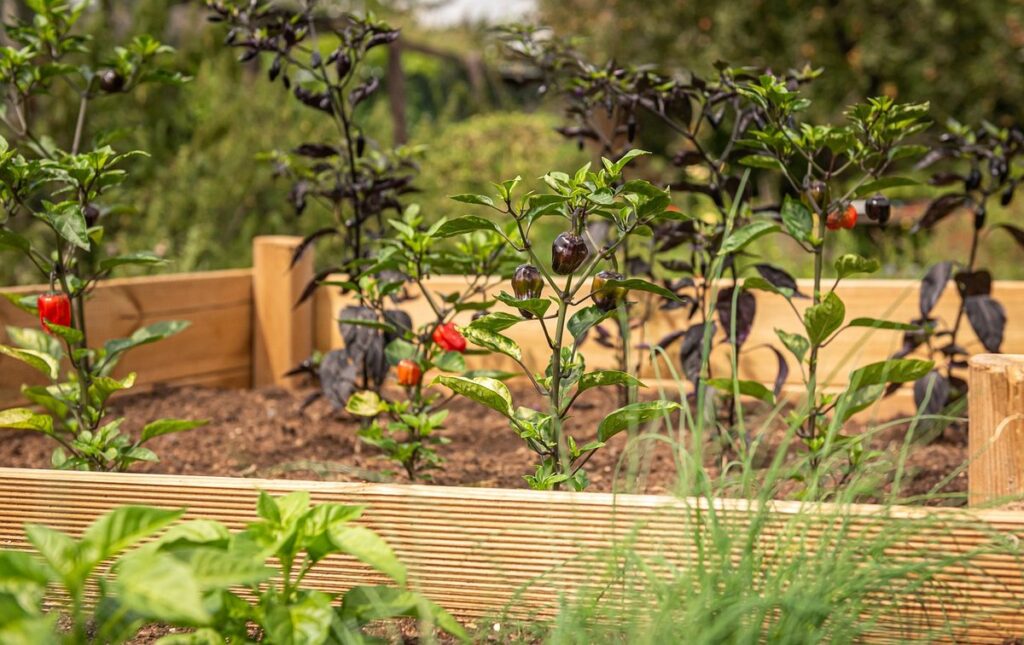
Benefits of Raised Garden Beds
Let’s dive into one of the most significant perks of raised garden beds: improved soil quality and better drainage, which can greatly impact your plant’s health.
Improved Drainage and Soil Structure
One of the most significant benefits of raised garden beds is their ability to improve soil drainage and structure. Proper drainage is crucial for healthy plant growth, as it prevents waterlogged soil that can lead to root rot and other problems. Traditional in-ground gardens often struggle with poor drainage due to compacted soil and lack of aeration.
Raised beds address this issue by allowing excess water to flow through the bottom or sides, reducing the risk of waterlogged soil. This is especially beneficial for plants like carrots, beets, and potatoes that are sensitive to moisture fluctuations. Additionally, raised beds promote healthy soil structure by allowing for better air circulation, reduced soil compaction, and improved nutrient accessibility.
To maximize drainage in your raised garden bed, ensure it has a slight slope (around 1-2%) to allow excess water to flow out. You can also add organic matter like compost or well-rotted manure to improve soil structure and drainage. Regularly check the moisture levels in your raised bed and adjust watering schedules accordingly to prevent overwatering.
Increased Accessibility for Gardeners with Mobility Issues
Raised garden beds are a game-changer for gardeners with mobility issues or those who struggle with kneeling. The elevated design provides a comfortable working height, reducing strain on joints and muscles. This is especially important for gardeners with arthritis, fibromyalgia, or other conditions that make bending or kneeling difficult.
As we age, our bodies undergo natural changes that can affect our ability to garden. Kneeling or crouching to tend to plants can be painful and even lead to injury. Raised beds eliminate this issue by bringing the soil level up to a comfortable standing height. This allows gardeners to work without putting unnecessary strain on their joints, making it possible to enjoy gardening for longer.
When selecting raised beds, consider using wide, sturdy designs that provide ample space to move around comfortably. Some models even feature built-in seating or storage compartments, further enhancing accessibility. By choosing a raised bed with mobility in mind, gardeners can maintain their independence and continue to nurture their green thumbs without sacrificing comfort.
Enhanced Aesthetics and Flexibility
Raised garden beds offer an unparalleled level of design flexibility and visual appeal compared to traditional in-ground gardening. One of the most significant advantages is that they can be tailored to fit seamlessly into any landscape design. With raised beds, you have the freedom to choose from a wide range of materials, shapes, and sizes to suit your specific needs.
For instance, if you’re looking to add a decorative element to your garden, consider using wooden or composite materials with unique designs or patterns. Alternatively, you can opt for metal or plastic frames in sleek, modern styles. The possibilities are endless, allowing you to create a visually stunning oasis that complements your home’s architecture.
In addition to their aesthetic appeal, raised beds also provide a functional growing space that can be easily customized to accommodate a variety of plants and garden features. By choosing the right materials and design, you can create a seamless transition between different areas of your garden, making it easier to navigate and enjoy.
Space-Saving and Versatility
One of the best aspects of raised garden beds is their ability to thrive in even the smallest spaces, making them perfect for urban gardens. Let’s explore how they can add versatility to your outdoor space.
Maximizing Small Spaces with Raised Beds
Raised garden beds are an excellent solution for maximizing small spaces. If you’re lucky enough to have a balcony, patio, or urban area with limited room for gardening, raised beds can be the perfect answer. Not only do they provide a contained space for growing plants, but they also allow for efficient use of soil and water.
Consider installing two or three narrow raised beds along a small wall, or stack them on top of each other to create a multi-level garden. This not only saves space but also adds visual interest to the area. You can even use corner spaces by placing a raised bed in a corner, making it a perfect spot for compact herbs like basil or mint.
Another creative way to utilize small spaces is to place raised beds on wheels. This allows you to easily move them around your garden as needed, providing flexibility and accessibility.
Adapting Raised Beds for Different Plant Types and Seasons
Raised garden beds offer unparalleled versatility when it comes to growing a wide range of plants. Whether you’re a seasoned gardener or just starting out, these adaptable beds can accommodate everything from delicate herbs and succulents to robust vegetables and show-stopping flowers.
To adapt raised beds for different plant types, consider the specific needs of each variety. For example, plants like tomatoes and peppers require more space and support than compact herbs like basil or mint. You can achieve this by using trellises or cages in larger beds, while smaller containers are ideal for herbs and succulents.
Seasonal changes also demand flexibility from your raised garden bed design. In regions with harsh winters, consider adding a layer of insulation to protect sensitive plants during the cold months. Conversely, in areas with hot summers, incorporate heat-tolerant varieties or provide shade for sun-sensitive species.
Ultimately, one of the key advantages of raised beds lies in their ability to adapt and respond to changing conditions – making them an excellent choice for gardeners seeking flexibility and versatility.
Healthier Plant Growth and Soil Benefits
Using raised garden beds can have a significant impact on the health of your plants and soil, leading to improved growth and reduced maintenance. Let’s explore some key benefits in more detail.
Improved Root Development and Nutrient Uptake
One of the most significant benefits of raised garden beds is their impact on plant growth. The controlled environment they provide fosters improved root development and nutrient uptake, leading to healthier plants overall.
In a raised bed, roots have more room to spread out freely, which encourages healthy development. Unlike traditional in-ground gardening, where roots are confined by surrounding soil, the vertical design of a raised bed allows for an expansive root system that can absorb essential nutrients more efficiently.
This improved nutrient uptake has a direct impact on plant growth, allowing plants to grow stronger and healthier over time. A study conducted by the University of California found that raised beds retained 25% more moisture than in-ground gardens, further aiding in nutrient uptake and retention.
To maximize these benefits in your own garden, consider incorporating compost or well-rotted manure into your raised bed’s soil. These natural amendments will provide essential nutrients for healthy plant growth while supporting the development of beneficial microorganisms in the soil.
Enhanced Microbial Activity in Raised Bed Soils
Microbial activity is often overlooked when it comes to soil health, but it plays a vital role in plant growth and overall ecosystem balance. In raised bed soils, microbial activity can be significantly enhanced due to the unique characteristics of these beds.
Raised garden beds allow for better drainage, increased oxygen levels, and improved root zone access, all of which contribute to an ideal environment for beneficial microbes to thrive. As microorganisms feed on organic matter and break it down, they release essential nutrients that plants need to grow strong and healthy. A diverse microbial community also promotes soil structure improvement, water retention, and pest resistance.
To maximize microbial activity in your raised bed soils, focus on incorporating a mix of compost, worm castings, or well-rotted manure into the top 6 inches of the bed. Avoid using chemical fertilizers, which can disrupt microbial balance and create an over-reliance on synthetic nutrients. By creating a fertile environment for beneficial microbes to flourish, you’ll be rewarded with healthier plant growth, increased yields, and reduced maintenance needs.
Time and Labor Efficiency
By using raised garden beds, you can save time on tasks like weeding and watering, freeing up more hours for what really matters: enjoying your harvest! This section explores how raised beds boost efficiency in both time and labor.
Streamlined Garden Maintenance with Raised Beds
When you have raised garden beds, garden maintenance becomes significantly easier and more efficient. This is particularly true for tasks like weeding, watering, and harvesting. With raised beds, weeds are confined to a specific area, making them much simpler to control than when they’re scattered throughout the ground.
Watering is also simplified because the defined boundaries of the bed allow you to focus water on the plants rather than the entire surrounding soil. This targeted approach reduces waste and ensures that your plants receive exactly what they need.
Another significant benefit of raised beds is the ease with which you can harvest your crops. Without having to bend or kneel, you can simply reach in and pluck your produce from the bed. This not only saves time but also reduces strain on your back and joints.
To get the most out of your raised garden beds, consider implementing a few simple strategies: use a drip irrigation system for efficient watering; install a trellis or other support structure to keep plants upright and promote even growth; and keep a regular schedule for weeding and maintenance. By doing so, you’ll be able to enjoy the many benefits of raised garden beds while minimizing the time and labor required for upkeep.
Reduced Soil Erosion and Compaction
When you create a garden, soil erosion and compaction can be significant concerns. These issues not only lead to wasted time but also resources. Raised garden beds offer an effective solution by minimizing the likelihood of both problems.
One primary reason for this is that raised beds allow for better water drainage. When plants sit in standing water due to poor soil structure, they become more susceptible to erosion. With a raised bed design, excess moisture can drain freely from the elevated surface, reducing the pressure on the surrounding soil.
In addition to improved drainage, raised garden beds also reduce soil compaction by keeping foot traffic to a minimum. As you tend to your plants within these elevated spaces, you create less impact on the underlying soil compared to tilling or walking on flat areas.
By implementing raised beds in your gardening setup, you’ll be able to minimize both erosion and compaction, leading to reduced maintenance needs over time. This will allow you to allocate more resources towards nurturing your garden rather than constantly addressing these issues.
Financial Savings and Environmental Benefits
Raised garden beds not only bring you closer to nature, but also offer significant financial savings and environmental benefits that are worth exploring further. Let’s dive into these advantages in more detail.
Long-Term Cost Savings with Raised Garden Beds
Using raised garden beds can lead to significant long-term cost savings. One of the primary benefits is reduced material costs. Since raised beds are typically made from durable materials like wood, composite, or metal, they require less maintenance and replacement compared to traditional in-ground gardens. According to a study by the University of California, Davis, raised beds can last for up to 20 years with proper care.
In contrast, in-ground gardens often need expensive renovations every few years due to soil erosion, drainage issues, and nutrient depletion. By extending plant lifespan, you’ll also save on replacement costs. For example, a single raised bed can host multiple seasons’ worth of vegetables, herbs, or flowers without needing replanting. This means you can enjoy your garden for years while saving money on seeds, fertilizers, and other supplies.
To make the most of these savings, consider using recycled materials for your raised beds, such as reclaimed wood or old pallets. With proper planning and maintenance, your raised garden bed can pay for itself over time by reducing material costs and extending plant lifespan.
Reduced Water Consumption and Waste Management
One of the most significant environmental benefits of raised garden beds is their ability to reduce water consumption and minimize waste management needs. Unlike traditional in-ground gardens that require digging into existing soil, raised beds don’t disrupt the underlying ecosystem. This reduces the risk of overwatering, which can lead to erosion, runoff, and water waste.
In fact, a study by the University of California found that raised beds used 30-50% less water than in-ground gardens. This is due in part to the improved drainage and aeration provided by raised bed design, allowing plants to absorb moisture more efficiently. To further reduce water consumption, consider using drip irrigation systems or mulch to retain soil moisture.
Additionally, raised garden beds can significantly decrease waste management needs by minimizing soil disturbance and erosion. By creating a contained growing environment, you’re less likely to lose topsoil or generate excess debris from digging and tilling. This not only reduces your environmental footprint but also saves time and resources in the long run.
Choosing the Right Materials and Designing Your Raised Bed
When building your raised bed, selecting the right materials is crucial to ensure durability and longevity. Let’s explore some tips for choosing the perfect wood and designing a functional space.
Selecting Durable and Sustainably Sourced Materials
When it comes to selecting materials for your raised garden bed, durability and sustainability are crucial considerations. Not only do you want your bed to withstand the elements and last for years to come, but you also want to minimize its environmental impact.
Start by looking for materials that are made from sustainably sourced wood or composite materials. Consider using reclaimed or recycled wood, which not only reduces waste but also adds a unique character to your garden bed. When choosing wood, opt for FSC-certified (Forest Stewardship Council) options, which ensure responsible forestry practices.
For added durability, choose materials with built-in rot resistance, such as cedar or redwood. Composite materials, like plastic and wood fiber blends, are also excellent choices, as they require minimal maintenance and can withstand harsh weather conditions. When building your raised bed, remember to use sustainable fasteners and finishes that won’t harm the environment.
Consider repurposing old pallets or using local, eco-friendly suppliers to further reduce your carbon footprint. By carefully selecting your materials, you’ll not only create a beautiful and functional garden space but also contribute to a more environmentally conscious gardening practice.
Tips for Designing an Efficient and Aesthetic Raised Bed System
When designing an efficient and aesthetic raised bed system, it’s essential to consider plant placement, irrigation, and accessibility. This not only ensures that your garden thrives but also makes maintenance easier.
Start by selecting a layout that complements the mature size of each plant. For example, if you’re growing a sprawling tomato or squash plant, give it its own dedicated space. You can place taller plants like sunflowers or corn towards the north side to avoid shading smaller companions. Grouping similar plants together based on their watering needs is also crucial.
Consider the irrigation system when designing your raised bed. A soaker hose or drip irrigation kit can deliver water directly to the roots, reducing evaporation and runoff. Place these features where they’re most efficient and easily accessible for adjustments. Don’t forget about accessibility – incorporate paths made from materials like wood chips, gravel, or brick pavers to create a smooth walking surface.
To maximize space, layer your raised bed with different heights of soil. This “lasagna” effect allows you to grow multiple layers of plants without sacrificing valuable garden real estate. You can even integrate a trellis system for vining plants like peas or beans.
Frequently Asked Questions
Can I use raised garden beds on slopes or uneven terrain?
You can still benefit from raised beds even on slopes or uneven terrain, but it requires careful planning to ensure proper drainage and stability. Consider using retaining walls or terracing to create a level surface for your raised bed.
What are the best materials for building a durable and sustainable raised bed?
Choose materials that are durable, sustainable, and suitable for your climate. Some options include reclaimed wood, composite materials, or recycled plastic lumber. Consider using locally sourced materials and designing your raised bed with easy maintenance in mind.
How do I maintain my raised beds during extreme weather conditions like heavy rainfall or intense heatwaves?
During heavy rainfall, ensure that your raised beds have adequate drainage to prevent waterlogging. In hot weather, mulch around plants and provide shade for sensitive varieties. Consider using irrigation systems or drip watering to minimize water waste and overwatering.
Can I use raised garden beds in areas with poor soil quality, and how can I improve the soil?
Raised beds can be a great solution for areas with poor soil quality. Use high-quality potting mix specifically designed for raised beds, and consider adding organic matter like compost or well-rotted manure to improve soil fertility.
How do I make the most of my raised bed space in a small yard or urban garden?
Maximize your space by choosing compact or vertical growing options, such as trellises, obelisks, or container gardens. Consider using narrow raised beds or square foot gardening techniques to increase yields while minimizing waste and excess materials.