
Harvesting lavender is an art that requires patience, precision, and a keen eye for detail. Whether you’re a seasoned florist or a beginner looking to create stunning bouquets, learning how to harvest lavender like a pro can elevate your arrangements from ordinary to extraordinary. But with so many varieties of lavender to choose from, where do you start? In this comprehensive guide, we’ll walk you through the process of selecting the perfect variety for your needs, mastering the techniques for harvesting and drying, and finally, designing beautiful bouquets that showcase the beauty of lavender. From growing conditions to bouquet design, we’ve got you covered – so get ready to take your floral skills to the next level with our expert tips and tricks on harvesting and working with lavender!
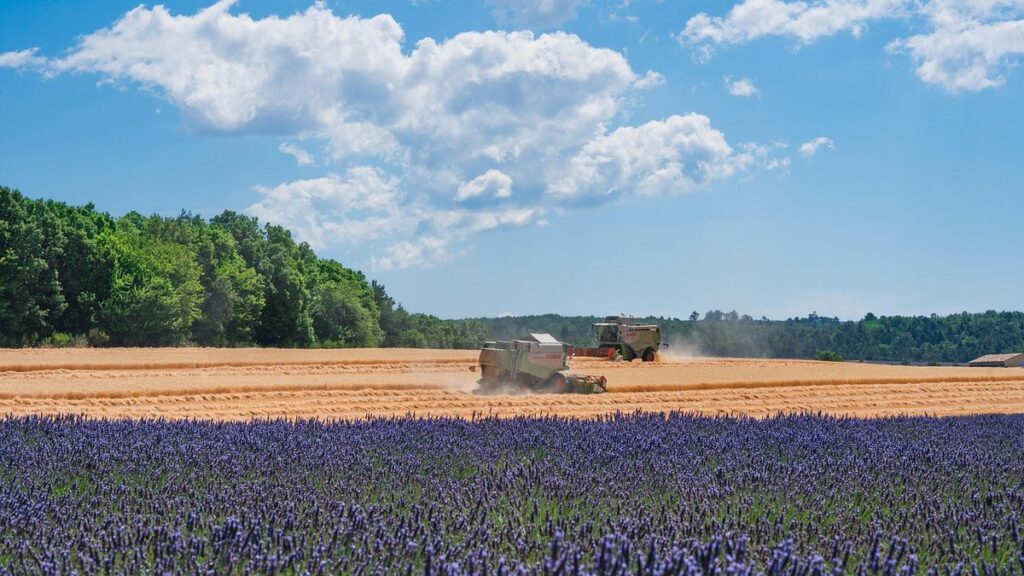
Preparing Your Lavender Field
Before you start harvesting, it’s essential to prepare your lavender field for a bountiful yield. This involves selecting the right varieties and creating an optimal growing environment for maximum blooms.
Choosing the Right Variety
When it comes to choosing the right variety of lavender for harvesting as bouquets, there are several options to consider. English lavender (Lavandula angustifolia) is a popular choice for its slender stems and delicate purple flowers that retain their fragrance well after drying. This variety is ideal for crafting loose bunches or sprigs for arrangements.
On the other hand, French lavender (Lavandula stoechas) boasts larger, more vibrant flowers with a stronger scent than English lavender. Its bushy growth habit makes it suitable for creating fuller bouquets or posies. However, its stems tend to be slightly woody and may require some trimming before use.
When selecting a variety, consider your desired fragrance level and the intended use of the dried blooms. If you prefer a lighter, sweeter scent, English lavender might be the better choice. For a stronger, more pungent aroma, French lavender is the way to go. Additionally, ensure that your chosen variety is suitable for your local climate and growing conditions to optimize its fragrance and overall performance.
Planting and Caring for Lavender
When planting and caring for lavender, it’s essential to get the basics right. This will ensure that you have a healthy and thriving field that produces an abundance of high-quality blooms perfect for harvesting.
To begin with, choose a location that receives full sun (at least six hours of direct sunlight) and has well-draining soil. Lavender is not tolerant of wet conditions, so avoid planting in areas where water tends to collect. Test your soil type and pH level before planting; lavender prefers slightly acidic to neutral soil.
Proper watering is also crucial. Water your lavender plants regularly during their first year, but reduce the frequency as they mature. Overwatering can lead to root rot and other issues that will impact the quality of your harvest. Mulch around the base of the plants to retain moisture and suppress weeds. By following these simple steps, you’ll be well on your way to creating a beautiful and bountiful lavender field.
Common mistakes to avoid include overfertilizing, which can promote weak growth and an increased risk of disease; and pruning too heavily, which can lead to reduced yields in subsequent years.
Determining Harvest Time
Determining when to harvest lavender for bouquets is crucial, as it affects the quality and longevity of your flowers. To ensure you pick at the perfect time, let’s dive into some key factors to consider.
Observing Bloom Patterns
Observing bloom patterns is crucial to determining when your lavender plants are ready for harvesting. This involves paying close attention to the flowers’ growth and development throughout the blooming season.
Start by monitoring the first buds that appear on the stems, usually around late spring or early summer. As the buds open into individual blooms, take note of their color, size, and shape. In general, lavender flowers are ready for harvesting when they’re in full bloom and the majority have reached their peak color intensity.
Weather conditions play a significant role in blooming times. Temperature fluctuations can cause the buds to drop or delay blooming altogether. For example, if it’s too hot during a prolonged period of time, the buds may fall off the stem prematurely. On the other hand, consistent cooler temperatures promote steady growth and blooming. Soil moisture levels also impact blooming, with well-drained soil typically producing more robust blooms.
Keep in mind that different lavender varieties have unique bloom patterns. Some types, like English lavender, tend to bloom earlier than others. Observing your specific variety’s pattern will help you pinpoint the optimal harvesting time.
Testing Stem Strength
When it comes to harvesting lavender for bouquets, testing the strength of the stems is crucial. You want to ensure that the stems can withstand handling and processing without breaking, which would compromise the overall appearance of your bouquet.
To test the strength of lavender stems, gently grasp them at different points along their length. This will help you determine if they are ready for cutting. Start by grasping a stem near the top, just below the flower head, and then work your way down to the base of the plant. If the stem feels brittle or snaps easily, it’s not yet ready for harvesting.
On the other hand, if the stem feels flexible and bends slightly before snapping, it’s likely strong enough for cutting. This is especially important when selecting stems for bouquets, as they will be handled multiple times during processing.
Remember to test several stems from different areas of the plant to get a sense of their overall strength. This will help you make an informed decision about when to harvest your lavender for optimal results.
Harvesting Techniques
Now that you’ve learned how to identify when lavender is ready for harvest, let’s dive into the best techniques for cutting and gathering your blooms.
Cutting vs. Pinching
When it comes to harvesting lavender for bouquets, you have two main techniques at your disposal: cutting and pinching. Both methods serve different purposes, and the choice between them largely depends on your desired outcome.
Cutting involves using scissors or pruning shears to snip off the entire stem, usually just above a node (the point where a leaf meets the stem). This method is ideal when you want to harvest an entire bunch of lavender at once. The benefits include being able to cut stems with buds that are already partially open, which can enhance their fragrance and appearance in your bouquets.
On the other hand, pinching involves removing individual buds from the plant using your fingers or a pair of forceps. This technique is better suited for harvesting individual blooms or for encouraging bushy growth by stimulating new stem production. When pinching, make clean cuts to prevent damage to the plant’s tender tissues.
Bundling and Trimming
Properly bundling and trimming harvested lavender stems is crucial to maintain their shape, size, and fragrance. To achieve this, start by gathering a few sprigs of lavender together with one hand, leaving about an inch of stem at the base of each flower head. Then, using your other hand, wrap a soft, padded wire (like floral wire) around the stems, just above the flowers. Secure it tightly to prevent any further damage.
For added support and stability, you can use twine or ribbon to tie the bunch together. However, be sure to avoid using elastic ties as they can cause the lavender to become dislodged over time. Instead, opt for a satin ribbon or a velvet strip that will complement your bouquet’s aesthetic while maintaining its structural integrity.
When trimming the stems, cut them at an angle to ensure maximum water uptake and prevent further damage to the stem. Use sharp pruning shears to make clean cuts, taking care not to bruise the delicate flowers or leaves.
Handling and Storage
Now that you’ve carefully harvested your lavender, it’s essential to handle and store it properly to preserve its beauty and fragrance for your bouquets. Let’s dive into the best practices for handling and storing your freshly cut lavender stems.
Drying Methods
When it comes to preserving the delicate beauty of lavender, drying is an essential step to ensure that your flowers remain vibrant and fragrant for a long time. There are several methods you can use to dry lavender, each with its own advantages and disadvantages.
Air-drying is one of the simplest and most cost-effective methods. Simply tie the stems in small bunches and hang them upside down in a warm, dry, dark place. The key to successful air-drying is to ensure good air circulation and minimal moisture. However, this method can take several weeks, depending on the humidity level.
Machine drying is a faster alternative, using heat to speed up the evaporation process. This method works well for larger quantities of lavender and can be done with a dehydrator or by spreading the flowers out in a single layer on a baking sheet. However, machine drying can sometimes cause the flowers to lose their color and fragrance.
For a more rustic, homemade approach, you can make potpourri using dried lavender. Simply mix the dried flowers with other fragrant ingredients like rose petals, orange peel, and spices, and store them in an airtight container. This method is perfect for adding a touch of lavender to your home decor or as a gift.
Ultimately, the choice of drying method depends on your personal preference, available resources, and desired outcome.
Storing Fresh Lavender
Once you’ve harvested your lavender, it’s essential to store it properly to maintain its quality and longevity. To do this, find a cool, dry place with minimal direct sunlight exposure. A basement or a shaded area is ideal, as these conditions will slow down the drying process and prevent moisture from accumulating.
To keep your freshly harvested lavender away from moisture, make sure it’s not exposed to humid environments. If you’re storing it in a room with high humidity, consider placing it on a tray or sheet of paper to allow air to circulate around the stems. This will help prevent moisture from getting trapped and causing damage.
You can also use a desiccant like silica gel to absorb any excess moisture in the area where you’re storing your lavender. Just place the desiccant near the lavender, and it’ll do its job in keeping the environment dry.
When storing your lavender, it’s essential to keep it away from direct sunlight, which can cause fading and drying out of the flowers. If possible, store it in a container or bag that allows for airflow to prevent moisture buildup.
Creating Beautiful Bouquets
Now that you’ve harvested your lavender, let’s focus on creating beautiful bouquets that showcase its lovely fragrance and charm. We’ll cover expert techniques for crafting gorgeous arrangements.
Design Considerations
When working with freshly harvested lavender, it’s essential to consider the design elements that will make your bouquets truly stunning. One key aspect is balancing different shapes and sizes of lavender. Incorporate a mix of large, statement blooms alongside smaller filler flowers or greenery to create visual interest.
Consider combining different types of lavender, such as ‘Hidcote’, ‘Munstead’, and ‘Grosso’, which offer varying shades of purple, blue, and pink hues. This will add depth and complexity to your arrangements. You can also experiment with pairing lavender with complementary flowers like roses, baby’s breath, or Queen Anne’s lace.
To create a cohesive look, group similar shapes and colors together within the bouquet. For example, cluster all the large blooms towards the center, while arranging smaller stems around the edges. Don’t be afraid to play with proportions – it’s not always about symmetry. Experiment with asymmetrical arrangements for a more relaxed, garden-fresh feel.
Tips for Longevity
To ensure that your beautiful lavender bouquet remains fresh and fragrant for a longer period, it’s essential to follow some simple yet crucial tips. First and foremost, change the water in the vase regularly. This might seem like an obvious step, but it’s often overlooked. As you cut the stems of the lavender flowers, they absorb water quickly, which can lead to bacterial growth. Fresh water helps maintain the purity of the water and prevents any potential contamination.
Next, keep your bouquet away from direct sunlight, as this can cause the flowers to wilt and lose their fragrance faster. East- or west-facing windows are ideal for showcasing your lavender arrangement. Additionally, maintain a safe distance from heat sources such as radiators, heaters, or fireplaces, as these can accelerate the drying process.
To preserve the lifespan of your bouquet, consider keeping it away from drafts and air conditioning vents. By following these simple care tips, you’ll be able to enjoy your stunning lavender arrangement for an extended period while still appreciating its lovely fragrance and beauty.
Common Issues and Solutions
As you begin harvesting lavender for bouquets, you may encounter some unexpected challenges. This section addresses common problems and their practical solutions to ensure a successful harvest.
Pest Control
Pests can be a significant issue when growing lavender for bouquets. Aphids and spider mites are two common pests that thrive on the delicate foliage of lavender plants. To identify aphid infestations, look for small, soft-bodied insects on the stems or leaves. Spider mites appear as tiny white spots on the underside of leaves.
To control these pests, use natural methods whenever possible. Start by pruning infested areas to prevent the spread of pests and promote healthy growth. For aphids, spray the plants with a forceful jet of water to dislodge them. You can also mix neem oil or insecticidal soap with water according to the product’s instructions and apply it to the affected area.
Spider mite infestations are more challenging to control. Increase air circulation around the plants by pruning nearby foliage, and spray the leaves with a mild dish soap solution to help dislodge the mites. Regularly inspect your lavender plants for signs of pests and take action promptly to prevent damage and maintain their quality for bouquet harvesting.
Disease Prevention
As you cultivate lavender for bouquets, it’s essential to be aware of common diseases that can affect this lovely herb. Root rot and leaf spot are two issues that can decimate a lavender crop if left unchecked.
To prevent root rot, ensure good drainage by planting lavender in well-draining soil with plenty of organic matter. Avoid overwatering, as excess moisture can cause roots to rot. Water your lavender plants deeply once or twice a week during hot summer months but allow the top inch of soil to dry out between waterings. Prune dead or damaged stems regularly to promote healthy growth and prevent disease.
Leaf spot is another common issue caused by fungal infections that thrive in humid conditions. To combat leaf spot, provide air circulation around your lavender plants by pruning them after they finish blooming. Remove any infected leaves, disinfect your pruners with a mixture of water and bleach between cuts, and avoid watering from above to prevent spread.
Regular monitoring and proper care can go a long way in preventing these diseases. Keep an eye out for symptoms like yellowing leaves or soft stems, and take swift action if you notice any issues.
Conclusion
Now that you’ve harvested your lavender, it’s time to put it to good use. Remember to handle the delicate stems with care, as they can bruise easily. If you’re planning to dry the lavender, make sure to hang it upside down in a warm, dry place, away from direct sunlight. This will help preserve its color and fragrance for years to come.
For those looking to create bouquets immediately, gently tie small bunches together with twine or ribbon. This will add a rustic touch to your arrangements and allow the lavender to be enjoyed fresh. With these simple steps, you’ll be well on your way to crafting beautiful lavender bouquets that capture the essence of this lovely herb. Take pride in knowing you’ve harvested and preserved your own lavender for your home and loved ones.
Frequently Asked Questions
How can I ensure the quality of my harvested lavender?
Ensure your harvesting tools are clean to avoid spreading disease, and choose fresh, fragrant stems with no signs of wilting or discoloration.
What if I encounter pests or diseases while growing lavender for bouquets?
Regularly inspect your plants for signs of infestation or infection, and address issues promptly by using integrated pest management techniques or applying organic fungicides as necessary.
Can I use fresh lavender in arrangements immediately after harvesting, or must it be dried first?
While you can use fresh lavender in arrangements, its fragrant oils may fade quickly. Drying methods like air-drying or using a desiccant help preserve the flowers and allow for longer vase life.
How do I know when to stop cutting my lavender stems to prevent over-harvesting and promote regrowth?
Cut only the mature flower stalks, leaving some foliage intact to ensure the plant’s energy is redirected towards new growth. Harvest no more than one-third of the stem length at a time to maintain healthy plant vigor.
Can I use dried lavender in potpourri blends or sachets for crafts, or does it need to be used solely as a fresh bouquet material?
Dried lavender retains its fragrance and is perfect for potpourri, sachets, or even crafting wreaths. You can also rehydrate dried lavender by soaking it in water or glycerin to revive its scent and appearance.