
Creating a front yard pollinator garden is one of the simplest and most effective ways to make a positive impact on your local ecosystem. By planting a diverse array of flowers, shrubs, and trees that provide nectar, pollen, and shelter for beneficial insects like bees, butterflies, and hummingbirds, you can become an essential stop on their migratory routes.
As we face increasing environmental challenges, supporting these vital pollinators is more crucial than ever. A well-designed front yard pollinator garden not only attracts beneficial wildlife but also adds beauty and value to your property. In this comprehensive guide, we’ll walk you through the process of planning, planting, and maintaining a thriving pollinator garden in your front yard, providing expert advice on choosing the right plants, designing an effective layout, and overcoming common challenges along the way.
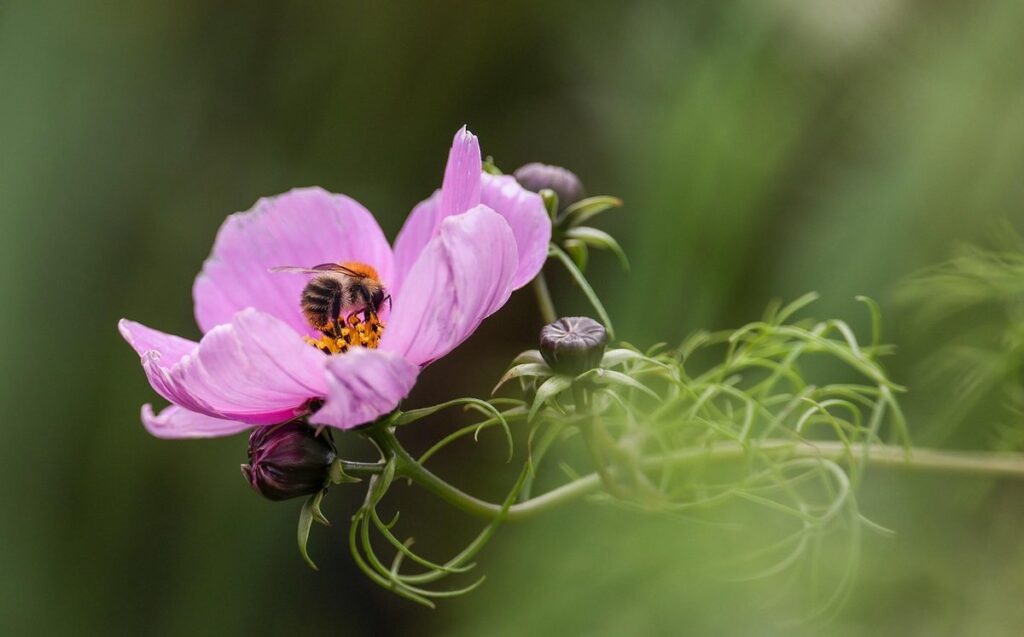
Planning Your Pollinator-Friendly Front Yard
When planning a pollinator-friendly front yard, it’s essential to consider the specific needs and preferences of your local pollinators, such as bees and butterflies. This section provides guidance on creating a welcoming habitat for these vital creatures.
Choosing the Right Location
When planning your pollinator-friendly front yard, one of the most crucial decisions you’ll make is choosing the right location for your garden. This may seem like a straightforward task, but it’s essential to consider several factors that will ensure the success and health of your pollinator garden.
Sunlight is a top priority when selecting a location. Pollinators like bees, butterflies, and hummingbirds need access to sunlight to perform their daily activities, so choose an area that receives at least six hours of direct sunlight per day. Consider the orientation of your yard, as south-facing areas tend to receive more sunlight than north-facing ones.
The soil type in your chosen location is also crucial. Pollinators thrive in well-draining soils with a mix of organic matter and nutrients. If your yard has poor drainage or heavy clay soil, consider creating raised beds or mounds to improve the growing conditions. Additionally, proximity to water sources is essential for pollinators, so make sure there’s a nearby source of fresh water for them to drink from.
When evaluating potential locations, take note of any nearby structures or obstacles that may impact your garden’s sunlight and accessibility. Ensure that you have sufficient space for your plants to grow and for pollinators to move around without obstruction.
Assessing Your Soil and Climate
When it comes to designing a pollinator-friendly front yard garden, understanding your soil and climate is crucial for selecting the right plants that will thrive in your environment. Let’s start with assessing your soil.
First, determine your soil’s pH level by using a DIY kit or sending a sample to a lab for analysis. Most native plants prefer slightly acidic to neutral soils (pH 6.0-7.0), but some pollinator-friendly flowers like sunflowers and zinnias can tolerate a wider pH range. You’ll also want to test your soil’s nutrient content, including nitrogen, phosphorus, potassium, and organic matter levels.
Next, evaluate your local climate and microclimate conditions that can affect plant growth. Consider the average temperature, rainfall, wind direction, and sunlight exposure in your area. Microclimates can be created by factors like nearby buildings, walls, or water features, which can impact soil moisture, temperature, and humidity levels. For example, a south-facing wall can create a warmer microclimate that’s perfect for Mediterranean plants. By understanding these conditions, you’ll be able to choose the right plants for your garden and ensure their success.
Setting Clear Goals and Budget
Before diving into the nitty-gritty of planting and designing your pollinator-friendly front yard, it’s essential to set clear goals and a realistic budget. This will help you create a cohesive and sustainable garden that attracts pollinators while fitting within your financial means.
Start by determining what kind of pollinator garden you want to create. Do you want to attract hummingbirds, bees, butterflies, or a mix of all three? Knowing your primary objective will guide your plant selection and design decisions.
Next, allocate a realistic budget for your project. Consider the cost of plants, soil amendments, irrigation systems, and any necessary infrastructure like raised beds or trellises. A general rule of thumb is to budget at least $500 to $1,000 for a small front yard garden (around 100-200 square feet).
Consider using native plants, which are often less expensive than non-native varieties and require less maintenance. You can also repurpose materials from your existing landscape or salvage items like old planters and trellises.
Lastly, prioritize needs over wants. Focus on the essential elements that will support pollinator health, such as food sources (flowers) and water features (like a shallow dish or birdbath). This will ensure your garden is functional and effective in supporting local pollinators.
Selecting Pollinator-Friendly Plants
When choosing plants for your pollinator garden, it’s essential to select a variety that will attract and sustain these vital creatures. This means opting for flowers that are rich in nectar and pollen.
Native Plant Species
Incorporating native plant species into your front yard pollinator garden is one of the most effective ways to attract and support local pollinators. These plants have evolved alongside the native pollinators, making them a perfect match for each other. One of the key benefits of using native plants is their natural resistance to pests and diseases. This reduces the need for pesticides, which can harm or kill pollinators.
Native plants also provide essential nutrients and shelter for pollinators, increasing their chances of survival. For example, bee balm (Monarda didyma) provides a rich source of nectar for bees, while coneflower (Echinacea spp.) offers a haven from predators. To get started with native plant selection, research the specific species that are native to your region and suitable for your climate.
When choosing plants, look for those that are low-maintenance and drought-tolerant, as these will require less water and care. Consider mixing native perennials, shrubs, and grasses together to create a diverse and resilient ecosystem.
Color Selection and Bloom Times
When selecting plants for your front yard pollinator garden, it’s essential to consider color selection and bloom times. By choosing a diverse range of species with different bloom periods, you’ll create a constant source of nectar and pollen throughout the growing season.
Imagine a garden where vibrant flowers burst into bloom in early spring, providing a feast for hungry bees and butterflies. As summer arrives, new blooms emerge, replacing those that have faded, ensuring a continuous supply of food for pollinators. To achieve this, focus on plants with varying bloom times, such as:
* Early-spring bloomers like crocuses, grape hyacinth, and winter aconite
* Mid-summer flowers like black-eyed Susans, coneflowers, and cosmos
* Late-blooming species like asters, chrysanthemums, and sedum
By combining these different bloom periods, you’ll create a garden that’s alive with pollinator activity throughout the growing season. This diversity will also attract a wider range of pollinators to your yard, providing essential support for local ecosystems.
Companion Planting for Success
When selecting pollinator-friendly plants for your front yard garden, consider incorporating companion planting techniques to create a thriving ecosystem. Companion planting is the practice of growing different plants together to enhance growth, reduce pests and diseases, and increase biodiversity.
Some examples of beneficial companions include marigolds repelling nematodes that can harm tomatoes, basil improving flavor and repelling aphids from lettuce, and nasturtiums attracting beneficial insects that prey on aphids. By pairing these plants strategically, you can create a harmonious relationship between species that promotes overall health and resilience.
To get started with companion planting in your pollinator garden, choose three to five plants that complement each other’s growing requirements. For example, plant sunflowers with beans or corn, as the tall stalks of sunflowers provide shade and support for climbing legumes. Research specific pairing recommendations for your climate and region to ensure compatibility.
By incorporating companion planting into your front yard pollinator garden design, you can create a resilient and diverse ecosystem that supports local pollinators while also providing beauty and functionality for your outdoor space.
Designing Your Pollinator Garden
Now that you have a solid understanding of pollinators and their needs, let’s dive into designing a thriving front yard garden tailored to their specific requirements.
Layered Plantings for Depth and Interest
When designing your pollinator garden, it’s essential to consider the concept of layered plantings. This technique involves strategically placing plants of varying heights and growth habits to create a visually appealing landscape that provides interest throughout the growing season.
To achieve this, start by planting tall perennials in the back of the bed, such as coneflowers or black-eyed Susans, which will provide a dramatic backdrop for the rest of your garden. Next, add mid-level plants like bee balm or catmint, which will add depth and texture to the space while attracting pollinators. Finally, incorporate shorter plants like creeping thyme or vinca minor in the front, which will spill over the edges and create a sense of movement.
This layered approach not only adds visual interest but also ensures that your garden remains attractive throughout the growing season, even as individual plants bloom and fade. By incorporating a mix of heights and growth habits, you’ll create a dynamic and engaging pollinator-friendly landscape that’s sure to delight both you and your local pollinators.
Incorporating Hardscaping Elements
When designing your front yard pollinator garden, it’s easy to get caught up in planning the beautiful blooms and vibrant foliage. However, don’t forget about the hardscaping elements that will bring functionality and charm to your outdoor space.
Pathways are a crucial aspect of any garden design, providing a clear route for visitors to navigate through the plants while minimizing soil compaction. Consider using materials like recycled brick, gravel, or decomposed granite that not only reduce maintenance but also provide habitat for beneficial insects. A meandering path made from bluestone pavers can create a serene ambiance and encourage exploration of the garden.
Benches and birdhouses are also essential hardscaping elements to incorporate into your pollinator garden design. Not only do they offer a comfortable spot to rest and observe the wildlife, but they also provide habitat for birds and other beneficial creatures. For example, you can install a birdhouse specifically designed for bluebirds or chickadees, which will attract these birds and their insect-eating habits to your garden.
By thoughtfully incorporating hardscaping elements into your pollinator garden design, you’ll create a space that not only attracts pollinators but also offers a functional and inviting atmosphere for both humans and wildlife.
Water Features for Attracting Pollinators
When designing your front yard pollinator garden, incorporating water features is an excellent way to attract and support pollinators. These creatures need a reliable source of water for drinking, bathing, and cooling their bodies on hot days.
A shallow dish or birdbath with fresh water and rocks or twigs for perching is an easy and effective addition to your garden. Change the water frequently to prevent mosquito breeding and ensure it remains clean. Consider using a solar-powered fountain, which not only attracts pollinators but also adds visual interest and soothing sound.
Native plants often thrive near water sources, such as cattails or irises, which can help maintain a healthy balance of moisture in your garden. Installing a rain barrel to collect and store rainwater for irrigation can be another beneficial feature. This reduces the need for tap water and provides an attractive nesting site for birds and other wildlife.
Incorporating a small pond or water feature with plants like cattails, irises, or daylilies will provide shelter, food, and water sources for pollinators. The edges of these features can be planted with native grasses or sedges to help maintain soil stability and prevent erosion.
Maintenance and Care of Your Pollinator Garden
Now that you’ve planted your pollinator garden, learn how to keep it thriving throughout the seasons by following our expert tips on maintenance and care.
Watering Strategies for Drought Tolerance
As you strive to create a thriving pollinator garden in your front yard, conserving water is crucial for its long-term health and drought tolerance. One effective technique for reducing water waste is rainwater harvesting. You can collect and store rainwater from your roof or downspouts using a barrel or cistern system. This stored rainwater can then be used to irrigate your plants during dry spells.
Another efficient watering strategy is drip irrigation. Instead of spraying water over the entire garden, drip irrigation delivers water directly to the roots of each plant through a network of tubes and emitters. This minimizes evaporation and runoff, making it an ideal choice for areas with low rainfall or high temperatures.
To implement these strategies in your pollinator garden, start by assessing your watering needs based on the specific plants you’ve chosen. For example, some native wildflowers may require more frequent watering than others. By monitoring their needs and adjusting your irrigation schedule accordingly, you can strike a balance between keeping your plants healthy and minimizing water waste.
Pest Management without Chemicals
As you nurture your pollinator garden, it’s essential to adopt effective pest management techniques that don’t harm the very creatures you’re trying to attract. Fortunately, there are many non-toxic methods for managing pests, allowing you to maintain a healthy and thriving garden.
One approach is to introduce natural predators into your garden ecosystem. For instance, ladybugs feed on aphids, while lacewings devour whiteflies and other soft-bodied insects. By attracting these beneficial insects, you can create a balanced environment where pests are kept under control without the need for chemical pesticides.
Physical barriers also play a crucial role in preventing damage to your plants. Fine mesh or fine-netted row covers can be used to keep pests like cabbage moths and flea beetles at bay. Simply drape these lightweight fabrics over your plants, securing them with rocks or stakes, and enjoy the protection they provide.
Remember, a diverse garden that incorporates a variety of plant species and microhabitats is more resilient to pest infestations. By incorporating these non-toxic methods into your maintenance routine, you’ll not only safeguard your pollinator garden but also promote biodiversity in your front yard ecosystem.
Seasonal Tasks for Continued Health
As you nurture your front yard pollinator garden, it’s essential to stay on top of seasonal tasks that will keep your garden thriving and support the health of your pollinators. These tasks are crucial for maintaining a balanced ecosystem and ensuring the long-term success of your garden.
In the spring, focus on deadheading spent blooms to encourage new growth and prevent seed production. Remove any winter debris or weeds that may have accumulated, making way for fresh growth. Divide and replant perennials as needed, taking care not to damage their root systems. This will help prevent overcrowding and ensure proper air circulation.
During the summer months, keep an eye out for pests like aphids, whiteflies, and spider mites. Use organic controls whenever possible, such as introducing beneficial insects or using neem oil. Regularly inspect your plants for signs of disease, treating promptly if necessary. Keep the soil consistently moist but not waterlogged, as this can lead to root rot.
In the fall, remove any dying flowers or foliage to maintain a clean and tidy appearance. Cut back perennials to about three inches from the ground to protect them from winter damage. Consider applying a layer of mulch to insulate the soil and retain moisture. By following these seasonal tasks, you’ll be well on your way to creating a thriving pollinator-friendly garden that will attract bees, butterflies, and other beneficial insects all year round.
Additional Tips and Considerations
As you plan your front yard pollinator garden, here are a few more things to consider that can make all the difference in attracting beneficial bees and butterflies. Don’t forget these crucial details!
Integrating Native Pollinators into Your Garden
Native pollinators are an essential component of a thriving front yard pollinator garden. To support these vital creatures, consider incorporating nesting sites into your design. Bees, for instance, require specific locations to lay their eggs and care for their young. By providing bee hotels or leaving undisturbed areas with natural cavities, you can help meet this need. Butterfly gardens also benefit from including host plants that provide food for caterpillars, as well as sheltered spots for adult butterflies to roost.
Incorporating native vegetation is another key strategy for supporting pollinators. Choose plants that are specific to your region and bloom at various times throughout the growing season to ensure a constant source of nectar and pollen. For example, in warm climates, plants like milkweed and coneflower provide essential resources for monarch butterflies.
When designing your garden, don’t forget about the ground itself. Mulch can help retain moisture and suppress weeds, reducing the need for herbicides that harm pollinators. Additionally, consider using rainwater collection systems to reduce water waste and minimize the impact on local ecosystems.
Monitoring and Recording Your Successes
Monitoring and recording your front yard pollinator garden’s performance is crucial to its success. By tracking key metrics, you’ll gain valuable insights into what works and what doesn’t, allowing you to make informed decisions for future improvements.
Start by observing plant growth, noting which species are thriving and which may need more support or attention. Record the dates of first blooms, peak flowering periods, and any signs of pests or diseases. This data will help you refine your garden design and maintenance routine over time.
Pollinator activity is also an essential metric to track. Keep a log of the types of pollinators visiting your garden, including bees, butterflies, and hummingbirds. Note their frequency and peak times for each species. This information can inform decisions about plant selection and placement, ensuring you’re attracting a diverse range of pollinators.
Regularly monitoring your garden’s performance will also help you identify areas where you can reduce waste and improve efficiency. For example, tracking water usage and rainfall patterns can help you optimize irrigation systems and make the most of natural resources.
Frequently Asked Questions
What are some key signs that my pollinator garden is thriving?
A thriving pollinator garden typically attracts a variety of beneficial insects, such as bees and butterflies, which can be observed visiting flowers throughout the growing season. Look for an increase in local wildlife visits during peak blooming periods. Monitor plant growth, bloom times, and pest management strategies to ensure your garden’s success.
How do I balance native plants with hardscaping elements in my pollinator garden?
To effectively integrate hardscaping elements into your pollinator garden, consider the specific needs of your local wildlife. Native plants provide essential food sources for pollinators, but incorporating hardscaping features can help control erosion and create sheltered areas for beneficial insects. Balance native plantings with strategic placement of hardscaping elements to achieve a harmonious balance between functionality and biodiversity.
What are some creative ways to repurpose existing materials in my pollinator garden?
Repurposing existing materials is an eco-friendly way to add visual interest and reduce waste in your pollinator garden. Consider upcycling old containers, repurposing brick or stone paths, or transforming wooden planters into beneficial insect habitats. These creative solutions can also help minimize the carbon footprint of your garden’s development.
Can I still attract pollinators if my front yard receives full sun to partial shade?
Yes. While some pollinator-friendly plants prefer full sun to partial shade, many species thrive in shaded areas, making it possible to create a diverse and welcoming habitat for beneficial insects even with varying sunlight conditions. Choose native plants that are adapted to your local climate and select companion plantings that complement the existing light conditions.
How can I maintain my pollinator garden during extreme weather events like droughts or heavy rainfall?
During severe weather conditions, focus on maintaining adequate watering levels to ensure plant survival. Install a rainwater harvesting system or use drought-tolerant plants to reduce water consumption. Implement erosion control measures and adjust hardscaping elements as needed to prevent damage from heavy rainfall or intense sunlight. Regularly monitor your garden’s progress to make informed decisions about necessary adaptations.