
Basil is one of those plants that can go from lush to leggy in no time. If you’re looking to keep your basil plants healthy and productive, pinching them back is an essential technique to master. By pinching or trimming off the top growth, you encourage your basil plant to focus its energy on producing more foliage and roots, resulting in bushier growth and a more bountiful harvest.
In this article, we’ll guide you through the process of pinching basil for bushier growth, covering everything from the right tools to use, to how often to pinch, and what to do afterwards. Whether you’re a seasoned gardener or just starting out, our expert tips will help you promote healthy growth and get the most out of your basil plants.
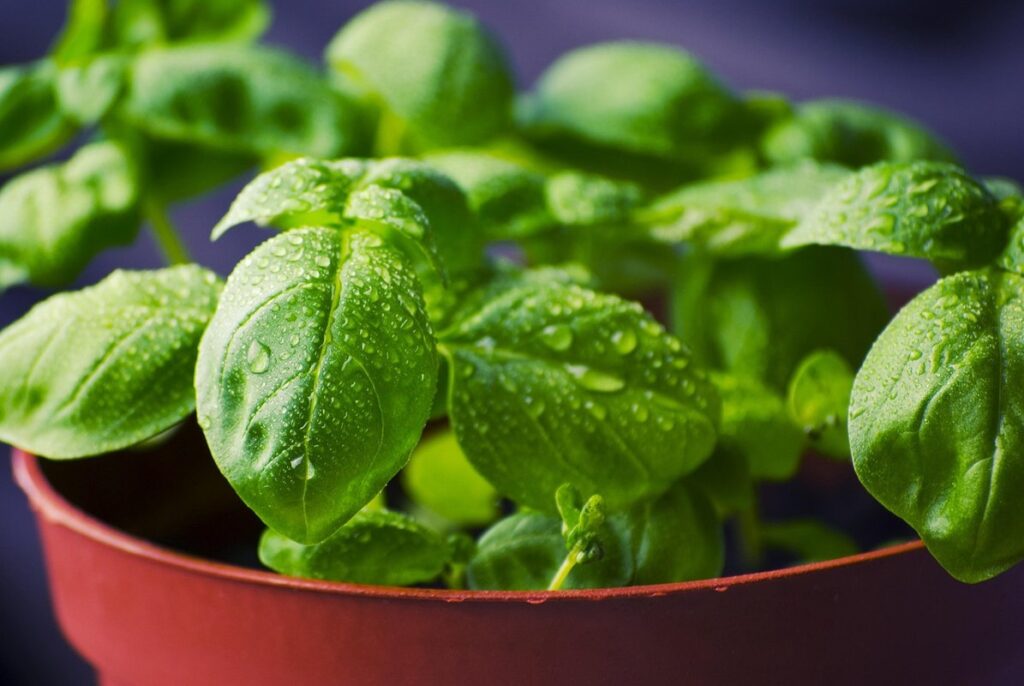
Understanding the Concept of Pinching
Pinching is a simple yet effective technique that stimulates basil growth by controlling stem length and encouraging bushy development. Let’s dive into the concept behind pinching to understand its benefits and applications.
Why Pinch Basil?
When you pinch basil, it may seem counterintuitive at first, but there are several compelling reasons why this technique is beneficial for the health and appearance of your plant. By pinching the growing tips of your basil, you’re essentially telling the plant to focus its energy on producing more leaves rather than flowers.
This encourages bushy growth, as the plant redirects its resources towards developing a fuller, more compact shape. As an added bonus, pinched basil plants tend to have deeper roots, which helps them absorb water and nutrients more efficiently. This is because the process of pinching stimulates the plant’s root system to grow stronger and more extensive in search of necessary sustenance.
By preventing the plant from flowering, you’re also extending its lifespan and promoting continued production of leaves for harvesting. With regular pinching, your basil plants can produce an abundance of fresh herbs throughout the growing season, making it easier to incorporate them into your cooking and recipes. Regular maintenance through pinching is key to achieving the desired bushy growth and optimal yields from your basil crop.
The Science Behind Pinching
When you pinch basil, you’re triggering a cascade of physiological responses that ultimately lead to bushier growth. This process begins with hormonal regulation, specifically the regulation of auxins and gibberellins. Auxins promote cell elongation, while gibberellins stimulate cell division. By pinching off the terminal bud, you’re removing the source of these hormones and causing the plant to redirect its energy towards lateral branching.
As a result, the stems below the pinch site begin to elongate, producing more nodes that will eventually produce new leaves and flowers. This is accompanied by an increase in cell division, particularly in the axillary buds, which are responsible for producing new growth. The increased cell division leads to a greater number of shoots emerging from each node, resulting in a fuller, bushier plant.
In essence, pinching basil is a form of pruning that not only controls its height but also stimulates lateral growth and increases yields. By understanding the science behind this process, you can use it to your advantage and grow more robust, productive basil plants.
Preparing Your Basil Plants for Pinching
Before pinching your basil plants, you’ll need to prepare them by making sure they’re healthy and ready for the process, which involves a few simple steps. Let’s take a closer look at how to do this correctly.
Choosing the Right Time to Pinch
When it comes to pinching basil plants for bushier growth, timing is everything. You’ll want to pinch at just the right moment to encourage your plant to focus its energy on producing more leaves and a fuller shape. Here are some key factors to consider when determining the best time to pinch your basil:
Consider the age of your plant – most varieties of basil start producing flowers around 6-8 weeks after sowing, which is a sign that they’re mature enough for pinching. If you notice flower buds forming on your plant, it’s likely due for a trim. Look for these signs: small white or purple flowers starting to emerge at the tips of stems.
Also take into account the growth stage of your basil – if it’s already reached its maximum height and is showing signs of stretching, pinching will help control its spread and encourage bushy growth. Check for a robust stem with plenty of leaves, but also watch out for any signs of nutrient deficiency or pests that may be affecting its development.
Lastly, don’t forget to consider your plant’s environmental conditions – if it’s been exposed to extreme temperatures, humidity fluctuations, or lack of light, pinching can help compensate for these stresses. In general, aim to pinch when the weather warms up and your basil has reached around 6-8 inches in height.
Tools of the Trade: What You Need to Pinch Basil
To pinch basil successfully, you’ll need a few essential tools and equipment. Pruning shears are ideal for pinching basil as they provide clean cuts and allow for precision control. Scissors can also be used, but may leave behind unsightly stems or leaves. Clippers, on the other hand, are often too large for delicate basil plants.
For optimal results, look for pruning shears with curved blades specifically designed for pinching herbs. These will make it easier to access and pinch individual buds without damaging surrounding foliage. If you’re using scissors, try to cut at a 45-degree angle to minimize waste and promote even growth.
Remember, sharp tools are crucial when working with basil as they reduce the risk of crushing or tearing delicate stems. Regularly clean your pruning shears with soap and water to prevent the spread of diseases. By investing in the right equipment, you’ll be well on your way to pinching your basil plants for bushier growth.
The Pinching Technique
Now that you know why pinching basil is essential, let’s dive into the specifics of how to pinch your plants for maximum bushy growth.
How to Pinch Individual Stems
When pinching individual stems from your basil plant, it’s essential to focus on proper technique to avoid damaging the delicate stem and surrounding foliage. To begin, locate a stem with at least two sets of leaves, as this will give you the best chance for successful regrowth.
Gently grasp the stem between your thumb and index finger, making sure not to squeeze too hard and cause damage. Locate the node just above the second set of leaves – this is where new growth will emerge. Using a pair of clean scissors or pinchers, carefully snip off the top two sets of leaves, leaving about one-quarter inch of stem intact.
As you’re pinching individual stems, it’s crucial to minimize waste by cutting close to the node. This not only encourages bushy growth but also preserves the plant’s energy by reducing the amount of water and nutrients wasted on damaged or dying foliage.
Pinching vs. Pruning: What’s the Difference?
When it comes to cultivating bushy and healthy basil plants, many gardeners get confused between pinching and pruning. While both techniques aim to control the plant’s growth, they have distinct effects on its shape, size, and overall health.
Pinching involves removing the top sets of leaves from the stem, usually just above a node (where a leaf meets the stem). This encourages the plant to grow new shoots from the removed node, resulting in a fuller, more compact bush. Pinching promotes basal growth, which leads to a more balanced and robust plant.
Pruning, on the other hand, is a more extensive process that involves cutting back stems to control their length or shape. Pruning can be used to correct leggy growth, remove dead or diseased branches, or promote root development. While pruning can help maintain a bushy appearance, it can also stress the plant if done too aggressively.
To illustrate the difference, consider this: pinching is like giving your basil plant a gentle haircut, while pruning is more like taking out a chunk of its hair with clippers. By understanding these distinct approaches, you’ll be better equipped to use them strategically in your own basil cultivation practice.
Post-Pinching Care and Maintenance
Now that you’ve pinched your basil, it’s time to ensure your newly formed plants thrive with proper post-pinching care. This includes tips on watering, pruning, and fertilizing for continued bushy growth.
Aftercare Instructions for Your Pinched Basil
After pinching your basil plants, it’s essential to provide them with proper care to ensure they continue to thrive. Watering is crucial during this period, as the plant will be diverting its energy towards producing new growth. Make sure the soil remains consistently moist but not waterlogged. Check the soil daily by sticking your finger into the soil up to the first knuckle; if it feels dry, it’s time to water.
As for fertilization, you can start with a balanced, water-soluble fertilizer (20-20-20) at half the recommended strength to avoid burning the roots. Apply this solution once a week to promote healthy growth and prevent any nutrient deficiencies. Keep in mind that over-fertilizing can lead to an abundance of foliage but hinder flower production.
Regular monitoring for pests is also necessary, as pinched basil plants are more susceptible to infestations. Inspect your plants regularly for signs of aphids, whiteflies, or spider mites. If you notice any issues, treat the affected areas promptly with insecticidal soap or neem oil to prevent the problem from spreading.
Remember that some stress is beneficial in this case, as it encourages the plant to produce new growth and bushy stems. However, if you notice any yellowing leaves or droopy stalks, it may be a sign of overwatering or root damage, which should be addressed immediately.
Encouraging New Growth: How to Promote Bushy Basil
Now that you’ve successfully pinched your basil plant to promote bushy growth, it’s essential to encourage new growth and maintain its shape. This is where post-pinching care and maintenance come into play.
To promote new growth, prune your pinched basil plant regularly, focusing on removing any weak or spindly growth. Prune back about one-third of the plant every week or two, making sure to cut just above a node (where a leaf meets the stem) to encourage branching. This will help direct the plant’s energy towards producing more leaves and stems, rather than flowering.
A consistent pruning schedule is crucial for maintaining your basil plant’s bushy shape. Aim to prune at the same time every week or two, so the plant becomes accustomed to regular trimming. Also, consider using the “topping” technique, where you remove the top set of leaves to encourage lateral growth and prevent the plant from flowering prematurely.
By following these post-pinching care tips, you’ll be rewarded with a lush, bushy basil plant that’s perfect for adding fresh flavor to your favorite dishes.
Common Mistakes to Avoid When Pinching Basil
When pinching basil, it’s easy to make mistakes that can hinder bushy growth. Let’s explore some of the most common errors to avoid for a lush and healthy basil plant.
Over-Pinching: A Common Pitfall to Avoid
Over-pinching can be a costly mistake when trying to encourage bushy growth in basil. While pinching is an essential technique for promoting branching and increasing yields, overdoing it can have serious consequences. When you remove too much of the plant’s foliage at once, you’re essentially stressing the plant, which can lead to stunted growth, reduced yields, and weakened overall health.
This is because the basil plant uses its leaves to produce energy through photosynthesis. If you remove too many leaves in one go, the plant will struggle to produce enough energy to sustain itself, let alone produce new growth. This can result in leggy stems, sparse foliage, and a significantly reduced harvest. To avoid over-pinching, it’s essential to be gentle and strategic with your pinching technique. Remove only the top set of leaves or pinch off the tips of the stems to encourage branching without stressing the plant. By being mindful of this delicate balance, you’ll be able to promote healthy, bushy growth in your basil plants while maximizing yields.
Under-Pinching: Its Effects on Plant Growth
Under-pinning can have severe consequences on basil plants, affecting their overall shape, root development, and productivity. When you don’t pinch regularly enough, the plant’s growth becomes unruly, leading to a leggy appearance with sparse foliage. This uneven development can make it challenging for sunlight to reach all parts of the plant, resulting in weak and spindly stems.
Furthermore, under-pinning can also hinder root development. Basil plants that are not pinched regularly tend to produce more vegetative growth, which diverts energy away from developing a robust root system. This can lead to reduced water uptake and nutrient absorption, making the plant more susceptible to disease and pests.
In extreme cases, inadequate pinching can result in lower productivity, including reduced leaf yield and flavor intensity. Regular pinching encourages bushy growth, promoting even distribution of resources throughout the plant, ensuring healthy and productive basil plants.
Conclusion
Now that we’ve walked through the process of pinching basil, let’s summarize what you can expect from your newly bushy plants. The conclusion will tie everything together for a successful harvest.
Recap of Key Takeaways
In this article, we’ve explored the benefits and techniques of pinching basil for bushier growth. By following these simple steps, you can promote healthy development, increase yields, and enjoy a more robust crop.
To recap, the key takeaways from our comprehensive guide are: pruning encourages lateral growth, promoting a fuller plant with more leaves; removing flower buds directs energy towards vegetative growth, leading to thicker stems and a more bushy appearance; regular pinching ensures even growth patterns, reducing the likelihood of leggy or bare spots.
In addition, we’ve discussed optimal timing for pinching – early on in the growing season when the plant has 2-3 sets of leaves, and again after flowering begins – and how to do it correctly, using clean scissors or pinch off new growth with your fingers. By incorporating these techniques into your basil care routine, you’ll be rewarded with a lush, vigorous crop that’s perfect for cooking, garnishing, or even propagating.
Remember, the next time you notice your basil plants starting to stretch upwards, give them a gentle pinch – your taste buds will thank you!
Final Tips and Recommendations
When implementing the pinching technique, remember that consistency is key. Pinch back your basil plant every 1-2 weeks to encourage bushy growth and prevent legginess. To avoid shocking the plant, do this during its morning or evening hours when it’s less stressed.
Keep an eye out for pests like aphids, whiteflies, or spider mites, which can thrive on weakened plants. Regularly inspect your basil for signs of infestation, such as curled or distorted leaves, sticky honeydew droplets, or actual insects on the plant. If you notice any issues, treat them promptly with organic or chemical pesticides, following the product’s instructions.
To maintain healthy plants, ensure they receive adequate light, water, and nutrients. Regularly fertilize your basil with a balanced fertilizer (10-10-10), taking care not to over-fertilize as this can cause more harm than good. Also, avoid over-watering, which can lead to root rot – a common issue in hydroponic or indoor gardens.
Monitor your plant’s temperature requirements: most varieties prefer daytime temperatures between 65-75°F (18-24°C) and nighttime temps around 55-65°F (13-18°C).
Frequently Asked Questions
Can I pinch basil too aggressively, or will it harm the plant?
Yes, pinching basil too aggressively can lead to stress on the plant. While some pruning is necessary for bushy growth, excessive pinching can result in weakened stems and reduced yields. Aiming for 1/3 to 1/2 of the top growth should be sufficient.
How long will it take to see noticeable results after pinching my basil?
Results from pinching may vary depending on factors such as plant health, environmental conditions, and frequency of pinching. Generally, you can expect to notice improvements in bushy growth within 1-3 weeks after implementing the technique consistently.
Will pinching affect the flavor or aroma of my basil?
No, pinching will not significantly impact the flavor or aroma of your basil. The essential oils responsible for its distinct taste and fragrance are produced in the leaves, which continue to thrive even after pinching.
Can I pinch my indoor basil plants during the winter months when they’re dormant?
While it’s technically possible to pinch indoor basil year-round, it’s essential to prioritize plant health during periods of dormancy or reduced growth. Pinch only when new growth appears, ensuring your basil receives adequate light and nutrients to support healthy development.
How do I handle pinched stems after the harvest? Should I prune them completely?
After harvesting a pinched stem, you can either trim it back to about 1 inch from the node (where the leaf meets the stem) or remove it entirely. This will encourage new growth from the nodes and promote bushy development.