
As fall sets in, your yard becomes a sea of golden, crimson, and amber hues. But amidst the beauty of autumn foliage, many of us struggle with the aftermath: leaves, leaves everywhere! Instead of bagging them up for the compost bin or worse, sending them to the landfill, why not turn this seasonal surplus into a valuable resource for your garden? Mulching leaves is a game-changer for any gardener looking to create a thriving soil ecosystem. Not only does it reduce waste and save you money on fertilizers, but it also provides essential nutrients, improves drainage, and suppresses weeds. In this article, we’ll explore the benefits of leaf mulching, share best practices, and offer tips for incorporating this simple yet powerful technique into your fall garden routine.
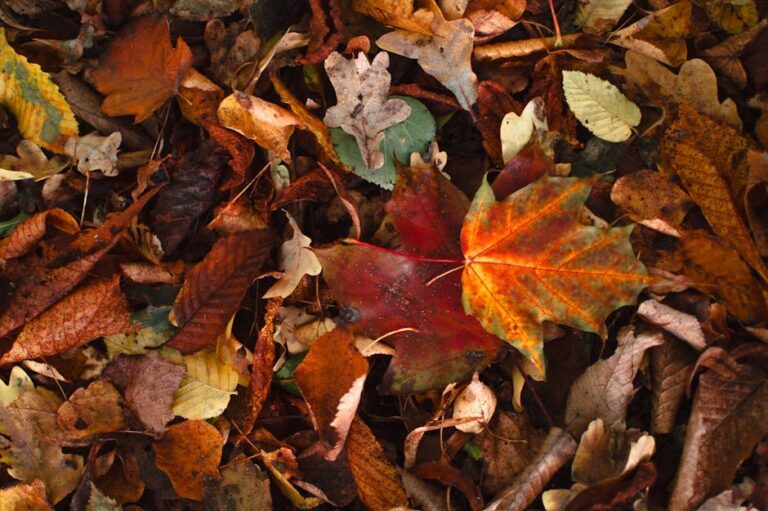
Why Mulch Leaves in the First Place?
You’re probably wondering why mulching leaves is a good idea in the first place. Let’s start by exploring some of the top reasons to use those fallen leaves as a valuable resource for your garden.
The Benefits of Leaf Mulching for Soil Health
Leaf mulch is often considered a byproduct of fall gardening, but it’s actually a valuable resource for improving soil health. As leaves break down, they release nutrients and microorganisms that enrich the soil, making it more fertile and supportive of plant growth. One way leaf mulch boosts fertility is through increased nutrient availability. As leaves decompose, their carbon-rich compounds mix with other soil organic matter, creating a perfect environment for beneficial microbes to thrive.
These microbes play a crucial role in breaking down nutrients, making them accessible to plants. For example, the nitrogen-fixing bacteria found in leaf mulch can convert atmospheric nitrogen into a form that’s easily absorbed by plant roots. Leaf mulch also improves water retention, reducing soil erosion and runoff while retaining moisture for longer periods.
In addition to these benefits, incorporating leaf mulch into your garden routine can help regulate soil pH levels and promote beneficial microbial activity.
How Leaf Mulch Affects Plant Growth and Development
Leaf mulch plays a vital role in promoting healthy plant growth patterns. As it decomposes, it releases essential nutrients that stimulate root development, leading to stronger and more extensive root systems. This improved root structure enables plants to absorb water and nutrients more efficiently, making them more resilient to drought and disease.
As the roots grow, so do the stems, becoming stronger and more robust. This increase in stem strength allows plants to support heavier loads of foliage, resulting in denser growth and a fuller appearance. In addition, leaf mulch helps regulate soil temperature, keeping it cooler during hot summer months and warmer during chilly winter periods.
The result is a lush, healthy plant with a robust root system, strong stems, and dense foliage. To maximize the benefits, apply a 2-3 inch layer of leaf mulch around your plants, keeping it several inches away from the stem to prevent rot. As the mulch breaks down, replenish it as needed to maintain an optimal depth and ensure continued plant growth.
Preparing Your Garden for Fall Leaf Mulching
Before you start raking up those fallen leaves, it’s essential to prepare your garden by clearing weeds and debris, creating a clean canvas for mulching. This process sets the stage for a successful leaf mulching project.
When to Start Collecting Leaves for Mulch
When it comes to collecting leaves for mulching, timing is everything. You’ll want to start gathering leaves when they’re at their peak volume and still fresh enough to decompose quickly. Typically, this begins around late October or early November, depending on the location and climate of your garden.
As a general rule of thumb, aim to collect leaves when about 50-75% of them have fallen from the trees. This allows you to take advantage of the maximum amount of leaf material while also preventing over-mulching. Keep in mind that decomposition rates can vary greatly depending on factors like moisture levels and temperature.
To optimize your leaf collection efforts, try to gather leaves when they’re still moist but not waterlogged. Avoid collecting wet or heavy leaves, as these will take longer to decompose and may become soggy or moldy if left too long in a pile.
As for the ideal time to mulch, aim to apply the leaf mixture within 2-3 weeks of collection. This allows the leaves to break down partially, reducing waste and creating a nutrient-rich soil amendment that will benefit your garden come springtime.
Creating a Leaf Collection System for Efficient Mulching
Creating an efficient leaf collection system is crucial for successful mulching. To start, you’ll need some essential tools like a lawn mower with a bag attachment, a leaf rake, and a tarp or large container for collecting leaves. Consider investing in a chipper shredder if you have a lot of yard space to manage.
When it comes to collection methods, there are several options to choose from. You can mow over the leaves with your lawn mower, which will chop them up into smaller pieces and collect them in the bag attachment. Alternatively, you can use a leaf rake to gather leaves by hand and deposit them into the tarp or container.
To optimize the collection process, consider these tips: separate leaves from other yard debris like twigs and branches; break down large clumps of leaves with your mower or a garden fork; and keep your tools clean and dry to prevent clogging. By implementing these strategies, you’ll be well on your way to collecting and processing leaves efficiently for mulching in the fall.
Types of Leaves Best Suited for Mulching
When it comes to mulching leaves, choosing the right types can make a big difference in the health and appearance of your garden. We’ll look at some top picks that are perfect for mulching.
Broadleaf vs. Needle-Leaf Trees: Which Make Better Mulch?
When it comes to mulching leaves from trees, two main categories emerge: broadleaf and needle-leaf. Understanding their differences is crucial for selecting the best material for your garden.
Broadleaf trees, such as oaks and maples, have wider leaves with a flat base. They tend to have more complex leaf structures, which can lead to a thicker, richer mulch. This composition breaks down slowly, providing an extended release of nutrients as it decomposes. The resulting mulch is ideal for acidic soils and retains moisture well.
Needle-leaf trees, including pines and spruces, have needle-like leaves with a pointed tip. Their foliage is typically more uniform in texture and tends to create a lighter, faster-decomposing mulch. This material is better suited for alkaline soils and drains quickly, making it suitable for areas prone to waterlogging.
Consider the specific needs of your garden when selecting between broadleaf and needle-leaf tree leaves. If you have acidic or moist soil, broadleaf may be the better choice. However, if your soil is more alkaline or well-draining, needle-leaf could be a more suitable option.
Tips for Identifying Suitable Trees for Leaf Mulch
When it comes to identifying suitable trees for leaf mulch, there are several factors to consider. First and foremost, look for trees with healthy leaves that are free from pests and diseases. Diseased or damaged leaves can harbor pathogens that can spread to other plants when they break down.
Consider the type of tree as well. Some trees, like oak and maple, produce leaves that are rich in nutrients and make excellent mulch. Others, like pine and spruce, may produce needles that are too acidic for use as mulch. Think about the potential allergens produced by certain trees as well. For example, trees with high pollen counts can exacerbate seasonal allergies.
Before harvesting leaves from a tree, take a closer look at the surrounding area. Are there any nearby gardens or flower beds that could be affected by the leaf mulch? Check for any local regulations regarding leaf collection and composting as well. By taking these factors into consideration, you can ensure that your leaf mulch is not only effective but also environmentally friendly.
How to Mulch Leaves in Your Garden
When it comes time to collect and use your fallen leaves, mulching them is a great way to add nutrients back into your soil while reducing waste. Let’s go over how to do it effectively.
Techniques for Leaf Mulching: Chipping, Mowing, or Composting?
When it comes to processing leaves into mulch, you have several techniques at your disposal. Three popular methods are chipping, mowing, and composting – each with its own set of advantages and disadvantages.
Chipping involves using a chipper or a lawn mower to break down large leaves into smaller pieces. This method is ideal for small gardens and is often the quickest way to create leaf mulch. However, it can be noisy and requires regular maintenance to keep your equipment in good working order.
Mowing your leaves with a standard lawn mower is another option. Simply mow over the leaves several times until they’re finely chopped. This method is easy to do and doesn’t require additional equipment, but it may not break down the leaves as efficiently as chipping or composting.
Composting is the most environmentally friendly method of leaf mulching. By allowing the leaves to decompose naturally, you’ll create a nutrient-rich soil amendment that’s perfect for your garden. This process can take several months to a year, depending on factors like temperature and moisture levels.
Ultimately, the best method for you will depend on your specific needs and preferences. If you have limited space or want quick results, chipping may be the way to go. However, if you’re looking for an eco-friendly solution that provides long-term benefits for your soil, composting is worth considering.
Tips for Applying Leaf Mulch Effectively
When applying leaf mulch effectively, it’s essential to consider several factors to reap its benefits. Start by determining the right layer thickness – a general rule of thumb is to apply 2-3 inches of mulch. This will provide adequate coverage without overwhelming the soil.
As you spread the mulch, keep in mind that it should cover about 50% of the area where leaves are accumulated. Leave some space for air circulation and easy maintenance access. Consider dividing larger areas into smaller sections to maintain even coverage.
Also, be aware that leaf mulch can have a slight impact on soil pH over time. As organic matter decomposes, it releases acidic compounds that can lower the soil’s pH level. However, this effect is typically minimal and usually occurs gradually. If you’re concerned about your garden’s specific needs, consider conducting a soil test before applying large quantities of leaf mulch.
When covering a 10×10 foot bed with 2-3 inches of mulch, for example, it’s a good idea to weigh the benefits against any potential pH changes.
Managing Leaf Mulch Over Time
As your leaf mulch builds up over time, you’ll need to regularly replenish it and break down thick layers to maintain a healthy soil ecosystem. This section shares expert tips on managing your mulch effectively.
How Long Does Leaf Mulch Last?
The lifespan of leaf mulch can vary significantly depending on several factors. Generally, a well-maintained layer of leaf mulch can last anywhere from 6 to 12 months before it starts to break down and lose its effectiveness. However, this timeframe can be influenced by the thickness of the mulch layer, soil conditions, climate, and the type of plants being grown in the garden.
Thicker layers of mulch tend to last longer than thinner ones, as they take longer to decompose. In a typical fall garden setting, a 3-4 inch layer of leaf mulch is ideal for retaining moisture and suppressing weeds. However, if the layer is too thin or exposed to heavy rainfall, it may start to break down more quickly.
Signs that your leaf mulch needs replenishment or replacement include a noticeable decline in its thickness, increased weed growth, and soil that feels dry to the touch. Regular monitoring of the mulch layer can help you determine when it’s time for replenishment or replacement.
Strategies for Maintaining Optimal Mulching Conditions
To maintain optimal mulching conditions, it’s essential to monitor moisture levels. Check the mulch regularly by inserting a finger into the mulched area up to the knuckle. If the soil feels dry, it’s time to add more water. Conversely, if it’s too wet, you may need to aerate or remove excess mulch.
Monitoring nutrient availability is also crucial. As leaves break down, they release nutrients back into the soil. However, over time, these nutrients can be depleted. To replenish them, consider adding a balanced fertilizer at the recommended rate during the growing season.
Another strategy is to maintain a consistent layer of mulch, typically 2-3 inches deep. This depth allows for adequate moisture retention while preventing excessive heat buildup. Regularly inspect your mulched areas and replenish as needed to ensure continuous benefits from leaf mulching.
Keep in mind that mulch can sometimes be too dense, which may hinder root growth or water penetration. If you notice this issue, consider incorporating organic matter like compost or well-rotted manure to improve soil structure and drainage.
Frequently Asked Questions
How do I know if my leaves are ready to mulch?
Once your leaves have decomposed and lost their bright colors, they’re typically ready for mulching. You can also check by breaking a leaf in half; if it crumbles easily, it’s ready to use as mulch.
Can I mix different types of leaves with each other when mulching?
Yes, you can combine different types of leaves, like oak and maple, but it’s best to stick to similar leaf sizes and textures. Mixing too many varieties might lead to uneven decomposition or weed growth.
How often should I reapply leaf mulch in my garden beds?
Reapply leaf mulch annually, ideally after new spring growth begins. This ensures the continued health of your soil and plants, as well as maintains optimal moisture levels.
What’s the best way to incorporate leaf mulch into existing perennials?
Dig a shallow trench around your perennials before applying a 2-3 inch layer of leaf mulch. This will help prevent any potential competition for water or nutrients between the mulch and plants.
Can I use leaf mulch in areas with poor drainage, such as low spots in my lawn?
No, it’s not recommended to apply leaf mulch in areas with already poor drainage, as it can exacerbate moisture issues. Instead, create a shallow drain trench before applying mulch to improve water flow and prevent erosion.