
Are you ready to get growing? If you’re like many gardeners, you’ve probably encountered the frustration of waiting weeks for your pepper seeds to germinate. But what if I told you there’s a way to speed up this process and give yourself a head start on a bountiful harvest? Optimizing the conditions for pepper seed germination is crucial for healthy seedlings and a successful crop. In this article, we’ll explore expert-approved techniques to accelerate pepper seed germination, from fine-tuning temperature and watering conditions to using plant growth regulators that promote rapid growth. Whether you’re a seasoned gardener or just starting out, these tips will help you get your pepper seeds off to a flying start and on the path to a thriving harvest. Let’s dive in!
Understanding Pepper Seed Germination
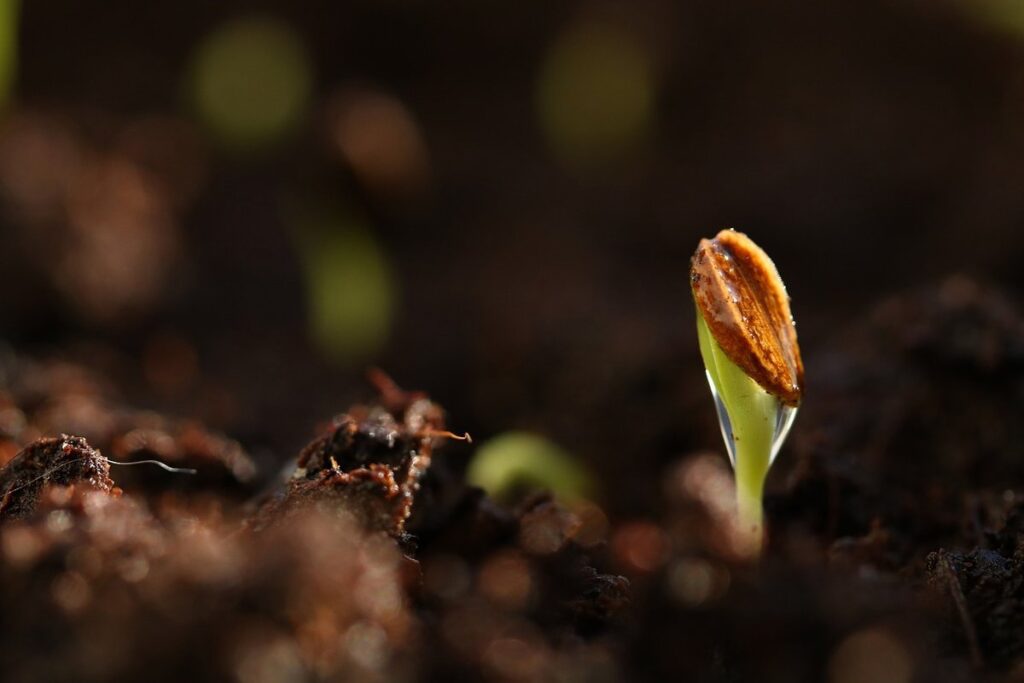
Now that you know why pepper seeds can be tricky to germinate, let’s dive into the process of understanding how they germinate and what factors affect their growth.
Factors Affecting Germination Speed
Pepper seed germination speed can be influenced by several key factors. The quality of the seeds themselves plays a significant role, with newer seeds generally having faster germination rates than older ones. This is because seeds have a limited shelf life and can degrade over time due to exposure to heat, light, or moisture.
Storage conditions also impact germination speed. Seeds stored in cool, dry places tend to germinate faster than those exposed to high temperatures or humidity. It’s essential to keep your pepper seed packets away from direct sunlight and maintain a consistent temperature between 40°F to 70°F (4°C to 21°C).
Handling techniques can also affect germination rates. Seeds should be handled gently to avoid damaging the delicate embryo inside. Avoid touching the seeds excessively, as oils from human skin can inhibit germination.
Genetics also play a significant role in determining germination rates, with some pepper varieties naturally having faster or slower germination times than others. When choosing seeds, consider selecting varieties known for their quick germination, such as ‘Early Jalapeño’ or ‘Sweet Baby Bell’.
Preparing Pepper Seeds for Germination
To successfully germinate pepper seeds, it’s essential to prepare them properly before planting. Start by selecting high-quality seeds that are suitable for your climate and the type of peppers you want to grow.
Begin by gently cleaning the seeds with a soft brush or cotton swab to remove any debris or impurities. This will help ensure even moisture distribution and prevent fungal growth. Next, disinfect the seeds in a solution of 1 tablespoon of bleach per gallon of water for about 10-15 minutes. This step is crucial in eliminating bacteria and fungi that can hinder germination.
If your seeds are particularly old or have a hard outer layer, you may need to scarify them. Use a nail file or sandpaper to lightly scratch the surface of the seed, creating small scratches or abrasions. This will help water penetrate the seed coat more easily. However, be cautious not to damage the embryo within. Once your seeds are prepared, they’re ready for germination in a controlled environment like a greenhouse or indoor grow space.
Optimizing Watering Conditions
To germinate pepper seeds faster, it’s essential that you get their watering conditions just right. This section will walk you through the optimal moisture levels and techniques to promote healthy germination.
The Importance of Consistent Moisture
Maintaining consistent moisture levels is crucial for successful pepper seed germination. This process is often overlooked, but it plays a significant role in determining the health and vigor of your seedlings.
When you water your soil mix, make sure to water thoroughly until the excess moisture drips from the bottom of the pot. However, avoid overwatering, which can lead to fungal growth and poor air circulation. A well-draining soil mix is essential for this purpose, as it allows excess moisture to escape while retaining just enough to keep the seeds hydrated.
To achieve consistent moisture levels, implement a watering schedule that suits your environment’s climate and humidity. Water your pepper seeds when the top 1-2 inches of soil feels dry to the touch. For most homes, this is typically once or twice a day, depending on temperature and light exposure.
Monitor your seedlings’ progress by checking for signs of moisture stress, such as wilting or yellowing leaves. Adjust your watering schedule accordingly to ensure that your seeds receive just the right amount of water.
Avoiding Overwatering and Underwatering
When it comes to germinating pepper seeds, getting the watering conditions just right is crucial for optimal growth. Two common mistakes that can hinder seedling development are overwatering and underwatering.
Overwatering can be detrimental to pepper seeds as it leads to an increased risk of fungal diseases, such as damping off. This occurs when excess moisture accumulates in the soil, creating a conducive environment for pathogens to thrive. To avoid this, make sure not to water your seeds more than once or twice a day, and ensure that the soil isn’t too wet to the touch.
On the other hand, underwatering can also be problematic as it causes the seedling to become stressed. This stress response often results in weak, spindly growth or even failure to germinate altogether. So, how can you strike the perfect balance? Check the soil daily by inserting your finger into the soil up to the first knuckle. If the soil feels dry at this point, it’s time for a drink.
Watering pepper seeds requires patience and finesse. By being mindful of these potential pitfalls and adjusting your watering schedule accordingly, you’ll be well on your way to successful germination.
Providing Suitable Temperature Conditions
To ensure optimal germination, you’ll need to create a warm and cozy environment for your pepper seeds, which involves controlling the temperature just right. This is where a suitable temperature comes into play.
The Ideal Temperature Range for Pepper Seeds
When it comes to germinating pepper seeds, temperature plays a crucial role. The ideal temperature range for pepper seed germination is between 75°F (24°C) and 85°F (29°C). However, this optimal range can vary depending on the specific variety of pepper you’re growing.
For most sweet pepper varieties, a soil temperature of around 80°F (27°C) is ideal. For hot peppers, like jalapenos or habaneros, slightly cooler temperatures between 75°F (24°C) and 78°F (25°C) are preferred. It’s essential to note that ambient temperature can also affect seed germination.
When starting pepper seeds indoors, it’s best to maintain a consistent soil temperature by placing the container in a warm location or using a heating mat. If you’re sowing seeds directly into the garden, ensure the soil is at least 70°F (21°C) for optimal germination. Keep in mind that excessive heat above 90°F (32°C) can lead to poor seed germination and potentially damage the delicate seedling roots.
Using Heat Mats or Greenhouses for Enhanced Germination
If you’re struggling to provide the ideal temperature conditions for pepper seed germination, consider using alternative methods like heat mats or greenhouses. These solutions can significantly accelerate seed germination and give you a head start on growing healthy peppers.
Heat mats are designed specifically for seed starting and work by warming the soil to an optimal temperature range of around 80-90°F (27-32°C). This is particularly useful if you’re short on space or don’t have access to a heated propagation area. By placing the heat mat under your seed tray, you can ensure that the seeds receive the right amount of warmth to initiate germination.
Greenhouses offer an even more controlled environment for pepper seed germination. These structures are designed to maintain optimal temperature and humidity levels, creating an ideal space for seed starting. You can use a mini greenhouse or a dedicated propagation area within your existing greenhouse setup to provide the necessary conditions for rapid seed germination.
Enhancing Germination with Additional Techniques
To take your pepper seed germination to the next level, we’ll explore some additional techniques that can help improve success rates and speed up growth. Let’s dive into these innovative methods together!
Using Grow Lights or LED Lamps
When it comes to germinating pepper seeds faster, using grow lights or LED lamps can be a game-changer. These artificial light sources can supplement natural light, providing the optimal spectrum and intensity for seed germination.
One key benefit of using grow lights is that they offer precise control over the spectrum emitted. Pepper seeds respond best to blue and red light, which promotes healthy growth and root development. Look for LED lamps or grow lights with a balanced spectrum (around 400-700nm) that mimics natural daylight.
When choosing a grow light, consider its intensity, measured in lumens per watt (lm/W). A higher lm/W rating indicates a more efficient light source. For pepper seeds, a moderate to high intensity (around 20-50 umol/s) is recommended. Keep the light source at a safe distance from the seeds (about 6-12 inches) to prevent overheating.
A typical usage duration for grow lights during germination is around 14-16 hours per day. This mimics natural daylight patterns and provides the necessary energy for seed germination. Monitor your seedlings closely, adjusting light intensity and duration as needed. By incorporating a grow light or LED lamp into your setup, you can accelerate pepper seed germination and set yourself up for success in growing healthy, productive plants.
Stimulating Hormone Production with Plant Growth Regulators
Plant growth regulators (PGRs) play a crucial role in stimulating hormone production, which can significantly enhance seed germination speed and vigor. These chemical compounds mimic the natural hormones produced by plants to promote growth and development. When applied to pepper seeds, PGRs like gibberellins and cytokinins stimulate the production of auxins, abscisic acid, and ethylene, all of which are essential for seed germination.
For example, gibberellins can break dormancy in seeds by promoting cell elongation and expansion. Cytokinins, on the other hand, enhance root growth and development, ensuring that the seedling has a strong foundation to support its growth. By stimulating hormone production, PGRs can reduce the time it takes for pepper seeds to germinate.
To incorporate PGRs into your germination process, start by applying a small amount of gibberellin or cytokinin solution (typically 1-5 ppm) to the seed starting mix when sowing the seeds. Keep in mind that overuse can be detrimental, so it’s essential to follow the recommended dosages and guidelines for each specific PGR.
Monitoring and Maintaining a Clean Environment
Once you’ve successfully germinated your pepper seeds, maintaining a clean environment is crucial to prevent mold and fungus from taking over. Regular monitoring of temperature, humidity, and light conditions will help ensure optimal growth.
The Importance of Sanitation During Germination
Maintaining a clean environment is crucial during germination, as it prevents contamination and promotes healthy seedling growth. Contamination can occur through airborne pathogens, such as fungi and bacteria, which thrive in humid environments. This can lead to root rot, damping-off, and other diseases that hinder seedling development.
To avoid contamination, make sure your workspace is clean and dust-free before starting the germination process. Use a sterile seed tray or container, and cover it with a clear plastic bag to maintain humidity while allowing for airflow. Change the water in the tray every 2-3 days to prevent bacterial growth. You can also use a propagation mat to provide optimal temperature conditions (around 75-85°F) and promote faster germination.
Keep your hands clean by washing them thoroughly before handling seeds or seedlings. Remove any visible debris from the seeds, and gently sow them on the surface of the growing medium. Avoid overcrowding the tray, as this can lead to increased moisture retention and encourage fungal growth. By maintaining a clean environment and following proper germination techniques, you’ll be well on your way to promoting healthy seedling growth and faster germination.
Regularly Inspecting Seeds for Signs of Germination
Regularly inspecting seeds for signs of germination is crucial to ensure they’re developing as expected. Check on them daily, especially during the first week when the most significant growth occurs.
Look for radicle emergence: a small white root that protrudes from the seed coat. Optimal conditions for this are temperatures between 70°F and 80°F (21°C to 27°C) and high humidity. Seeds usually sprout within 7-10 days under these conditions.
For leaf development, check for tiny green shoots emerging from the soil. This indicates the seed has broken dormancy and is now photosynthesizing. Keep in mind that pepper seeds may take a bit longer than other varieties to develop leaves due to their slower growth rate.
To inspect your seeds effectively, ensure the growing medium isn’t too dense or compacted. You want to be able to easily see the developing roots without having to disturb them. Make it a habit to gently water and loosen the soil around each seed daily, allowing for optimal air exchange and moisture penetration.
Common Challenges and Troubleshooting
We know that even with the best methods, pepper seed germination can go awry. This is where you’ll find troubleshooting tips to get your seeds sprouting in no time.
Identifying and Addressing Germination Delays or Failures
Germination delays or failures can be frustrating and time-consuming. To address these issues, it’s essential to identify their causes first. One common reason for germination delays is inconsistent moisture levels. If the soil is too dry or too wet, pepper seeds may struggle to sprout. Check your seed tray or potting mix for the right consistency – it should be moist but not waterlogged.
Another potential cause of germination failures is inadequate temperature control. Pepper seeds typically require a warm environment with temperatures ranging from 75°F to 85°F (24°C to 29°C) during germination. If your growing space is too cold or too hot, this can slow down or prevent seed germination altogether.
To troubleshoot these issues, you can try increasing the temperature in your growing space or adjusting the watering schedule. It’s also crucial to use high-quality pepper seeds that are fresh and suitable for your region. By addressing these potential causes of germination delays and failures, you’ll be well on your way to successfully germinating your pepper seeds.
Strategies for Overcoming Seed Quality Issues
When dealing with seed quality issues, it’s essential to address them proactively. One of the most effective ways to overcome poor seed germination rates is by selecting high-quality seeds from reputable suppliers. Look for suppliers that specialize in pepper seeds and have a good reputation among gardeners.
Another strategy is using seed priming techniques. This involves soaking the seeds in water or a special solution before planting, which can help break dormancy and improve germination rates. For example, you can try a 24-hour soak in a mixture of water and gibberellic acid, a plant hormone that promotes cell growth.
If you’re still experiencing issues with seed quality, consider exploring alternative suppliers. Some companies specialize in selling seeds from open-pollinated or heirloom varieties, which may have better germination rates than hybrids. Additionally, online marketplaces like Seed Savers Exchange and Baker Creek Heirloom Seeds offer a wide selection of pepper seeds from trusted growers.
To ensure you’re getting high-quality seeds, inspect them carefully before planting. Look for signs of mold, rot, or insect damage, and discard any suspect seeds. By taking these steps, you can overcome seed quality issues and improve your chances of successful germination.
Frequently Asked Questions
What if I have limited space to germinate my pepper seeds? Can I still use heat mats or greenhouses?
Yes, you can use heat mats or greenhouses even with limited space. Consider using compact or vertical growing systems that make the most of your available space while maintaining optimal temperature conditions for germination.
How often should I check on my pepper seeds for signs of germination? Will I be wasting time if I inspect them too frequently?
Inspect your pepper seeds regularly, ideally every 1-2 days. While it’s true you might miss a seed or two, this frequency helps catch any potential issues early and avoid losing more seeds to germination failures.
What happens if my seeds are old and have slower germination rates? Should I expect lower yields?
Older seeds may indeed take longer to germinate, but they shouldn’t affect the yield significantly. Focus on optimizing your environment and providing suitable conditions for the seeds you have. New seed packets with fresh inventory often provide better results.
Can I use any type of light for growing pepper seeds? What’s wrong with using regular household bulbs?
While household bulbs are not as intense or specialized, they can still work in a pinch. However, for optimal growth and germination rates, it’s best to invest in LED grow lights specifically designed for plant growth. These provide the necessary spectrum without over-heating your environment.
Are there any risks associated with using plant growth regulators? Can I use them with all pepper seed varieties?
While beneficial in stimulating hormone production, some plant growth regulators can be too aggressive and potentially harm certain seed varieties. Always research specific products compatible with your chosen pepper seeds to ensure you’re promoting healthy, balanced growth rather than stressing the plants unnecessarily.