
When it comes to growing carrots, we often face one major challenge: hot weather. High temperatures can make it difficult for these sensitive roots to germinate and establish themselves in the soil. As a gardener, you know how frustrating it can be to watch your carrot seeds fail to sprout or grow weakly due to extreme heat. But don’t worry – with some expert-approved strategies, you can overcome hot weather challenges and enjoy a bountiful harvest of crunchy, delicious carrots. In this article, we’ll share our top tips for boosting carrot germination success rates in hot weather. We’ll cover everything from selecting heat-tolerant varieties to regulating soil temperature and maintaining consistent moisture levels – so whether you’re a seasoned gardener or just starting out, keep reading!
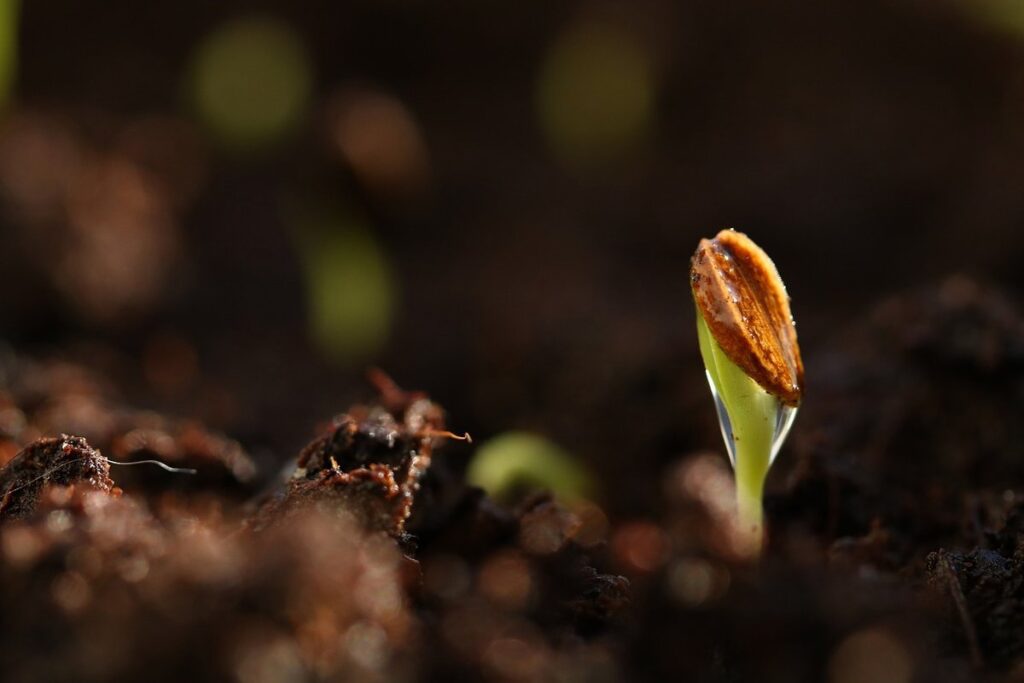
Understanding Carrot Germination and Hot Weather Challenges
When it comes to getting your carrots off to a great start, understanding how heat affects germination is key. Let’s break down what you need to know about hot weather challenges.
Factors Affecting Carrot Germination in Hot Weather
When seeds germinate in hot weather, several factors come into play that can impact carrot germination rates. One of the primary concerns is high temperatures. Carrot seeds typically prefer cooler conditions, around 70°F to 85°F (21°C to 30°C), for optimal germination. However, when the temperature exceeds 90°F (32°C), it can slow down or even prevent seed germination altogether.
Humidity also plays a crucial role in carrot germination. Excessive moisture can lead to fungal growth and waterlogged soil, which is detrimental to seeds. On the other hand, dry conditions can cause seeds to shrivel up and fail to sprout. As such, maintaining optimal humidity levels is essential for successful germination.
Sunlight exposure can also affect carrot germination in hot weather. Direct sunlight can scorch the delicate seeds, causing them to fail to germinate. To mitigate this issue, consider providing shade or using row covers to filter out intense sunlight. By controlling these environmental factors, you can increase your chances of achieving successful carrot germination rates in hot weather conditions.
Common Mistakes to Avoid When Planting Carrots in Hot Weather
When planting carrots in hot weather, it’s easy to fall into common traps that can hinder their germination and growth. One of the most critical mistakes is inadequate soil preparation. Carrots prefer well-draining, loose soil with a pH between 6.0 and 7.0. However, if your soil is compacted or heavy clay, it can prevent carrot roots from developing properly.
Another crucial mistake is poor timing. In hot weather, carrots need consistent moisture to germinate, but excessive heat can cause the seeds to become dormant. Avoid planting carrots during the hottest part of the day (usually between 11 am and 3 pm) when the sun’s rays are strongest. Instead, plant in early morning or late afternoon when temperatures are more favorable.
In addition to these mistakes, insufficient moisture is another major issue. Carrots need about 1 inch of water per week, either from rain or irrigation. Make sure to keep the soil consistently moist during the first few weeks after planting, but avoid overwatering, which can lead to rot and other diseases.
Preparing the Soil for Optimal Germination
When preparing soil for carrot germination, it’s essential to create an environment that encourages optimal growth. The ideal pH range for carrots is between 6.0 and 7.0, making them tolerant of slightly acidic to neutral soils. However, if your soil pH is significantly higher or lower than this range, you may need to adjust it before planting.
To determine the nutrient requirements of your soil, test it using a kit or send a sample to a lab for analysis. Carrots prefer well-draining soil with adequate organic matter, which can be achieved by adding compost or manure. The optimal temperature for germination is between 40°F and 75°F (4°C and 24°C), but carrots can tolerate temperatures up to 85°F (29°C) as long as the soil remains moist.
To create an optimal environment for carrot germination in hot weather, make sure your soil is consistently moist but not waterlogged. Mulch around the plants to retain moisture and regulate temperature fluctuations. This will help protect the delicate roots from excessive heat stress and ensure successful germination.
Selecting Heat-Tolerant Carrot Varieties
When selecting carrot varieties for hot weather, look for seeds that are specifically bred to thrive in warm temperatures and can tolerate high humidity levels without wilting. Some popular heat-tolerant options include ‘Little Finger’ and ‘Thumbelina’.
Understanding Seed Labels: What to Look for in Hot Weather
When selecting heat-tolerant carrot varieties, it’s essential to pay attention to seed labels. These labels can provide valuable information about a variety’s performance under hot weather conditions. Look for keywords like “heat tolerance,” “early maturity,” or “high-temperature germination.” Some seed packets may also indicate specific germination characteristics, such as “short-season” or “tropical.”
For example, the ‘Little Finger’ carrot variety is known for its excellent heat tolerance and can germinate in temperatures up to 85°F (30°C). Its label will likely mention these traits. On the other hand, varieties like ‘Thumbelina’ are bred specifically for their ability to germinate quickly in hot conditions.
When interpreting seed labels, it’s crucial to note that some terms may be used interchangeably or have different meanings depending on the breeder or supplier. Don’t hesitate to contact the supplier if you’re unsure about a particular variety’s heat tolerance. By carefully evaluating seed labels and selecting varieties with documented heat-tolerance traits, you can improve your chances of successful carrot germination in hot weather conditions.
Top Performing Carrot Varieties for Hot Climates
When choosing carrot varieties for hot climates, it’s essential to select those that are known for their heat tolerance. Some top-performing carrot varieties for hot weather conditions include ‘Little Finger’, ‘Thumbelina’, and ‘Danver’. These varieties have been bred specifically to thrive in temperatures above 80°F (27°C) and can tolerate short periods of high heat.
Another popular option is ‘Imperator’, a long, slender variety that’s well-suited to hot climates. It has a deep taproot, which helps it to survive dry conditions and withstand extreme temperatures. For those living in extremely hot regions, consider growing ‘Danver 126’, a compact variety that’s resistant to bolting (premature flowering) even in high heat.
When selecting carrot varieties for hot climates, look for ones with the following characteristics: deep taproots, compact growth habits, and resistance to bolting. These traits will help your carrots thrive in extreme temperatures and reduce the risk of premature flowering or root damage. By choosing the right variety, you’ll be well on your way to a successful carrot crop even in the hottest weather conditions.
Considerations for Small-Scale Gardeners: Growing Carrots in Containers
As a small-scale gardener, you may not have the luxury of a large plot to grow your carrots. But that doesn’t mean you can’t enjoy a bountiful harvest of these delicious and nutritious veggies. Growing carrots in containers is a great way to make the most of your space, but it does require some special considerations.
First, choose a container that’s at least 6-8 inches deep to accommodate the carrot roots as they grow. Make sure the container has drainage holes to prevent waterlogged soil. Use a high-quality potting mix specifically designed for containers, and fertilize regularly with a balanced fertilizer.
When growing carrots in containers, it’s essential to maintain even moisture levels. Check the soil daily, and avoid overwatering, which can lead to rot and other issues. You can also use row covers or shade cloth to provide some protection from intense sunlight.
Keep your container-grown carrots consistently watered, but not flooded. Aim for about 1-2 inches of water per week, either from rainfall or irrigation. By following these tips, you’ll be well on your way to growing healthy and delicious carrots in containers, even in hot weather!
Germinating Carrots in Extreme Heat Conditions
Germinating carrots in extreme heat can be a challenge, but there are some key strategies you need to know to increase your chances of success. We’ll cover the essential techniques for hot-weather carrot germination.
Using Shading Techniques to Regulate Soil Temperature
When it comes to germinating carrots in extreme heat conditions, regulating soil temperature is crucial. One effective way to prevent soil from overheating is by using shading techniques. Shading materials like shade cloth can be placed over the growing area to filter out intense sunlight and maintain a stable temperature.
For example, you can use a 30-50% shade cloth that allows for some direct sunlight while preventing extreme heat buildup. This will help keep the soil temperature around 20-25°C (68-77°F), which is ideal for carrot germination. You can also use a row cover or a cold frame to provide additional protection.
To implement this technique, start by measuring the area where you plan to grow your carrots and calculate how much shade cloth you’ll need. Then, drape the material over the area, securing it with stakes or weights if necessary. Keep an eye on the soil temperature and adjust the shading material as needed to maintain a consistent temperature. By using shading techniques, you can create a more favorable environment for carrot germination and boost your success rates in hot weather conditions.
Maintaining Consistent Moisture Levels During Germination
Maintaining consistent moisture levels is crucial during germination, especially when temperatures soar. In hot weather, carrots can quickly become desiccated, causing them to struggle or even fail to germinate. To combat this, you’ll want to adopt a watering strategy that caters to the extreme heat conditions.
Water your carrot seeds lightly but frequently, keeping the soil consistently moist during the first few days after sowing. Aim for about 1-2 mm of water per day, depending on the temperature and humidity levels in your area. You can use a watering can or a gentle spray bottle to avoid washing away the tiny seeds.
Another approach is to apply a thin layer of moisture-retentive mulch around the seeds. This will help retain soil moisture and regulate temperature fluctuations. Coconut coir or straw are excellent choices for hot weather conditions. Just be sure not to cover the seeds with too much mulch, as this can cause them to rot.
By implementing these watering strategies, you’ll create an optimal environment for your carrot seeds to germinate successfully in the midst of extreme heat.
Cooling the Seeds: Techniques for Preventing Overheating
Preventing overheating is crucial when germinating carrots in extreme heat conditions. Carrot seeds are particularly sensitive to high temperatures, and excessive heat can lead to delayed germination or even seed death.
To prevent overheating, start by providing a consistent moisture level for the seeds. Ensure that the soil remains consistently moist but not waterlogged. You can achieve this by covering the pot with a clear plastic bag or a cloche. This will help maintain humidity and regulate temperature fluctuations.
Another technique is to use a heat-absorbing material like straw or coconut coir around the pot. These materials have high thermal mass, which helps absorb excess heat during the day and release it at night when the temperature drops. This creates a more stable microclimate for the seeds, promoting consistent germination rates.
Some gardeners also swear by using shading devices such as umbrellas or shade cloth to filter out direct sunlight. By reducing intense sunlight exposure, you can prevent overheating and create an ideal environment for carrot germination.
By implementing these techniques, you’ll be well on your way to successfully germinating carrots in even the most sweltering conditions.
Managing Soil Temperature During Germination
Carrot seeds can be sensitive to extreme temperatures, so let’s talk about how to manage soil temperature during germination to give your crop the best chance of success. We’ll explore some simple yet effective techniques for regulating soil temps.
Mulching Strategies to Regulate Soil Temperature
Mulching is an effective strategy to regulate soil temperature during carrot germination. It works by creating a barrier between the hot sun and the soil, reducing heat transfer and maintaining a stable temperature. This is particularly crucial for carrots, which prefer temperatures between 60°F to 70°F (15°C to 21°C) for optimal germination.
To apply mulching effectively, start by applying a 2-3 inch layer of organic material such as straw, wood chips, or grass clippings around the seeds. This not only regulates soil temperature but also retains moisture and suppresses weed growth. As an added benefit, mulch can help maintain soil health by reducing soil erosion and retaining nutrients.
Some popular mulching strategies for carrot germination include using reflective mulches like aluminum foil or silver landscape fabric to reflect heat away from the soil. Another approach is to use a mix of cool-season crops like lettuce or spinach alongside carrots to create a microclimate that reduces soil temperature. Experiment with different types of mulch and application rates to find what works best for your specific climate and soil conditions.
Using Soaker Hoses or Drip Irrigation Systems for Efficient Watering
When the temperature soars during carrot germination, it’s essential to implement efficient watering strategies that minimize water loss through evaporation. Two specialized irrigation systems can help manage soil temperature: soaker hoses and drip irrigation systems.
Soaker hoses are long, porous pipes that deliver water directly to the root zone, reducing surface evaporation. They’re particularly effective in hot weather as they keep the soil moist without creating a crust on the surface, which can be detrimental to seedlings. To use a soaker hose effectively, lay it out evenly across the bed, ensuring adequate coverage for your carrots.
Drip irrigation systems take efficiency to the next level by delivering water directly to the base of each plant through tiny droplets. This method is especially beneficial in hot weather as it reduces soil temperature and minimizes moisture loss. To set up a drip irrigation system for carrot germination, attach the emitters according to the manufacturer’s instructions and space them about 6-8 inches apart.
By adopting these specialized irrigation systems, you’ll be able to maintain optimal soil temperature and reduce water waste during hot weather. This will give your carrots the best chance at successful germination.
Post-Germination Care: Tips for a Healthy Crop
Once your carrot seeds have germinated, it’s essential to provide them with the right conditions to thrive. In this next step, we’ll cover the post-germination care tips that will keep your crop healthy and strong.
Avoid Overwatering After Germination: How to Recognize Signs of Saturation
As your seedlings emerge from their initial germination phase and start growing, it’s crucial to transition them from a highly watered environment to one that mimics outdoor conditions. Recognizing signs of saturation is essential for preventing overwatering, which can lead to root rot and kill off your delicate carrot crop.
Watch out for these telltale signs: yellowing or droopy leaves, soft or mushy stems, and a general slowdown in growth rate. In hot weather, it’s easy to get carried away with watering schedules, but carrots need consistent moisture without excess. Check the soil daily by gently inserting your finger into the top inch of the potting mix. If the water has just recently been applied and the top inch is already saturated, you’re overwatering.
Adjust your schedule accordingly: instead of watering every other day, try watering once a week or every 10 days in hot weather. Monitor soil temperature by inserting a thermometer into the soil. Carrots prefer cooler temperatures around 60-70°F (15-21°C). As the seedlings grow, gradually reduce watering to encourage deep root development and ensure healthy growth.
Fertilizing Carrots: When, What, and Why
Now that your carrot seeds have germinated, it’s essential to provide them with the necessary nutrients for growth. Fertilizers play a crucial role in maintaining a healthy carrot crop, but applying them at the right time and using the right type is vital.
Start by fertilizing your carrots about 2-3 weeks after they’ve emerged from the soil. You can use a balanced fertilizer such as 10-10-10 (nitrogen-phosphorus-potassium) or a high-phosphorus fertilizer to promote root development. For example, Miracle-Gro’s Shake ‘n Feed All Purpose Plant Food is an excellent option.
When choosing a fertilizer, consider the soil type and pH level of your garden bed. If your soil is heavy clay or sandy, a slow-release fertilizer can help maintain nutrient levels throughout the growing season. Additionally, if your carrots are grown in a container, use a water-soluble fertilizer to avoid over-fertilizing.
By providing your carrot plants with essential nutrients during their critical growth stage, you’ll be rewarded with delicious and crunchy harvests.
Troubleshooting Common Issues During Germination
If you’re experiencing issues getting your carrots to germinate, don’t worry – we’ve got some troubleshooting tips to help you identify and resolve common problems. Let’s get started on resolving these issues together.
Identifying Causes of Poor Germination Rates in Hot Weather
Poor germination rates can be a frustrating issue when growing carrots in hot weather. One common cause is fungal infections, which thrive in warm and humid conditions. These infections can weaken the seedlings, making them more susceptible to pests and diseases. To prevent this, make sure to plant seeds that are resistant to fungal diseases or consider using a fungicide specifically designed for seeds.
Another factor contributing to poor germination rates in hot weather is pests. Whiteflies, aphids, and spider mites can all feed on carrot seedlings, causing damage and reducing germination rates. Regularly inspect your seedbeds for signs of these pests and take action if necessary. For example, use fine-mesh row covers or introduce beneficial insects like ladybugs that prey on pests.
In addition to fungal infections and pests, high temperatures can also cause poor germination rates. Carrot seeds typically require a period of cooler temperatures (around 60-70°F) to break dormancy before germinating in warmer conditions. If the soil temperature exceeds 80°F, it may be necessary to use a cold frame or other shading method to reduce heat stress on the seeds.
Keep an eye out for other environmental factors that can contribute to poor germination rates, such as uneven moisture levels or competition from weeds. By being aware of these potential issues and taking proactive steps to address them, you can boost your carrot seedling success rates even in hot weather conditions.
Preventing Pests from Interfering with Germination
Preventing pests from interfering with germination is crucial when trying to boost carrot success rates in hot weather. One of the most common pests that target young carrots are aphids, whiteflies, and spider mites. These tiny creatures can cause significant damage by sucking sap from seedlings, which can lead to stunted growth and even death.
To prevent pest infestations, it’s essential to maintain a clean and dry environment for your carrot seeds. Remove any debris or weeds that may be harboring pests, and ensure good air circulation around the germinating seeds. You can also use row covers to keep insects away from your seedlings.
Additionally, using neem oil or insecticidal soap as a preventative measure can help control pest populations. These natural pesticides are safe for use on young carrots and can be applied directly to the soil or leaves. Another effective method is to introduce beneficial insects, such as ladybugs or lacewings, which prey on common carrot pests.
Regular monitoring of your seedlings is also crucial in detecting any early signs of infestation. Keep a close eye out for unusual growth patterns, curled or distorted leaves, and sticky substance on the leaves – all indicative of pest activity.
Frequently Asked Questions
Can I still grow carrots in extremely hot weather (above 100°F/38°C)?
Yes, while it’s challenging to grow carrots in extreme heat, some varieties can tolerate temperatures up to 105°F (40°C) for short periods. Look for heat-tolerant carrot varieties and take extra precautions like providing shade, using mulch, or implementing irrigation systems.
How long does it take for carrots to germinate after planting?
The germination time for carrots varies from 7-21 days, depending on factors like soil temperature, moisture levels, and the specific variety. Keep in mind that cooler temperatures can slow down germination but will also reduce the risk of seed rot.
What’s the ideal spacing for carrot seeds when growing them in containers?
To promote healthy growth and prevent overcrowding, plant carrot seeds ¼ inch (6-8 mm) deep and ¼ inch apart in small containers. Thin the seedlings to 1-2 inches (2.5-5 cm) apart once they reach 1-2 inches tall.
How often should I water my carrots during germination?
Maintain consistent moisture levels by watering your carrot seeds lightly but frequently, keeping the soil moist but not saturated. Avoid overwatering, which can lead to seed rot and poor germination rates.
Can I use regular garden soil for growing carrots in hot weather?
While regular garden soil can work, it’s essential to ensure it has good drainage and a pH between 6.0-7.0. In areas with poor soil quality or high salinity, consider using a well-draining potting mix specifically designed for root vegetables like carrots.