
Starting tomato plants in an unheated greenhouse can be a bit more challenging than other outdoor spaces, but with the right techniques and knowledge, you can still enjoy a bountiful harvest. As a gardener, you’re likely aware that tomatoes are one of the most popular garden crops to grow, but they do require specific conditions to thrive. In this article, we’ll cover how to choose the best variety for your unheated greenhouse, control temperature and humidity levels, and manage common pests and diseases that can affect tomato plants. We’ll also provide tips on how to create an optimal environment for your tomatoes to grow strong and healthy. By following our advice, you’ll be well on your way to growing delicious homegrown tomatoes in your very own unheated greenhouse.
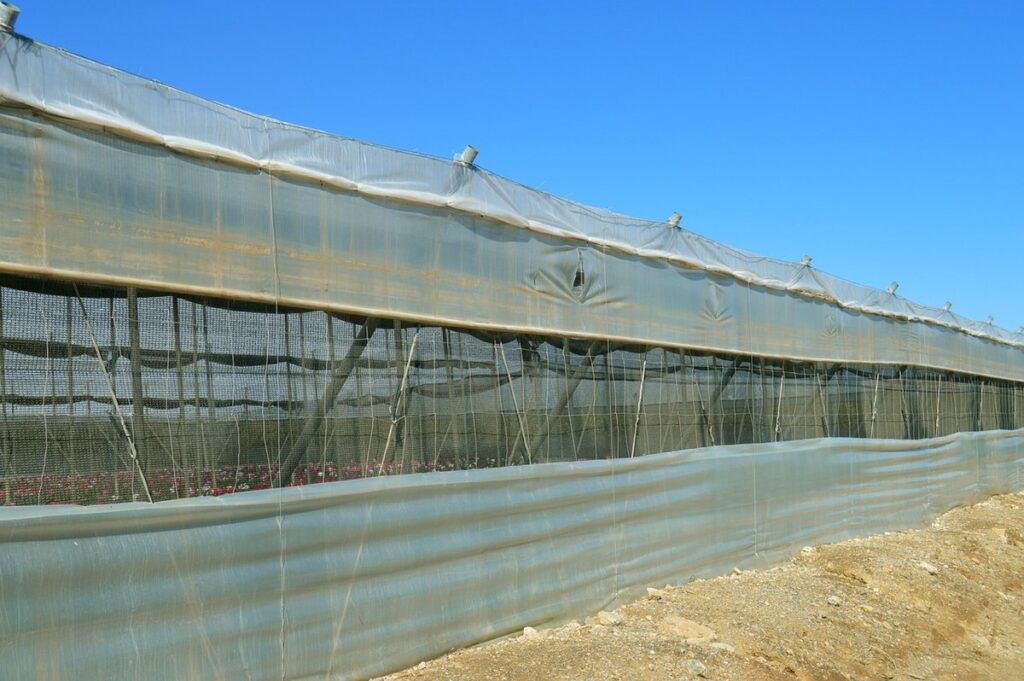
Understanding Your Options
Now that you’ve got your seeds sorted, it’s time to decide how many tomato plants you can realistically support and grow effectively within your unheated greenhouse. This will help guide your sowing decisions.
Choosing the Right Variety for Unheated Conditions
When selecting tomato varieties for an unheated greenhouse, it’s essential to consider factors such as disease resistance and growth habits. This is particularly crucial since the lack of heating can make conditions more conducive to certain diseases. Look for varieties that have built-in resistance to common issues like fusarium wilt, tobacco mosaic virus, and bacterial spot.
Some popular tomato varieties suitable for unheated greenhouses include ‘Brandywine’, ‘Cherokee Purple’, and ‘Sungold’. These heirloom and hybrid varieties tend to grow slower, which can help prevent overgrowth and reduce the risk of disease. They also often have more compact growth habits, making them a great choice for smaller greenhouses.
When evaluating potential varieties, consider their days to maturity and indeterminate or determinate growth patterns. Indeterminate tomatoes will continue to grow throughout the season and may require support, while determinate tomatoes are bushy and self-supporting. This can help you plan for space allocation and pruning needs in your unheated greenhouse.
Evaluating the Benefits of Different Tomato Types
When it comes to choosing the right tomato variety for your unheated greenhouse, you’ll want to consider several factors, including climate, space, and desired harvest time. Let’s take a closer look at three popular options: cherry tomatoes, beefsteak tomatoes, and Roma tomatoes.
Cherry tomatoes are ideal for small spaces and cooler temperatures, making them a great choice for an unheated greenhouse. They mature quickly (around 60 days) and produce high yields of bite-sized fruit. However, they may not have the same flavor profile as larger varieties.
Beefsteak tomatoes, on the other hand, prefer warmer temperatures and more space to grow. While they can thrive in a greenhouse, their size and weight may pose challenges for support and pruning. They take around 90 days to mature but offer exceptional flavor and texture.
Roma tomatoes are another popular choice, known for their elongated shape and dense flesh. They’re relatively easy to care for and can tolerate cooler temperatures, making them suitable for an unheated greenhouse. With a maturity time of around 70-80 days, they offer a compromise between cherry and beefsteak varieties.
Ultimately, the right tomato variety will depend on your specific needs and preferences. Consider factors like climate, space, and harvest time when selecting a variety that will thrive in your unheated greenhouse.
Preparing Your Unheated Greenhouse
Before you can start planting your tomato seeds, make sure your unheated greenhouse is ready for them by inspecting and preparing its ventilation system. This crucial step ensures a healthy environment for your seedlings to thrive.
Assessing the Climate in Your Region
Before you start preparing your unheated greenhouse for starting tomatoes, it’s essential to assess the climate in your region. This will help determine if an unheated greenhouse is suitable for growing tomatoes and ensure a successful harvest.
To do this, consider the following factors:
* Average temperature: Tomatoes require a minimum of 55°F (13°C) to thrive. If your area experiences frequent frosts or prolonged periods below 40°F (4°C), it may not be ideal for starting tomatoes in an unheated greenhouse.
* Moisture levels: Greenhouses can retain moisture, which can lead to fungal diseases if the environment is too humid. Check local weather forecasts and soil moisture levels to ensure they won’t hinder seedling growth.
Look up your region’s average temperature and precipitation data online or consult with a local nursery expert to get a better understanding of your climate. This will help you make an informed decision about whether an unheated greenhouse is suitable for starting tomatoes in your area.
Selecting the Right Location Within the Greenhouse
When selecting a location within your unheated greenhouse for starting tomatoes, it’s essential to consider two critical factors: sunlight and temperature control. As you know, tomatoes require plenty of direct sunlight to produce well, but excessive heat can be detrimental.
To maximize sunlight, place your tomato seedlings near the south-facing wall or roof of the greenhouse. This will allow them to receive direct sunlight for at least 6 hours a day during the spring months. However, avoid placing them directly under skylights or windows, as this can cause scorching and stress to the young plants.
In addition to sunlight, temperature control is equally important. You’ll want to position your tomatoes away from cold walls or surfaces that can conduct heat away from the seedlings. Instead, place them near a vent or a spot where air circulation is good, allowing for more even temperature distribution.
When choosing a location within your greenhouse, consider placing your tomato seedlings about 2-3 feet away from any walls to allow for optimal air circulation and temperature regulation. This will help create a healthy environment for your young tomatoes to thrive in.
Starting Seeds Indoors or Directly Sowing in the Unheated Greenhouse
When deciding how to start your tomatoes, you have two main options: starting seeds indoors and then transplanting them outside, or sowing directly into your unheated greenhouse. This section will help you choose the best approach for your climate and setup.
The Pros and Cons of Indoor Seed Starting
When it comes to starting tomatoes from seed, indoor seed starting can be an effective way to get a head start on the growing season. One of the main benefits of indoor seed starting is that it allows you to control the temperature and light conditions, which are crucial for germination and early growth. By starting seeds indoors, you can ensure that they receive consistent temperatures between 70-80°F (21-27°C) and up to 16 hours of supplemental lighting per day.
However, there are also some drawbacks to consider. For one thing, indoor seed starting requires a significant amount of time and effort to set up and maintain. You’ll need to provide a warm and humid environment for the seeds, which can be challenging in an unheated greenhouse. Additionally, transferring seedlings from indoors to outdoors can be a bit tricky, as they may require acclimation to direct sunlight.
By understanding the pros and cons of indoor seed starting, you can make an informed decision about whether it’s right for your specific situation. If you do choose to start seeds indoors, make sure to harden them off slowly before transferring them to the unheated greenhouse to minimize shock.
Sowing Seeds Directly into the Greenhouse Soil
Sowing seeds directly into the greenhouse soil can be a convenient and space-saving approach for starting tomatoes in an unheated greenhouse. This method allows you to bypass the need for seed trays and transplants, which can save time and reduce the risk of disease.
However, there are some disadvantages to consider. Greenhouse soil may not have the same optimal temperature and moisture levels as a controlled environment, potentially leading to slower germination rates or poor seedling health. Additionally, if the greenhouse is not well-ventilated, fungal diseases such as damping off can spread quickly through the soil.
To increase the chances of success when sowing seeds directly into the greenhouse soil, make sure to test the pH and nutrient levels of your soil beforehand. Add any necessary amendments to create a balanced growing medium. Also, choose varieties that are known to be more forgiving of cooler temperatures and less optimal growing conditions. This will help ensure healthy seedlings despite any temperature fluctuations within the greenhouse.
Caring for Your Tomato Plants in the Unheated Greenhouse
Once your tomato seedlings are thriving, it’s essential to provide them with proper care to ensure they continue growing strong and healthy. This section covers the specific needs of unheated greenhouse tomatoes.
Maintaining Optimal Temperature and Humidity Levels
Maintaining optimal temperature and humidity levels is crucial for promoting healthy growth of tomato plants in an unheated greenhouse. Since an unheated greenhouse is at the mercy of external temperatures, it’s essential to take steps to regulate the internal environment.
To maintain a stable temperature, ensure that your greenhouse has good ventilation. This will help remove excess heat and moisture during warmer days. On colder nights, cover the plants with row covers or bring them under a cold frame to protect them from frost damage. Aim for a daytime temperature of around 65-70°F (18-21°C) and a nighttime temperature of at least 55°F (13°C).
Maintaining humidity levels is also vital. A humid environment can lead to fungal diseases, so ensure the air is circulating properly by opening windows or using fans. You can also use a dehumidifier or a humidistat to maintain an optimal relative humidity level between 40-60%. This will promote healthy growth and prevent diseases from taking hold. Regularly monitoring temperature and humidity levels will help you make informed decisions about your plants’ needs.
Providing Adequate Light and Air Circulation
When growing tomatoes in an unheated greenhouse, it’s crucial to provide adequate light and air circulation for your plants. Without sufficient light, tomato plants may become leggy and weak, making them more susceptible to disease. To ensure your tomatoes receive the right amount of light, place them near a south-facing window or use supplemental lighting such as LED grow lights.
Air circulation is equally important, as it prevents fungal diseases like powdery mildew from taking hold. To promote air movement, keep plants at least 18 inches apart and avoid overcrowding. You can also use fans to circulate the air, but be careful not to blow directly on the plants. Consider using a trellis or other support system to keep the plants upright and encourage air to flow around them.
Remember that tomatoes are tropical plants and prefer temperatures above 55°F (13°C). If possible, provide some protection from extreme cold snaps by covering your greenhouse with row covers or bringing plants under cover.
Managing Pests and Diseases in the Unheated Greenhouse
Now that your seedlings are thriving, it’s essential to protect them from pests and diseases that can quickly spread through an unheated greenhouse. We’ll cover key strategies for prevention and management in this crucial section.
Common Pests Found in Unheated Greenhouses
When growing tomatoes in an unheated greenhouse, it’s essential to be aware of the common pests that can affect your plants. Aphids and whiteflies are two of the most prevalent pests found in unheated greenhouses. These tiny insects feed on the sap of tomato plants, causing curled or distorted leaves, stunted growth, and reduced yields.
Aphids are particularly attracted to tender shoots and new growth, so they’re often found at the base of young plants. To manage aphid infestations, inspect your plants regularly, and use neem oil or insecticidal soap as a natural deterrent. Whiteflies, on the other hand, are more likely to be found near the leaves’ undersides, where they can feed undetected.
Other pests that may visit your unheated greenhouse include spider mites, mealybugs, and thrips. These tiny insects can spread diseases like tomato spotted wilt virus (TSWV) and tomato yellow leaf curl virus (TYLCV). To prevent infestations, ensure good ventilation in the greenhouse, use physical barriers like fine mesh screens, and maintain a clean environment by removing weeds and debris. By being aware of these common pests and taking preventative measures, you can reduce the risk of infestations and give your tomato plants the best chance to thrive.
Disease Prevention and Treatment Strategies
Diseases can wreak havoc on tomato plants, especially when growing in unheated greenhouses where moisture and humidity are higher. To keep your crops thriving, it’s essential to implement disease prevention strategies from the outset. Start by choosing a disease-resistant tomato variety, as some breeds are more susceptible to certain diseases.
When sowing seeds, make sure the soil is well-draining and has good air circulation. Avoid overwatering, which can lead to fungal diseases like early blight and late blight. Instead, water plants when the top inch of soil feels dry to the touch.
Regular monitoring for signs of disease is crucial. Inspect your plants regularly for yellowing leaves, black spots, or white powdery patches. If you notice any issues, treat with a fungicide specifically labeled for use on tomatoes. For example, copper-based fungicides can help control bacterial spot and other diseases. By taking proactive steps to prevent disease and treating promptly when issues arise, you’ll be well on your way to a successful tomato crop in your unheated greenhouse.
Harvesting Your Tomatoes from the Unheated Greenhouse
Once your tomato plants have matured, it’s time to harvest them carefully from their unheated greenhouse home. Learn how to avoid bruising and damage during this crucial step.
Determining When to Expect a Harvest
Determining when to harvest your tomatoes from an unheated greenhouse can be a bit tricky, but there are several signs of ripeness to look out for. First and foremost, check the color of the fruit. Tomatoes will typically turn yellow or red as they mature, although some varieties may retain their green skin even when fully ripe.
Next, inspect the stem end of the tomato. A ripe tomato should come off easily from the plant, leaving a small portion of the stem attached to the fruit. If it’s difficult to remove the tomato, it’s likely not yet ready for harvest.
Another important factor is the texture of the skin. Ripe tomatoes will have a smooth, glossy appearance and should be slightly soft to the touch. Avoid squeezing or pressing on the fruit excessively, as this can damage the plant.
Finally, take a closer look at the leaves surrounding the tomato. A ripe tomato will often display yellow or light green coloration in these areas due to the plant’s reduced chlorophyll production as the fruit matures.
By paying attention to these signs of ripeness, you’ll be able to determine when your tomatoes are ready for harvest from your unheated greenhouse.
Tips for Handling and Storing Your Harvested Tomatoes
Once you’ve harvested your tomatoes from the unheated greenhouse, it’s essential to handle and store them correctly to maintain their quality. Tomatoes are highly perishable fruits that require gentle handling to prevent bruising and damage.
To minimize handling, harvest your tomatoes when they’re fully ripe, as this reduces the time they need to spend in storage. When handling the plants, use a soft-bristled brush or a clean cloth to gently remove any debris or leaves from the fruit, taking care not to scratch the skin.
For storing harvested tomatoes, keep them in a cool, dry place away from direct sunlight and heat sources. The ideal storage temperature is between 50°F (10°C) and 60°F (15°C). You can store them in paper bags, cardboard boxes, or breathable mesh bags to maintain air circulation and prevent moisture buildup.
When storing multiple tomatoes, ensure they’re not touching each other to prevent mold growth and spoilage. Check on the stored tomatoes regularly to remove any that are spoiled or rotting, as this will help prevent the spread of disease to healthy fruits.
Frequently Asked Questions
Can I use a cold frame or other season-extending method to extend the growing period for my tomatoes?
Yes, using a cold frame can be an excellent way to extend the growing period for your tomatoes and get a head start on the main season. By providing protection from harsh winds, frost, and extreme temperatures, you can create a more favorable environment for your plants to thrive. Just ensure that your greenhouse is designed to work in conjunction with any additional season-extending methods.
How do I manage humidity levels in my unheated greenhouse when it’s extremely humid outside?
To manage high humidity levels in your unheated greenhouse, make sure to provide adequate ventilation and air circulation. You can achieve this by installing automatic vents or manually opening windows to allow for cross-ventilation. Additionally, consider using a dehumidifier specifically designed for greenhouses to maintain an optimal relative humidity range of 40-60%.
Can I grow cherry tomatoes in my unheated greenhouse if it’s prone to frost?
Yes, cherry tomatoes can be grown in an unheated greenhouse, but they may require additional protection from frost. Consider using row covers or other methods to protect your plants during periods of extreme cold. It’s also essential to choose a variety that is bred for cooler climates and has built-in resistance to common diseases.
How do I identify the early signs of pests like aphids, whiteflies, or spider mites in my unheated greenhouse?
Identifying pests early on can help prevent infestations from getting out of control. Look for telltale signs such as curled or distorted leaves, sticky honeydew droplets on surfaces, or actual insects flying around your plants. If you suspect an issue, inspect your plants thoroughly and consider using a magnifying glass to get a closer look.
Can I start tomato seeds directly in the unheated greenhouse soil if it’s been prepared properly?
Yes, direct sowing can be done successfully in well-prepared soil, but make sure to choose varieties suitable for this method. Some popular varieties thrive when sown directly into the ground, while others may require indoor starting or specialized equipment. Before attempting direct sowing, ensure that your greenhouse has optimal temperature and humidity levels.