
Are you tired of waiting for what feels like an eternity for your seeds to sprout? Want to know the secret to getting a head start on your garden’s growth rate? Look no further! A germination time by vegetable chart is exactly what you need to unlock the full potential of your plants. But why does it matter? Simply put, understanding how long each type of seed takes to germinate can make all the difference between a thriving garden and one that’s struggling to stay alive.
With this ultimate guide, you’ll learn expert tips on selecting the right seeds for your climate and soil type, preparing the perfect growing conditions, and more. Our comprehensive chart will give you a clear picture of which vegetables germinate fastest and slowest, so you can plan accordingly. Whether you’re a seasoned gardener or just starting out, this article is packed with practical advice to help you grow bigger, better crops than ever before!
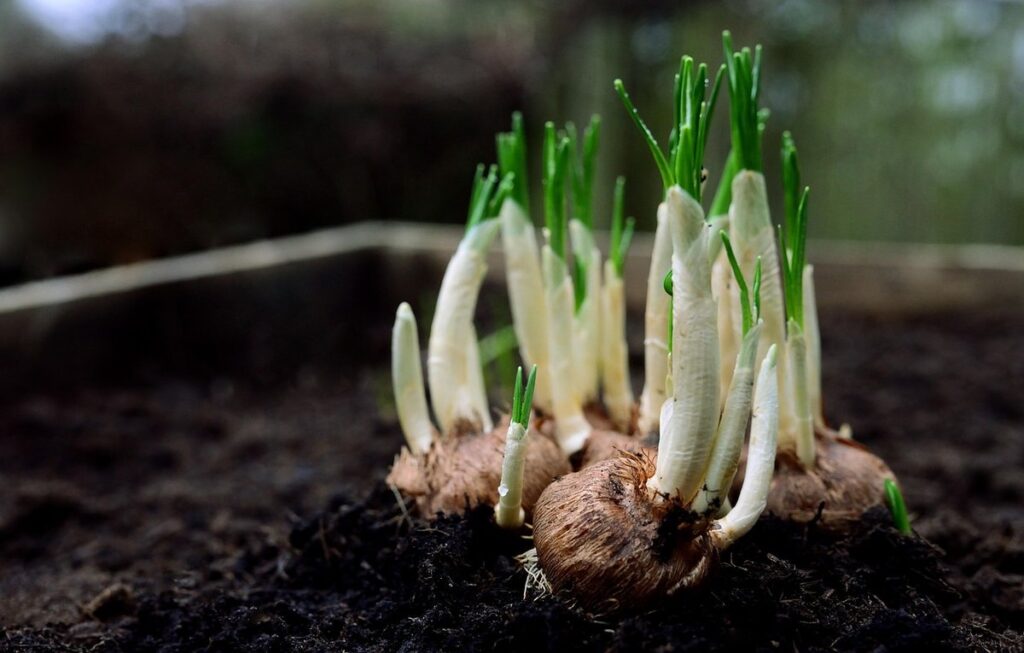
Understanding Germination and Its Importance
To grow vegetables successfully, it’s essential to understand germination, which refers to the process of a seed sprouting into a new plant. Let’s dive into what makes germination crucial for your gardening endeavors.
What is Germination?
Germination is the initial stage of plant growth where a seed begins to sprout and develop roots. It’s a critical process that sets the foundation for a healthy and thriving vegetable crop. When seeds germinate, they break through their outer coating, called the testa, and begin to absorb water and nutrients from the surrounding environment.
As seeds germinate, they initiate root growth, which allows them to anchor themselves in the soil and start absorbing essential minerals and moisture. This process is essential for gardeners because it determines how quickly and efficiently a crop will mature. If seeds don’t germinate properly, or if the conditions are not conducive to germination, it can lead to poor plant health, reduced yields, and even crop failure.
To ensure optimal germination, gardeners should provide their seeds with the right environment, including adequate moisture, suitable temperature, and sufficient light. By understanding the specific requirements of different vegetable species, gardeners can create an ideal conditions for germination, setting their crops up for success.
Factors Affecting Germination Rate
The germination rate of seeds is significantly influenced by various environmental and internal factors. Temperature plays a crucial role in seed germination, with most vegetable seeds requiring optimal temperatures between 70°F to 80°F (21°C to 27°C). For instance, lettuce and spinach prefer cooler temperatures around 60°F to 65°F (15°C to 18°C), while tomatoes and peppers thrive at warmer temperatures above 75°F (24°C).
Light exposure is also essential for seed germination. Some seeds require darkness, such as sweet potatoes and cucumbers, whereas others need indirect light or direct sunlight, like beans and peas. Soil quality is another critical factor affecting germination rate. Seeds grown in well-draining, fertile soil tend to have higher germination rates compared to those planted in poor soil conditions.
Seed freshness also impacts germination rate, with older seeds typically having lower germination rates due to reduced viability. To ensure optimal seed performance, it’s essential to store seeds properly and use fresh seeds for planting. By controlling these factors, you can create an environment that promotes healthy seed germination and sets your vegetables up for success.
The Science Behind Germination Time
Understanding germination time is crucial for successful gardening, and this section breaks down the science behind how different vegetables sprout at varying rates. Let’s dive into the fascinating world of plant physiology.
Seed Structure and Its Role in Germination
A seed’s structure plays a crucial role in determining its germination time. At its core, a seed consists of three main parts: the embryo, endosperm, and coat. The embryo is the tiny plant that will eventually grow from the seed, while the endosperm provides nutrients to support this growth. The coat, or seed coat, protects the delicate inner structures.
For germination to occur, the embryo must develop from a dormant state into an active growing stage. This process involves breaking down stored energy reserves and initiating cell division. Some seeds, like those of beans and peas, have relatively simple embryonic structures that can quickly transition from dormancy to growth. Others, such as those of cabbage and broccoli, may require more time for embryo development due to their complex internal anatomy.
Understanding seed structure can help you optimize your germination conditions. For example, soaking seeds with a hard coat, like pumpkin or squash, can soften the outer layer and promote faster germination. By choosing varieties with shorter dormancy periods and suitable growing conditions, you’ll be well on your way to successfully starting your vegetables from seed.
Environmental Conditions for Optimal Germination
For seeds to germinate optimally, it’s essential to provide them with suitable environmental conditions. The ideal conditions vary depending on the type of seed. For instance, light-sensitive seeds like lettuce and radish require a period of darkness to break dormancy before germinating in light. On the other hand, seeds that thrive in bright light, such as tomatoes and peppers, need direct sunlight to initiate germination.
Temperature also plays a crucial role in germination. Most vegetable seeds germinate between 60°F (15°C) and 80°F (27°C), with some exceptions like beans and peas, which prefer slightly cooler temperatures around 50°F (10°C). Water requirements are equally important, as seeds need consistent moisture but not waterlogged conditions that can lead to rot.
To create an optimal environment for germination, ensure your seed starting mix is moist but not soggy. Provide the recommended temperature range for the specific vegetable you’re growing, and consider using grow lights if necessary. By replicating these ideal environmental conditions, you’ll increase the chances of successful germination and a strong start to your vegetable’s growth.
Germination Time Chart: A Visual Guide
Now that you know how to calculate germination time, let’s dive into a handy visual guide that will help you track progress for 20 popular vegetables. This chart is your one-stop-shop for accurate estimates!
Overview of the Chart
The chart that follows is designed to provide you with a comprehensive overview of germination times for various vegetables. This visual guide will help you plan and optimize your planting schedule, ensuring that you get the most out of your gardening endeavors.
As you navigate this chart, keep in mind that the data presented is based on average temperatures and conditions. Actual germination times may vary depending on factors such as soil quality, moisture levels, and specific cultivars. To use this chart effectively:
* Start by identifying the vegetables you want to grow
* Locate their corresponding entries on the chart
* Note the recommended sowing time for optimal germination
The chart takes into account a range of variables, including temperature, light exposure, and soil type. It’s essential to consider these factors when selecting varieties and planning your planting schedule. By doing so, you’ll be well-equipped to tackle any challenges that arise and maximize your harvest yields.
Remember to consult additional resources for more detailed information on specific vegetables and growing conditions in your region.
Vegetable Seeds with Fast Germination Rates (1-7 days)
When it comes to getting started with growing your own vegetables, nothing is more exciting than watching them sprout and grow. Some veggies are naturally faster at germinating, giving you a head start on the growing season. Let’s take a look at some of these speedy seed starters.
Radishes, for instance, can germinate in as little as 1-3 days. This means you’ll be enjoying crunchy radish greens or fully formed radishes within a week. Another fast mover is lettuce, which typically takes around 4-7 days to sprout. Green onions are also quick-starters, usually germinating within 2-5 days.
These fast-growing veggies are perfect for impatient gardeners like yourself! To get the most out of their rapid growth, be sure to sow seeds about 1/8 inch deep and keep the soil consistently moist. Keep in mind that faster germination rates can also mean more delicate seedlings. Be gentle when handling them, and avoid overwatering, which can lead to weak or leggy growth.
With these speedy veggies on your side, you’ll be well on your way to harvesting delicious produce in no time!
Vegetable Seeds with Medium Germination Rates (8-14 days)
If you’re planning to grow vegetables with medium germination rates, here are some popular options to consider. Tomatoes, for instance, typically take around 10-12 days to sprout after sowing their seeds. This can vary depending on factors like temperature and the specific variety being grown.
Peppers also fall into this category, with most varieties taking between 10-14 days to germinate. Cucumbers are another popular choice for home gardeners, requiring around 8-12 days to sprout. When growing these vegetables, it’s essential to maintain a consistent temperature of around 70-80°F (21-27°C) and keep the soil consistently moist but not waterlogged.
In addition to these, other vegetables with medium germination rates include eggplants, okra, and squash. To ensure optimal growth, make sure to plant seeds at the right depth – typically ¼ inch deep for most vegetables – and provide enough light for photosynthesis to occur. By understanding the specific germination time for each variety, you can plan your planting schedule accordingly and increase your chances of a successful harvest.
Vegetable Seeds with Slow Germination Rates (15+ days)
If you’re growing vegetables that take longer than two weeks to germinate, don’t worry – we’ve got you covered with this list of slow-growing seeds. From artichokes to okra, find out how long they’ll take to sprout.
Examples of Vegetables with Long Germination Times
When it comes to vegetables with long germination times, some may take as long as 15-20 days or even longer to sprout. These slow-starters can be a bit more challenging to work with, but don’t worry – we’ve got you covered.
Take squash, melons, and pumpkins, for example. These warm-season crops are notoriously finicky when it comes to germination. They require a consistent temperature of around 70-80°F (21-27°C) to break dormancy and start growing. If the soil is too cold or too hot, these seeds may refuse to germinate at all.
A good rule of thumb for these types of vegetables is to sow them directly into the garden when the soil has warmed up to at least 70°F (21°C). This can be a bit tricky in cooler climates, but with a little patience and some careful planning, you can still enjoy a bountiful harvest. By providing these slow-starters with the right conditions, you’ll be on your way to growing delicious squash, melons, and pumpkins in no time.
Factors Contributing to Longer Germination Times
When it comes to vegetable seeds with slow germination rates, understanding the contributing factors is crucial for optimal growth and yield. Temperature plays a significant role, as most vegetables require a minimum of 10-15°C (50-59°F) to germinate. However, some varieties like broccoli, cauliflower, and Brussels sprouts may take longer due to their specific temperature requirements.
Moisture levels also impact germination times. Seeds need consistent moisture to break dormancy, but excessive water can lead to rot and reduced germination rates. Carrots, for instance, are highly sensitive to overwatering, which can cause them to take up to 21 days or more to germinate. Soil quality is another critical factor; poor soil structure or nutrient deficiencies can hinder seed growth and delay germination.
Lastly, genetic factors also influence germination times. Some varieties, like parsnips and turnips, naturally take longer to germinate due to their genetic makeup. By understanding these contributing factors, gardeners can adjust their growing conditions and expectations to optimize the germination process for these vegetables. This knowledge will help you plan and manage your seedlings more effectively, ensuring a successful harvest in the long run.
Tips for Improving Germination Rates
Now that you’ve got a good understanding of average germination times, let’s talk about how to optimize those rates and achieve success in your garden. Here are some practical tips to help you get started.
Seed Selection and Storage
When it comes to achieving high germination rates, selecting the right seeds is crucial. Not all seeds are created equal, and using low-quality seeds can lead to disappointing results. Look for seeds that have been stored properly and have a high germination rate. Check the seed package for the date of production and the percentage of germination guaranteed.
Proper storage of seeds is also essential to maintaining their viability. Store seeds in an airtight container, away from direct sunlight and moisture. A cool, dry place like a cupboard or pantry is ideal. You can also store seeds in the refrigerator, but make sure they are kept away from strong-smelling foods that may affect the seeds.
Keep seeds away from extreme temperatures, which can cause them to degrade rapidly. For example, if you live in an area with hot summers, consider storing seeds in a cool garage or basement during this time. By choosing high-quality seeds and storing them properly, you’ll be well on your way to achieving optimal germination rates for the vegetables in our chart.
Soil Preparation and Moisture Levels
When it comes to seed germination, the soil preparation and moisture levels play a crucial role. To ensure optimal conditions for seed germination, it’s essential to prepare the soil correctly. Start by loosening the soil to a depth of about 8-10 inches using a garden fork or spade. Remove any debris, rocks, or clods that could hinder root growth.
Maintaining optimal moisture levels is also vital for seed germination. Check the soil daily, and water when the top inch of soil feels dry to the touch. Avoid overwatering, as this can lead to rot and other problems. Instead, aim for a consistent level of moisture by watering deeply but infrequently.
A general rule of thumb is to maintain a moisture level that’s equivalent to about 1-2 inches of rainfall per week. You can also use a moisture meter to ensure the soil isn’t too dry or waterlogged. For example, if you’re growing lettuce or other leafy greens, they prefer a consistently moist but not soggy soil. On the other hand, seeds like beans and peas require a slightly drier soil to germinate properly.
By following these tips, you’ll be well on your way to creating an optimal environment for seed germination. Remember, the key is consistency: consistent moisture levels, consistent temperature, and consistent light exposure will all contribute to successful seed germination.
Frequently Asked Questions (FAQs)
We’ve anticipated some of your most pressing questions and are happy to provide clear answers, covering topics such as optimal germination conditions and common seedling issues.
Addressing Common Queries About Germination Time
One of the most common misconceptions about germination time is that it’s always a straightforward and predictable process. However, there are several factors that can influence the length of time it takes for seeds to sprout. For instance, some gardeners assume that all seeds require the same amount of warmth and moisture to germinate. This isn’t necessarily true.
In reality, different types of vegetables have unique requirements when it comes to temperature, light exposure, and humidity levels. For example, lettuce and spinach can germinate in as little as 3-5 days under optimal conditions, while some varieties of beans may take up to two weeks to sprout. This variability is due to factors such as seed size, embryo size, and dormancy periods.
Another common myth is that all seeds can be treated the same way when it comes to germination. Some gardeners believe that soaking seeds in water for an extended period will help them germinate faster. However, this approach isn’t always effective, especially if you’re working with seeds that have a natural dormancy period.
In fact, attempting to force seeds to germinate can sometimes do more harm than good. For example, overwatering or underwatering can lead to poor seedling development, while excessive heat or cold stress can slow down the germination process altogether.
Instead of relying on unproven methods or assumptions about germination time, it’s essential to research and understand the specific needs of your plants. By providing seeds with the right conditions, including optimal temperature, light exposure, and moisture levels, you’ll be more likely to achieve successful germination rates. This requires patience, observation, and a willingness to adapt to changing circumstances.
To improve your chances of success, it’s crucial to follow seed package instructions carefully and pay attention to any specific recommendations provided by gardening experts or the plant breeder themselves.
Frequently Asked Questions
What are the ideal soil conditions for optimal germination?
The ideal soil conditions for optimal germination include a pH range of 6.0-7.0, adequate moisture (but not waterlogged), and sufficient organic matter to support healthy microbial activity. Before planting, make sure your soil is well-draining and has the right balance of nutrients for seedlings to thrive.
Can I speed up germination with heat or light?
Yes, some vegetables can benefit from increased temperatures or specific light spectrums during germination. For example, broccoli and cauliflower require a period of cold stratification (around 40-50°F) followed by warmer temperatures to break dormancy. Research the specific requirements for each variety you’re planting.
What if I accidentally overwater my seeds?
Don’t panic! If you suspect you’ve waterlogged your soil, gently remove the affected area and inspect for seed viability. You can also try replanting the seeds at a slightly different depth to give them another chance to germinate.
How do I store leftover seeds to ensure maximum viability?
To maintain seed viability, store them in an airtight container in a cool (around 50-60°F), dry place away from direct sunlight. You can also use silica gel packets or desiccant bags to regulate humidity levels. Label and date the containers for easy tracking.
Can I still achieve good germination rates with poor-quality seeds?
Unfortunately, no. Low-quality seeds are more likely to have reduced viability, making it difficult to achieve successful germination rates. For optimal results, purchase high-quality seeds from reputable suppliers or save your own seeds after harvesting mature crops.