
As a gardener, you know how frustrating it can be to see your hard work destroyed by pesky pests. Identifying these unwanted visitors is key to managing their impact on your garden’s health. A garden pest identification chart is an essential tool for any gardener looking to protect their plants. But with so many types of pests out there, it can be overwhelming to know where to start.
In this guide, we’ll walk you through the visual techniques and strategies you need to become a pro at identifying common garden pests. From aphids to whiteflies, and slugs to snails, we’ll cover the most common types of pests that can harm your garden. You’ll also learn effective management strategies to keep these pests under control and enjoy a healthy, thriving garden all season long. By the end of this article, you’ll be equipped with the knowledge to tackle any pest problem that comes your way.
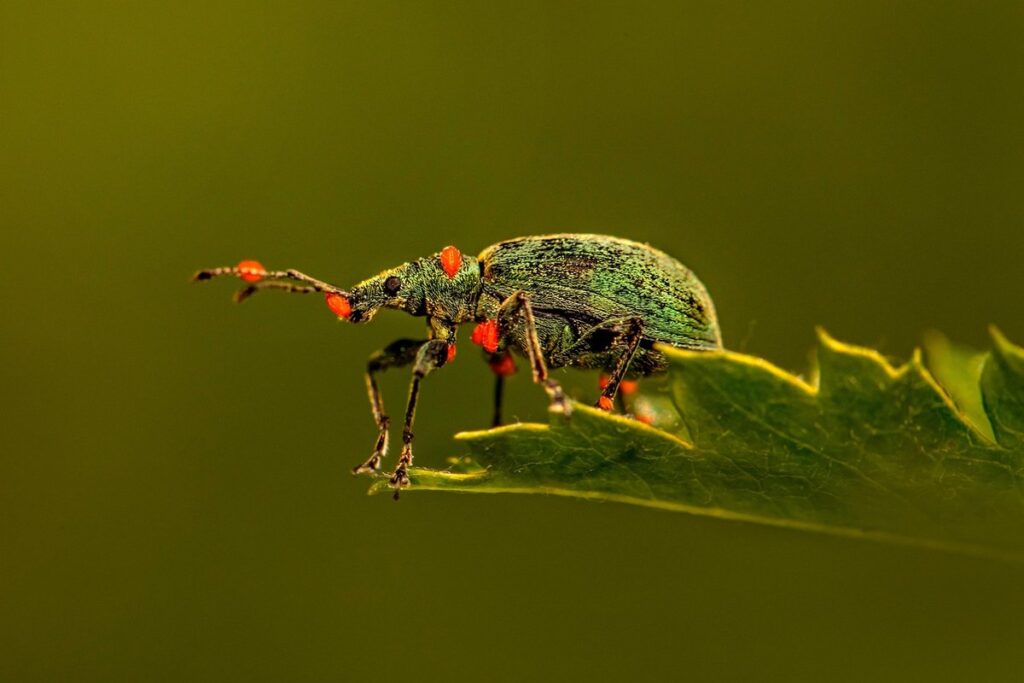
Understanding Common Garden Pests
Let’s start by looking at some of the most common garden pests that can wreak havoc on your plants, from aphids to slugs. We’ll break down their distinctive features and behaviors.
Introduction to Garden Pests
As you tend to your garden, it’s not uncommon to notice tiny creatures feasting on your prized plants. These pesky critters are known as garden pests, and they can wreak havoc on plant growth and yield if left unchecked. Garden pests can be insects like aphids, whiteflies, or spider mites, or even more insidious threats like slugs and snails that can chew through delicate leaves in the dead of night.
The impact of these pests can be significant. They can weaken plants, reduce fruit production, and even spread diseases to other nearby plants. For example, aphids can excrete a sticky substance called honeydew, which attracts ants and fosters the growth of sooty mold that further stresses your plants. To mitigate this damage, it’s essential to identify and manage garden pests effectively.
By understanding the common types of garden pests and their habits, you can take proactive steps to prevent infestations and protect your garden’s health. This guide will walk you through a comprehensive identification chart to help you recognize these unwanted visitors and provide tips on how to manage them humanely and sustainably.
Types of Garden Pests
When it comes to garden pest identification, it’s essential to know that there are various types of pests that can wreak havoc on your plants. The most common types of garden pests can be broadly categorized into three groups: insects, mammals, and birds.
Insects like aphids, whiteflies, and caterpillars are notorious for sucking sap from plants, leaving behind sticky honeydew droplets and promoting the growth of sooty mold. Whiteflies, in particular, are a nuisance as they feed on plant juices, causing curled or distorted leaves. To identify whiteflies, look for tiny, flying insects near infested plants.
Mammals like rabbits, deer, and rodents can also cause significant damage to garden crops. These animals are attracted to tender shoots and leaves, and their grazing can lead to defoliation and even plant death. If you suspect a rabbit problem, check for torn leaves, nibbled stems, or droppings near your plants.
Birds like sparrows, finches, and robins may seem harmless, but they too can become pests in gardens. These birds feed on seeds, fruits, and insects, often leaving behind unsightly droppings that can spread disease. To deter birds from visiting your garden, consider using bird-repellent plants or netting to cover vulnerable areas.
Identifying Common Garden Pests
Let’s dive into the world of garden pests, and start by identifying some of the most common culprits that can wreak havoc on your plants. Aphids, whiteflies, and slugs are just a few examples.
Visual Identification Techniques
When inspecting plants for signs of pest infestation, it’s essential to know what to look for. Common garden pests can be identified by their visual characteristics, which are often distinct and easy to spot. Start by examining the plant’s leaves, stems, and flowers for any unusual damage or discoloration.
Look for signs of chewing, such as holes or tears in leaves, or the presence of actual insects like aphids, whiteflies, or caterpillars. Check the undersides of leaves and the soil around plants for pests like slugs and snails, which often hide during the day. Also, inspect flowers and buds for damage caused by beetles, thrips, or mites.
Observe the color, texture, and movement of insects on your plants. For example, aphids are typically small, soft-bodied insects that can be green, white, or black in color. Caterpillars, on the other hand, have distinct stripes or patterns and move slowly along plant stems. By paying attention to these visual characteristics, you’ll become more adept at identifying common garden pests and taking action to control infestations.
When inspecting plants, use a magnifying glass or hand lens to get a closer look at any potential pest issues. This will help you detect small insects or eggs that might be difficult to spot with the naked eye.
Characteristics of Different Pests
When it comes to identifying common garden pests, knowing their physical and behavioral characteristics is essential for effective control. Different types of garden pests exhibit distinct traits that can help you determine the cause of damage to your plants.
Aphids, for instance, are small, soft-bodied insects with a pear-shaped body, typically found in clusters on stems and leaves. They feed on plant sap, causing curled or distorted leaves. Whiteflies, on the other hand, are tiny flying insects that resemble tiny moths, often found near infested plants. Their feeding activity can cause yellowing of leaves and stunted growth.
Slugs and snails are notorious garden pests, characterized by their slimy trail and distinctive shells. They feed at night, leaving behind a trail of damage on leaves and stems. Caterpillars, the larvae of butterflies and moths, vary in color and size but often have distinct patterns or stripes. Their feeding activity can cause severe defoliation.
To identify garden pests effectively, observe their physical characteristics, such as body shape, color, and any distinguishing features. Also, note their behavior, including feeding habits, movement patterns, and the time of day they are most active. By combining these observations with a thorough inspection of your plants, you’ll be able to determine the cause of damage and develop an effective control strategy.
Garden Pest Identification Chart: A Visual Guide
In this visual guide, we’ll take you through a comprehensive identification chart of common garden pests, helping you quickly spot the culprits behind your plant damage. Let’s start identifying!
Using a Pest Identification Chart
Using a pest identification chart is an effective way to quickly and accurately identify common garden pests. These charts typically include photographs or illustrations of various pests, along with their descriptions and key distinguishing features. To use the chart effectively, start by gathering information about the pest you’re trying to identify. This may include its size, color, shape, and any distinctive markings or patterns.
When consulting the chart, look for the pest’s common name or description in the legend or index section. From there, locate the corresponding image or entry and examine it closely. Pay attention to details such as the pest’s antennae, legs, or other distinctive features. If you’re still unsure about a particular pest, use the chart’s “similar species” or “distinguishing characteristics” sections for further guidance.
Remember that different regions may have unique pests not found in your area, so be sure to consult a chart specific to your region for accurate identification. With practice and experience, using a pest identification chart will become second nature, helping you quickly address any garden pest issues that arise.
Pest Identification Chart Examples
When it comes to identifying common garden pests, a pest identification chart can be an invaluable tool. Let’s take a look at some real-life examples of these charts for various pests.
For instance, if you suspect aphids are infesting your plants, a pest identification chart might list the following characteristics:
* Small, soft-bodied insects
* Typically found on stems and leaves
* Can be yellow, white, or black in color
* Often accompanied by a sticky substance called honeydew
On the other hand, if you’re dealing with slugs or snails, your pest identification chart might highlight the following features:
* Slimy, greyish-brown bodies
* Long, thin foot
* Active at night and hide during the day
* Feed on leaves, stems, and flowers
These charts can be especially useful when trying to distinguish between similar-looking pests. For example, a mealybug infestation might resemble a whitefly problem if you’re not familiar with the distinctive cottony egg sacs left behind by mealybugs.
By using these charts in conjunction with some basic observation skills, you’ll be well on your way to accurately identifying common garden pests and taking steps towards effective management.
Managing Garden Pests
Now that you’ve identified those pesky pests, let’s dive into managing garden pests effectively by learning strategies for their control and prevention.
Organic Methods of Pest Control
When it comes to managing garden pests, many of us reach for chemical-based solutions. However, these can harm not just the pests, but also our soil, water supply, and even ourselves. Fortunately, there are plenty of organic methods that can help keep pests at bay without causing harm.
One effective way to control pests is through physical barriers. For example, you can cover your plants with fine mesh or row covers to prevent insects like whiteflies and aphids from reaching them. You can also use copper tape around plant stems to deter slugs and snails, as they don’t like the taste of copper.
Another great approach is introducing beneficial insects into your garden. These natural predators will help keep pest populations under control without using chemicals. For example, ladybugs are known to eat aphids, while lacewings feed on caterpillars.
Finally, practicing good gardening habits can also go a long way in preventing pest infestations. This includes rotating crops, removing weeds, and maintaining soil health through regular composting. By following these simple tips, you can create a balanced ecosystem that’s less susceptible to pests and diseases.
Chemical Pest Control Options
When dealing with severe pest infestations, chemical pest control options may be necessary. Insecticides are commonly used to eliminate insects like aphids, whiteflies, and caterpillars that damage plants. Fungicides are applied to prevent or treat fungal diseases such as powdery mildew and leaf spot.
However, it’s essential to exercise caution when using these chemicals. Always read the label carefully and follow instructions for application rates, timing, and safety precautions. Wear protective clothing, including long sleeves, pants, gloves, and a mask, to minimize exposure to toxins.
Rodenticides are used to control rodents like mice and rats that can spread diseases through their droppings. These chemicals should be handled with extreme care, as they can be hazardous if ingested or inhaled.
Before using chemical pest control methods, it’s crucial to assess the level of infestation and consider non-chemical alternatives first. Always store these chemicals safely, out of reach of children and pets, and dispose of empty containers responsibly. Additionally, monitor your garden for any signs of pesticide resistance, which can render the treatment ineffective over time.
Integrated Pest Management (IPM) Strategies
Now that you’ve identified those pesky pests, let’s dive into effective strategies for managing them, including integrated pest management techniques and methods.
IPM Principles and Benefits
Integrated pest management (IPM) is a holistic approach to managing garden pests that combines physical, cultural, biological, and chemical controls. This approach recognizes that pests are often a symptom of a larger problem, rather than the problem itself. By addressing the underlying causes of pest infestations, gardeners can reduce their reliance on chemicals and create a more balanced ecosystem.
The IPM principles prioritize prevention over treatment, encouraging gardeners to adopt practices like crop rotation, soil health improvement, and biological pest control methods. This might include introducing beneficial insects, such as ladybugs or lacewings, which prey on common pests. By implementing these strategies, gardeners can reduce the need for chemical pesticides, minimize harm to beneficial organisms, and create a more sustainable growing environment.
One of the key benefits of IPM is its ability to address pest problems at their source. For example, if aphids are infesting your roses, an IPM approach might involve introducing natural predators or modifying your watering schedule to reduce stress on the plants. By understanding the underlying causes of pest infestations, you can take targeted action to prevent future problems and create a healthier, more resilient garden ecosystem.
Implementing an IPM Plan
Implementing an IPM Plan effectively requires a strategic approach to managing pest pressure. Start by assessing your garden’s specific needs and identifying areas where pests are most likely to occur. Consider factors like soil type, plant variety, and local climate conditions that may attract certain pests.
Regular monitoring is essential for detecting signs of infestation early on. Set aside time each week to inspect your plants, looking for telltale signs such as holes in leaves, chewed stems, or sticky sap. Keep a pest journal to track observations over time, helping you identify patterns and anticipate potential problems.
Adjust your control strategies accordingly by implementing tactics like hand-picking, barriers, or targeted treatments only when necessary. This might involve using neem oil to control aphid populations or introducing beneficial insects that prey on problem pests. Continuously evaluate and adapt your plan as new information becomes available – don’t be afraid to try new approaches if the first methods aren’t yielding results.
By adopting this dynamic approach, you’ll better manage pest pressure and maintain a healthier garden ecosystem overall.
Common Garden Pest Myths Debunked
Don’t believe everything you’ve heard about common garden pests – some myths are just that, and we’re here to set the record straight on what really works. Let’s take a closer look at the facts behind these misconceptions.
Separating Fact from Fiction
When it comes to garden pests, there’s often as much myth as fact circulating among gardeners. Let’s take a closer look at some common misconceptions and set the record straight.
One of the most enduring myths is that certain plants have inherent pest-repelling properties. While it’s true that some plants are more resistant to pests than others, research has shown that these plants don’t actually repel pests – they’re just less appealing as a food source. For example, basil and mint are often touted as natural pest repellents, but their impact on pest populations is largely anecdotal and not supported by scientific evidence.
Another myth we’d like to debunk is the idea that chemical pesticides are always safe. In reality, these chemicals can be just as toxic to humans and beneficial wildlife as they are to pests. Instead of relying on harsh chemicals, consider adopting integrated pest management (IPM) strategies that combine techniques like crop rotation, physical barriers, and biological control methods.
When making decisions about garden pest control, it’s essential to separate fact from fiction and rely on credible sources rather than hearsay or outdated information. By doing so, you can create a more effective and sustainable approach to managing pests in your garden.
Evidence-Based Gardening Practices
When it comes to managing garden pests, many of us rely on conventional methods that may not always be effective. However, by adopting evidence-based gardening practices, you can create a balanced ecosystem that naturally repels pests. One such practice is crop rotation – simply put, this involves moving plants around your garden each season to break the life cycle of pests and diseases.
Research has shown that rotating crops can reduce pest populations by up to 75% (1). For example, if you’re growing tomatoes in a particular bed one season, try planting something like basil or marigolds there next time. These companion plants repel nematodes and whiteflies, respectively – both common tomato pests.
Another evidence-based practice is companion planting. This involves pairing plants that complement each other in terms of growth habits, pest resistance, and nutrient uptake. By combining these complementary plants, you can create a diverse garden ecosystem that’s less susceptible to pests. For instance, planting beans with corn creates a mutually beneficial relationship – the beans provide nitrogen for the corn, while the corn provides shade for the beans.
By incorporating crop rotation and companion planting into your gardening routine, you’ll be one step closer to creating a balanced and pest-free garden. And remember, it’s always a good idea to monitor your garden regularly and adjust your strategies as needed – that way, you can stay ahead of any potential pest issues.
Conclusion
Now that you’ve identified and learned how to manage common garden pests, let’s summarize key takeaways from our comprehensive guide.
Recap of Key Takeaways
In conclusion to this comprehensive guide on garden pest identification charts, let’s recap the key takeaways that will help you effectively manage pests in your garden.
Accurate identification of pests is crucial for implementing the right management strategies. We discussed how to identify common garden pests, including insects like aphids, whiteflies, and caterpillars, as well as diseases such as powdery mildew and leaf spot. This knowledge empowers you to recognize early warning signs of infestation and take swift action to prevent damage.
Effective management strategies were also highlighted, emphasizing the importance of integrated pest management (IPM). This approach combines physical barriers, cultural controls, biological controls, and chemical controls to minimize harm to beneficial organisms and the environment. We explored practical examples, such as using row covers to prevent pests like tomato hornworms and hand-picking aphids on plants.
Some key points to remember include:
* Using a garden pest identification chart to quickly identify common pests
* Implementing IPM strategies that prioritize physical and cultural controls before resorting to chemical pesticides
* Monitoring your garden regularly for early signs of infestation, such as distorted leaves or presence of eggs
* Adopting sustainable practices, like crop rotation and composting, to promote soil health and ecosystem balance
By applying these key takeaways, you’ll be well-equipped to manage pests in your garden effectively. Remember that each pest requires a unique approach, so it’s essential to tailor your strategies accordingly. With the knowledge gained from this guide, you’ll be able to make informed decisions and take action against garden pests, ensuring a healthy and thriving garden.
Frequently Asked Questions
How do I create a customized garden pest identification chart for my own garden?
To create a customized garden pest identification chart, start by making a list of the most common pests you’ve encountered in your garden. Research their distinctive features and behaviors, and include pictures or illustrations to aid in identification. You can also use a template from an online resource or consult with local gardening experts for guidance.
What if I’m unsure about the type of pest affecting my plants?
If you’re unsure about the type of pest affecting your plants, try to observe its behavior and physical characteristics more closely. Check for signs like holes in leaves, sticky substances, or actual pests on the plant. Consult with a gardening expert or use online resources to help narrow down the possibilities.
Can I use a garden pest identification chart for non-vegetable gardens?
Yes, a garden pest identification chart can be useful for any type of garden, including flower, herb, and even ornamental plants. The principles of identifying pests and developing management strategies remain the same regardless of plant type.
How do I integrate pest control methods with my existing gardening practices?
To integrate pest control methods with your existing gardening practices, consider adopting an Integrated Pest Management (IPM) approach. This involves combining techniques like physical barriers, cultural controls, biological controls, and chemical controls to create a comprehensive management plan tailored to your specific garden needs.
What are some common mistakes to avoid when using a garden pest identification chart?
When using a garden pest identification chart, avoid making assumptions based on limited information. Ensure you’ve observed the pest’s behavior and physical characteristics accurately before identifying it. Also, be cautious of over-reliance on chemical controls – instead, aim for a balanced approach that incorporates multiple management strategies to minimize harm to your plants and the environment.