
Growing basil indoors from seed is a great way to have fresh, fragrant herbs on hand all year round. If you’re new to indoor gardening or struggling with keeping your basil alive, don’t worry – it’s easier than you think! Basil is one of the most popular herbs used in cooking, and with a few simple tips and tricks, you can grow a bountiful harvest indoors.
In this article, we’ll cover everything from selecting the right variety for indoor growing to troubleshooting common issues that might be killing your basil. We’ll also discuss the ideal conditions for growing basil indoors, including lighting, temperature, and humidity requirements. Whether you’re a seasoned gardener or just starting out, by the end of this guide, you’ll have all the knowledge needed to grow delicious and fragrant basil from seed right in your own home.
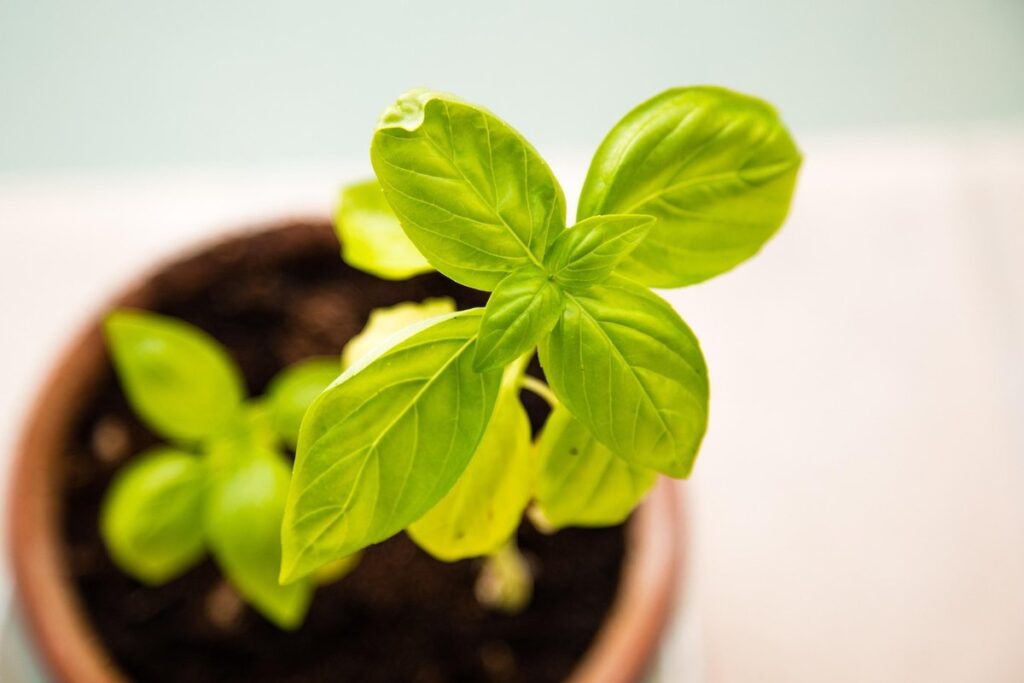
Choosing the Right Variety
When it comes to growing basil indoors, selecting the right variety can make all the difference – choosing one that thrives in low light and cool temperatures is crucial. Consider your space and climate when deciding on a specific type of basil.
Understanding Basil Types
When it comes to growing basil indoors from seed, understanding the different types of basil is crucial for achieving success. There are numerous varieties of basil, each with its unique characteristics, growth habits, flavor profiles, and uses in cooking.
Sweet basil, a classic favorite among gardeners and chefs alike, is known for its sweet, yet slightly spicy flavor. Genovese basil, on the other hand, has a more delicate taste and aroma, making it ideal for pesto sauce. Thai basil, with its bold and pungent flavor, adds a unique twist to Southeast Asian dishes.
Other popular varieties include Lemon basil, with its citrusy scent and taste; Cinnamon basil, which has a warm, sweet flavor; and Purple basil, featuring deep purple leaves and a slightly spicy taste. When choosing a variety, consider the specific cooking application you have in mind, as well as your personal preference for flavor and aroma.
Some basil varieties are also more compact or dwarfed than others, making them ideal for small indoor spaces. For example, ‘Sweet Dani’ is a compact sweet basil that grows to about 10 inches tall, perfect for indoor gardens with limited space.
Selecting High-Quality Seeds
When it comes to growing basil indoors from seed, selecting high-quality seeds is crucial for successful cultivation. A good seed will germinate well, resist diseases, and produce healthy plants with the desired flavor and aroma.
Before you start shopping for seeds, consider the seed’s germination rate. Look for seeds that have a high germination rate of at least 80%, as this ensures that most of your seeds will sprout successfully. You can find this information on the packaging or from the supplier.
Another important factor is disease resistance. Choose seeds that are resistant to common basil diseases like powdery mildew and root rot. This way, you’ll minimize the risk of your plants getting infected.
When selecting a reputable seed supplier, do some research beforehand. Look for companies that specialize in herb seeds or have good reviews from other gardeners. Check their website for information on seed quality, germination rates, and disease resistance. Some popular online retailers that offer high-quality basil seeds include Seed Savers Exchange and Botanical Interests.
Remember to also check the seed package for any certifications like USDA Organic or Non-GMO. This ensures that you’re getting seeds that meet your standards for sustainable and healthy gardening practices.
Preparing the Growing Environment
Before you begin planting, let’s get your indoor growing space ready by preparing a healthy environment that will support basil’s growth and prevent any potential problems. This includes choosing the right location and setting up necessary lighting.
Setting Up Your Indoor Space
When setting up your indoor space for growing basil from seed, it’s essential to create an optimal environment that supports healthy growth. This includes providing adequate light, maintaining a suitable temperature range, managing humidity levels, and ensuring good air circulation.
Basil requires bright, indirect light to photosynthesize effectively. Placing your pot near a sunny window or using grow lights can provide the necessary illumination. Aim for at least 4-6 hours of direct sunlight or 12-14 hours of indirect light per day.
Temperature control is also crucial; basil thrives in temperatures between 65°F and 75°F (18°C and 24°C). Avoid placing your pot near heating vents, radiators, or air conditioning units to maintain a stable temperature.
Maintaining optimal humidity levels can be achieved by using a humidifier or grouping plants together. Air circulation is equally important; ensure that there’s at least 6-8 inches of space between each plant to prevent fungal diseases and promote healthy growth. To enhance ventilation, you can use fans or open windows slightly to maintain airflow.
By providing these optimal conditions, you’ll create an environment conducive to basil growth and development.
Watering and Nutrient Considerations
Watering basil plants indoors requires attention to frequency and soil moisture. Overwatering can lead to root rot, while underwatering may cause stress to the plant. A good rule of thumb is to water your basil plant when the top 1-2 inches of soil feels dry to the touch. Avoid getting water on the leaves themselves, as this can encourage fungal growth.
Fertilization is also crucial for indoor basil plants. Use a balanced fertilizer (diluted to half the recommended strength) once a month during the growing season (spring-fall). You can also side-dress with a high-phosphorus fertilizer to promote blooming and flavor development. Repot your basil plant every 4-6 weeks as it outgrows its container or develops a thick root system.
Monitor your plant’s response to fertilization by checking for signs of nutrient deficiencies, such as yellowing leaves or stunted growth. Adjust your fertilizing schedule accordingly. Keep in mind that basil has different growing requirements at various stages of its life cycle. For example, seedlings require more frequent watering than mature plants.
Sowing Seeds and Seedlings
Sowing basil seeds indoors requires a bit of finesse, but don’t worry, we’ll walk you through the steps to ensure healthy germination. Get started by preparing your seeds for planting.
Starting Basil from Seed Indoors
Starting with basil seeds indoors can be a thrilling experience, but it requires attention to detail to achieve success. When sowing seeds in indoor containers, begin by selecting high-quality seeds specifically bred for indoor growing. Fill a shallow container with a well-draining seed starting mix and sow the seeds about ¼ inch deep and 1-2 inches apart. Cover the seeds with a thin layer of the mix, and gently firm it down to ensure good contact.
Keep in mind that basil seeds can be slow to germinate; some varieties may take up to two weeks to sprout. To encourage healthy growth, maintain optimal temperatures between 70°F and 80°F (21°C and 27°C) and provide bright, indirect light. If you’re using a grow light, place it about 6-8 inches above the seedlings.
When transplanting the seedlings into larger containers, choose a potting mix specifically designed for indoor plants with good drainage properties. Avoid overwatering, which can lead to weak seedlings and poor root development. Monitor your seedlings’ growth closely, adjusting the light and watering schedule as needed to prevent potential issues. By following these guidelines, you’ll be on track to growing healthy, robust basil plants from seed indoors.
Transplanting Seedlings into Larger Containers
When transplanting seedlings into larger containers, it’s essential to prioritize their root development. As basil plants grow, they’ll need more room to expand their roots, which will promote healthy growth and prevent the soil from becoming waterlogged. To ensure a smooth transition, choose pots that are at least 6-8 inches deep to accommodate the developing taproot.
When transferring seedlings to larger containers, handle them gently to avoid disturbing the delicate roots. Add fresh, high-quality potting mix to the new container, and gently place the seedling in its center. Firm the soil around the roots, making sure not to compact it too much, which can hinder drainage.
Pruning techniques also play a crucial role during this stage. Remove any weak or spindly growth to encourage bushy development and prevent the plant from becoming leggy. Pinch off flower buds as they form to direct energy towards leaf production. This will ensure your indoor basil plants remain compact, flavorful, and productive throughout their growing cycle.
Caring for Indoor Basil Plants
To keep your basil plants happy and thriving, it’s essential to provide them with proper care, including watering, pruning, and fertilizing techniques. We’ll cover these crucial details in this section.
Lighting Strategies for Optimal Growth
When growing basil indoors from seed, providing adequate light is crucial for optimal growth. Basil plants require at least 4-6 hours of direct sunlight per day to photosynthesize and produce the desired flavor and aroma.
However, since indoor spaces often lack natural sunlight, you’ll need to explore alternative lighting strategies. LED grow lights are an excellent option, as they’re energy-efficient, produce minimal heat, and can be tailored to specific light spectrums for basil growth. Some popular options include full-spectrum LEDs or those with a high blue-to-red ratio.
Supplemental lighting solutions also come in the form of south-facing windows or skylights. Placing your basil plant near these natural light sources can provide the necessary illumination for photosynthesis. To maximize this option, ensure the plant is at least 6-8 inches away from any reflective surfaces to prevent overheating and promote even growth.
Consider investing in a grow light timer to simulate a natural day-night cycle, which will also aid in promoting healthy root development and leaf growth. With the right lighting strategy in place, you’ll be on your way to raising vibrant, fragrant basil plants indoors.
Pest and Disease Management
Indoor basil plants are susceptible to pests and diseases that can quickly spread and destroy your crop. Common issues affecting indoor basil include spider mites, mealybugs, and powdery mildew. Spider mites appear as tiny white dots on the underside of leaves, while mealybugs look like small, cottony patches on stems. Powdery mildew manifests as a white, powdery coating on leaves.
To prevent these issues, maintain good air circulation around your plants by keeping them at least 6 inches away from walls and other objects. Regularly inspect your basil for signs of infestation or disease, and isolate infected plants to prevent the problem from spreading. For organic pest control, use neem oil or insecticidal soap to treat affected areas. For diseases like powdery mildew, remove infected leaves and treat the plant with a fungicide specifically designed for indoor gardening.
In addition to controlling pests and diseases, cultural modifications can also help prevent issues. Ensure your basil is receiving adequate light (at least 4-6 hours of direct sunlight) and maintain optimal watering schedules to avoid overwatering, which can lead to root rot and other problems.
Harvesting and Preserving Basil
Now that you’ve successfully grown your basil from seed, it’s time to reap the rewards by harvesting and preserving your fragrant crop for future use in cooking. Let’s explore the best methods for doing so.
Timing and Techniques for Maximum Yield
When to Harvest and How to Encourage Continued Production
Timing is everything when it comes to harvesting individual leaves from your indoor basil plant. The ideal time to pick a leaf depends on the stage of growth you’re looking for. For sweet, tender leaves, wait until they reach about 4-6 inches in length. Use sharp scissors or pinch off the top sets of leaves with your fingers to avoid bruising the stem.
To encourage continued production and prevent flowering, it’s essential to prune and propagate regularly. Pinch off flower buds as soon as you spot them, and trim back leggy stems by about one-third. This will promote bushy growth and more leaf production. You can also take cuttings from mature plants and root them in water or a propagation tray to create new basil plants.
For maximum yield, aim to harvest your indoor basil plant every week or two, depending on its size and growth rate. By doing so, you’ll be able to enjoy fresh leaves throughout the growing season, and even share some with friends. With regular pruning and propagation, you can have a continuous supply of fragrant, flavorful basil all year round.
Storing and Preserving Fresh Basil
Now that you’ve successfully grown and harvested your basil indoors, it’s time to think about preserving its flavor and aroma for future meals. Fresh basil can be a finicky herb to store, as it’s prone to wilting and losing its potency quickly. However, there are several strategies you can employ to keep your basil fresh throughout the year.
One of the most effective ways to preserve basil is by freezing it. Simply chop the leaves and place them in an airtight container or freezer bag. Frozen basil is perfect for adding to soups, stews, and sauces during the winter months when fresh basil may not be readily available. Another option is dehydrating your basil using a food dehydrator or even your oven on its lowest temperature setting.
Storing basil in an airtight container with a damp paper towel can also help maintain its flavor and aroma. This method is perfect for short-term storage, usually up to 1 week. Simply place the stems of the basil plants in a jar or container and cover it with plastic wrap or aluminum foil. Make sure to check on your stored basil regularly to ensure it doesn’t develop off-flavors or mold.
When dehydrating or freezing your basil, be sure to label the containers clearly so you can easily identify what’s inside later on. This will also help you keep track of how long ago you preserved the basil and whether it’s still safe to use.
Common Challenges and Troubleshooting
Don’t worry if things don’t go as planned – we’ll walk you through some common issues that can arise when growing basil indoors from seed, along with practical solutions to overcome them.
Identifying and Addressing Common Issues
As you embark on growing basil indoors from seed, you may encounter some common challenges that can hinder the growth of your beloved herb. One of the most noticeable issues is yellowing leaves, which can be caused by overwatering or underwatering. To address this problem, make sure to check the soil moisture daily and adjust your watering schedule accordingly.
Another issue many growers face is slow growth. This could be due to insufficient light, inadequate fertilization, or root bound conditions. Consider repotting your basil in a larger container with fresh potting mix and provide it with more intense light, such as direct sunlight for 4-6 hours a day. You can also try using a balanced fertilizer at half the recommended strength to promote healthy growth.
If you’re unsure about the specific cause of an issue or need personalized advice, don’t hesitate to research further or consult with experienced growers online or through gardening forums.
Best Practices for Long-Term Success
As you’ve successfully grown your basil plant from seed indoors, it’s essential to maintain its health over time. This is where many indoor gardeners go wrong – they let their plants fall into bad habits that can lead to stunted growth, pests, and diseases.
To avoid this common pitfall, make sure to prune your basil regularly to encourage new growth and prevent the plant from becoming leggy. Pinch off flower buds as soon as you notice them, and harvest individual leaves or stems instead of cutting back the entire plant at once. This will not only keep your basil looking its best but also promote a continuous supply of fresh leaves.
Additionally, be mindful of your plant’s watering schedule. Overwatering is a leading cause of root rot in indoor plants, so ensure the soil is consistently moist but never waterlogged. Also, repot your basil every 4-6 weeks to refresh the soil and provide a larger pot if necessary. By following these simple practices, you’ll be well on your way to enjoying healthy, thriving basil plants for months to come.
Frequently Asked Questions
Can I grow basil indoors year-round, regardless of the season?
Yes, by controlling the indoor environment, you can replicate the conditions necessary for basil to thrive, allowing you to harvest fresh leaves throughout the year. This means providing consistent temperatures between 60-70°F (15-21°C), adequate lighting, and controlled humidity.
How often should I prune my indoor basil plants to promote healthy growth?
Pruning is essential for maintaining a bushy shape and encouraging new growth. Aim to pinch or trim your basil leaves every 1-2 weeks, removing any flower buds that may develop. This will help direct the plant’s energy towards leaf production.
What are some common pests I might encounter when growing basil indoors?
Common indoor basil pests include spider mites, mealybugs, and aphids. To prevent infestations, maintain good air circulation, inspect your plants regularly, and use neem oil or insecticidal soap as a last resort. Isolate infested plants to prevent the issue from spreading.
Can I grow multiple varieties of basil in close proximity?
While it’s possible to grow different basil types together, ensure they have distinct growth habits and requirements to avoid competition for resources. For instance, compact or dwarf varieties can be grown alongside taller ones, but keep an eye on their spread to prevent overcrowding.
How do I preserve my freshly harvested basil to maintain its flavor and aroma?
To preserve fresh basil, immediately submerge the leaves in an ice bath to stop enzymatic reactions that cause decay. Then, dry them using a food dehydrator or by air-drying, storing the dried leaves in airtight containers to retain their fragrance and flavor for extended periods.