
Are you tired of struggling with pests and diseases in your cucumber patch? Do you want to boost your harvest and make the most out of your garden space? Companion planting is the answer! By strategically pairing cucumbers with other plants, you can create a balanced ecosystem that naturally repels pests, attracts beneficial insects, and improves overall plant health. In this article, we’ll delve into the world of companion planting for cucumbers, exploring the best strategies for slicing and pickling varieties alike. We’ll cover the top companion plants for cucumbers, from classic choices like nasturtiums and radishes to lesser-known options that can make a big impact. Whether you’re a seasoned gardener or just starting out, this guide will show you how to create a thriving cucumber garden with minimal fuss and maximum yield.
Benefits of Companion Planting
By incorporating companion plants into your cucumber garden, you can enjoy a more diverse and resilient harvest, while also reducing pest problems naturally. Let’s dive in to explore these benefits further!
Attracting Beneficial Insects
Attracting beneficial insects like bees and butterflies is one of the most significant advantages of companion planting for cucumbers. These pollinators are essential for the reproduction of cucumber flowers, ensuring a healthy and bountiful harvest. By incorporating plants that attract these beneficial insects into your garden, you can boost your cucumber yields.
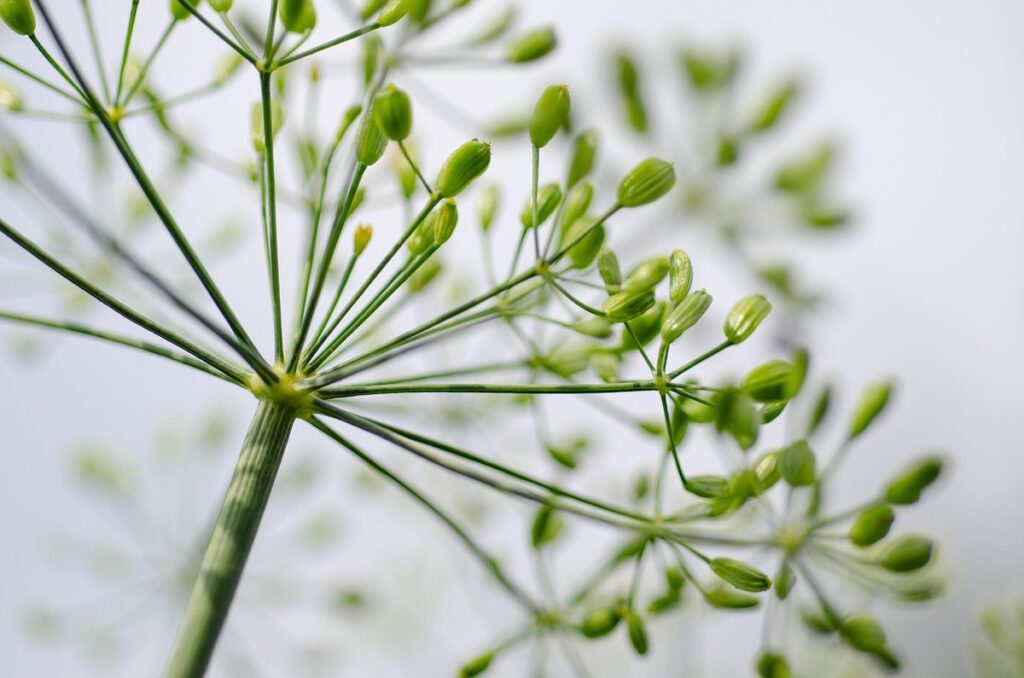
Some examples of beneficial plants include mint, basil, and dill, which not only repel pests but also draw in bees and butterflies. These pollinators are attracted to the fragrances and colors of these plants, increasing their presence near your cucumber patch. To make the most of this synergy, plant a mix of flowers and herbs around your cucumbers, such as marigolds, nasturtiums, and calendula.
When selecting companion plants for attracting beneficial insects, consider planting at least 3-5 different species that bloom at various times throughout the growing season. This will ensure a constant source of nectar and pollen for pollinators to feed on, keeping them active in your garden for longer periods.
Repelling Pests Naturally
When it comes to growing cucumbers, pests like aphids, whiteflies, and spider mites can quickly become a nuisance. These tiny insects feed on the sap of cucumber plants, weakening them and reducing yields. Fortunately, there are several companion plants that repel these pests naturally, making them an excellent addition to your garden.
Nasturtiums, for example, release chemicals that repel aphids and whiteflies. Planting nasturtiums near your cucumbers can provide a natural barrier against these pests. Garlic is another effective repellent, as its strong scent deters spider mites and other insects. Marigolds also have a powerful scent that keeps nematodes at bay.
To use these companion plants effectively, simply plant them alongside your cucumbers in the garden bed. Make sure to choose varieties that are compact or trailing, so they don’t compete with your cucumber vines for space. By incorporating these pest-repelling plants into your garden, you can reduce the need for pesticides and create a healthier environment for your crops to thrive.
Best Companion Plants for Cucumbers
When it comes to companion planting, cucumbers benefit from a few key friends that can enhance their growth and flavor. Let’s explore some top picks!
Nitrogen-Fixing Legumes
Nitrogen-fixing legumes are some of the best companion plants for cucumbers, as they have the unique ability to convert atmospheric nitrogen into a form that’s usable by plants. This process enriches the soil with essential nutrients, promoting healthy growth and development in cucumber plants.
Legumes like beans and peas are particularly effective at fixing nitrogen due to their symbiotic relationship with rhizobia bacteria. These beneficial microbes live in the legume’s roots and convert atmospheric nitrogen into a form that can be absorbed by the plant through a process called nitrogen fixation.
By incorporating nitrogen-fixing legumes into your cucumber patch, you’ll not only reduce your reliance on synthetic fertilizers but also create a more balanced ecosystem. This is particularly beneficial for cucumbers, which are heavy feeders and require plenty of nutrients to produce high yields.
To get the most out of your nitrogen-fixing legumes, plant them alongside your cucumbers as soon as possible after sowing the seeds. You can intercrop beans or peas among the cucumber plants or create a separate bed for the legumes. Make sure to provide adequate space and support for both crops, as they’ll compete for resources in the early stages of growth.
Marigold and Other Repellent Flowers
When it comes to companion planting for cucumbers, one common issue many gardeners face is nematodes. These microscopic worms can wreak havoc on cucumber roots, causing stunted growth and reduced yields. To combat this problem, consider incorporating marigold flowers into your garden.
Marigolds are natural repellents that release chemicals that deter nematodes from feeding on cucumbers. Studies have shown that planting marigolds around the base of cucumber plants can reduce nematode populations by up to 50%. Other beneficial flowers like basil, calendula, and dill also possess similar properties.
To use these flowers effectively as repellents, plant them at a ratio of about 10-15% of your total cucumber crop. This allows the flowers to thrive while providing sufficient coverage for your cucumbers. For example, if you’re growing a 20-foot row of cucumbers, try adding 2-3 marigold plants spaced evenly along the length.
Some gardeners also swear by planting radish or garlic near their cucumber crops as nematode repellents. While less extensively studied than marigolds, these options are still worth considering for their potential benefits. By incorporating repellant flowers into your cucumber garden, you can create a healthier and more resilient environment for your plants to thrive in.
Companion Plants for Specific Cucumber Varieties
For specific cucumber varieties, companion plants can make a big difference in their growth and flavor. Let’s explore some perfect pairings for popular types like slicing, pickling, and English cucumbers.
Slicing Cucumbers
When growing slicing cucumber varieties, it’s essential to choose companion plants that complement their growth and flavor. Basil is a classic pairing for slicing cucumbers as it repels pests like aphids and whiteflies, which can damage the crop. Planting basil nearby also improves the cucumber’s flavor and aroma.
Another great option for slicing cucumbers is dill. This herb not only attracts beneficial insects but also enhances the cucumber’s growth by providing shade from intense sunlight. Sow dill seeds near the base of the cucumber plant to create a symbiotic relationship that promotes healthy development.
To get the most out of your companion planting, make sure to space basil and dill plants about 6-8 inches away from the slicing cucumbers. This allows for adequate air circulation and prevents overcrowding. Water the area consistently to keep the soil moist but not waterlogged, which can lead to root rot.
Remember to plant the companion herbs when the cucumber seedlings have 2-3 sets of leaves. This timing enables the herbs to establish themselves before the cucumbers start climbing.
Pickling Cucumbers
When it comes to pickling cucumbers, flavor and texture are paramount. To enhance these qualities, consider planting dill and nasturtiums alongside your pickling varieties. Dill’s delicate flavor won’t compete with the cucumber taste but will instead complement its natural sweetness.
Nasturtiums, on the other hand, not only repel aphids and whiteflies but also add a peppery kick to cucumbers when used as a garnish. For optimal growth, plant nasturtium flowers near your pickling cucumbers’ stems – they’ll spread their fragrance through the air.
Another beneficial companion for pickling cucumbers is borage. Its sweet aroma attracts pollinators and improves cucumber yields. However, be cautious not to overcrowd your plants; maintain a 6-8 inch distance between each row of borage and cucumbers.
To further boost flavor, incorporate radish into your pickling cucumber bed. Radishes’ pungency enhances the overall taste experience while also helping deter pests that target cucumbers. Plant them in shallow soil near the cucumber plants to maximize their beneficial effects.
How to Choose Companion Plants
When selecting companion plants for cucumbers, it’s essential to consider their growth habits, space requirements, and any potential benefits or drawbacks. By doing so, you can create a harmonious and thriving garden ecosystem.
Consider Climate and Soil Type
When selecting companion plants for cucumbers, it’s essential to consider the climate and soil type of your garden. Cucumbers thrive in warm weather, but extreme temperatures can be detrimental to their growth. In areas with scorching summers or harsh winters, choose companion plants that provide shade or protection from wind.
For example, basil is an excellent choice for hot climates as it repels pests and adds a layer of protection against the intense sun. In cooler climates, consider planting companion plants like mint or lemongrass, which can tolerate frost and provide a natural barrier against winter damage.
When it comes to soil type, cucumbers prefer well-draining, rich soil with a pH between 6.0 and 7.0. Companion plants that help improve soil quality include marigold, nasturtiums, and comfrey. These plants add organic matter, repel pests, or attract beneficial insects, creating a healthy ecosystem for your cucumber crop to thrive in.
By choosing companion plants suitable for your climate and soil type, you can create an optimal growing environment for your cucumbers and boost their chances of success.
Choosing the Right Quantity
When it comes to companion planting for cucumbers, another crucial aspect to consider is choosing the right quantity. You’ve probably heard that “more is better,” but too many plants can actually harm your cucumber crop.
As a general rule of thumb, aim to plant one companion plant per 3-4 feet of space around each cucumber plant. This allows for optimal benefits without overcrowding the area. For example, planting basil nearby can help deter pests and improve air circulation. With 2-3 basil plants spaced evenly around your cucumber patch, you’ll create a harmonious ecosystem.
Remember that companion planting is all about balance. Be mindful of mature plant sizes to ensure they don’t shade out or compete with your cucumbers for resources like water and nutrients. A good mix might include two or three smaller plants like nasturtiums or marigolds alongside one or two larger plants like sunflowers.
Don’t get carried away, though – too many companion plants can lead to overcrowding and reduced yields. Stick to the recommended ratio, and you’ll be on your way to a thriving cucumber patch with beneficial companions by its side!
Tips for Successful Companion Planting
To get the most out of your companion planting, here are some tried-and-true tips to ensure a thriving and healthy cucumber harvest. Let’s dive in!
Planting Timing and Spacing
When planting companion plants with cucumbers, timing and spacing are crucial to maximize their benefits. Generally, it’s best to plant companions that repel pests or attract beneficial insects when the cucumber plants are around 6-8 inches tall. This allows the companions to grow together without overcrowding the cucumber vines.
Some excellent examples of timely planted companions include basil, which can be introduced as soon as you transplant your cucumbers into larger containers. Nasturtiums and marigolds, with their strong pest-repelling properties, should be planted about 2-3 weeks after direct sowing or transplanting cucumbers.
In terms of spacing, most companion plants require at least 6-12 inches between them to ensure proper air circulation and growth. However, when planting companions that attract beneficial insects, like calendula or dill, it’s better to space them a bit closer (about 4-6 inches apart) as these insects tend to be attracted to denser areas.
By choosing the right combination of companion plants and considering their specific growing requirements, you can create an ideal environment for your cucumber plants.
Maintenance and Monitoring
To get the most out of companion planting with cucumbers, regular maintenance and monitoring are crucial. This involves ensuring both the companion plants and cucumbers receive adequate water. Make sure to check the soil moisture by inserting your finger into the soil up to the first knuckle, a trick that helps determine if it’s dry or moist. You should aim for about 1 inch of water per week, either through rainfall or irrigation.
Companion plants like nasturtiums and dill require more frequent watering than cucumbers. These plants have spreading growth habits and can quickly deplete the soil moisture around them. To mitigate this, create a separate watering schedule for companion plants based on their specific needs. As for pruning, remove any weak or spindly growth from companion plants to encourage bushy growth and prevent overcrowding.
Pruning also helps keep cucumber vines under control by providing air circulation and sunlight penetration. Use scissors or pinch off individual leaves or stems at the base of the plant to maintain a manageable size.
Troubleshooting Common Issues
Don’t worry, we’ve all been there – a cucumber crop that’s failing to thrive or facing unexpected problems. This section will help you troubleshoot common issues and get your cucumbers back on track.
Identifying and Addressing Problems
As you nurture your cucumber plants, it’s not uncommon to encounter problems that can impact their growth and yield. Identifying these issues early on is crucial to implementing effective solutions. One common issue is pests, such as aphids and whiteflies, which can spread diseases and weaken the plant. To address this problem, consider companion planting with marigold or basil, both of which repel these unwanted visitors.
Another potential issue is fungal diseases like powdery mildew, often caused by poor air circulation around the plants. Companion planting with radish or garlic can help to improve soil health and promote beneficial microorganisms that break down pathogens. Be sure to remove any infected leaves or stems to prevent further spread.
Regular monitoring of your cucumber plants will help you catch problems before they get out of hand. Keep an eye out for signs of nutrient deficiencies, such as yellowing leaves or stunted growth, and adjust your fertilization schedule accordingly. By staying vigilant and implementing companion planting strategies, you can minimize the impact of common issues and enjoy a healthier, more productive cucumber crop.
Overcoming Challenges with Companion Plants
While companion planting can be an effective way to boost your cucumber harvest, it’s not without its challenges. One potential issue is that certain companion plants may compete with cucumbers for water and nutrients, potentially stunting their growth. For example, if you’re growing comfrey as a fertilizer plant alongside your cucumbers, make sure to keep the comfrey under control by regular harvesting of its leaves.
Another challenge is that some companion plants can be susceptible to the same pests or diseases that affect cucumbers. If you’re using marigold as a pest-repellent companion plant, for instance, be aware that it’s also vulnerable to nematode infestations, which could compromise your cucumber crop. To overcome this risk, ensure you choose disease-resistant varieties of both the companion plants and the cucumbers themselves.
To mitigate these risks, monitor your plants closely and be prepared to intervene if necessary. Regularly inspect for signs of pests or disease on both the companion plants and the cucumbers, and take action promptly if any issues arise.
Frequently Asked Questions
What if I already have a mature cucumber plant, can I still add companion plants to improve pest control?
You can still benefit from companion planting even with a mature cucumber plant. In fact, many beneficial insects like bees and butterflies are attracted to blooming flowers, which can be added around the base of your existing cucumber plant. This will help create a welcoming environment for these beneficial visitors.
Can I use companion plants to control pests in an indoor container garden?
Yes! Companion planting can also be applied to indoor containers. For example, basil and mint are natural pest repellents that can be grown alongside cucumbers in pots. Choose compact varieties of companion plants suitable for container growing and follow the same principles as outdoor gardens.
What if I have limited space in my garden – which companion plants should I prioritize?
In small spaces, focus on nitrogen-fixing legumes like beans or peas, which provide essential nutrients to nearby cucumbers while occupying minimal space. These plants also attract beneficial insects and can help deter pests naturally.
How do I ensure that the benefits of companion planting aren’t outweighed by increased competition for water and nutrients?
To avoid competition, plant taller companions (like sunflowers) on the north side of your cucumber patch to allow sunlight penetration. Also, ensure your companion plants have similar growing conditions and needs as your cucumbers.
Can I use companion planting with hydroponic or vertical gardening systems?
Yes! Companion planting can be adapted for hydroponic and vertical gardens by selecting plants that thrive in water-based systems and repel pests effectively. For example, basil grown in a hydroponic system can help deter spider mites from nearby cucumbers.