
Zucchini plants can be a bit mysterious, especially when it comes to those tiny yellow blooms that seem to sprout up overnight. But did you know that not all zucchini flowers are created equal? In fact, your zucchini plant has both male and female flowers, each playing a crucial role in the pollination process. To grow a bountiful harvest of juicy zucchinis, it’s essential to understand how to identify and care for these delicate blooms. By learning how to promote healthy growth and encourage pollination, you can boost your fruit set and enjoy a more productive garden. In this article, we’ll delve into the world of male and female zucchini flowers, exploring what they are, how to identify them, and tips for cultivating both in your garden for optimal results.
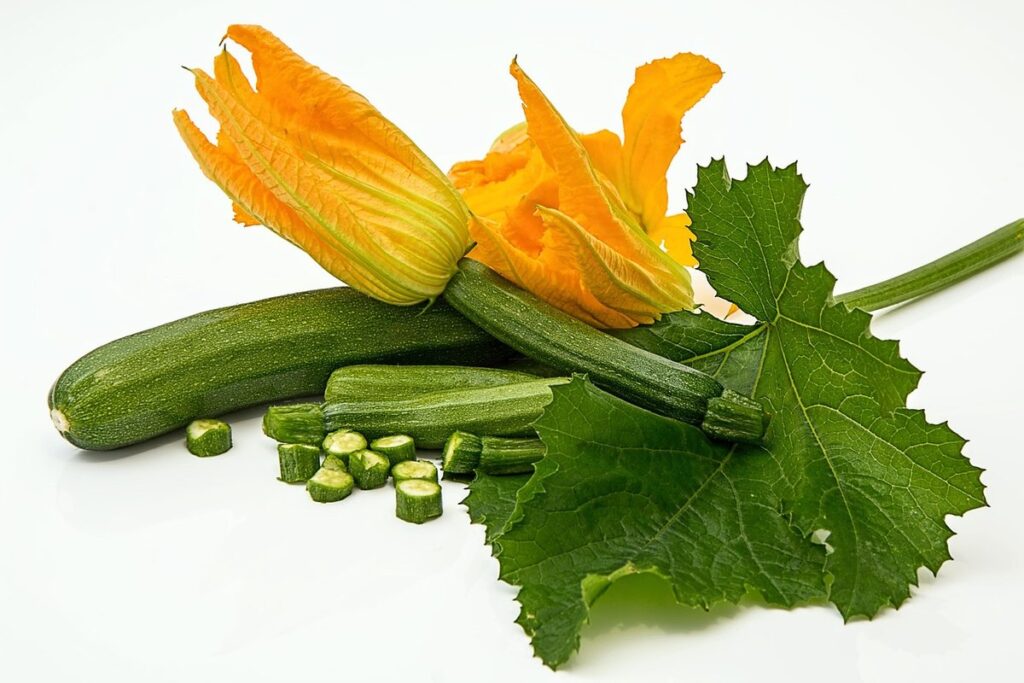
What are Zucchini Flowers?
So, you’re wondering what those beautiful blooms on your zucchini plant are all about? Let’s take a closer look at the lovely zucchini flowers and learn their purpose.
Characteristics of Zucchini Flowers
Zucchini flowers come in two main types: male and female. The most noticeable difference between them is their structure and purpose within the plant.
Male zucchini flowers are typically smaller than female flowers and lack a central ovary, which is responsible for seed production. They grow on long stems, often clustered together near the base of the plant, and serve solely as pollinators. Their primary function is to attract bees and other beneficial insects to transfer pollen from one flower to another.
Female zucchini flowers are larger than male flowers and possess a prominent ovary in their center, which contains the seeds. They grow on shorter stems and are usually found at the end of each branch or along the main stem of the plant. Female flowers are responsible for producing fruit when pollinated by male flowers.
It’s worth noting that zucchini plants will often produce more male flowers than female flowers, especially in the early stages of growth. This is because the plant prioritizes reproduction and tries to ensure successful pollination.
Importance of Zucchini Flowers in Pollination
When it comes to pollination, zucchini flowers play a vital role. As you may know, many plants require cross-pollination to produce fruit, and zucchini is no exception. The male and female flowers on a single zucchini plant are designed to work together to facilitate this process.
The male flower produces pollen, which contains the genetic material needed for fertilization. When bees or other pollinators visit the male flower in search of nectar, some of the pollen sticks to their bodies. As they move from one flower to another, they inadvertently transfer the pollen to the female flower. If a sufficient amount of pollen reaches the stigma of the female flower, fertilization occurs and the plant begins to produce fruit.
It’s essential to have both male and female flowers on your zucchini plant for optimal pollination. Without them, you may not get the desired fruit set. To encourage healthy growth and maximize pollination, ensure that your zucchini plants receive adequate sunlight, water, and nutrients.
Identifying Male vs Female Flowers
When growing zucchini, it’s essential to identify the male and female flowers on your plant, as they play distinct roles in pollination and fruit production. Let’s take a closer look at how to tell them apart.
Visual Identification of Male and Female Flowers
When it comes to identifying male and female zucchini flowers, one of the easiest ways is by observing their physical characteristics. Male flowers are typically smaller than female flowers, with a slender stem that attaches them directly to the main plant stem. They also tend to have a more delicate appearance, with three petals that are often slightly crumpled or folded.
Female flowers, on the other hand, are usually larger and have a thicker stem. Their five petals are often held open and visible, revealing a small ovary in the center of the flower. This ovary will eventually develop into the zucchini fruit itself.
One way to distinguish between male and female flowers is to look for the presence of an ovary or the beginning of a zucchini. If you notice any sign of a developing fruit, it’s likely a female flower. Conversely, if you see a flower without an ovary or any signs of fruit development, it’s probably a male flower.
Keep in mind that some plants may produce only male flowers initially, followed by the emergence of female flowers later in the season.
Key Differences Between Male and Female Flowers
When it comes to zucchini flowers, there are two main types: male and female. While they may look similar at first glance, there are some key differences between the two that are essential for understanding their role in pollination and seed production.
Male flowers typically have a long, thin stem with a single pollen-producing anther in the center of the flower. Their primary function is to produce pollen, which they release into the air, allowing it to fertilize the female flowers. Male flowers often bloom first on the zucchini plant, signaling the start of the pollination process.
Female flowers, on the other hand, have a short stem with multiple ovules or egg cells in the center of the flower. Their main purpose is to receive pollen from the male flowers and produce seeds. Female flowers usually bloom after the male flowers, allowing for cross-pollination to take place.
It’s worth noting that only female flowers will develop into zucchinis if they are successfully pollinated. By recognizing these differences, you can better understand the importance of both male and female flowers in producing a bountiful harvest.
Benefits of Growing Both Male and Female Flowers
Growing both male and female flowers on your zucchini plant can have some surprising benefits, including improved pollination and increased yields. This section will explore these advantages in more detail.
Increased Fruit Set and Yield
When you grow both male and female zucchini flowers on a single plant, it can significantly impact fruit set and yield. The reason behind this is that the male flowers produce pollen, which is necessary for fertilization of the female flowers. Without access to this pollen, the female flowers won’t be able to develop into full-fledged fruits.
To take advantage of this benefit, make sure to leave at least one or two male flowers on each plant. This will ensure a steady supply of pollen for the female flowers, allowing them to set fruit and increase overall yield. It’s also worth noting that not all zucchini plants will have an equal ratio of male to female flowers. Some varieties may produce more female flowers than others, while others may be predominantly male.
To maximize fruit set, consider gently removing some of the weaker or less-developed male flowers, allowing the stronger ones to focus their energy on producing high-quality pollen. This simple yet effective technique can make a big difference in your zucchini harvest, especially if you’re growing other varieties that rely heavily on cross-pollination for successful fruiting.
Enhanced Pollination and Seed Production
When you grow both male and female flowers on your zucchini plant, you’re creating an ideal environment for enhanced pollination and seed production. The presence of both types of flowers ensures a steady supply of pollen and ovules, which are the building blocks of seeds.
The male flowers produce pollen, while the female flowers provide the ovules where the pollen can fertilize and form seeds. By having both, you’re creating an opportunity for cross-pollination to occur, resulting in healthier and more vigorous offspring. This is especially important for zucchini plants, as they are self-incompatible, meaning they require cross-pollination to produce viable seed.
In a single male flower plant, the pollen will be wasted if there’s no ovule present to receive it. Similarly, on a single female flower plant, the ovules won’t get fertilized without the presence of pollen. By growing both types of flowers together, you’re optimizing your plant’s chances of producing an abundance of seeds for future harvests and allowing for greater genetic diversity within your crop.
How to Encourage Both Male and Female Flowers
Now that you know the difference between male and female zucchini flowers, let’s focus on encouraging both types to grow together for a healthy plant. This can actually boost your yields.
Planting Strategies for Optimal Flowering
When planting zucchinis, it’s essential to employ strategies that encourage the growth of both male and female flowers. This is crucial for successful pollination and a bountiful harvest.
Firstly, consider the spacing between your plants. Planting multiple zucchinis in close proximity can lead to an abundance of female flowers, which might outcompete the males for resources. To avoid this, space your zucchini plants at least 3-5 feet apart, depending on their variety. This allows each plant to receive adequate sunlight and nutrients, promoting balanced growth.
Companion planting is another effective technique to encourage both male and female flowers. Planting marigolds or nasturtiums nearby can help deter pests that target zucchinis while also attracting beneficial insects like bees and butterflies that facilitate pollination.
When selecting companion plants, choose varieties with different growth habits and blooming periods to create a diverse microclimate. This will not only promote cross-pollination but also add visual interest to your garden. By implementing these strategies, you’ll be well on your way to growing zucchinis with an optimal balance of male and female flowers.
Nutrient Management for Balanced Growth
To encourage both male and female flowers on your zucchini plant, proper nutrient management is crucial. A balanced diet of essential micronutrients and macronutrients will promote healthy growth, leading to a more bountiful harvest.
Nitrogen (N), phosphorus (P), and potassium (K) are the primary macronutrients required for optimal growth. However, it’s equally important to provide adequate amounts of calcium (Ca), magnesium (Mg), and sulfur (S). These micronutrients play critical roles in photosynthesis, root development, and nutrient uptake.
Maintain a nitrogen-rich diet during the vegetative stage to promote leaf growth and development. As your plant transitions to the reproductive phase, shift towards phosphorus-rich soil to encourage flowering. Regularly monitor your zucchini’s pH levels (6.0-7.0) and adjust the nutrient intake accordingly. Avoid over-fertilization, which can lead to an imbalance in nutrient absorption.
Keep in mind that specific varieties of zucchini may have unique nutritional requirements. Research the specific needs of your chosen variety to ensure optimal growth. By providing a balanced diet through proper nutrient management, you’ll be well on your way to enjoying a bountiful harvest of both male and female flowers.
Common Challenges in Growing Both Male and Female Flowers
Growing both male and female flowers can be a challenge, especially when it comes to ensuring they’re properly balanced for optimal zucchini production. We’ll explore common hurdles you might face in this process.
Dealing with Inadequate Pollination
Dealing with Inadequate Pollination can be one of the most frustrating challenges you’ll face when growing zucchini. This is because pollination is a crucial process that allows for fruit set and seed development. When male flowers aren’t adequately pollinated, they won’t produce viable pollen, and even if female flowers are receptive to the limited pollen available, this can still affect their ability to develop properly.
To make matters worse, inadequate pollination can lead to reduced yields, irregular flowering patterns, and even cause flowers to drop off the plant. This is because the energy and resources that would be invested in fruit development are instead being channeled into maintaining the flower itself.
If you’re concerned about inadequate pollination, look for signs like a lack of bees visiting your plants during peak bloom times or observe if any male flowers seem limp or wilted. To promote healthy pollination, try moving your zucchini plants to a spot with good air circulation and ensure there’s an adequate water supply – dry conditions can impede the pollen’s ability to germinate and do its job.
By paying close attention to these factors and taking action when needed, you’ll be better equipped to mitigate the effects of inadequate pollination and enjoy a bountiful harvest.
Managing Pests and Diseases Affecting Flower Production
When it comes to growing zucchinis, managing pests and diseases that can affect flower production is crucial for a successful harvest. Both male and female flowers are susceptible to common issues like powdery mildew, fusarium wilt, and aphid infestations.
To prevent these problems, start by maintaining good garden hygiene. Remove any weeds or debris that can harbor pests and diseases, and ensure proper air circulation around your plants. Water your zucchinis wisely, avoiding overhead watering that can splash water onto leaves and create an ideal environment for fungal growth.
Regularly inspect your plants for signs of stress, such as yellowing leaves or black spots. If you notice any issues, treat them promptly with organic or chemical controls, depending on the severity of the infestation. For example, neem oil can be used to control aphids and other soft-bodied pests, while copper-based fungicides can help prevent powdery mildew.
By staying vigilant and taking proactive steps to manage pests and diseases, you can ensure a healthy crop of both male and female flowers that will produce plenty of zucchinis for your family to enjoy.
Tips for Successful Zucchini Cultivation
To get the most out of your zucchini crop, it’s essential to understand how to promote healthy growth and encourage a bountiful harvest. Here are some practical tips for successful cultivation.
Choosing a Variety with High Pollen Production
When it comes to successful zucchini cultivation, choosing a variety with high pollen production is crucial for efficient pollination. This may seem like an obvious point, but many gardeners overlook the importance of selecting varieties that produce plenty of pollen.
To put this into perspective, consider that some zucchini varieties are bred specifically for their ability to self-pollinate, whereas others rely on cross-pollination from bees or other insects. For those that require cross-pollination, high pollen production is essential to ensure successful fertilization and a bountiful harvest.
When selecting a variety with high pollen production, look for the following characteristics: large, dark centers in the male flowers (which produce pollen) and an abundance of small, yellow centers in the female flowers (which receive pollen). Some popular zucchini varieties known for their high pollen production include ‘Costata’, ‘Ronde de Nice’, and ‘Black Beauty’. By choosing one of these or similar varieties, you’ll be well on your way to a healthy and productive zucchini crop.
Monitoring and Maintaining Optimal Growing Conditions
Monitoring and maintaining optimal growing conditions is crucial for successful zucchini cultivation. By regularly checking on your plants’ needs, you can promote healthy growth of both male and female flowers. Start by inspecting the soil moisture daily, ensuring it’s not too dry or waterlogged, which can lead to fungal diseases that harm both types of flowers.
Maintain a consistent temperature between 65-75°F (18-24°C) during the day and around 55-65°F (13-18°C) at night. Avoid exposing your zucchini plants to extreme temperatures, as this can cause stress, leading to reduced fruit production and poor flower development. Also, ensure your plants receive adequate sunlight – a minimum of six hours of direct sunlight per day.
Monitor for pests like aphids, whiteflies, and squash bugs, which can damage both male and female flowers. Regularly inspect the underside of leaves, stems, and soil for any signs of infestation. Use organic or integrated pest management (IPM) methods to control these issues before they spread. By consistently monitoring your zucchini plants’ growing conditions, you’ll be well on your way to encouraging healthy growth of both male and female flowers.
Frequently Asked Questions
Can I still grow a bountiful harvest if some of my zucchini flowers are male?
Yes, it’s possible to achieve a successful harvest even with more male flowers than female. Since male flowers serve as pollinators, their presence can still encourage pollen transfer and increase fruit set.
How do I identify when my zucchini plant has an imbalance between male and female flowers?
Monitor your plant’s flowering patterns closely, and note the number of male to female flowers. A general rule of thumb is that for every 10-15 male flowers, you should see at least 1-2 female flowers. If you notice a significant skew towards more male flowers, consider adjusting nutrient management or pruning strategies.
What happens if my zucchini plant doesn’t produce enough female flowers?
This can be due to inadequate pollination, poor air circulation, or insufficient nutrients. Check your planting strategy and ensure that you’re providing optimal growing conditions. Consider adding some beneficial insects like bees or butterflies to help with pollination.
Can I manually pollinate the female flowers if there’s a lack of natural pollinators?
Yes, you can try gently transferring pollen from the male flower’s anther to the stigma of the female flower using a small brush or cotton swab. However, this method may not be as effective as relying on natural pollination.
How do I know when my zucchini plant is receiving enough nutrients for optimal flowering?
Regularly inspect your plant’s overall health and observe any changes in its growth patterns. If you notice stunted growth or a decrease in flower production, consider adjusting your fertilizer routine to ensure it’s meeting the plant’s specific needs for nutrient-dense blooms.