
If you’re an avid gardener or a nature enthusiast, you’re probably aware that butterflies are not just beautiful to look at – they play a vital role in pollination and ecosystem balance. But did you know that these magnificent creatures rely on specific plants as their host for laying eggs and raising their caterpillars? This is where the magic of butterfly host plants comes into play! Having the right selection of host plants in your garden can attract more butterflies, increase biodiversity, and create a thriving pollinator paradise. In this article, we’ll take you through our expert guide on choosing, planting, and caring for the best butterfly host plants, ensuring that your garden becomes a haven for these delicate creatures.
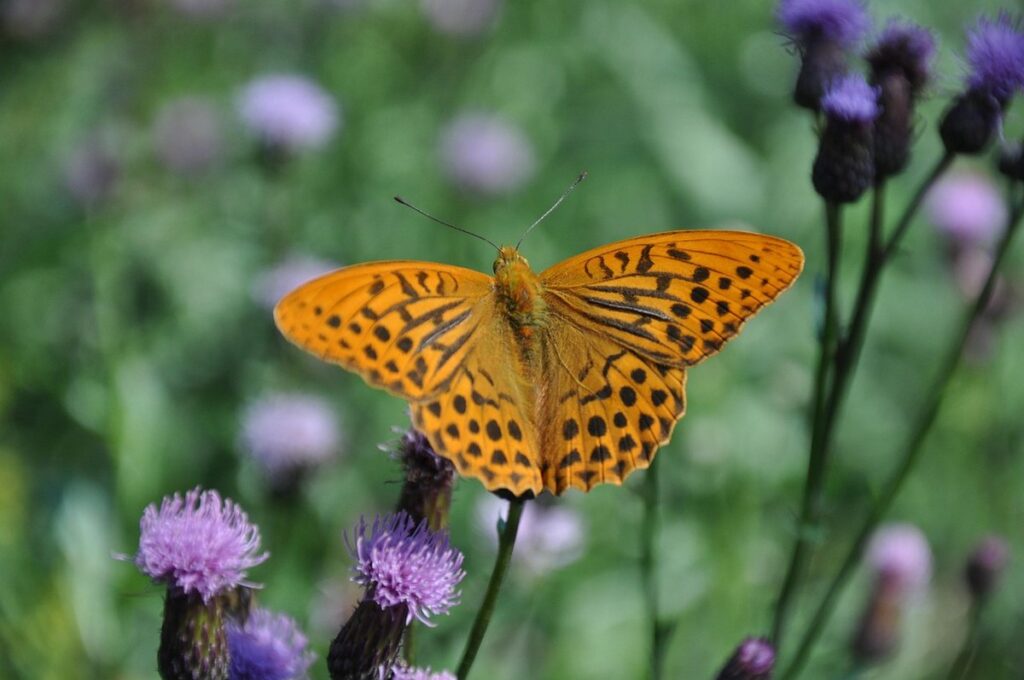
Understanding Butterfly Life Cycle and Host Plants
To truly appreciate butterfly host plants, it’s essential to understand their life cycle and how these plants play a crucial role in that process. This involves recognizing the stages of metamorphosis.
Importance of Host Plants in Butterfly Life Cycle
When it comes to the life cycle of butterflies, host plants play a vital role. These plants are not just essential for feeding but also provide shelter and facilitate reproduction. Butterflies rely on specific host plants to lay their eggs, which hatch into caterpillars that feed exclusively on these plants.
A butterfly’s caterpillar stage is crucial for its development, and the right host plant provides the necessary nutrients for growth. The caterpillar will feed on the plant leaves, stems, or flowers, depending on the species, before entering the pupal stage. Without access to a suitable host plant, butterflies may struggle to survive.
Butterflies also use host plants for shelter, particularly during the adult stage. They often perch on or near these plants to regulate their body temperature, hide from predators, and engage in courtship behaviors. By selecting the right host plants, you can create an inviting environment that supports the local butterfly population.
When choosing host plants for your garden, consider the specific needs of the butterfly species you want to attract. Planting a variety of native host plants will not only provide essential resources but also add beauty and diversity to your outdoor space.
Common Challenges Faced by Butterflies Due to Habitat Loss
When we think about the challenges facing butterfly populations, one of the most significant issues is habitat loss. Butterflies rely on specific host plants for survival, but when these habitats are destroyed or fragmented, it can have devastating consequences. The impact of habitat destruction can be seen in declining butterfly populations worldwide.
For instance, the monarch butterfly’s reliance on milkweed plants has made them particularly vulnerable to habitat loss. Without access to milkweed, monarch caterpillars cannot complete their life cycle, leading to a decline in population numbers. In fact, according to the Monarch Butterfly Conservancy, over 90% of monarch habitats have been lost due to urbanization and agriculture.
To mitigate this issue, it’s essential to preserve natural habitats and create butterfly-friendly environments. This can be achieved by planting host plants native to your region, reducing pesticide use, and creating corridors for butterflies to migrate through. By taking these steps, we can help ensure the long-term survival of these beautiful creatures and maintain the delicate balance of our ecosystem.
Selecting the Right Host Plants for Your Garden
When selecting host plants for your garden, it’s essential to choose species that attract specific butterfly species and thrive in your local climate and soil conditions. This section will guide you through making informed choices.
Choosing Plants Based on Butterfly Species
When selecting host plants for your garden, it’s essential to choose species that cater to specific butterfly needs. Different butterfly species have unique preferences when it comes to host plants, which serve as a food source for their larvae and provide shelter and protection.
Monarch butterflies, for instance, rely heavily on Milkweed (Asclepias spp.) as their primary host plant. This is because the monarch’s caterpillars feed exclusively on the leaves of Milkweed, incorporating the toxic compounds into their bodies, which they retain even as adults. Other butterfly species, such as Swallowtails, have a broader range of host plants and can thrive on Dill (Anethum graveolens) or Fennel (Foeniculum vulgare).
Gulf Fritillaries, on the other hand, favor Passionflower (Passiflora spp.) as their primary host plant. When choosing host plants for your garden, research the specific needs of the butterfly species you’re trying to attract and ensure that the plants you select are suitable for your region’s climate and soil conditions. This will not only support the local butterfly population but also create a thriving ecosystem in your garden.
Considerations for Plant Selection: Sunlight, Soil, and Maintenance
When selecting host plants for your butterfly garden, it’s essential to consider the specific needs of each plant. Sunlight is a critical factor to keep in mind, as most butterfly host plants require at least 6 hours of direct sunlight per day. For example, the caterpillars of the Monarch butterfly are known to thrive on milkweed (Asclepias spp.) plants that receive full sun.
Soil type is another crucial consideration. Some host plants, such as the Black Swallowtail’s favorite plant, the Carrot (Daucus carota), prefer well-draining soil with a pH between 6.0 and 7.0. On the other hand, the Eastern Tiger Swallowtail caterpillars can tolerate a wider range of soils, including clay loam.
Maintenance needs are also important to consider. Some host plants require frequent pruning or deadheading to promote healthy growth and encourage butterflies to visit your garden. For instance, the Passionflower (Passiflora spp.) requires regular pruning to control its spread and encourage blooming. By choosing host plants that thrive in your local climate and soil conditions, you’ll be creating a welcoming environment for these beautiful creatures.
Top Host Plants for Common Butterfly Species
To attract a variety of butterfly species, it’s essential to have host plants that cater to their unique needs. Here are top host plant recommendations for some of the most common butterfly species.
Monarch Butterflies and Milkweed
Monarch butterflies and milkweed have an extraordinary symbiotic relationship that’s crucial for their survival. This special bond is built on a delicate balance between the monarch caterpillars’ dependence on milkweed for food, and the plant’s reliance on them to disperse its seeds.
Milkweed plants (Asclepias spp.) are the sole source of food for monarch caterpillars in their early stages. The leaves contain toxic chemicals called cardenolides, which make the caterpillars unpalatable to predators. As they feed, the caterpillars ingest these toxins and store them in their bodies. When they transform into butterflies, these toxins remain, providing a defense mechanism against predators.
There are over 140 species of milkweed, but monarchs primarily rely on common milkweed (Asclepias syriaca), butterfly milkweed (Asclepias tuberosa), and swamp milkweed (Asclepias incarnata). When planting milkweed for monarchs, it’s essential to choose a native variety that thrives in your region. This will not only support the local ecosystem but also increase the chances of successful monarch caterpillar development.
By understanding this unique relationship, you can create a welcoming habitat for these magnificent creatures and contribute to their conservation efforts.
Black Swallowtails and Dill or Fennel
The Black Swallowtail butterfly is one of North America’s most iconic and widespread species. Its caterpillars have a specific requirement for host plants to complete their life cycle. The preferred hosts are those from the Carrot or Apiaceous family, with Dill (Anethum graveolens) and Fennel (Foeniculum vulgare) being two of the most commonly used.
When cultivating these host plants for Black Swallowtails, it’s essential to choose varieties that are known to be highly attractive to the caterpillars. ‘Fernleaf’ Dill is a popular choice among butterfly gardeners due to its compact growth habit and fragrance. For Fennel, ‘Anise’ is a favorite among swallowtail enthusiasts.
To attract Black Swallowtails to your garden, make sure to plant multiple host individuals close together. This will provide the caterpillars with an abundance of food sources and increase their chances of survival. Also, avoid using pesticides or herbicides in the vicinity of these plants, as they can harm the delicate balance of a butterfly ecosystem. By providing a healthy environment for Dill and Fennel to thrive, you’ll be well on your way to attracting these beautiful butterflies to your garden.
Gulf Fritillaries and Passionflower
The Gulf Fritillary (Agraulis vanillae) is one of North America’s most iconic butterflies, and it has a very specific host plant preference: the Passionflower (Passiflora spp.). This species of butterfly lays its eggs exclusively on Passionflower vines, and the caterpillars feed almost entirely on the leaves. When planting for Gulf Fritillaries, it’s essential to choose the right type of Passionflower.
There are several Passionflower species that attract Gulf Fritillaries, but some popular choices include Passiflora incarnata (Maypop) and Passiflora caerulea (Blue Passionflower). When selecting a variety, look for one that is native to your region and has the right climate requirements. Plant multiple vines close together to create a dense screen of leaves, which will attract more butterflies.
To care for these plants, provide full sun, well-draining soil, and regular watering. Fertilize sparingly, as over-fertilization can harm the plant. Prune Passionflower regularly to encourage new growth and prevent it from becoming leggy. By following these tips, you’ll be creating a Gulf Fritillary-friendly environment that will attract these beautiful butterflies to your garden.
Incorporating Native Plants in Your Garden
When creating a butterfly-friendly garden, incorporating native plants is crucial for attracting these beautiful creatures. Let’s explore how to seamlessly integrate native plants into your garden design.
Benefits of Native Host Plants
When you incorporate native host plants into your garden, you’re not only providing a haven for monarchs and other butterfly species to lay their eggs and raise their caterpillars, but also creating a thriving ecosystem that requires minimal maintenance. Native host plants are naturally adapted to the local climate and soil conditions, which means they need less watering, pruning, and fertilizing than non-native plants.
By choosing native host plants, you’re also contributing to biodiversity in your garden. These plants have co-evolved with local pollinators over thousands of years, ensuring a mutually beneficial relationship that supports the entire food chain. In fact, research has shown that gardens with native plants attract up to 50% more pollinators than those with non-native plants.
To take advantage of these benefits in your garden, start by identifying the native host plants specific to your region and climate. You can consult online resources or local nurseries for guidance. Plant a mix of annuals and perennials to provide year-round food sources for caterpillars and adult butterflies. With a little planning, you can create a haven that’s both beautiful and beneficial for the local ecosystem.
Examples of Native Host Plants for Different Regions
When selecting native host plants for your garden, it’s essential to choose species that are well-suited to your region and climate. This not only ensures the health and survival of your plants but also provides a suitable environment for monarch butterflies to thrive.
In the eastern United States, consider planting native milkweed (Asclepias syriaca or Asclepias incarnata) which is the primary host plant for monarch caterpillars. In contrast, the western region is home to the California pipevine (Aristolochia californica), a favorite of the pipevine swallowtail butterfly.
For gardeners in the southern states, consider incorporating passionflower (Passiflora spp.) or gulf fritillary host plants like passion flower vine (Passiflora ligularis). In cooler climates like those found in the Pacific Northwest, species such as Oregon sunshine (Eriophyllum lanatum) and western buttercup (Ranunculus occidentalis) serve as vital host plants.
When selecting native host plants, remember to choose varieties that are specific to your region and climate. This will ensure a thriving ecosystem for butterflies and provide you with years of enjoyment in your garden.
Creating a Butterfly-Friendly Garden
To create a haven for these beautiful creatures, let’s dive into the specifics of designing and planting a butterfly-friendly garden that will attract and support them throughout their life cycle. This section covers the essential elements to consider.
Designing a Diverse Garden with Multiple Host Plants
When designing a butterfly-friendly garden with multiple host plants, consider creating a diverse landscape that provides a variety of resources for these beautiful creatures. To do this, choose a mix of annuals and perennials that bloom at different times to offer nectar sources throughout the growing season.
For instance, plant milkweed in one area and black-eyed Susan’s nearby, allowing adult butterflies to feed on their nectar-rich flowers while laying eggs on the milkweed for caterpillars. Another tip is to incorporate native plants, which are more likely to attract local butterfly species. In addition to host plants, don’t forget to include a water source, such as a shallow dish or birdbath with fresh water and a few rocks for perching.
Aim for a minimum of three to five different host plant species in your garden to cater to various stages of the butterfly life cycle. For example, if you have monarchs visiting your garden, ensure that you have milkweed (Asclepias spp.), a critical host plant for their caterpillars, nearby.
Attracting Other Pollinators: Tips for Creating a Pollinator Paradise
Creating a pollinator paradise is not just about attracting butterflies, but also about providing a haven for other beneficial insects like bees, hummingbirds, and even bats. By incorporating nectar-rich flowers, shrubs, and trees into your garden, you can create a vibrant ecosystem that supports the health of these vital pollinators.
Consider planting a mix of annuals and perennials that are high in nectar content, such as zinnias, sunflowers, and lavender. These plants not only provide a sweet treat for pollinators but also attract beneficial insects like ladybugs and lacewings. You can also incorporate shrubs like butterfly bush, fuchsia, or rosemary, which offer both nectar and shelter for these visitors.
To make your garden even more pollinator-friendly, consider adding native plants that produce seeds, fruits, or berries. These resources will provide a vital source of energy and nutrients for local wildlife. For example, incorporating coneflowers, black-eyed Susans, or milkweed into your garden can provide food sources for hummingbirds and bees.
By following these tips, you’ll be well on your way to creating a pollinator paradise that attracts not just butterflies but also other beneficial insects, ultimately supporting the health of your local ecosystem.
Maintenance and Care of Host Plants
To get the most out of your butterfly host plants, it’s essential to learn how to properly care for them. This includes regular watering, pruning, and pest management techniques.
Watering and Fertilization Needs
When it comes to watering and fertilizing your host plants, it’s essential to strike the right balance. Overwatering can be detrimental to these sensitive plants, leading to root rot and attracting pests that prey on butterflies. To avoid this, water your host plants when the top 1-2 inches of soil feels dry to the touch.
Aim for about 1 inch of rainfall or irrigation per week, adjusting according to climate and temperature. Make sure not to get water on the leaves to prevent fungal diseases. During hot summer months, increase watering frequency but avoid getting waterlogged soil.
As for fertilization, feed your host plants with a balanced, slow-release fertilizer during their growth period (spring-fall). You can also use compost tea or worm casting to provide essential nutrients without burning your plants’ roots. Remember to dilute any fertilizer according to the manufacturer’s instructions and avoid overfertilizing, which can harm the plant and nearby wildlife.
Some host plants, like milkweed, have specific nutrient requirements. Research the unique needs of each species in your garden to ensure you’re providing optimal care for both plants and butterflies.
Common Pests and Diseases: Prevention and Management Strategies
Common pests and diseases can decimate host plants, ultimately affecting butterfly populations. To ensure the health and longevity of your host plants, it’s essential to be aware of potential threats.
Aphids, whiteflies, and caterpillars are common pests that feed on plant sap, causing curled or distorted leaves. To prevent these infestations:
* Inspect your plants regularly for signs of pests
* Use neem oil or insecticidal soap to control outbreaks
* Encourage beneficial insects like ladybugs and lacewings by planting companion flowers
Fungal diseases like powdery mildew, leaf spot, and root rot can also wreak havoc on host plants. Prevention strategies include:
* Providing adequate air circulation to prevent moisture buildup
* Avoiding overwatering, which can lead to root rot
* Pruning infected areas to contain the spread of disease
Regular monitoring and prompt action can help mitigate these issues. By taking proactive steps, you’ll be better equipped to safeguard your host plants and support the well-being of butterfly populations in your area.
Conclusion: Nurturing a Healthy Butterfly Population through Host Plants
Now that you’ve grown your butterfly garden, it’s essential to ensure you’re providing the right host plants for their caterpillars to thrive. This section offers practical tips for nurturing a healthy butterfly population through strategic plant selection.
Recap of Key Takeaways
As we conclude our exploration of butterfly host plants, it’s essential to remember that these incredible organisms play a vital role in supporting and sustaining healthy butterfly populations. Host plants provide the necessary sustenance for caterpillars to grow, develop, and eventually transform into adult butterflies.
Here are some key takeaways from this article:
• Choose the right host plant species based on the specific butterfly species you’re trying to attract. For example, monarch butterflies rely heavily on milkweed (Asclepias spp.), while black swallowtails prefer plants in the carrot family (Apiaceae).
• Plant a variety of host plants in your garden or outdoor space to cater to different butterfly species and support biodiversity.
• Incorporate native host plants into your landscape design to create a welcoming environment for local butterfly populations.
• Consider the specific growth habits, sun requirements, and soil preferences of each host plant when selecting which ones to grow.
• Regularly monitor and maintain your host plants to ensure they remain healthy and continue to provide optimal support for caterpillars.
By implementing these simple yet effective strategies, you can create a haven for butterflies in your own backyard or outdoor space.
Encouragement to Create Butterfly-Friendly Habitats
As you’ve learned about the importance of host plants for butterflies and have explored our list of butterfly-friendly plants, we encourage you to create your own butterfly haven. Not only will this provide a haven for these beautiful creatures, but it will also contribute to the overall health of your local ecosystem.
By creating a butterfly-friendly habitat in your garden or yard, you’ll be supporting the life cycle of butterflies and helping them thrive. This, in turn, can have a positive impact on the environment by attracting pollinators, decomposers, and other beneficial insects that are essential to a balanced ecosystem.
To get started, consider dedicating a specific area of your garden or yard to butterfly-friendly plants. Incorporate native flowers and shrubs that provide nectar for adult butterflies, as well as host plants that cater specifically to the needs of caterpillars. Remember to choose plants that are suitable for your region’s climate and soil type.
Incorporating these tips into your gardening routine can have a lasting impact on both local ecosystems and human well-being. By creating a haven for butterflies, you’ll not only be supporting biodiversity but also promoting relaxation, stress relief, and a deeper connection with nature.
Frequently Asked Questions
Can I use host plants from my local nursery or should I buy them online?
You can start by checking with your local nursery for native host plants suitable for your region. However, if you’re looking for a specific species that’s not readily available locally, buying from an online nursery specializing in butterfly host plants might be a better option.
What if I have limited space in my garden – how many host plants do I need to attract a variety of butterflies?
Even with limited space, incorporating 3-5 native host plants can make a significant difference. Focus on choosing species that are compact or dwarf varieties to maximize space efficiency and ensure they thrive in your specific climate.
Are there any specific considerations for planting host plants in containers?
When growing host plants in containers, make sure the potting mix is well-draining to prevent waterlogged soil, which can be detrimental to caterpillars. Also, choose containers with good air circulation to reduce the risk of disease and pest infestations.
Can I use pesticides on my host plants if I notice pests?
No, using pesticides on your host plants can harm or kill beneficial insects and have long-term effects on the ecosystem balance in your garden. Instead, adopt integrated pest management (IPM) strategies that focus on biological controls, physical barriers, and cultural practices.
How do I maintain my host plants throughout the year to ensure a healthy butterfly population?
Regular watering, fertilization, and pruning are essential for maintaining healthy host plants. Also, inspect your plants regularly for signs of pests or diseases, and adopt organic pest control methods when necessary. Prune your host plants after they’ve finished blooming to encourage new growth and prevent them from becoming leggy.