
Composting can be a wonderful way to reduce waste and create nutrient-rich soil for your garden, but sometimes things don’t go as smoothly as we’d like. Your compost bin is failing to break down food scraps or leaves, or maybe you’re dealing with unwanted odors or pests. Whatever the issue, it’s frustrating and might make you wonder if composting is worth the trouble.
Don’t worry – you’re not alone! In this article, we’ll explore common problems that can arise when using a compost bin, including signs of failure and potential contamination sources. We’ll also dive into advanced troubleshooting techniques to help you get your compost bin back on track. By the end of this post, you should have a better understanding of what’s going wrong and how to fix it, so you can enjoy a successful and odor-free composting experience.
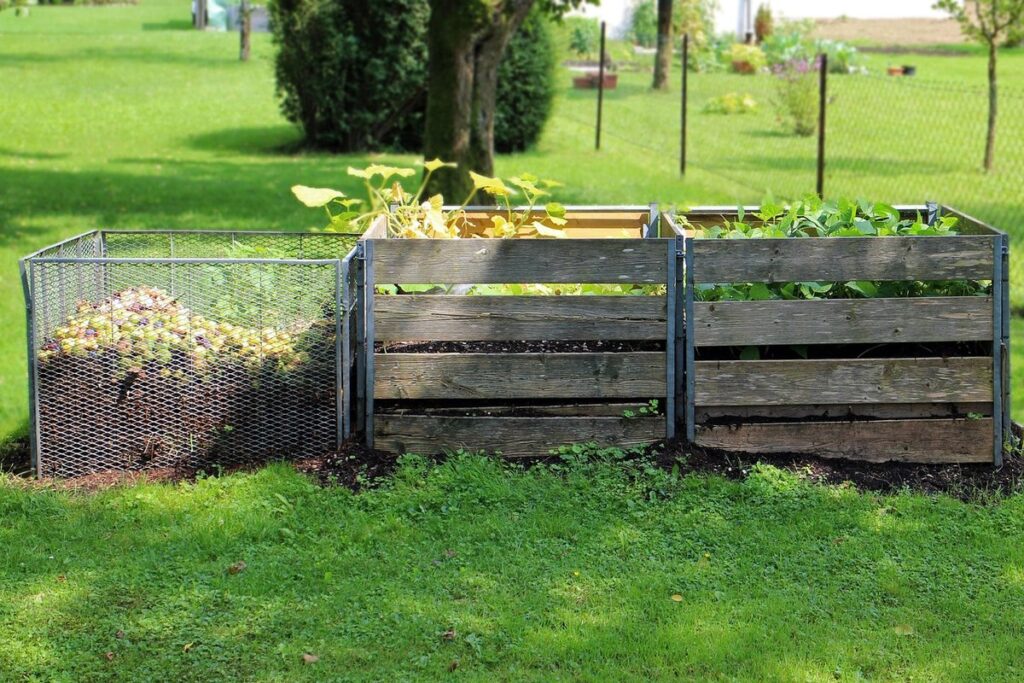
Understanding Compost Bin Problems
Don’t worry if your compost bin is giving you trouble, we’ve got you covered. This section will tackle common issues and help you identify their causes so you can get back to composting successfully.
Common Signs of a Failing Compost System
A failing compost system can be frustrating and unpleasant. One common sign is slow decomposition, where food scraps and yard waste take longer than expected to break down. This can lead to an accumulation of excess moisture, creating a breeding ground for pests and odor-producing bacteria. If you notice that your compost pile is not shrinking or breaking down at the usual rate, it may be due to insufficient carbon-to-nitrogen ratio, inadequate mixing, or insufficient oxygen levels.
Unpleasant odors are another indication of a failing compost system. This can happen when too many “green” materials (high in nitrogen) are added without sufficient “brown” materials (high in carbon). As a result, the anaerobic bacteria that thrive in these conditions produce unpleasant gases and odors. To avoid this, aim for a mix of 2/3 brown materials and 1/3 green materials, and turn your pile regularly to aerate it.
Pests can also be a problem when composting is not done correctly. If you notice rodents, flies, or other insects visiting your bin, it may be due to excess moisture, food scraps that are too wet or oily, or inadequate carbon-to-nitrogen ratio. To minimize pest problems, ensure your compost pile has adequate air circulation and turn it regularly to speed up decomposition.
Identifying the Root Cause of Compost Failure
Identifying the root cause of compost failure is crucial to resolving the issue and ensuring successful composting. When your compost bin isn’t performing as expected, it’s often a symptom of an underlying problem. Let’s break down common issues that can lead to compost failure.
Food scraps can be a major culprit if not managed properly. If you’re adding too many acidic or high-moisture foods like citrus or meat, they can throw off the pH balance and create anaerobic conditions, leading to unpleasant odors and slow decomposition. On the other hand, inadequate carbon-to-nitrogen ratio can also hinder the composting process.
Similarly, yard waste issues can arise from adding too much ‘green’ material (e.g., grass clippings) without sufficient ‘brown’ materials (e.g., leaves or shredded newspaper). This imbalance can create an ideal environment for pests and diseases to thrive. Regular maintenance habits, such as insufficient turning or inadequate aeration, can also lead to compost failure.
To identify the root cause of your compost bin’s problems, keep track of what you’re adding and how often you’re turning it. By monitoring these factors, you’ll be better equipped to address any underlying issues and get your compost bin back on track.
Recognizing Potential Contamination Sources
When it comes to composting, contamination can be a major issue. It’s essential to recognize potential sources of contamination that can affect the quality and safety of your compost. Some common contaminants include weeds with seeds, diseased or infested plants, pet waste, meat, dairy products, and oils.
Weeds with seeds can spread invasive species, while diseased or infested plants can introduce pathogens to your compost. Pet waste, in particular, can contain bacteria like E. coli and Salmonella, which can be hazardous to human health if not handled properly. Meat, dairy products, and oils also attract pests and create unpleasant odors.
To prevent contamination, make sure to separate “green” and “brown” materials and keep them at the right carbon-to-nitrogen ratio. Regularly turn your compost pile to aerate it, which can help kill off any pathogens or weed seeds. Also, consider using a bin with a secure lid to prevent pests from getting into your compost. By being mindful of potential contaminants and taking steps to prevent them, you can create high-quality compost for your garden.
Common Issues with Compost Bin Types
Let’s tackle some of the most common issues you might encounter with different types of compost bins, from maintenance woes to pest problems. We’ll dive into specific solutions for each one.
Rotting Smells in Indoor Compost Bins
When using an indoor compost bin, unpleasant odors can be a major concern. Rotting smells in these bins are often caused by inadequate aeration. This is because the microorganisms breaking down organic matter require oxygen to function efficiently. If there’s not enough airflow, they produce volatile compounds that give off strong, unpleasant odors.
Another common reason for rotting smells in indoor compost bins is overloading. Adding too much food waste or other materials can lead to anaerobic conditions, where microorganisms thrive without sufficient oxygen. This results in the production of hydrogen sulfide gas, a potent odor-causing compound. To avoid this issue, it’s essential to balance the input and output of materials in your compost bin.
To minimize rotting smells, make sure to:
* Add a mix of “green” (food waste) and “brown” (dry leaves, straw) materials to maintain a balanced carbon-to-nitrogen ratio.
* Keep the bin’s lid slightly ajar to ensure adequate airflow.
* Regularly turn or stir the contents to prevent matting and promote even decomposition.
Moisture Problems in Outdoor Compost Bins
When using outdoor compost bins, maintaining optimal moisture levels is crucial for effective decomposition. Unfortunately, many gardeners struggle with this aspect, leading to problems like mold growth, pest infestations, and unpleasant odors.
One common issue with outdoor compost bins is excessive moisture due to rainfall or high humidity. This can cause the compost to become waterlogged, creating an ideal environment for anaerobic bacteria to thrive. As a result, your compost may start to smell foul and attract pests like rodents and flies.
To address this problem, ensure that your compost bin has adequate ventilation to allow excess moisture to escape. You can also add dry ingredients like straw or shredded newspaper to absorb excess water. Another solution is to create a drainage system by installing a perforated pipe at the bottom of the bin. This will direct excess moisture away from the compost pile.
Regular monitoring and turning of the compost pile can also help maintain optimal moisture levels. By introducing more brown materials (like dry leaves or shredded newspaper) and balancing them with green materials, you’ll achieve the perfect carbon-to-nitrogen ratio and prevent excessive moisture buildup.
Pests and Rodents in Compost Bins
Pests and rodents can be attracted to compost bins due to the abundance of food waste and moisture they contain. These unwanted visitors can quickly take over a bin, making it necessary for you to implement effective pest control methods.
Common pests that target compost bins include fruit flies, ants, rodents, and even raccoons. To deter them, start by ensuring your bin is at least 10 feet away from any structures or food sources, reducing the likelihood of attracting unwanted visitors. Regularly turning and aerating your compost can also help speed up decomposition and reduce moisture levels, making it less appealing to pests.
Some practical tips for pest control include using physical barriers like fine mesh screens or covering your bin with a tight-fitting lid. You can also use natural deterrents like diatomaceous earth or cayenne pepper to repel ants and rodents. Another effective method is adding a 2-inch layer of finished compost on top of new additions, as this helps to create an environment less conducive to pests.
By implementing these simple strategies, you can minimize the risk of pest infestations and keep your compost bin running smoothly.
Troubleshooting Compost Bin Maintenance
When pesky issues arise with your compost bin, don’t panic – we’ve got you covered! This section will walk you through common problems and their easy fixes to get you back on track.
Inadequate Aeration: Causes and Solutions
Aeration is one of the most critical factors to consider when composting. Without adequate airflow, microorganisms that break down organic matter won’t thrive, leading to a slow and inefficient composting process.
Signs of inadequate aeration include a strong odor emanating from the bin, as well as the presence of anaerobic pests like rodents or flies. Anaerobic conditions can also cause the compost to become slimy or moldy.
To improve airflow in your compost bin, start by adding more coarse materials like twigs and branches to provide oxygen-rich pathways for microorganisms to grow. You can also turn the compost regularly, using a pitchfork or shovel to aerate the pile and redistribute heat and moisture.
Another solution is to consider a tumbling composter or a rotating drum design, which can help mix and aerate the material without manual intervention. By prioritizing aeration, you’ll be able to create a balanced and thriving compost ecosystem that will ultimately produce high-quality finished compost for your garden.
Overloading or Underloading the Compost Bin
When it comes to maintaining a healthy compost bin, achieving the right balance of materials is crucial. Overloading or underloading can lead to problems such as unpleasant odors, pests, and poor decomposition.
To determine if your compost bin is overloaded, look for signs like excessive moisture, pests infesting the bin, or an overpowering smell. If you notice any of these issues, it’s likely that the bin has too many “wet” materials like food scraps and grass clippings. On the other hand, underloading can cause decomposition to slow down, leading to a buildup of carbon-rich materials.
To adjust the balance, start by removing excess wet materials or adding more dry materials like twigs, leaves, or shredded newspaper. Aim for a mix that’s 2/3 “brown” (dry) materials and 1/3 “green” (wet) materials. For example, if you add a large batch of food scraps, balance it out by adding some shredded cardboard or dried leaves. By monitoring the bin’s contents and making adjustments as needed, you can maintain a healthy balance and ensure your compost bin operates at its best.
Maintaining Optimal Moisture Levels
Maintaining optimal moisture levels is crucial for a healthy compost bin ecosystem. Too little moisture can cause dry, crumbly compost that doesn’t break down efficiently, while too much moisture can lead to anaerobic conditions, unpleasant odors, and pests.
To monitor moisture levels, insert your hand into the pile up to the wrist. If it feels dry, you need to add more water. If it’s damp but not soaking, you’re on the right track. Aim for a consistency similar to a damp sponge. If you notice excessive moisture or mold growth, turn the pile to aerate it and speed up decomposition.
Regularly checking your compost bin is essential to prevent these issues. You can also cover your bin with a lid or tarp to maintain humidity and regulate moisture levels. A good rule of thumb is to add water in the morning and evening to keep the moisture consistent throughout the day. Aim for 50-60% moisture content, which allows microbes to thrive without creating anaerobic conditions.
Advanced Troubleshooting Techniques
If you’ve tried the basic troubleshooting steps and still can’t get your compost bin running smoothly, it’s time to dive into more advanced techniques. We’ll explore specialized fixes for common issues.
Using Thermometers to Monitor Compost Temperatures
Monitoring compost temperatures is crucial to ensuring optimal decomposition and preventing issues. A thermometer helps you keep track of these temperatures, which can fluctuate due to factors like moisture levels, carbon-to-nitrogen ratios, and pile size.
Signs that indicate overheating include a temperature above 160°F (71°C), accompanied by unpleasant odors, mold growth, or an increase in pests. These symptoms often occur when the compost pile is too dense, lacks sufficient airflow, or has excessive green materials. Conversely, underheating signs include temperatures below 130°F (54°C) and slow decomposition.
To monitor compost temperatures effectively, place a thermometer probe into the center of the pile, ideally at the midpoint between the top and bottom layers. Check the temperature daily or every other day to make necessary adjustments. Aim for temperatures within the optimal range of 130-140°F (54-60°C), which allows for efficient decomposition without compromising the quality of your compost.
By using thermometers to monitor compost temperatures, you’ll be able to identify potential issues early on and take corrective action to prevent damage or contamination.
Monitoring pH Levels for Optimal Composting
Monitoring pH levels is a crucial aspect of compost bin management. When pH levels are out of balance, it can lead to reduced microbial activity, decreased nutrient availability, and even affect the overall health of plants that will be grown with the finished compost.
To maintain optimal pH ranges, aim for a slightly acidic to neutral environment between 6.0-7.5. You can monitor pH levels using pH test kits or probes available at most gardening stores. Regularly check your compost pile’s pH levels, ideally once every week during active decomposition.
Maintaining an optimal pH range is achievable by incorporating materials that promote acidity or alkalinity into your compost mix. For example, adding peat moss or pine needles can help acidify the mixture, while dolomitic limestone or crushed eggshells can raise the pH level. By regularly monitoring and adjusting pH levels, you’ll be able to create a balanced environment that fosters healthy microbial activity and optimal nutrient availability for your finished compost. This will ensure that your compost bin is running efficiently and producing high-quality compost.
Addressing Odor Issues with Activated Carbon
One of the most frustrating issues with compost bins is the unpleasant odor that can develop over time. If you’re experiencing this problem, don’t worry – there are several solutions to help eliminate odors and keep your bin fresh. One effective method for reducing odors in compost bins is using activated carbon.
Activated carbon, also known as activated charcoal, has been shown to be an excellent odor absorber. You can place a small bag of activated carbon inside the compost bin or mix it into the compost pile itself. As the carbon absorbs moisture and odors, it will help neutralize unpleasant smells and keep your bin smelling fresh.
Other methods for reducing odors in compost bins include maintaining good airflow by regularly turning the pile, keeping the bin covered to prevent pests from attracting attention with strong scents, and ensuring that the bin has adequate drainage. To take odor control a step further, consider adding odor-reducing microorganisms such as beneficial bacteria or yeast to your compost pile.
Frequently Asked Questions
What should I do if my compost bin has been sitting idle for a long time, and now it’s full of pests?
If your compost bin has become infested with pests due to prolonged inactivity, start by removing any dead or rotting materials that may be attracting the pests. Then, carefully inspect the bin for any cracks or holes and seal them to prevent re-infestation. Finally, restart the composting process by adding fresh materials and ensuring adequate aeration.
How often should I turn my compost pile, especially if it’s large?
Turning your compost pile regularly is essential for maintaining optimal decomposition rates and preventing matting. For large piles, aim to turn them at least once every 7-10 days to ensure even moisture distribution and air circulation. Use a fork or shovel to gently mix the materials without compacting the pile.
What can I do if my indoor compost bin starts to smell despite regular maintenance?
Indoor compost bins can be prone to odor issues due to inadequate ventilation or excess moisture. To address this, try increasing the frequency of turning and adding more carbon-rich materials like dried leaves or shredded newspaper. You can also place a small fan near the bin to improve air circulation and speed up evaporation.
Can I use my compost bin year-round, even in freezing temperatures?
While it’s possible to maintain a compost bin through winter, extreme cold temperatures can slow down decomposition rates significantly. To keep your compost pile active during this time, ensure it’s well-insulated with a lid or tarp and add materials that are high in carbon content to help balance out the moisture levels.
What’s the best way to integrate new food waste into an existing compost bin without disrupting the decomposition process?
When introducing new food waste to your compost bin, aim to do so gradually by adding it in small amounts over a few days or weeks. This allows the microorganisms to adjust and adapt to the changing material composition, reducing the risk of odor issues or pests.