
Watering your houseplants can be a delicate dance, as overwatering is just as detrimental as underwatering. Whether you’re a seasoned plant parent or a newcomer to the world of indoor gardening, getting the frequency just right is crucial for keeping your plants happy and thriving. But how often should you water your houseplants? The answer lies in understanding the unique needs of each species, taking into account factors like soil moisture, environmental conditions, and plant responses. In this ultimate guide, we’ll explore the best practices for watering your houseplants, including frequency tips, methods for checking soil moisture, and expert advice on adjusting schedules based on external factors. By the end of this article, you’ll be equipped with the knowledge to give your plants exactly what they need – no more, no less.
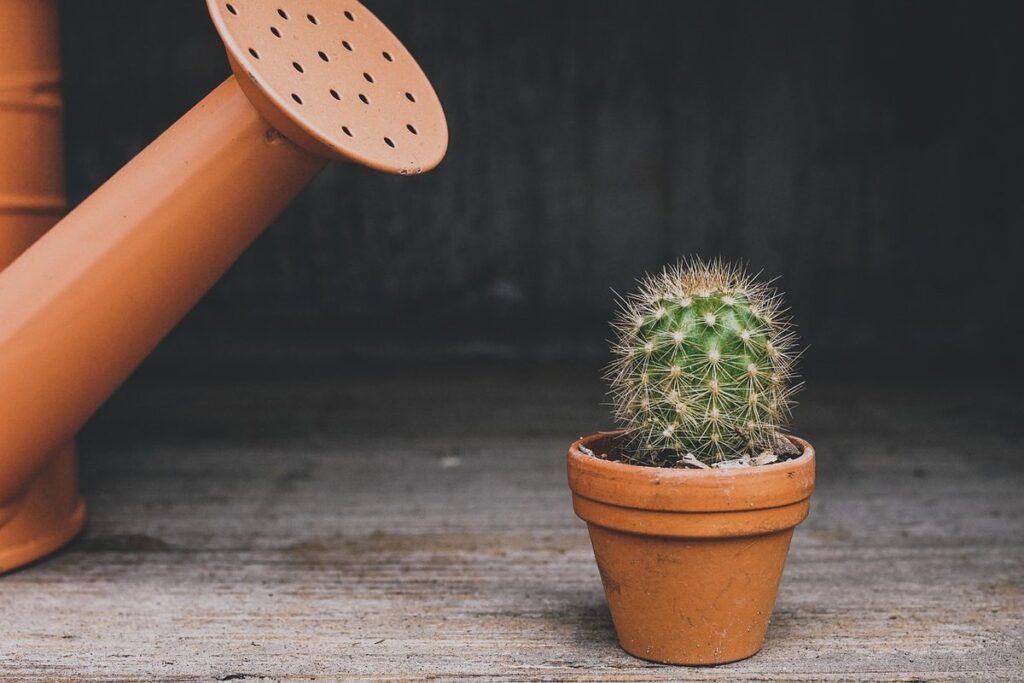
Understanding Houseplant Needs
To truly master the art of watering your houseplants, it’s essential to understand their individual needs, which can vary greatly depending on factors such as light and soil type.
Types of Houseplants and Their Watering Requirements
When it comes to watering houseplants, understanding their specific needs is crucial. Not all plants are created equal, and what works for one plant may not work for another. For instance, cacti and succulents require much less water than ferns or peace lilies.
* Cacti and Succulents: These plants store water in their stems, so they need infrequent watering. Water them sparingly (about once a week) during the spring and summer months when they’re actively growing.
* Ferns and Peace Lilies: These plants prefer moist soil but can be prone to overwatering. Water them thoroughly (about 2-3 times a week) in the spring and summer, but reduce watering to once a week in the fall and winter.
* Tropical Plants: Plantas such as Bromeliads, African Violets, and Begonias require consistent moisture levels. Water them every 7-10 days during the growing season.
It’s also essential to consider factors like temperature, humidity, and soil type when determining watering needs for your plants.
Factors Affecting Plant Watering Needs
When it comes to watering your houseplants, it’s not just about sticking to a schedule. Environmental factors play a significant role in determining their water needs. Let’s take a closer look at the key factors that impact how often you should be watering your plants.
Temperature is one of the most critical factors affecting plant watering needs. Plants grown in warmer temperatures tend to require more frequent watering, as they lose more moisture through transpiration. Conversely, those kept in cooler environments can usually get by with less water. For instance, if you have a snake plant that thrives in your living room at 75°F (24°C), it may need watering every 7-10 days. However, if you move it to a cooler spot near the window, it could survive on once-a-week watering.
Light exposure is another crucial factor. Plants grown in bright, direct light lose more moisture through evaporation and require more water than those in low-light conditions. Soil type also plays a significant role – well-draining potting mixes dry out faster than dense or heavy ones. Be mindful of these factors when adjusting your watering schedule to ensure you’re meeting the specific needs of each plant.
Determining the Right Frequency for Your Plants
Now that we’ve covered the basics of watering, let’s talk about frequency: how often should you water your houseplants to keep them happy and thriving?
Soil Moisture Check Method
Checking soil moisture levels is an essential step in determining whether your houseplant needs watering. To do this, you’ll need a finger or a moisture meter. Insert the finger into the soil up to the first knuckle, or gently insert the probe of the moisture meter until it hits the soil. This will give you a good idea of how moist or dry the soil is.
If the soil feels dry and crumbly, it’s likely time to water your plant. On the other hand, if it feels wet or soggy, wait a few more days before checking again. Remember that overwatering can be detrimental to your plants’ health, so it’s always better to err on the side of caution.
Using a moisture meter is also an option, especially for those with less experience in plant care. These devices provide accurate readings and can help you avoid underwatering or overwatering your plants.
Watering Schedule Templates and Examples
Having a reliable watering schedule is crucial for maintaining healthy houseplants. To help you create an effective schedule, we’ve put together some examples tailored to different types of plants.
For tropical plants like ferns and peace lilies, water them once a week during the spring and summer months when they’re actively growing. During the fall and winter, reduce watering to every 10-14 days as their growth slows down.
Succulents and cacti are more forgiving but still require attention. Water these plants sparingly, allowing the soil to dry out completely between waterings. For example, a succulent may need watering only once every 2-3 weeks during the summer months.
To create your own schedule, consider factors like plant size, potting mix, and location. Observe your plants’ responses to different watering frequencies and adjust accordingly. Keep in mind that overwatering is more common than underwatering, so it’s better to err on the side of caution.
Monitoring Plant Responses for Adjustments
Now that you’re familiar with basic watering schedules, it’s time to pay attention to your plant’s unique responses and make adjustments as needed. Observe how they react to different levels of moisture.
Signs of Overwatering and Underwatering
When it comes to watering your houseplants, it’s easy to get caught up in the rhythm of adding water every week or so without paying attention to the subtle signs that indicate whether your plants are receiving too little or too much moisture. However, recognizing these signs is crucial for making adjustments and striking a perfect balance.
Overwatering can lead to a range of issues, including yellowing leaves, droopy stems, and an increased risk of root rot. If you notice your plant’s leaves have turned from their usual vibrant color to a dull yellow or pale green, it may be a sign that the roots are sitting in water for too long. On the other hand, underwatered plants will exhibit wilted leaves, brittle stems, and sometimes a crunchy texture.
To address these issues, take note of your plant’s specific watering needs based on its species, soil type, and climate. Some plants prefer moist but not soggy conditions, while others can tolerate more drought-like environments. Monitor your plants closely, checking the moisture levels by gently sticking your finger into the soil or weighing them in a pot with water to gauge their hydration level.
Making Data-Driven Decisions with Experience
As you continue to care for your houseplants, it’s essential to monitor their responses to different watering frequencies. This may seem like a straightforward task, but it requires attention and analysis to make informed decisions. Start by observing the physical changes in your plants after each watering session.
Note down the date, frequency of watering, and any noticeable changes in your plant’s leaves, stems, or roots. Take photographs for visual reference. For instance, if you notice yellowing leaves or droopy stems following a specific watering schedule, it may be an indication that your plant is receiving too much water.
Track this data over time to identify patterns and correlations between the frequency of watering and your plant’s responses. Consider creating a spreadsheet or using a gardening app to record and analyze your findings. By analyzing these trends, you’ll gain valuable insights into your plant’s specific needs and preferences. This information will enable you to make adjustments to your watering schedule with confidence, ensuring optimal care for your plants.
Additional Factors Influencing Watering Frequency
Beyond basic plant type and environment, several additional factors will significantly impact how often you should water your houseplants. Let’s explore these important variables together.
Climate Change and Seasonal Variations
As you’ve learned about the basic watering needs of your houseplants, it’s essential to consider additional factors that can impact their frequency. Climate change is a crucial aspect to take into account when determining how often to water your plants.
Rising global temperatures are leading to unpredictable weather patterns, making it challenging to establish a consistent watering schedule. Local climate changes can affect precipitation levels, causing droughts or floods in various regions. For instance, some areas may experience more frequent heatwaves, increasing evaporation rates and requiring more frequent watering. On the other hand, others might face heavy rainfall events that could lead to root rot if not managed properly.
Seasonal variations also play a significant role in plant watering needs. Spring and summer months typically require more water due to higher temperatures and humidity levels. Autumn and winter, however, demand less water as plants enter a dormant phase and growth slows down. By understanding your local climate and seasonal changes, you can adjust your watering schedule accordingly. Consider monitoring weather forecasts, soil moisture levels, and plant responses to make informed decisions about your houseplants’ needs.
Travel and Vacation Considerations
When you’re away from home for an extended period, it can be challenging to maintain the perfect watering schedule for your houseplants. However, there are several considerations you can keep in mind to ensure their health and well-being during your absence.
One of the most crucial factors is choosing a plant that’s adaptable to different watering conditions. For instance, succulents and cacti require minimal watering as they store water in their leaves and stems. These plants can survive for weeks without water, making them ideal for busy individuals or those who frequently travel.
If you have other types of houseplants, such as tropical species like ferns or peace lilies, consider investing in an automated watering system that allows you to set a schedule based on your plant’s specific needs. This way, even when you’re away from home, your plants will receive the right amount of water at the right time.
Another option is asking a trusted friend or family member to water your plants while you’re away. Alternatively, consider consulting with a local nursery or gardening expert for personalized advice on caring for your specific houseplants during extended absences.
Common Myths Debunked: Separating Fact from Fiction
You’ve probably heard that houseplants need to be watered every day, or maybe even never at all. But which one is true? Let’s get to the bottom of some common watering myths!
The Myth of the “Set-and-Forget” Watering Schedule
While it’s tempting to set a schedule and forget about watering your houseplants, this approach can lead to overwatering, underwatering, or neglect. Houseplants have unique needs that change with the seasons, and a “set-and-forget” mindset won’t account for these fluctuations.
In reality, monitoring plant responses is crucial to finding the right balance. Observe your plants’ leaves, stems, and roots to determine if they’re getting too much or not enough water. Look for signs of drought stress, such as yellowing leaves or droopy stalks, and adjust your watering schedule accordingly. On the other hand, overwatering can cause root rot and lead to fungal diseases.
To develop a more effective watering strategy, pay attention to changes in temperature, humidity, and light levels in your home. These environmental factors will impact your plants’ water needs. For example, during dry winter months, you may need to water your plants more frequently than in the humid summer. By being attentive and adaptable, you can create a tailored watering schedule that suits each plant’s specific needs, ensuring they thrive under your care.
Other Misconceptions About Houseplant Care
Another common misconception about houseplant care is that you should water your plants whenever their soil feels dry to the touch. While this might seem like a straightforward approach, it’s not always accurate. In reality, the moisture level of the top layer of soil can be different from the roots deeper down. Overwatering or underwatering can occur if you rely solely on feel.
To give you a better idea, consider the type of potting mix you’re using and the plant’s specific needs. For example, a cactus might require much less water than a fern or peace lily. A general rule of thumb is to check the soil moisture by sticking your finger into the soil up to the first knuckle. If it feels dry there, it’s likely time for watering.
Keep in mind that some plants, like African Violets and Begonias, prefer more consistent moisture levels, while others, such as Succulents and Cacti, can tolerate drier conditions. Get familiar with your plant’s unique needs to avoid the guesswork.
Advanced Techniques for Customizing Your Watering Schedule
Now that you have a solid grasp on basic watering frequency, let’s dive into more advanced techniques to fine-tune your watering schedule and get the best results from your plants.
Using Soil Moisture Sensors
Using soil moisture sensors can be a game-changer for houseplant enthusiasts who want to optimize their watering schedule. These devices measure the water content in the soil, providing accurate readings that help you avoid overwatering and underwatering. To get started, choose a sensor that’s specifically designed for indoor plants and follows these steps: first, place the sensor near your plant’s roots, then download the accompanying app to track moisture levels and receive alerts when it’s time to water.
Some popular options include Wi-Fi enabled sensors like the Parrot Flower Power or Bluetooth-enabled sensors like the Gardyn. These devices often come with features such as customizable alerts, historical data tracking, and even automated watering systems that can be integrated with your smart home setup. For example, the Parrot Flower Power app allows you to set custom moisture thresholds and receive notifications when your plant needs attention.
By incorporating soil moisture sensors into your routine, you’ll enjoy healthier plants, reduced waste, and a more efficient use of your time – perfect for busy plant parents!
Experimenting with Drip Irrigation Systems
Experimenting with Drip Irrigation Systems can be a game-changer for houseplants. This method of watering delivers water directly to the roots of the plant, reducing evaporation and runoff. To get started, you’ll need a drip irrigation system specifically designed for indoor plants, which usually consists of a water reservoir, tubing, and emitters.
When setting up your drip irrigation system, consider the type of plant you’re working with. For example, cacti and succulents require less frequent watering, so you can space out the drips accordingly. On the other hand, tropical plants like ferns and peace lilies prefer more consistent moisture levels.
One key aspect to keep in mind is that drip irrigation systems rely on gravity, so make sure the water reservoir is placed at a height above the plant’s roots. This will ensure a steady flow of water throughout the system.
To fine-tune your drip irrigation system, observe how your plants respond to different watering schedules. You may need to adjust the frequency or duration of the drips based on factors like temperature, humidity, and light exposure. With some trial and error, you’ll be able to create an efficient and effective watering schedule that meets the unique needs of each plant in your care.
Conclusion and Final Tips
Now that you’ve mastered the art of watering your houseplants, it’s time to put everything into practice. Here are a few final tips to help you keep your plants happy and thriving.
Recap of Key Takeaways and Recommendations
In this comprehensive guide to watering your houseplants, we’ve covered everything from understanding the unique needs of different plant species to implementing a tailored watering schedule. To recap, let’s review the key takeaways and recommendations.
To water your houseplants effectively, it’s essential to understand their specific needs based on factors like climate, potting mix, and light exposure. For example, plants placed in bright, direct sunlight require more frequent watering than those in low-light conditions. Similarly, tropical plants prefer moist soil, while cacti and succulents thrive in dry environments.
A well-designed watering schedule is also crucial to avoid overwatering or underwatering your houseplants. As we discussed earlier, it’s best to water when the top 1-2 inches of soil feels dry to the touch. You can also use a moisture meter to ensure you’re not overwatering, which can lead to root rot and other problems.
Another critical aspect is monitoring the plant’s response to watering. Keep an eye out for signs like droopy leaves, yellowing, or wilting, indicating that your plant needs more water. Conversely, if your plant seems too wet or soggy, it may be a sign of overwatering.
To take your houseplant care to the next level, consider implementing these final tips:
* Water in the morning to allow plants to absorb excess moisture throughout the day
* Adjust watering schedules seasonally, taking into account temperature fluctuations and humidity levels
* Choose pots with good drainage holes to prevent waterlogged soil
* Consider repotting your houseplants during spring or summer when they’re actively growing
By following these key takeaways and recommendations, you’ll be well on your way to becoming a confident houseplant caretaker. Remember to stay attentive, monitor plant responses, and adjust your watering schedule as needed to ensure the health and happiness of your beloved plants.
Frequently Asked Questions
How can I determine if my houseplant is already receiving adequate moisture from its potting mix?
When checking soil moisture, gently stick your finger into the soil up to the first knuckle, then remove it. If the soil feels dry or crumbly, it’s time to water. However, if it’s still moist but not wet, wait a day or two before watering again.
Can I use a general watering schedule for all my houseplants, or do I need to adjust it based on their specific needs?
It’s best to tailor your watering schedule to each plant’s unique requirements. Even within the same species, individual plants may have different needs due to factors like soil type and environmental conditions. Monitor their responses and adjust your schedule accordingly.
How often should I water my houseplants during periods of drought or water scarcity?
During extreme weather conditions, it’s essential to reduce watering frequency to avoid overwatering. Check the soil moisture more frequently, and only water when necessary. You can also consider using a soil moisture sensor for more accurate readings.
Can I use a self-watering potting mix to reduce my watering responsibilities?
Self-watering mixes can be beneficial in some cases, but they’re not a substitute for proper watering habits. Still monitor the plant’s response and adjust your watering schedule as needed. These mixes often rely on capillary action or water reservoirs, which may not meet all your plant’s needs.
What are some signs that my houseplants need more frequent watering?
Keep an eye out for droopy leaves, yellowing or browning tips, and a general decrease in plant growth. If you notice these symptoms, it may be time to increase the frequency of watering, but always check soil moisture first to avoid overwatering.