
Are you tired of spending hours every week tending to your garden, only to have it looking lackluster just weeks later? Perennial borders are the perfect solution for busy gardeners like you. Not only do they offer stunning displays of color and texture throughout the seasons, but they also require minimal maintenance.
Creating a perennial border that meets your needs can seem daunting, especially if you’re new to gardening or have limited space and budget. But with our comprehensive guide, you’ll be able to create a beautiful, low-maintenance garden that brings joy and serenity to your outdoor living spaces. We’ll cover the key elements of plant selection, design tips, and seasonal interest ideas, ensuring that your perennial border is a haven for both you and local wildlife. Let’s get started on creating a stunning and enduring garden masterpiece!
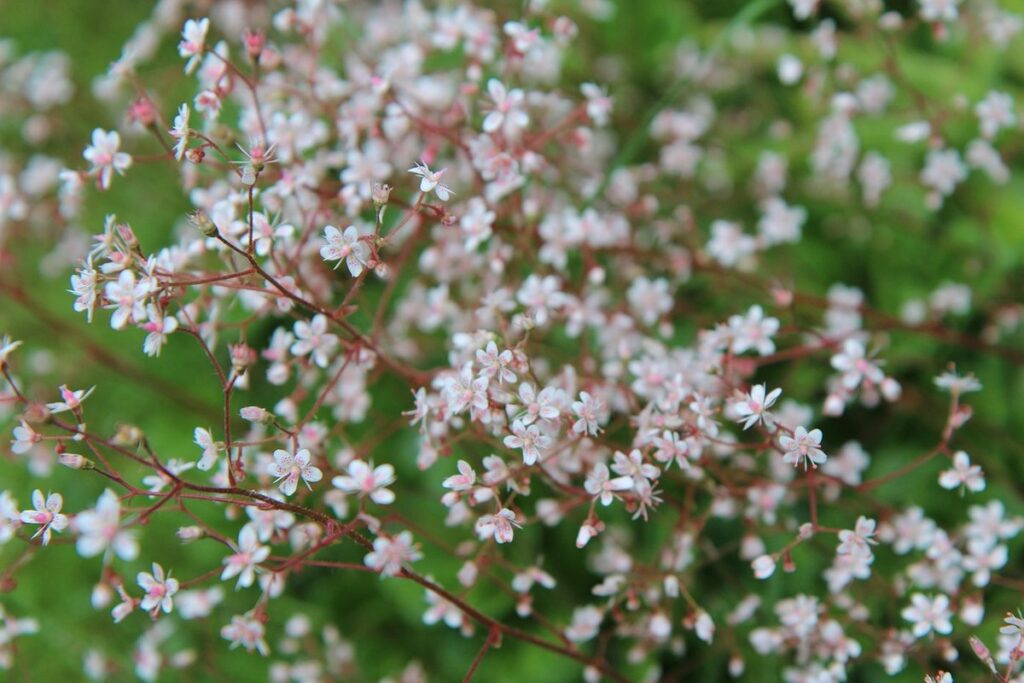
Understanding Perennial Borders
When designing a perennial border, understanding its fundamental principles is crucial for creating a harmonious and thriving space that requires minimal maintenance. This section will break down these essential concepts to get you started.
What Are Perennial Borders?
A perennial border is a type of garden design that offers a low-maintenance and long-term solution for gardeners. These borders feature plants that come back year after year, providing a constant source of beauty and interest in the garden.
One of the main benefits of perennial borders is their ability to establish themselves quickly. Unlike annual gardens, which require replanting every season, perennials can be planted once and will return year after year with minimal maintenance. This not only saves time but also reduces the financial burden of constantly purchasing new plants.
Perennial borders differ from annual gardens in several ways. For one, they often have a more relaxed, natural appearance, as the plants are allowed to grow and spread freely. This creates a sense of movement and texture in the garden that is often lacking in traditional beds filled with annuals. Additionally, perennials can be chosen for their specific growing habits and blooming times to create a layered effect throughout the seasons.
Types of Perennial Borders
When it comes to designing perennial borders, there are several types of gardens that cater to different tastes and environments. One popular type is the cottage garden, characterized by its lush and informal appearance. These gardens feature a mix of flowering perennials, shrubs, and grasses, often with a nostalgic charm. For example, a cottage-style perennial border might include plants like peonies, roses, and delphiniums, which provide a romantic and whimsical feel.
Woodland gardens are another type of perennial border that thrive in shaded areas. These gardens feature shade-loving perennials, such as hostas, astilbe, and ferns, which create a sense of mystery and seclusion. Meadow gardens, on the other hand, evoke a more rustic and naturalistic feel, featuring plants like coneflowers, black-eyed Susans, and ornamental grasses.
When designing your perennial border, consider the type of garden that suits your taste and environment. For instance, if you have a shaded area, opt for woodland-style perennials to create a sense of seclusion. If you prefer a more naturalistic look, meadow gardens might be the way to go. By selecting plants that fit your chosen style, you can create a unique and beautiful perennial border that enhances your outdoor space.
Plant Selection for Perennial Borders
When selecting plants for your perennial border, it’s essential to consider their growth habits, bloom times, and textures to create a visually appealing display. This section will guide you through the process of making informed choices.
Choosing Plants by Bloom Time
When selecting perennials for your border, one key consideration is choosing plants that bloom at different times to ensure a constant display of flowers throughout the growing season. This approach is often referred to as “succession planting” or “staggered blooming.” By selecting a mix of early-spring, mid-summer, and late-fall bloomers, you’ll create a dynamic and ever-changing display of color.
To begin, identify the main bloom periods in your region. In temperate climates, for example, spring-blooming perennials like tulips and daffodils typically emerge in March and April, while summer bloomers like black-eyed Susans and coneflowers peak in June and July. Late-summer to fall bloomers, such as sedums and asters, often begin their show in August or September.
When selecting perennials for your border, consider the following factors: soil requirements, sunlight needs, and mature plant size. Ensure that each plant has the right conditions to thrive. For example, if you choose a perennial that requires full sun, be sure to select companion plants with similar light requirements. By balancing bloom times and growth habits, you’ll create a harmonious and visually appealing border.
Incorporating foliage Plants
When it comes to designing perennial borders, many gardeners focus solely on flowering plants. However, incorporating foliage plants into the mix can add a whole new level of depth and interest to the space. These plants provide texture and structure even when flowering perennials are dormant or not in bloom.
Foliage plants come in a wide range of shapes, sizes, and colors, allowing you to choose options that complement your existing flowers and add visual contrast. For example, consider pairing delicate ferns with bold, statement flowers like peonies or roses. This combination creates a beautiful balance of light and dark, adding movement and interest to the border.
Incorporating foliage plants also helps to fill gaps in the border during periods of dormancy. This is especially important in colder climates where perennials may be dormant for several months. By selecting plants with attractive foliage, you can maintain visual appeal even when flowering plants are not in bloom. Some excellent options include ornamental grasses, succulents, and hostas.
When choosing foliage plants, consider the growing conditions of your garden. Select plants that thrive in the same light levels and soil types as your existing perennials to ensure a harmonious coexistence. With thoughtful planning and selection, foliage plants can become an integral part of your perennial border design, providing year-round interest and beauty.
Designing a Perennial Border
When designing a perennial border, choosing plants that thrive together is key, as is selecting a layout that balances texture and color to create visual interest. This section will walk you through these crucial decisions.
Considerations for Small Spaces
Designing a perennial border in small spaces requires careful consideration of plant selection and layout. When working with limited space, it’s essential to choose compact or dwarf varieties that won’t overwhelm the area. Consider using perennials like succulents, sedums, or miniature hostas, which are naturally more compact and require less maintenance.
For container gardens or raised beds, select plants with a spread of 6-12 inches to prevent overcrowding. Layering plants of different heights can add visual interest without taking up too much space. For example, place taller perennials like lavender or catmint towards the back, while shorter ones like creeping thyme or sweet woodruff spill over the edges.
When designing a narrow strip of land, prioritize vertical growth with trellises or obelisks to make the most of the available space. Train vining perennials like clematis or honeysuckle up these supports to create a lush, full display without sacrificing valuable square footage.
Incorporating Hardscapes and Ornamental Elements
When designing a perennial border, incorporating hardscapes and ornamental elements can elevate its beauty and functionality. Hardscapes, such as paths, patios, and retaining walls, provide structure and define different areas within the garden. They also help to guide visitors through the space and create a sense of flow.
Ornamental elements like statues, benches, and water features add visual interest and personality to the perennial border. A beautiful statue or sculpture can serve as a focal point, drawing the eye to a specific area of the garden. Benches and seating areas invite relaxation and contemplation, allowing visitors to pause and appreciate the beauty around them.
When incorporating hardscapes and ornamental elements, it’s essential to consider the overall design aesthetic and how these features will interact with the perennials. A well-designed hardscape can create a sense of depth and layering, while an ornamental element like a water feature can add movement and sound to the space.
By balancing structure and visual interest, you can create a cohesive and inviting perennial border that showcases your beautiful perennials in a unique and engaging way.
Maintenance and Care
To keep your perennial border looking its best, regular maintenance is key. We’ll walk you through essential care tasks to ensure your beautiful design thrives for years to come.
Pruning and Deadheading
Pruning and deadheading are essential maintenance tasks for perennials in your border design. Pruning helps maintain a plant’s shape, promotes healthy growth, and encourages blooming. Deadheading removes spent flowers to direct the plant’s energy towards producing new blooms instead of seed production.
When to prune depends on the type of perennial. For example, cut back spring-flowering bulbs like tulips after they finish blooming in summer. Perennials with a tendency to become leggy, such as daylilies and salvias, require regular pruning throughout the growing season to maintain their shape. Remove dead or damaged stems from perennials like hostas and coral bells in late winter or early spring.
Some plants benefit from a more extensive renovation every few years. This involves cutting back entire clumps of plants to a height of about 6 inches above ground level. Examples include peonies and bearded irises, which often require this type of rejuvenation to maintain their vigor. Remember that pruning should be done with the right tools, like sharp, clean blades or loppers, to avoid spreading diseases between cuts.
Mulching and Watering
Mulching is an essential aspect of perennial border maintenance that provides numerous benefits for both the plants and the soil. By retaining moisture in the soil, mulch helps perennials conserve water and reduces the need for frequent watering. This is especially important during hot summer months when evaporation rates are high. Mulch also acts as a barrier, suppressing weed growth by preventing seeds from germinating and reducing competition for resources.
When choosing a mulch for your perennial border, consider the color and texture of the surrounding plants to ensure harmony and blend seamlessly into the landscape. Organic mulches like wood chips or bark retain moisture better than inorganic options and can help regulate soil temperature, keeping it cooler in summer and warmer in winter.
To determine if your perennials need water, check for signs of drought stress such as wilted leaves, yellowing foliage, or premature blooming. Water thoroughly during dry spells to compensate for lost moisture. Avoid overwatering by allowing the top 2-3 inches of soil to dry out between waterings.
Seasonal Interest in Perennial Borders
As we explore how to create stunning perennial borders, let’s talk about seasonal interest: how to make each area shine throughout the year. From spring bulbs to winter berries, it’s all about clever planning and choice of plants.
Winter Interest
As we navigate the colder months, it’s easy to assume that our perennial borders go dormant along with the rest of the garden. But why let winter be an excuse to neglect this beautiful space? With a little creativity and planning, you can create a winter garden that not only stays frosty but also remains visually stunning.
One way to achieve this is by incorporating evergreen plants into your border design. These hardy shrubs and perennials retain their foliage year-round, providing a lush backdrop for the season’s bare trees and skeletal branches. Consider adding conifers like spruce or fir, as well as boxwood, holly, or rosemary to add depth and texture.
Ornamental grasses are another excellent choice for winter interest. Their delicate plumes can catch the snowflakes beautifully, creating a picturesque scene that’s both serene and dramatic. And don’t forget about decorative accents – frosty snowflakes, icicles, or even a snow-covered trellis can add a whimsical touch to your winter garden.
Remember to keep maintenance in mind when selecting plants for your winter interest display. Choose varieties that require minimal pruning, watering, and fertilizing during this time of year. With these simple tips, you’ll be well on your way to creating a beautiful and low-maintenance winter garden that’s sure to delight visitors all season long.
Summer Display
Summer is the perfect time to showcase the vibrant flowers and foliage of perennials in your garden. To create a dynamic display, combine plants with different growth habits, textures, and bloom times. For example, pair tall spikes of verbena or delphiniums with shorter, compact blooms like dwarf coneflowers or black-eyed Susans.
Consider adding plants with varying leaf textures to add depth to your border. Smooth-leaved hostas or coral bells provide a soothing contrast to the coarse texture of ornamental grasses like pampas grass or fountain grass. To maximize bloom time, incorporate perennials that flower in succession, such as peonies in early summer and coneflowers later in the season.
Don’t forget to include some foliage plants that provide interest even when they’re not in bloom. Plants like smokebush, burning bush, or goldenrod offer stunning fall color and add structure to your border. By thoughtfully combining these elements, you can create a vibrant summer display that attracts attention from visitors and pollinators alike.
When selecting plants for your summer display, consider factors like mature size, growth rate, and sun requirements. Be mindful of the mature height of taller plants and ensure they won’t overcrowd smaller companions. This will help prevent competition for resources and allow each plant to thrive in its own space.
Budgeting for Your Perennial Border
When planning a perennial border, it’s essential to consider your budget and make informed decisions that balance style with affordability. Let’s explore some practical tips on creating a beautiful border within your means.
Initial Investment vs Long-term Savings
When planning a perennial border, it’s essential to consider both the initial investment and long-term savings. Perennials are often misunderstood as being high-maintenance, but they can be a cost-effective option for gardeners who want to create a beautiful landscape without breaking the bank.
The initial investment for setting up a perennial border may seem steep, especially if you’re planting a large number of perennials at once. However, consider this: with proper care and maintenance, perennials can last for 10-20 years or more, reducing replacement costs over time. In contrast, annuals typically need to be replanted every year, which can add up quickly.
To put this into perspective, let’s say you spend $500 on planting a mix of perennials in your border. Over the next 5 years, you’ll only need to replace a few plants that have reached the end of their lifespan. Meanwhile, if you were using annuals, you’d need to replant the entire border every year at a cost of around $1,000 annually. With perennials, you can save money on replacement costs while enjoying the same level of beauty and diversity in your garden.
Tips for a Thrifty Perennial Border Design
When designing a perennial border on a budget, it’s essential to think creatively and make the most of the resources you have. One way to do this is by repurposing materials from around your garden or home. For example, consider using old bricks or stones to create a decorative edging for your border, or repurpose an old wooden fence as a trellis for climbing perennials.
When it comes to choosing plants, opt for affordable options that still offer great blooms and foliage. Some examples of budget-friendly perennials include coneflower, black-eyed Susan, and coral bells. To make the most of your plant selection, group similar plants together in clusters rather than spreading them out evenly. This will create a lush, full appearance while reducing waste.
Another creative landscaping technique is to use layered planting. Plant tall perennials towards the back of the border, followed by mid-level plants and finishing with smaller, flowering plants towards the front. This will create a visually appealing depth without breaking the bank on expensive plants or materials.
Frequently Asked Questions
Can I create a perennial border with a limited budget?
Converting an existing garden bed to a low-maintenance perennial border is possible on any budget. Start by prioritizing plants that are native to your region or have similar growing conditions, reducing the need for costly fertilizers and pest control products. Consider repurposing materials from other areas of the garden, like old stones or bricks, to create hardscapes and ornamental elements.
How do I choose perennial plants suitable for small spaces?
Choosing perennials that thrive in smaller spaces requires careful consideration of growth habits and mature sizes. For example, compact varieties of daylilies, coneflowers, or black-eyed Susans are perfect for tight spaces. Also, consider layering plants with different heights and bloom times to create a visually appealing display throughout the seasons.
Can I incorporate both annuals and perennials in my border design?
While perennial borders excel at providing year-round interest without constant replanting, incorporating annuals can add bursts of color and vibrancy. However, be mindful of the impact on your overall maintenance needs, as annuals often require more care than their perennial counterparts.
How do I determine the best location for my perennial border?
When selecting a spot for your perennial border, consider factors like sunlight patterns, soil type, and moisture levels. For instance, plants that prefer full sun should be placed in areas receiving direct sunlight for most of the day, while those requiring partial shade can thrive in spots with dappled light.
Can I use mulch in my perennial border?
Mulching is an excellent way to reduce weed growth and retain soil moisture in your perennial border. However, make sure to choose a type that won’t compete with plant roots for water or nutrients, such as organic options like wood chips or bark dust. Regularly replenish the mulch layer to maintain its effectiveness.