
If you’re a gardener who’s struggled to keep cabbage moths from devouring your prized vegetables, you’re not alone. These pesky insects can quickly wreak havoc on even the healthiest-looking cabbage and broccoli plants, leaving behind a trail of destruction and disappointment. But don’t worry – there are effective control methods that can help you prevent this damage and save your harvest. In this article, we’ll explore both organic and chemical options for managing cabbage moths in vegetable gardens, as well as integrated pest management strategies that combine the best of both worlds. We’ll also cover some practical tips on how to identify infestations early on and implement control measures before it’s too late. By the end of this post, you’ll be equipped with the knowledge you need to protect your garden from these unwanted pests.
Understanding Cabbage Moths and Their Life Cycle
To effectively manage cabbage moths, it’s essential to understand their life cycle and behavior, which can vary depending on factors such as climate and food availability. Let’s take a closer look at how they grow and develop.
The Importance of Identifying Cabbage Moth Infestations
Identifying cabbage moths is crucial for effective control, and it’s not just about saving your crop from damage. The consequences of neglecting this step can be significant, affecting not only your yield but also your garden’s reputation.
If you fail to detect an infestation early on, the damage can spread quickly, leading to substantial losses in terms of time, effort, and resources. Cabbage moths can consume entire plants, leaving behind a trail of ravaged leaves and stalks that are both unsightly and unpalatable. The emotional impact shouldn’t be underestimated either – a severely damaged garden can dent your pride as a gardener.
To make matters worse, cabbage moth infestations can spread to neighboring gardens or even local markets, tarnishing your reputation as a responsible gardener. This is why vigilance and swift action are essential in controlling cabbage moths. Regular monitoring of your plants for signs of infestation – such as holes in leaves or the presence of caterpillars – will enable you to intervene before the damage spirals out of control.
Stages of the Cabbage Moth Life Cycle
Understanding the life cycle of cabbage moths is crucial for effective control in vegetable gardens. The four stages of their development are: egg, larva, pupa, and adult.
The female cabbage moth lays her eggs on the underside of leaves or directly on the cabbage itself, typically within a week of mating. These tiny white eggs are about 1-2 mm long and may take anywhere from 3 to 10 days to hatch, depending on temperature and humidity conditions.
Once hatched, the larvae emerge as small, greenish-yellow caterpillars with distinct yellow stripes along their length. They have a voracious appetite for cabbage leaves and can devour entire plants in a short span of time. Pupa formation occurs when these larvae burrow into the soil to transform into pupae. During this stage, which usually lasts around 2 weeks, they do not feed but are highly vulnerable to insecticides.
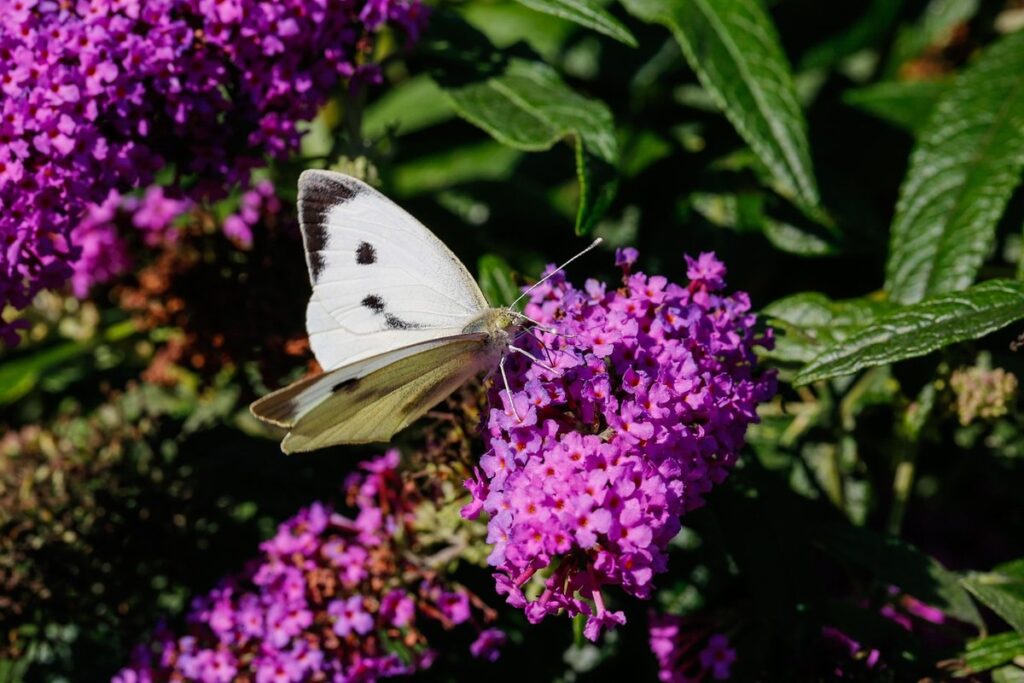
The adult cabbage moth emerges from the pupa after 2-3 weeks, often at dusk or dawn. Its wings are a mix of brown and gray colors with white stripes, allowing it to blend in seamlessly with its surroundings. Female moths will begin mating shortly after emergence, starting the cycle anew.
Environmental Factors Contributing to Cabbage Moth Infestations
When it comes to managing cabbage moth infestations in vegetable gardens, understanding the role of environmental factors is crucial. Temperature and humidity play a significant role in determining the success of these pests.
Cabbage moths thrive in temperatures between 60°F and 80°F (15°C and 27°C), with optimal growth occurring at around 70°F (21°C). This means that areas with mild winters and warm summers are more prone to infestations. On the other hand, temperatures below 40°F (4°C) can slow down their development, but this might not be enough to prevent infestations entirely.
Humidity also affects cabbage moths’ ability to infest gardens. They prefer a humid environment with a relative humidity of around 80%, which is often found in areas with high rainfall or irrigation. Poor air circulation and dense vegetation can exacerbate the issue, allowing eggs to hatch more easily.
Crop rotation is another essential factor to consider. Cabbage moths tend to target brassicas, such as cabbage, broccoli, and cauliflower, repeatedly. Avoiding planting these crops in the same location for at least two years can help reduce infestation risks.
Organic Control Methods for Cabbage Moths
If you’re looking for a more natural and chemical-free approach to controlling cabbage moths, these organic methods are worth exploring. They can be effective alternatives to traditional pesticides.
Physical Barriers: Traps and Row Covers
When it comes to controlling cabbage moths in vegetable gardens, physical barriers can be an effective and non-toxic method of deterring adult moths. One such barrier is the sticky trap, which works by attracting and trapping moths using pheromones or other attractants. These traps are usually yellow in color, as moths have a strong affinity for this hue.
To use sticky traps effectively, place them near cabbage plants at dusk when moths are most active. The adhesive coating will capture the moths, preventing them from laying eggs on your crops. While sticky traps can be effective, it’s essential to check and replace them regularly to ensure they remain sticky and continue to attract moths.
Another useful physical barrier is row covers, lightweight fabrics that allow plants to breathe while keeping pests out. Row covers can be used in conjunction with other control methods or as a standalone solution. Simply drape the fabric over your cabbage plants, securing it with rocks or clips to prevent wind damage.
Crop Rotation and Companion Planting Strategies
Crop rotation is one of the most effective organic methods to control cabbage moths. By changing the crop layout and incorporating specific plants, you can disrupt their life cycle and reduce infestations. For example, planting a non-host crop like beans or peas alongside cabbage can prevent the moths from laying eggs. Marigolds are another excellent companion plant that repels nematodes, which are often found in soil with high cabbage moth populations.
Incorporating certain plants into your rotation plan can also help break the life cycle of cabbage moths. For instance, nasturtiums and calendula contain chemical compounds that repel adult moths, preventing them from reaching the cabbage plants. Planting these flowers near your cabbage crop can create a buffer zone and prevent moth infestations.
To implement this strategy effectively, choose crops with different growing cycles to avoid sequential planting of host crops. This approach will help reduce the buildup of pests like cabbage moths in your garden.
Organic Insecticides and Pesticides
When it comes to controlling cabbage moths organically, you’ve got several effective options at your disposal. Bt (Bacillus thuringiensis) is a popular choice for its ability to target the caterpillars specifically without harming beneficial insects or the environment. This bacterium produces a toxin that kills the larvae, preventing them from developing into adult moths.
Another option is neem oil, derived from the seeds of the neem tree. Its active ingredient, azadirachtin, disrupts the insect’s hormone system, ultimately leading to their death. Neem oil can be applied directly to affected plants or used as a preventative measure by spraying it on foliage. Spinosad, a naturally occurring compound found in soil bacteria, is also effective against cabbage moth larvae.
When using these organic pest control methods, always follow the recommended application rates and timing to avoid harming beneficial insects like bees and butterflies. It’s also essential to integrate multiple strategies for optimal results, such as introducing natural predators or parasitoids of the cabbage moth caterpillar.
Chemical Control Methods for Cabbage Moths
To control cabbage moths, you can use chemical methods such as insecticidal soap and spinosad, which are effective against larvae and adult moths.
Bt Toxins: A Targeted Approach
Bt toxins are a popular choice for targeted cabbage moth control due to their high specificity and low environmental impact. These naturally occurring bacteria produce proteins that are toxic to the larvae of cabbage moths, but harmless to other beneficial insects.
When using Bt toxins, it’s essential to choose the right product for your garden needs. There are different strains available, each targeting specific pests. For cabbage moth control, you’ll want to look for products containing Bacillus thuringiensis kurstaki (Btk) or Bacillus thuringiensis aizawai (Bta). These strains have been shown to be effective against the larvae of various cabbage moth species.
To use Bt toxins effectively, follow these guidelines:
* Spray the product on the affected plants when the larvae are present, typically in the evening or early morning
* Use the recommended concentration to avoid over-dosing and potential harm to other beneficial insects
* Repeat applications may be necessary depending on the severity of the infestation
Some gardeners also mix Bt toxins with neem oil or insecticidal soap for enhanced efficacy. However, be sure to test a small area first to ensure compatibility and avoid any adverse effects.
Systemic Insecticides: Pros and Cons
Systemic insecticides can be an effective tool for controlling cabbage moths, but it’s essential to weigh their pros and cons before using them in your vegetable garden. On the one hand, systemic insecticides can provide long-lasting protection against cabbage moths by being absorbed into the plant’s tissues. This means that even if an infested caterpillar eats a treated leaf, it will eventually die from the toxic effects of the pesticide.
However, there are significant risks associated with using systemic insecticides, particularly for beneficial insects like bees and butterflies. These compounds can be transported through nectar or pollen to non-target species, potentially harming them or even killing them outright. Furthermore, some systemic insecticides have been linked to environmental contamination and human health concerns.
Before using systemic insecticides in your garden, make sure to check the label carefully for specific instructions on application rates and safety precautions. Consider also opting for integrated pest management (IPM) strategies that combine multiple techniques for controlling cabbage moths, such as crop rotation, physical barriers, and biological controls. By taking a holistic approach to pest control, you can minimize your reliance on systemic insecticides and maintain a balanced ecosystem in your garden.
Timing and Application Methods for Chemical Controls
When it comes to applying chemical controls for cabbage moths in your vegetable garden, timing is everything. It’s essential to spray at the right stage of infestation to ensure effective control and minimize harm to beneficial insects.
The ideal time to apply chemical controls is when you first notice egg clusters or larvae on your plants. This is usually around 7-10 days after eggs have hatched, as this is when they are most vulnerable. However, if you’re using an insect growth regulator (IGR), it’s best to apply it 3-5 days before eggs hatch, so the IGR can prevent egg laying and larvae development.
When applying chemical controls, always follow the product instructions carefully and take necessary safety precautions. Wear protective clothing, including gloves and a mask, and avoid spraying during peak sun hours or in windy conditions. Additionally, be sure to spray the undersides of leaves and any crevices where eggs may be hiding, as these areas are often overlooked.
It’s also crucial to choose the right product for your garden. Opt for an insecticide that targets cabbage moths specifically, such as spinosad or Bacillus thuringiensis (Bt). Avoid using broad-spectrum pesticides that can harm beneficial insects and create more problems in the long run.
Integrated Pest Management (IPM) Strategies
Let’s dive into some effective IPM strategies that can help you control cabbage moths without harming your garden. We’ll explore techniques to prevent infestations and reduce pest populations naturally.
Monitoring and Scouting for Cabbage Moths
Monitoring and scouting for cabbage moths is an essential component of effective control. It allows you to detect infestations early on, preventing damage from escalating into costly and labor-intensive measures. Start by regularly inspecting your garden, paying attention to signs such as caterpillar eggs on the underside of leaves or small holes in leaves.
Use a combination of visual inspection and active monitoring methods to stay ahead of cabbage moth populations. For example, you can use sticky traps or pheromone traps to capture adult moths, while also deploying monitoring cards with sex pheromones to detect male activity.
Consider implementing a grid system for your garden, dividing it into smaller sections that can be inspected regularly. This will help you pinpoint areas of infestation and target control efforts accordingly. With regular monitoring in place, you’ll be able to respond promptly to signs of infestation, ensuring that your cabbage crop is protected from the ravages of these pests.
Record Keeping and Data Analysis for Improved Control
Record keeping and data analysis are crucial components of an effective Integrated Pest Management (IPM) strategy for controlling cabbage moths in vegetable gardens. By tracking and analyzing pest activity, you can identify patterns and trends that inform your control decisions.
Start by recording the dates and locations where you’ve observed cabbage moth damage or infestations. Note any weather conditions or other factors that may have contributed to the issue. You should also monitor the types of plants affected and the severity of damage. This data will help you pinpoint areas that require more attention.
Data analysis can reveal correlations between pest activity and environmental factors, such as temperature fluctuations or rainfall patterns. For instance, if you find that cabbage moth infestations consistently occur during periods of high humidity, you can adjust your control strategies accordingly. By tailoring your approach to the specific conditions in your garden, you’ll be better equipped to manage cabbage moths effectively and minimize their impact on your crop.
Prevention and Maintenance Strategies
To successfully control cabbage moths, it’s essential that you implement effective prevention and maintenance strategies to prevent infestations from taking hold. This involves regular monitoring and proactive measures.
Crop Selection and Varieties Resistant to Cabbage Moths
When it comes to preventing cabbage moth infestations in your vegetable garden, choosing the right crop varieties can be a crucial step. This is because some plants are naturally more susceptible to cabbage moths than others. For instance, cauliflower, broccoli, and kale are among the most commonly affected crops.
If you’re looking for alternatives or want to select varieties that are less prone to infestations, consider these options:
* ‘Early Snowball’ and ‘Snow Crown’ cauliflower varieties have shown resistance to cabbage moths in some studies.
* Broccoli cultivars like ‘Deep Purple’, ‘Waltham 29’, and ‘Packman’ exhibit better tolerance against the pests.
* Kale varieties such as ‘Russian Red’, ‘Dwarf Blue Curled’, and ‘Lacinato’ also tend to fare well.
When selecting resistant or less susceptible varieties, remember that they may still require some level of protection. Monitor your plants regularly for signs of infestation, even if you’ve chosen a more resilient variety. This proactive approach will help ensure that your crop yields are optimal despite the presence of cabbage moths.
Garden Sanitation and Weeding Practices
Maintaining a clean and well-weeded garden is crucial in preventing cabbage moth infestations. Cabbage moths thrive in environments with abundant food sources, which can be found in dense vegetation and weeds. Regularly removing weeds and debris from your garden not only makes it less appealing to the adult moths but also reduces the likelihood of their larvae feeding on your plants.
When weeding, focus on areas around cabbage and other brassica plants as these are the primary targets for cabbage moths. Use a combination of physical removal methods such as pulling or digging up weeds, along with mulching to suppress weed growth. It’s essential to remove weeds before they produce seeds, which can lead to re-infestation.
In addition to weeding, keep your garden free from debris and clutter. Remove any fallen leaves or rotting plant matter, as these can attract adult moths. By maintaining a tidy garden environment, you’ll reduce the likelihood of cabbage moths laying eggs near your plants, ultimately preventing infestations.
Additional Considerations for Effective Control
When it comes to effective cabbage moth control, there are several additional factors you should consider beyond basic treatment strategies. Let’s explore some of these key considerations together.
IPM and Cultural Controls
Integrating cultural controls into your IPM strategy is crucial for effective cabbage moth control. Pruning and thinning are two essential cultural practices that can help reduce the risk of infestation.
When it comes to pruning, remove any weak or damaged plants, as these tend to be more attractive to cabbage moths. Also, trim back any overgrown plants to improve air circulation and sunlight penetration. This will not only make your garden look tidy but also create an environment that’s less conducive to pest development. Thin out overcrowded areas, allowing for proper spacing between plants.
By doing so, you’ll be reducing the amount of food sources available to cabbage moths, making it more difficult for them to establish themselves in your garden. This is a simple yet effective step in controlling their population. Remember, cultural controls should always complement other control methods like pesticides and physical barriers. By integrating these practices into your IPM strategy, you’ll be well on your way to achieving effective cabbage moth control in your vegetable garden.
Regulatory Requirements and Label Instructions
When using chemical control methods to manage cabbage moths in your vegetable garden, it’s essential to be aware of relevant regulatory requirements and label instructions. These guidelines are put in place to ensure the safe use of pesticides and protect both you and the environment.
Check the product label for pre-harvest intervals (PHIs) before applying any chemical control methods. PHIs specify the number of days between the application of a pesticide and when the treated plants can be harvested for human consumption. For example, if you apply a pesticide with a 14-day PHI, you must wait at least two weeks after treatment before harvesting your cabbage or other vegetables.
Additionally, familiarize yourself with local regulations regarding the use of pesticides in home gardens. Some jurisdictions may have restrictions on the types of chemicals that can be used or require registration for gardeners who plan to use certain products. Always read and follow label instructions carefully, and take necessary precautions when handling chemicals to avoid exposure.
In some cases, you may need to obtain a permit before using specific pesticides in your garden. Check with local authorities to determine if any permits are required.
Frequently Asked Questions
What is the optimal timing for applying physical barriers like row covers to prevent cabbage moths from laying eggs?
Apply row covers at the beginning of the growing season, when your crops are still small, to prevent adult cabbage moths from reaching them. This can be a few weeks after transplanting seedlings outdoors or as soon as the soil has warmed up enough for planting.
Can I use the same chemical control methods for both cabbage and broccoli plants?
While some chemical control methods may be effective against both cabbage moths and other pests, it’s essential to choose products specifically labeled for use on your specific crop. Using the wrong product can lead to ineffective results or even harm your plants.
How often should I monitor my garden for signs of cabbage moth infestation, especially if using integrated pest management strategies?
Monitor your garden regularly, ideally every 3-4 days during peak moth activity periods (usually late spring and early summer). This will allow you to catch any emerging issues before they escalate into full-blown infestations.
Can I use companion planting as a standalone method for managing cabbage moths, or is it most effective when combined with other control methods?
Companion planting can be an effective supplementary method for managing cabbage moths. However, relying solely on this approach may not provide adequate protection against severe infestations. Combine companion planting with other methods like crop rotation, physical barriers, and organic insecticides for more comprehensive control.
What are the key factors to consider when choosing a garden location that can help minimize cabbage moth infestations?
When selecting a garden site, choose areas with good air circulation, as moths have difficulty flying in windy conditions. Also, avoid planting near weeds or tall vegetation that may harbor pests. Consider using raised beds or containers, which tend to be less appealing to cabbage moths than in-ground gardens.