
If you’re looking for an easy and cost-effective way to multiply your favorite plants, then softwood cuttings propagation is definitely worth exploring. Not only is this method perfect for beginners, but it also allows you to share plant varieties with friends and family or even start a small nursery. However, successful propagation requires attention to detail and the right techniques.
In this comprehensive guide, we’ll walk you through every step of softwood cuttings propagation, from preparing your tools and plant material to rooting and post-rooting care. You’ll learn how to identify the perfect time for taking softwood cuttings, how to prepare them for rooting, and what conditions are necessary for successful growth. By following these simple steps and tips, you’ll be well on your way to becoming a skilled propagator and enjoying the satisfaction of growing new plants from scratch.
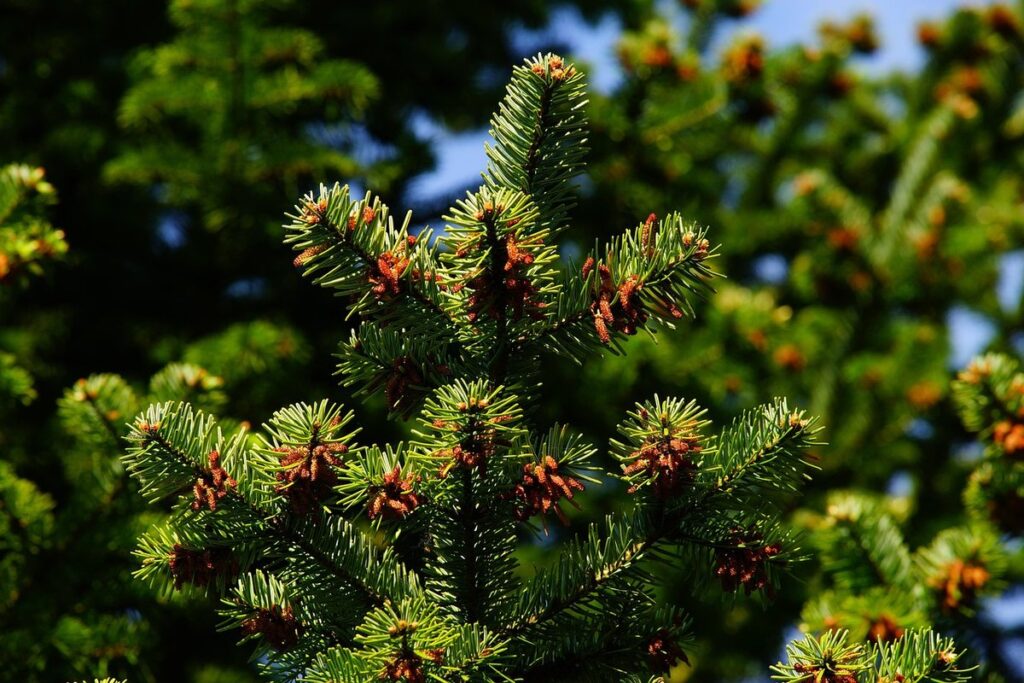
Understanding Softwood Cuttings
Softwood cuttings are a type of stem cutting that is taken from newly formed shoots, typically during late spring to early summer when the wood is still soft and pliable. Learning how to prepare these cuttings is crucial for successful propagation.
What are Softwood Cuttings?
Softwood cuttings are a type of plant propagation technique used to reproduce plants during their active growing season. They are taken from non-woody stems that are usually green and have a high water content, making them ideal for rooting. Softwood cuttings are typically harvested in the spring or early summer when the plant is producing new growth.
The importance of softwood cuttings lies in their ability to produce roots quickly, often within 2-6 weeks, depending on the species and growing conditions. This method is especially useful for propagating plants that are difficult to propagate using seeds or other methods, such as gardenias, azaleas, and rhododendrons.
Softwood cuttings are also preferred over hardwood cuttings because they require less time to produce roots and can be taken from the current season’s growth. This makes them a popular choice for nurseries and home gardeners looking to quickly multiply their favorite plants. When selecting a softwood cutting, look for sections with at least two nodes (the joint where a leaf meets the stem) as these areas have the highest chances of successful rooting.
Characteristics of Softwood Cuttings
When it comes to softwood cuttings, there are distinct characteristics that set them apart from hardwood cuttings. One of the main differences lies in the wood texture. Softwood cuttings typically have a softer and more flexible bark compared to hardwood cuttings, which often have a harder and more rigid bark.
The color of the wood is also an identifying feature of softwood cuttings. They tend to be lighter in color, ranging from pale green or yellowish-green to reddish-brown, while hardwood cuttings usually have a darker brown or grayish-brown color.
In terms of growth patterns, softwood cuttings tend to grow more rapidly than hardwood cuttings, especially when taken from the current season’s new growth. This is because they contain more water and nutrients, which enables them to establish themselves quickly in their new environment.
As a propagator, being aware of these characteristics can help you choose the right type of cutting for your specific needs.
Preparing for Propagation
Before you start taking softwood cuttings, it’s essential to prepare your plants and tools properly to ensure successful propagation. This involves selecting healthy stems and preparing a clean environment.
Choosing the Right Plant Material
When selecting plant material for softwood cuttings propagation, it’s essential to choose healthy stem sections with a high chance of rooting successfully. This step is crucial as it directly affects the overall success rate of your propagation efforts.
To identify suitable stems and branches, look for those that are around 10-20 cm long and have at least two nodes (the joint where the leaf meets the stem). These nodes contain the necessary meristematic tissue, which will develop into roots. Avoid selecting sections with signs of disease, pests, or damage.
When handling the stems, gently remove any weak or damaged leaves to prevent water loss and promote healthy rooting. It’s also crucial to choose stems from areas where new growth is actively occurring, such as the tip of a branch. This will ensure that you’re working with cells that are still actively dividing and capable of producing roots.
Remember, selecting the right plant material is just the first step in softwood cuttings propagation. The quality of your chosen stem sections directly impacts the success of your propagation efforts, so take the time to carefully select healthy material.
Tooling Up for Cuttings
When it comes to softwood cutting propagation, having the right tools and equipment is crucial for success. As you prepare to take cuttings from your plants, make sure you have the following essentials on hand.
First and foremost, invest in a good pair of pruning shears specifically designed for plant propagation. These should be sharp enough to make clean cuts without crushing the stem tissue, which can prevent rooting. Look for shears with curved or angled blades that allow for precise cutting at various angles.
A cuttings tray is also an essential tool for softwood propagation. This allows you to place multiple cuttings in a controlled environment where they can root and develop roots without competing for water and nutrients. You can use a dedicated cuttings tray or even repurpose an old seed starting tray as a substitute.
To enhance the chances of successful rooting, consider using a rooting hormone gel or powder on your cuttings. These contain plant growth regulators that stimulate cell division and root development, leading to healthier and more robust new plants.
Taking Softwood Cuttings
When it comes to taking softwood cuttings, timing is everything – learn how to identify and harvest healthy shoots from your favorite softwood plants.
Timing for Optimal Results
Timing softwood cuttings correctly is crucial for optimal results. As a plant’s growth cycle progresses, the timing of taking cuttings can significantly impact success rates. Softwood cuttings are typically taken from new growth, and this window usually opens around late spring to early summer.
Taking cuttings too early, when the wood is still too hard, will result in low rooting success rates. Conversely, waiting too long and letting the wood become too mature will also decrease chances of successful propagation. To maximize your odds, aim for softwood growth that has just started to lose its bright green color and becomes slightly woody.
This timing is usually around 6-8 weeks after new growth begins. For example, if you’re propagating a fir or spruce, wait until the tips of the branches have turned from vibrant green to a more muted tone, signaling the start of wood formation. Keep in mind that some plant species may require different timing windows, so research specific needs for your desired plant varieties.
Cuttings taken within this optimal window will give you the best chance at achieving high rooting success rates.
Techniques for Taking Cuttings
When taking softwood cuttings, it’s essential to remove stem sections with care. To do this effectively, you’ll need a clean and sharp tool, preferably a pair of sterile scissors or a pruning knife. Hold the plant at an angle, allowing the cutting section to be removed from the base of the stem.
For delicate plants like fuchsias or begonias, it’s best to use a gentle sawing motion with your tool, rather than applying too much pressure which can cause damage. Be sure to cut just above a node (where a leaf meets the stem), as this is where roots are most likely to develop.
When handling sensitive plants, consider using a rooting hormone powder or liquid to promote root growth and increase the chances of successful propagation. This is especially true for varieties that tend to be more finicky or difficult to propagate.
Preparing Cuttings for Rooting
To successfully propagate softwood cuttings, you’ll need to prepare them properly before planting, which involves cleaning and trimming the cutting ends. This process may seem straightforward, but it’s crucial for rooting success.
Cutting Preparation Methods
When it comes to preparing cuttings for rooting, the method you choose can greatly impact the success of the propagation process. One common approach is to remove lower leaves from the cutting, as this helps reduce water loss and prevents rotting at the base of the stem. To do this, gently grasp the leaf closest to the node (where the leaf meets the stem) and twist it counterclockwise until it releases.
Trimming the stem can also help prepare cuttings for rooting. This involves cutting a diagonal or angled cut just above a node on the lower portion of the stem. The goal is to create an open wound that allows the plant to form new roots more easily. Aim for a 1-2 inch section, as this provides enough surface area for root development without causing excessive damage.
Applying rooting hormones can also enhance the chances of successful propagation. These substances contain growth promoters and stimulants that encourage cell division and root formation. Apply them according to the manufacturer’s instructions, usually by dipping the cut end into a powder or liquid solution.
By following these preparation methods, you’ll be well on your way to creating healthy cuttings ready for rooting.
Treatment Options for Improved Success Rates
When it comes to increasing the success rates of softwood cuttings propagation, several treatment options can make a significant difference. One of the most commonly used methods is hormone application. Hormones like auxins (IAA) and cytokinins promote cell division, allowing the cutting to develop roots more efficiently.
To apply hormones effectively, use a rooting powder or liquid at the recommended concentration. Cut the softwood stem about 10-15 cm from the node, dip the cut end in the hormone solution, and then plant it immediately in a propagation tray filled with a well-draining rooting medium. For optimal results, ensure that the cutting is in contact with the rooting medium to maximize absorption of water and nutrients.
Another option is using misting systems or heat mats to create a favorable environment for root development. Misting provides a consistent supply of moisture, preventing drying out of the cuttings. Heat mats can be especially helpful during cooler months, as they increase the temperature around the cutting, mimicking the natural environment where root development typically occurs.
It’s essential to note that over-treatment with hormones or excessive misting can lead to problems such as weak roots or even no rooting at all. A balanced approach is crucial when combining these treatments.
Rooting Softwood Cuttings
To successfully root softwood cuttings, you’ll want to focus on providing optimal growing conditions and using a rooting hormone to increase the chances of successful propagation. This involves creating an ideal environment for your cuttings to thrive in.
Creating a Suitable Environment
To create an ideal environment for softwood cuttings to root successfully, you’ll want to focus on providing them with suitable temperature, humidity, and light conditions. Softwood cuttings prefer warm temperatures between 65°F (18°C) and 75°F (24°C), as this allows for optimal growth and development of the roots.
Maintaining high humidity is also crucial during the rooting process. You can cover the pot or tray with a clear plastic bag or cloche to create a mini-greenhouse effect, which will help retain moisture and promote root growth. Make sure to remove the covering once roots start to develop, as this will prevent fungal diseases from taking hold.
In terms of light requirements, softwood cuttings prefer bright, indirect light but not direct sunlight, which can cause scorching. Placing them near a sunny window or under grow lights is ideal. By providing your softwood cuttings with the right environment, you’ll be well on your way to successful propagation and increased chances of success in your garden or indoor projects.
Monitoring Progress and Maintenance
Monitoring the rooting process is crucial to ensure successful propagation. Check on your cuttings regularly, ideally once or twice a week, to assess their progress. Look for signs of root development, such as new leaves or a slight droop in the stem, indicating that roots are forming.
Keep the soil consistently moist but not waterlogged, and maintain high humidity around the cuttings. You can cover the propagation tray with a clear plastic bag or cloche to create a mini-greenhouse effect. Ensure good air circulation by placing the tray on a heat mat or under grow lights.
Be cautious of fungal diseases that can spread rapidly in humid conditions. Regularly inspect your cuttings for signs of infection, such as yellowing leaves or black spots. If you notice any issues, isolate the affected cutting and treat it with a fungicide specifically designed for plant propagation.
Once roots have developed fully, usually within 3-6 weeks, begin to reduce watering frequency. Harden off the cuttings by gradually exposing them to outdoor conditions before transplanting into individual pots or directly into the garden.
Post-Rooting Care
After you’ve successfully rooted your cuttings, it’s essential to provide them with proper care to ensure healthy establishment and growth. This includes watering, fertilizing, and monitoring for potential issues.
Acclimatizing Plants to Outdoor Conditions
Once you’ve successfully rooted your softwood cuttings, it’s time to introduce them to the great outdoors. However, don’t rush this process! Newly rooted plants are sensitive and need a gradual transition from indoor conditions to outdoor life. This is where hardening off comes into play.
Hardening off involves gradually exposing your plants to outdoor conditions over the course of 7-10 days. Start by moving them to a shaded area outdoors for a few hours a day, then gradually increase their exposure to full sun and wind. Make sure to keep an eye on temperature fluctuations, as extreme heat or cold can be detrimental.
When hardening off, it’s essential to also acclimate your plants to outdoor soil types. Start by transplanting them into larger pots filled with a mix specifically designed for outdoor growth. This will help prevent shock from sudden changes in soil composition. Once they’ve adjusted to their new potting mix and environment, you can begin the process of fully transplanting them into garden beds.
This approach helps minimize stress on your plants and sets them up for long-term success. After all, a plant that’s gradually introduced to its surroundings is more likely to thrive than one that’s suddenly dropped into an unfamiliar environment.
Establishing Roots for Long-Term Success
As you’ve successfully rooted your softwood cuttings, it’s essential to focus on establishing roots for long-term success. This phase is crucial as it lays the foundation for continued growth and development of your propagated plants.
To ensure your newly rooted cuttings thrive, provide them with optimal growing conditions. Start by transplanting them into individual pots or cells filled with a well-draining potting mix. Water thoroughly and maintain consistent moisture levels, but avoid overwatering which can lead to root rot.
Provide sufficient light for photosynthesis, aiming for 12-14 hours of indirect light per day. Temperature control is also vital; keep the environment between 65°F to 75°F (18°C to 24°C) during the day and around 55°F (13°C) at night. Fertilize sparingly, using a balanced, water-soluble fertilizer at half the recommended strength.
Monitor your plants closely for signs of stress or pests, addressing any issues promptly to prevent long-term damage. By following these guidelines and maintaining a consistent care routine, you’ll be well on your way to establishing strong, healthy roots that will support the continued growth and development of your propagated plants.
Frequently Asked Questions
How long do softwood cuttings typically take to root?
Concise, valuable answer…
Softwood cuttings can take anywhere from a few weeks to several months to develop roots, depending on factors such as the plant species, environmental conditions, and treatment methods. Generally, most cuttings will start showing signs of rooting within 2-6 weeks.
Can I propagate softwood cuttings in any type of container?
Concise, valuable answer…
Yes, you can propagate softwood cuttings in a variety of containers, including cell packs, seed trays, or even small pots. However, it’s essential to choose a container that allows for proper drainage and is specifically designed for propagation.
What happens if I don’t get the timing right for taking softwood cuttings?
Concise, valuable answer…
If you take softwood cuttings at the wrong time, they may not root successfully or may develop woody stems instead of rooting. This can lead to reduced success rates and wasted effort. To avoid this, ensure you’re taking cuttings during the optimal timing for your plant species.
How do I prevent fungal diseases when propagating softwood cuttings?
Concise, valuable answer…
To minimize the risk of fungal diseases when propagating softwood cuttings, ensure the cutting material is clean and dry. Avoid overwatering and maintain good air circulation around the propagation area. You can also use fungicides or treat the cuttings with a rooting hormone to promote healthy growth.
Can I propagate plants using leaf cuttings?
Concise, valuable answer…
While some plant species can be propagated using leaf cuttings, softwood cutting is a specific technique designed for stem cuttings. Leaf cuttings typically require a different approach and may not produce the same results as softwood cuttings. Research your specific plant species to determine the best propagation method.