
Are you struggling to get the most out of your grapevine harvest? One crucial aspect of ensuring healthy growth, maximizing yields, and achieving top-notch fruit quality is pruning. Pruning isn’t just about cutting back vines; it’s a precise art that requires knowledge, timing, and the right tools. A well-pruned vineyard can boost disease resistance, improve fruit quality, and increase overall productivity.
In this article, we’ll guide you through expert pruning techniques specifically tailored for grapevines. We’ll cover everything from essential tools to schedules and methods, so you can prune like a pro! Whether you’re a seasoned vintner or just starting out, our comprehensive guide will equip you with the know-how to take your vineyard’s performance to the next level. From beginners to experts, this pruning guide is designed to help you achieve optimal results in your own backyard or commercial vineyard.
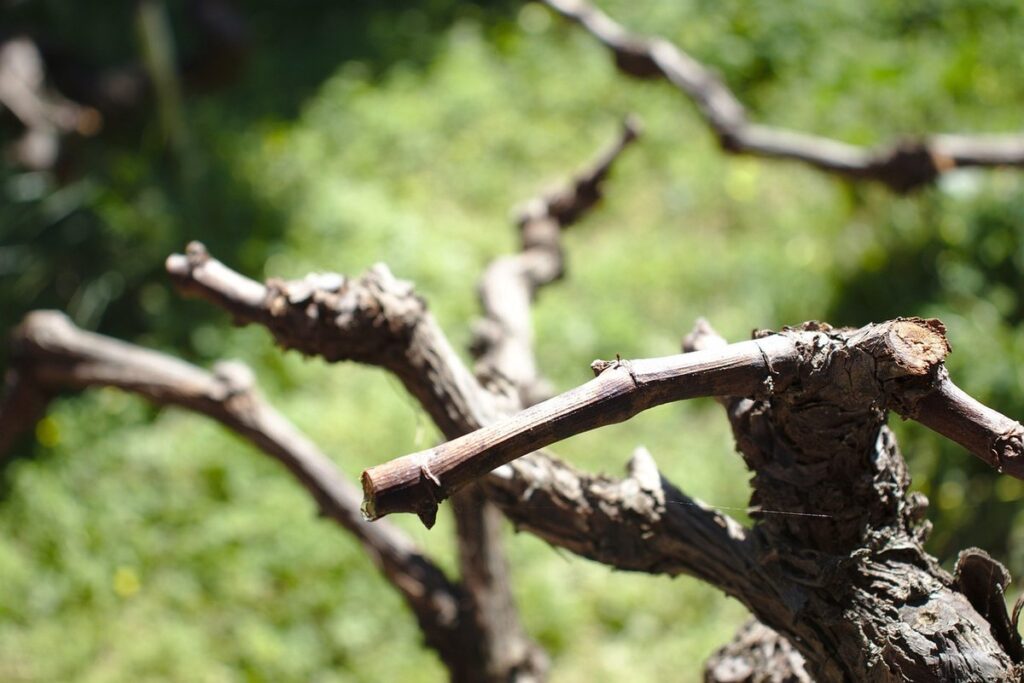
Understanding the Importance of Pruning
Pruning is a crucial aspect of grape vine care, and understanding its importance will help you optimize your vineyard’s growth and production. It’s essential to grasp why pruning matters before diving into techniques.
Why Prune Grape Vines?
Pruning grape vines is an essential practice that offers numerous benefits for vineyard owners and enthusiasts. By regularly pruning your vines, you can expect to see a significant increase in yields, as the process allows for better air circulation, sunlight penetration, and nutrient distribution throughout the plant.
In addition to boosted yields, pruning also plays a crucial role in improving disease resistance. When grapevines are pruned correctly, they become more resilient to common diseases such as powdery mildew and black rot. This is because the process removes dead or diseased wood, which can harbor pathogens that spread throughout the vineyard.
Better fruit quality is another advantage of pruning grape vines. Pruning encourages the growth of a balanced canopy, resulting in more evenly ripened grapes with better flavor profiles. By removing excessive foliage and promoting healthy stem growth, you’ll end up with a higher percentage of usable fruit per plant.
Factors to Consider Before Pruning
Before you start pruning your grape vines, it’s essential to consider several key factors that will impact their health and productivity. Climate is a crucial consideration – in regions with mild winters and hot summers, such as Mediterranean countries, grape vines can be pruned more aggressively. However, in areas with harsh winters or cool springs, like many parts of North America, you’ll need to take a gentler approach.
Soil type also plays a significant role in determining the best pruning strategy for your grape vines. In well-draining soils, you may be able to prune more extensively, while in heavy clay or rocky soils, it’s better to err on the side of caution and maintain a more balanced canopy. Additionally, consider the specific grape variety being grown – some are more tolerant of severe pruning than others.
Ultimately, understanding your climate, soil type, and grape variety will help you make informed decisions about how much to prune and when. It’s not just about cutting back a few vines for aesthetic reasons, but rather about creating an optimal environment for healthy growth and maximum yields.
Tools and Equipment Needed for Pruning
To prune your grape vines effectively, you’ll need the right tools and equipment to make the process smoother and less strenuous. Familiarize yourself with these essentials before getting started.
Choosing the Right Pruning Tools
When it comes to grape vine pruning, having the right tools for the job is essential. You’ll want to choose a variety of pruning tools that can help you tackle different tasks with ease.
First and foremost, hand pruners are an absolute must-have for any grape vine pruner. These versatile tools allow for precise cuts in tight spaces and are ideal for removing small twigs and leaves. Look for high-quality hand pruners with sharp blades and comfortable grips to make the pruning process less straining on your hands.
Loppers, also known as long-handled pruning shears, are perfect for thicker branches that require a bit more force to cut through. They come in different sizes, ranging from 20-40 inches in length, so choose one that suits your specific needs.
Secateurs, or bypass pruners, are another essential tool for grape vine pruning. These types of pruners have curved blades that allow for clean cuts without crushing the plant tissue, making them ideal for cutting stems and canes.
Safety Precautions When Handling Pruning Tools
When handling pruning tools, it’s essential to prioritize safety precautions to avoid accidents and injuries. Wearing protective gloves is a must-have when pruning grape vines. Look for gloves made from durable materials like leather or synthetic fabrics that can withstand the rigors of pruning work. Avoid using thin or flimsy gloves that may not provide adequate protection.
In addition to gloves, it’s crucial to wear protective eyewear while pruning. Pruning shears and loppers can sometimes snap back or cause debris to fly in unexpected directions, putting your eyes at risk. Invest in a pair of safety glasses or goggles with polycarbonate lenses that can withstand impact and provide 100% UV protection.
Remember to always keep your work area clean and clear of clutter to avoid tripping hazards and ensure you have enough space to maneuver. Keep pruning tools sharp and well-maintained, as dull tools are more likely to slip or break, increasing the risk of accidents. By taking these simple precautions, you can minimize the risks associated with pruning grape vines and enjoy a safe and productive pruning session.
Techniques for Pruning Grape Vines
Now that you know why pruning is essential, let’s dive into some effective techniques to help you shape your grape vines for optimal growth and production. We’ll cover the basics of pruning for a healthy vineyard.
Removing Dead, Diseased, or Damaged Wood
Removing dead, diseased, or damaged wood from grape vines is an essential step in pruning to prevent the spread of disease and encourage healthy growth. To identify problem areas, inspect the vine carefully, looking for signs such as discoloration, brittleness, or visible pests.
When removing affected sections, make clean cuts just above a bud or a lateral eye, using sharp, sterile tools to minimize the risk of further infection. Cut at a 45-degree angle, and prune back to about one-quarter inch from the bud or eye. This will help promote new growth and prevent water from collecting in the wound.
It’s also crucial to remove any wood that is crossing over other branches or growing inwards towards the trunk. Not only does this improve air circulation and sunlight penetration but it also reduces the risk of disease and pest infestations. Take a close look at the vine’s structure, and remove any growths that are rubbing against each other or growing inwards.
Removing dead, diseased, or damaged wood is an ongoing process that requires regular monitoring throughout the growing season. Regular inspections will help you catch potential issues before they spread and require more extensive pruning.
Reducing Canopy Size and Promoting Air Circulation
When it comes to pruning grape vines, one of the key goals is to create an environment that promotes healthy growth and minimizes disease pressure. One effective way to achieve this is by reducing the canopy size of your grape vine. A dense canopy can lead to reduced air circulation, creating a perfect breeding ground for diseases like powdery mildew and downy mildew.
To reduce canopy size, start by identifying the dominant branches that are producing the most fruit. Remove any weak or crossing branches that may be competing with these productive branches for resources. This will allow more sunlight to penetrate the canopy, promoting healthy photosynthesis and reducing disease pressure.
When pruning, aim to maintain a balance between fruiting wood and foliage. A good rule of thumb is to leave 12-15 inches of new growth on each lateral shoot, allowing for adequate air circulation while still providing enough foliage for photosynthesis. By following these steps, you can reduce canopy size, promote air circulation, and create an environment that’s less susceptible to disease pressure, ultimately leading to a healthier and more productive vineyard.
Encouraging Fruitfulness and Promoting Healthy Growth
When it comes to encouraging fruitfulness and promoting healthy growth in grape vines, pruning techniques play a crucial role. Two popular methods for achieving this are spur pruning and Guyot pruning.
Spur pruning involves cutting the tips of one-year-old wood to promote two buds per spur. This technique helps to increase the number of clusters on the vine, resulting in higher yields. For example, if you’re using the spur pruning method, try to aim for 6-8 spurs per foot of cane. This will encourage the vine to produce more fruiting wood and ultimately lead to a more productive harvest.
Guyot pruning is another technique that encourages fruitfulness while promoting healthy growth. This method involves cutting the one-year-old wood back to two buds and leaving the new shoots intact. By doing so, you’re allowing the vine to focus its energy on producing high-quality grapes rather than excessive foliage. By incorporating these techniques into your pruning routine, you’ll be well on your way to creating a thriving vinyard with healthy, fruit-filled grape vines.
Timing and Scheduling Pruning
When it comes to pruning grapevines, timing is crucial for optimal growth and harvest. Let’s dive into how to schedule your pruning sessions for a healthy and thriving vineyard.
Determining the Best Time to Prune
When it comes to determining the best time to prune grape vines, several factors come into play. Climate and weather conditions are crucial considerations. In areas with hot summers and mild winters, pruning is typically done in late winter or early spring, allowing the vineyard to recover from any winter damage. Conversely, regions with cold winters and cool springs may need to prune in the fall to minimize the risk of frost damage.
In addition to climate, the specific needs of your vineyard also dictate when to prune. For example, if you’re growing a vigorous variety like Thompson Seedless, you’ll want to prune earlier in the season to control its growth. On the other hand, more sensitive varieties may require later pruning to avoid exposing them to extreme temperatures.
Consider monitoring temperature and precipitation patterns in your area before deciding on a pruning schedule. Aim for a time when the vine is still dormant but not too far along in new growth. This typically occurs around late February or early March, depending on your location.
Creating a Pruning Schedule
Creating a pruning schedule is crucial to maintaining a healthy and productive grape vineyard. To create an effective pruning schedule, consider the specific needs of your vineyard, including factors like climate, soil type, and existing plant growth.
Start by assessing your vineyard’s layout and determining which areas require more frequent pruning. For example, younger vines may need more attention than mature ones. Hand-pruning can be a more precise method for smaller or delicate areas, while machine pruning is often faster and more efficient for larger sections.
Consider the timing of your pruning schedule as well. In regions with harsh winters, it’s essential to prune in late winter or early spring before new growth begins. However, in warmer climates, pruning during the dormant season may not be necessary, allowing you to focus on other maintenance tasks.
Some vineyards find it helpful to create a separate schedule for machine and hand-pruning to ensure that both methods are utilized efficiently. This can also help track progress and identify areas where more attention is needed.
Common Mistakes to Avoid When Pruning Grape Vines
Pruning grape vines can be a daunting task, but making common mistakes can do more harm than good, so let’s cover what to avoid.
Over-Pruning or Under-Pruning
When pruning grape vines, it’s easy to get caught up in the process and accidentally make mistakes that can harm the health of your vineyard. Two common errors are over-pruning and under-pruning, which can have serious consequences for your grape crop.
Over-pruning occurs when too much of the vine is removed, leaving behind an inadequate framework for the next growing season. This can lead to reduced fruit production, weakened vines, and increased susceptibility to disease. To avoid over-pruning, it’s essential to assess your vineyard regularly and identify areas that are healthy and productive. Remove only what’s necessary to maintain a balanced shape and promote air circulation.
On the other hand, under-pruning allows too much of the old growth to remain, which can lead to reduced fruit quality and increased risk of disease. When pruning is insufficient, it also fails to remove dead or diseased wood, allowing problems to spread throughout the vineyard. To avoid under-pruning, make sure to inspect your vines carefully and remove any damaged or dying branches.
It’s worth noting that some grape varieties are more prone to these errors than others. For example, thin-skinned grapes like Pinot Noir require more precise pruning techniques to prevent damage to the delicate fruit. By paying attention to your vineyard’s specific needs and avoiding over-pruning and under-pruning, you can ensure a healthy and productive growing season.
Failing to Consider the Entire Vineyard System
When pruning grape vines, it’s easy to get caught up in focusing solely on individual vines. However, neglecting to consider the entire vineyard system can have far-reaching consequences for the health and productivity of your vines. The truth is, every vine is connected and interdependent, influencing the growth and performance of its neighbors.
For instance, a densely planted area may require more aggressive pruning to allow for proper air circulation and sunlight penetration. Conversely, areas with inadequate canopy management may lead to over-crowding, increasing disease susceptibility and reducing yields. Similarly, factors like soil quality, water availability, and climate conditions all impact the vineyard system as a whole.
To avoid this pitfall, consider conducting a thorough vineyard assessment before pruning begins. Identify areas of high density or poor growth patterns, and adjust your pruning strategy accordingly. This might involve adjusting row spacing, implementing trellis systems, or modifying pruning techniques to account for varying soil types and microclimates within the vineyard. By taking a holistic approach, you’ll be better equipped to optimize grape production, maintain healthy vines, and ensure a thriving vineyard ecosystem.
Advanced Pruning Techniques for Experienced Growers
If you’re already familiar with the basics of grape vine pruning, it’s time to take your skills to the next level by mastering advanced techniques that maximize yields and enhance overall plant health.
Using Mechanized Pruning Equipment
In large-scale vineyards, manual pruning can be time-consuming and labor-intensive. To improve efficiency and accuracy, many growers are turning to mechanized pruning equipment. These machines use rotating cutters or saws to trim the vines, reducing the physical demands on staff while maintaining precision.
Mechanized pruning equipment can be tailored to specific vineyard needs, from small-scale operations with a few acres to large commercial properties. Some models can prune entire rows at once, cutting through thick stems with ease. Others are designed for more precise work, allowing growers to remove individual buds or shoots without damaging the surrounding tissue.
When selecting mechanized pruning equipment, consider factors like vineyard size, terrain, and existing infrastructure. It’s also essential to train staff on proper machine operation and maintenance to ensure optimal results. With careful planning and execution, mechanized pruning can become a valuable tool for optimizing grape yields while minimizing manual labor costs.
Implementing Integrated Pest Management (IPM) Strategies
As an experienced grower, you’re likely aware of the importance of Integrated Pest Management (IPM) strategies for maintaining a healthy and thriving vineyard. When it comes to grape vines, pruning is not only essential for shaping their structure but also plays a crucial role in preventing pest and disease issues. IPM strategies that incorporate pruning as a key component can help you minimize chemical usage while maximizing yields.
To implement effective IPM, start by monitoring your vineyard regularly for signs of pests and diseases. This involves examining leaves, stems, and clusters for any unusual discoloration or damage. Be on the lookout for common pests like spider mites, mealybugs, and phylloxera, which can be difficult to control if left unchecked.
Some key techniques for monitoring pests and diseases include:
* Conducting regular visual inspections of your vines
* Using sticky traps or yellow traps to capture insects
* Inspecting soil and roots for signs of root rot or other issues
By combining these methods with strategic pruning practices, you can significantly reduce the risk of pest and disease outbreaks. For example, removing any heavily infested clusters or leaves during pruning can help prevent further spread of the problem.
Conclusion: Putting It All Together
Now that you’ve learned the ins and outs of grape vine pruning, it’s time to put it all into practice. Remember, proper pruning is an art that requires patience, attention to detail, and a deep understanding of your vines’ unique needs. Don’t be discouraged if it takes some trial and error to get the hang of it – with each passing season, you’ll develop a keen eye for what works best for your specific vineyard. By combining the techniques and tips outlined in this guide, you’ll be well on your way to growing healthy, productive vines that produce bountiful harvests year after year. Take the time to observe your vines, identify areas for improvement, and make adjustments as needed – with dedication and care, you can enjoy a thriving vineyard for years to come.
Frequently Asked Questions
What are the most critical factors to consider when pruning grapevines for the first time?
When starting with grapevine pruning, it’s essential to understand your vineyard’s specific needs. Consider factors like climate, soil type, and existing plant health. Familiarize yourself with the pruning schedule outlined in this guide to ensure timely pruning practices.
Can I use any pruning tool or equipment for grapevines?
No, using the right tools is crucial when pruning grapevines. Opt for high-quality, sharp pruning shears or loppers specifically designed for vineyard maintenance. Avoid using regular household scissors or pruning tools that may damage your vines or leave them susceptible to disease.
How do I determine the best time to prune specific varieties of grapevines?
Different grapevine varieties have unique pruning requirements. Research and understand the specific pruning needs for your particular variety, including optimal pruning times based on climate, growth patterns, and regional considerations.
What are some common mistakes I should avoid when pruning grapevines, especially in my first season?
Failing to prune at the correct time or over-pruning can significantly impact your vineyard’s health. Monitor your vines regularly during the growing season, and be prepared to adjust your pruning schedule as needed based on plant response.
Can I use mechanized pruning equipment for all types of grapevines, including small backyard plots?
Mechanized pruning equipment is ideal for large commercial vineyards but can be too intensive for smaller backyard plots. For smaller areas or delicate vines, consider using handheld pruning tools or seeking professional assistance to avoid damage and maintain optimal health.