
If you’re one of the many gardeners eager to grow your own passionfruit, but struggling with maintaining its health and productivity, you’re not alone. Passionfruit vine care can be tricky, but don’t worry, we’ve got you covered. With a little guidance, you’ll be well on your way to enjoying bountiful harvests of this delicious and nutritious fruit.
In this ultimate guide to passionfruit vine care, we’ll walk you through the essential steps for planting, pruning, fertilizing, and more. You’ll learn how to create an ideal environment for your passionfruit plant to thrive, from selecting the right location to managing pests and diseases. With our expert advice, you’ll be able to troubleshoot common issues and give your vine the TLC it needs to flourish. Whether you’re a seasoned gardener or just starting out, this article is packed with practical tips and techniques to help you get the most out of your passionfruit plant.
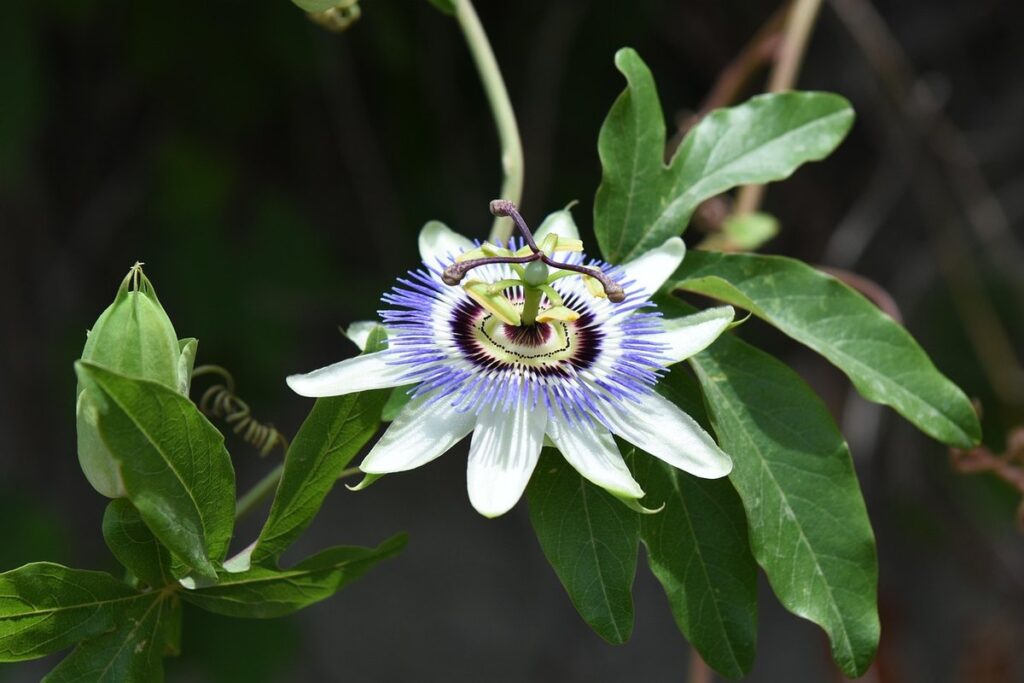
Choosing the Right Location
When it comes to cultivating a thriving passionfruit vine, selecting the right location is crucial. Let’s explore the key factors to consider for an optimal growing environment.
Understanding Soil Requirements
When planting passionfruit vines, it’s essential to understand the ideal soil conditions they require. Passionfruit vines thrive in well-draining, fertile soils with a pH between 5.5 and 6.5. If your soil is too acidic or alkaline, it can lead to nutrient deficiencies and affect plant growth.
To determine your soil’s pH level, you can purchase a DIY testing kit or send a sample to a laboratory for analysis. Based on the results, you may need to add lime to raise the pH or sulfur to lower it. In terms of nutrients, passionfruit vines require a balanced diet of nitrogen, phosphorus, and potassium.
Before planting, prepare your soil by loosening it to a depth of about 12 inches. Add a 2-inch layer of compost or well-rotted manure to improve drainage and fertility. You can also mix in a general-purpose fertilizer according to the manufacturer’s instructions. This will provide your passionfruit vines with a solid foundation for growth and development.
When selecting a location, consider the soil type and its ability to retain moisture. Passionfruit vines prefer a slightly dry spell between waterings, so avoid areas with standing water or poor drainage. By understanding and preparing your soil, you’ll be well on your way to growing healthy, productive passionfruit vines.
Selecting a Sunny Spot
When it comes to growing passionfruit vines, sunlight is one of the most critical factors to consider. Passionfruit plants require full sun to produce an abundance of fruit, so selecting a spot that receives direct sunlight for at least six hours a day is essential.
In general, south-facing walls or areas that receive direct sunlight throughout the morning and afternoon are ideal for passionfruit vines. If you’re growing your vine in a container, choose a location that gets full sun from 9 am to 3 pm. A spot with partial shade can lead to reduced fruit production and stunted growth.
When evaluating a potential location, also consider the surrounding environment. Avoid areas near large trees or buildings that may cast shadows over your passionfruit plant. Additionally, be mindful of any nearby structures that might block sunlight during peak hours.
To ensure your passionfruit vine gets enough sunlight, you can also prune nearby plants to allow more direct sunlight to reach your vine. By selecting a sunny spot and positioning your vine accordingly, you’ll be giving it the best chance to thrive and produce an abundance of delicious fruit.
Avoiding Frost Prone Areas
When planting passionfruit vines, it’s crucial to consider their sensitivity to frost. These tropical plants thrive in warm temperatures and can be severely damaged by even a light frost. If you live in an area prone to winter frosts, it’s essential to choose a location that minimizes the risk of damage.
Frost-prone areas can be detrimental to passionfruit vines. The sudden drop in temperature can cause buds to freeze, resulting in reduced yields or even vine death. To avoid this, look for locations with mild winters and warm summers. If you’re unable to find such an area, consider using protective measures like frost blankets or bringing the vines indoors during the coldest months.
When selecting a location, take note of nearby water sources and wind direction. Passionfruit vines prefer well-drained soil, so avoid areas that may be prone to flooding. Also, ensure that your chosen location receives sufficient sunlight – passionfruit vines require at least six hours of direct sunlight per day. By choosing the right spot for your passionfruit vine, you’ll give it the best chance to thrive and produce an abundance of delicious fruit.
Planting and Establishing Your Passionfruit Vine
To successfully grow a healthy passionfruit vine, you’ll want to start by planting it in an ideal location, taking into account its sunlight and temperature requirements.
Preparing the Plant for Transplantation
When removing your passionfruit vine from its container, do it carefully to prevent damage to the roots. Start by gently sliding a knife or spatula along the inside of the pot to loosen the plant. Once free, inspect the roots for any signs of circling or entanglement – this can be addressed during transplanting.
If you notice damaged or broken roots, prune them with sterile scissors or pruning shears to prevent the spread of disease and encourage new growth. This is a crucial step in preparing your vine for its new location. Remove any weak or spindly growths as well, promoting healthy development in the future.
Prepare the soil around the roots by loosening it slightly and adding a balanced fertilizer according to the manufacturer’s instructions. Mix well to distribute evenly, taking care not to compact the soil further. By giving your passionfruit vine a solid foundation, you’ll be setting it up for long-term success. This is especially important when transplanting, as your vine will need the nutrients to adapt and thrive in its new environment.
Digging the Perfect Hole
When planting your passionfruit vine, digging the perfect hole is crucial for its establishment and long-term health. A hole that’s too small can lead to root circling, while a hole that’s too large may cause the soil to become waterlogged.
As a general rule of thumb, dig a hole that’s about 12-18 inches deep and 24-36 inches wide. This allows for adequate space to add organic matter like compost or manure tea, which will help improve soil fertility. Adding these materials not only provides nutrients but also aids in improving drainage, reducing soil compaction, and promoting beneficial microbial growth.
For example, if you’re using compost, mix 2-3 inches of it into the bottom 6 inches of the hole before planting your passionfruit vine. Similarly, manure tea can be applied at a rate of 1-2 cups per gallon of water as a foliar spray or soil drench once every 4-6 weeks to give your plant an extra boost.
By taking the time to dig the perfect hole and add organic matter, you’ll set your passionfruit vine up for success and ensure it develops a strong root system that will support its growth throughout the seasons.
Watering and Mulching Techniques
Watering passionfruit vines requires attention during the establishment phase. Over-watering can lead to root rot and under-watering results in stunted growth. To avoid this, water your vine when the top 2-3 inches of soil feels dry to the touch. A general rule is to provide about 1-2 gallons of water per week, depending on weather conditions.
Mulching plays a crucial role in retaining moisture and suppressing weeds around your passionfruit vine. Organic mulch options like wood chips or bark help retain moisture, suppress weed growth, and regulate soil temperature. Apply a 3-inch layer of mulch, keeping it 6-8 inches away from the plant’s stem to prevent rot.
Some important tips to keep in mind: water in the morning to minimize evaporation, avoid getting water on the leaves to prevent fungal diseases, and replenish mulch every 6-12 months. Regular watering and mulching practices help your passionfruit vine develop a strong root system, making it more resilient to environmental stresses. By following these best practices, you’ll set your passionfruit vine up for success in its early stages of development.
Ongoing Care and Maintenance
Now that you’ve established a thriving passionfruit vine, it’s essential to know how to keep it healthy and productive through ongoing care and maintenance tasks. Let’s dive into these crucial steps.
Regular Pruning and Training
Regular pruning is essential for maintaining a healthy and productive passionfruit vine. Not only does it control the vine’s growth, but it also promotes fruiting and improves air circulation around the leaves. Prune your vine at least twice a year, once after flowering and again during the dormant season. This will help maintain a balanced shape, encourage new growth, and prevent the vine from becoming too dense.
To prune, start by removing any dead or damaged wood, then cut back long stems to about two-thirds of their length. Next, thin out the center of the vine to allow for better air circulation. Make sure to leave at least three main stems intact, as these will provide the framework for your vine’s future growth.
When training passionfruit vines onto trellises or other supports, use a soft tie material like twine or tape to gently secure the stem in place. Aim to train the vine to grow up and over the support, rather than around it. This will help maintain a tidy appearance and make harvesting easier.
Pest and Disease Management
As your passionfruit vine grows and thrives, it’s essential to be aware of common pests and diseases that can affect its health. Regular monitoring is key to catching issues early on. Some of the most prevalent problems include mealybugs, aphids, and whiteflies, which can weaken the plant by sucking sap from leaves and stems.
To manage these pests organically, try spraying your vine with a mixture of 1 tablespoon of dish soap per quart of water. Repeat this process every few days until you see an improvement. For more severe infestations, consider introducing beneficial insects like ladybugs or lacewings to your garden, which feed on pest populations.
In terms of diseases, powdery mildew and root rot are common culprits. To prevent these issues, maintain good air circulation by pruning nearby plants and ensuring adequate space between vines. When it comes to integrated pest management (IPM), combine physical barriers, cultural controls, and biological controls for the most effective results.
Keep in mind that prevention is always better than treatment – ensure your vine receives proper watering, fertilization, and pruning to boost its resilience against pests and diseases.
Fertilizing and Soil pH Monitoring
Regular fertilization is crucial for promoting healthy growth and fruiting in passionfruit vines. Passionfruit vines require a balanced diet of nutrients to produce an abundance of fruit, and fertilizers provide the necessary boost. However, it’s essential to choose the right fertilizer for your vine.
A well-balanced fertilizer with an NPK ratio (nitrogen-phosphorus-potassium) of 10-10-10 is ideal for passionfruit vines. You can also consider using a citrus-specific fertilizer as it contains additional nutrients that are beneficial for fruit production.
Monitoring soil pH levels is equally important, as it affects nutrient availability and uptake by the vine. Most passionfruit varieties prefer slightly acidic to neutral soil pH (5.5-7.0). To determine your soil pH, you can use a DIY kit or send a sample to a lab for analysis. Based on the results, adjust your fertilization strategy accordingly. If your soil is too alkaline, add sulfur-based products to lower the pH. Conversely, if it’s too acidic, add lime to raise the pH.
Keep in mind that over-fertilizing can harm your vine, so apply fertilizers according to the manufacturer’s instructions and your vine’s specific needs. A balanced diet of regular fertilization will reward you with a thriving passionfruit vine and an abundance of delicious fruit.
Common Challenges and Solutions
As you grow and learn more about caring for your passionfruit vine, you’ll inevitably face some common challenges that can be frustrating to overcome. We’ve outlined some of the most frequent issues and solutions to help you get back on track.
Dealing with Pests and Diseases
Dealing with pests and diseases is an unfortunate reality for many passionfruit vine growers. One of the most common pests affecting passionfruit vines is the aphid. These small, soft-bodied insects feed on sap, causing curled or distorted leaves. To prevent infestations, inspect your plants regularly and use neem oil or insecticidal soap to control populations.
Diseases such as powdery mildew, root rot, and fruit spot can also impact passionfruit vines. Powdery mildew is characterized by a white, powdery coating on leaves, while root rot causes the stems to turn yellow and wilted. Fruit spot is identified by small brown spots on the fruit’s surface.
To prevent diseases, maintain good air circulation around your plants and water at soil level rather than overhead. Remove any infected fruit or leaves immediately. If an infestation occurs, treat with fungicides such as copper-based products or sulfur.
Some common signs of pests or disease include:
• Yellowing or browning leaves
• Distorted or curled leaves
• Holes in leaves or stems
• White, powdery coating on leaves
Monitor your passionfruit vines regularly and address any issues promptly to prevent widespread damage. Regular pruning and good hygiene practices can also help minimize the risk of infestations.
Addressing Nutrient Deficiencies
As you care for your passionfruit vine, it’s essential to be aware of potential nutrient deficiencies that can impact its health and productivity. A lack of essential nutrients can manifest as yellowing leaves, stunted growth, or a decrease in fruit production.
Common signs of nutrient deficiencies in passionfruit vines include:
* Nitrogen deficiency: pale green to yellowish leaves
* Phosphorus deficiency: purple discoloration on lower leaves
* Potassium deficiency: scorched or wilted leaves
To diagnose nutrient deficiencies, inspect your vine’s leaves and stems regularly. You can also get a soil test done to determine the pH level and nutrient content of the soil. Based on the results, you can choose from a variety of fertilizers specifically formulated for passionfruit vines.
Some popular options include balanced fertilizers (e.g., 10-10-10 NPK), high-phosphorus fertilizers (e.g., bone meal or rock phosphate) for fruit production, and potassium-rich fertilizers (e.g., Epsom salt or sulfate of potash). Follow the manufacturer’s instructions for application rates to avoid over-fertilizing, which can harm your vine.
Overcoming Climate-Related Challenges
When it comes to passionfruit vine care, one of the most significant climate-related challenges you may face is drought. Passionfruit vines need consistent moisture, especially when they’re producing fruit. A lack of water can cause the leaves to wilt, and even lead to premature fruit drop. To mitigate this risk, ensure your soil has good drainage and consider installing a drip irrigation system. This will deliver exactly what your vine needs, when it needs it.
Another challenge is heat stress, which can occur during prolonged periods of high temperatures. Temperatures above 35°C (95°F) can damage the leaves and affect fruit production. To combat this, provide shade for your passionfruit vine using a trellis or shade cloth. You can also mulch around the base to retain moisture and reduce soil temperature.
Finally, some regions may experience frost damage, which can be devastating for passionfruit vines. If you live in an area prone to frost, consider bringing potted plants under cover or protecting them with row covers. By taking these precautions, you’ll be able to overcome climate-related challenges and give your passionfruit vine the best chance at optimal growth and fruiting.
Advanced Techniques for Passionfruit Enthusiasts
Take your passionfruit game to the next level by learning advanced techniques for pruning, training, and troubleshooting issues with your passionfruit vine. We’ll dive into expert methods for achieving optimal yields.
Creating a Focal Point with Top-Working
When it comes to creating visual interest and structure within your passionfruit vine garden, top-working is an advanced technique that can help you achieve a stunning focal point. Top-working involves grafting a new scion (in this case, a different passionfruit variety) onto the existing rootstock of a mature passionfruit vine. This method allows you to combine the benefits of the rootstock with the desirable traits of the scion.
By top-working your passionfruit vine, you can create a unique and eye-catching display in your garden or yard. For example, you could graft a compact variety onto a vigorous rootstock to produce a smaller, more manageable plant with the same yields as its parent. This technique is particularly useful for creating a dramatic centerpiece in a larger garden or for adding visual interest to a smaller space.
One of the key benefits of top-working is that it allows you to control the characteristics of your passionfruit vine, such as fruit size, flavor, and productivity. However, it does require some technical expertise and specialized equipment. With practice and patience, however, top-working can be a rewarding way to breathe new life into an existing passionfruit vine and create a stunning focal point in your garden.
Using Rootstocks for Improved Performance
When it comes to growing passionfruit vines, many enthusiasts are turning to rootstocks as a way to improve performance. A rootstock is essentially a genetically modified stem that connects the passionfruit vine (scion) to a hardy and disease-resistant root system. This technique can provide numerous benefits, including increased vigor, improved fruit quality, and enhanced resistance to pests and diseases.
One of the main advantages of using rootstocks is that they allow you to graft multiple varieties onto a single root system, which can be particularly useful for growers with limited space. For example, you could combine the popular ‘Purple Granadilla’ variety with the disease-resistant ‘Sweet Calabash’ rootstock for improved overall performance.
However, it’s essential to note that using rootstocks also comes with some potential drawbacks. These include higher upfront costs, increased complexity in grafting and pruning techniques, and the risk of compatibility issues between the scion and rootstock. To get the most out of this approach, make sure to choose a reputable supplier for your rootstock material and carefully follow grafting and care instructions. With proper handling, using rootstocks can be a valuable tool for taking your passionfruit vine care to the next level.
Experimenting with New Varieties
If you’re looking to take your passionfruit vine care to the next level, experimenting with new varieties can be a great way to do so. With over 500 known species of passionfruit, there’s a wealth of options out there for you to explore.
When selecting new varieties, consider factors like climate tolerance, disease resistance, and fruit size. For example, if you’re growing in an area prone to frost, opt for varieties that are hardy enough to withstand light frosts.
To get started, you can propagate new varieties through cuttings or seedlings. Cuttings from established vines tend to produce more consistent results, but seedlings can be a fun and rewarding way to discover unique characteristics.
When growing new varieties, remember to provide the same level of care as you would for your existing plants. This includes regular watering, fertilization, and pruning to ensure optimal growth and fruit production.
Conclusion
In conclusion, taking proper care of your passionfruit vine requires attention to detail and consistency. By following the tips outlined in this guide, you’ll be well on your way to growing healthy and productive vines. Remember to regularly prune your vine to encourage new growth and prevent disease, as well as provide it with a trellis or support system to keep it upright. With regular fertilization and pest management, you can enjoy a bountiful harvest of delicious passionfruit for years to come. By incorporating these practices into your routine, you’ll be able to reap the rewards of your hard work and enjoy the sweet taste of success in your own backyard.
Frequently Asked Questions
Can I propagate passionfruit vines from seed or must I purchase a nursery plant?
You can propagate passionfruit vines from seed, but it’s not the recommended method for several reasons: seeds are slow to germinate and may not produce plants true-to-type. Nursery-bought passionfruits are often grafted onto rootstocks, ensuring faster growth and improved yields.
How do I determine if my soil pH is within the ideal range for passionfruit vines?
Test your soil using a DIY kit or send a sample to a lab for analysis. Based on the results, you can adjust the pH by adding lime to raise it or sulfur to lower it. Aim for a pH between 5.5 and 6.5 for optimal growth.
What’s the best time to prune my passionfruit vine for maximum fruit production?
Prune your passionfruit vine during its dormant season (winter in most regions) to minimize stress and promote healthy growth. Remove any dead, diseased, or damaged wood, and thin out the canopy to allow sunlight penetration and air circulation.
Can I grow passionfruit vines in containers if I don’t have a suitable location in my garden?
Yes, you can grow passionfruit vines in containers using large pots (at least 14-16 inches deep) with good drainage. Use a well-draining potting mix and fertilize regularly to promote healthy growth.
How often should I inspect my passionfruit vine for pests and diseases, and what signs should I look out for?
Regularly inspect your passionfruit vine every 1-2 weeks during peak growing seasons (spring-fall). Look for signs of pests like aphids, whiteflies, or mealybugs, as well as fungal diseases like powdery mildew or root rot. Take action promptly to prevent infestations from spreading and causing damage.