
Are you ready to grow your own delicious and nutritious beetroot? With its vibrant color, sweet flavor, and impressive nutritional profile, it’s no wonder that beetroot has become a staple in many gardens and kitchens. But growing beetroot can be a bit tricky if you don’t know where to start. That’s why we’ve put together this step-by-step guide to help you succeed.
In this article, we’ll take you through the essential steps of growing beetroot, from selecting the right variety for your climate and soil type to harvesting these tasty roots at their best. We’ll cover topics like how to prepare your soil, when to sow your seeds, and how to avoid common mistakes that can lead to poor yields or even disease. Whether you’re a seasoned gardener or just starting out, this guide will show you the way to grow healthy, succulent beetroot in your own backyard.
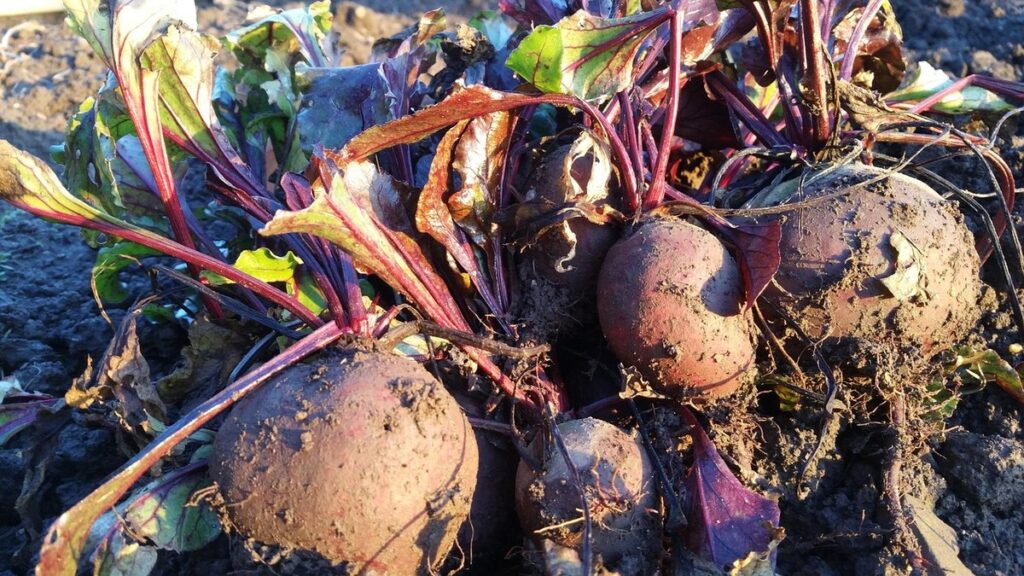
Choosing the Right Variety
When growing beetroot, selecting the right variety is crucial for achieving optimal flavor and texture. With so many options available, let’s explore what to look for when choosing a suitable type.
Understanding Beetroot Types
When it comes to growing beetroot, understanding the different types is crucial for success. There are numerous varieties of beetroot, each with its unique characteristics and growth habits. One popular variety is the Detroit Dark Red, known for its high sugar content and deep red color. It’s a great choice for canning and pickling due to its sweet flavor.
Another popular variety is the Chioggia, which boasts beautiful white and red stripes on its roots. This type is perfect for adding visual appeal to salads and other dishes. However, it has a slightly sweeter taste compared to Detroit Dark Red.
If you’re looking for something different, consider growing Golden beetroot. As the name suggests, this variety has a golden-yellow color with a sweet and earthy flavor profile. It’s an excellent choice for roasting or grilling due to its tender texture.
When selecting a beetroot variety, consider factors like climate, soil type, and intended use. This will help you choose the best type for your needs and ensure successful growth.
Selecting the Best Seeds for Your Region
When selecting seeds for growing beetroot, it’s essential to choose varieties that are well-suited to your region and climate. This ensures optimal growth and a bountiful harvest. To begin, consider the specific conditions of your area:
• Temperature: Beetroot prefers cooler temperatures between 60°F (15°C) and 70°F (21°C). If you live in an extremely hot or cold region, look for varieties bred specifically for these conditions.
• Soil type: Some beetroot varieties prefer lighter, well-draining soils, while others thrive in heavier clay-based soils. Research the specific soil requirements of your chosen variety.
When selecting seeds, check the seed packet for information on maturity days and growth habits. Consider purchasing from reputable suppliers or local nurseries to ensure high-quality seeds suitable for your region. Online seed banks often provide detailed descriptions of their products, including climate-specific recommendations.
By choosing seeds adapted to your unique conditions, you’ll be well on your way to growing delicious and resilient beetroot.
Preparing the Soil
Before planting your beetroot seeds, it’s essential to prepare the soil to ensure healthy growth and a bountiful harvest. Let’s dive into the steps for preparing the perfect beetroot growing conditions.
Understanding Beetroot’s Nutritional Needs
Beetroot plants require specific nutrient conditions to grow and thrive. The ideal pH range for beetroot is between 6.5 and 7.0, making it slightly acidic to neutral. If the soil’s pH level falls outside this range, it may lead to nutrient deficiencies or toxicity.
To ensure optimal growth, beetroot needs a balanced diet of nutrients. It requires high levels of potassium, magnesium, and sulfur, but lower amounts of phosphorus and nitrogen. Maintaining a fertile soil with regular composting can provide the necessary nutrients for healthy root development.
Common nutrient deficiencies in beetroot crops include calcium, iron, and zinc. Symptoms of these deficiencies may appear as yellow or white spots on leaves, stunted growth, or poor root formation. To prevent these issues, consider testing your soil regularly to identify potential nutrient gaps. Amending your soil with organic matter or targeted fertilizers can help address any identified imbalances.
By understanding beetroot’s specific nutritional requirements and monitoring your soil conditions, you’ll be better equipped to provide the necessary support for a bountiful harvest. Regular check-ins will also enable you to catch any emerging issues before they impact crop yields.
Testing and Amending Your Soil
Testing and amending your soil is crucial for growing beetroot. A simple pH test kit can help you determine if your soil’s pH level is suitable for beetroot growth. Beetroot prefers a slightly acidic to neutral soil pH, ranging from 6.0 to 7.0. If your soil is too alkaline or acidic, it may affect nutrient availability and root development.
To assess the nutrient content of your soil, you can use a soil test kit that measures nitrogen, phosphorus, potassium (NPK) levels. This will give you an idea of whether your soil needs fertilization. Beetroot requires a balanced diet of nutrients, especially nitrogen, phosphorus, and potassium. If your soil is low in these essential elements, consider adding organic matter like compost or manure to enrich the soil.
To amend your soil for optimal growing conditions, focus on improving its structure. Add organic matter to increase soil’s water-holding capacity and fertility. Mix in 2-3 inches of compost or well-rotted manure into the top 6-8 inches of soil before planting beetroot seeds. This will help create a nutrient-rich environment for your beetroot crop to thrive.
Sowing Beetroot Seeds
When sowing beetroot seeds, make sure you’re planting them at the right depth and spacing to give your beets the best start in life. Follow these crucial steps for success!
Timing and Spacing
When it comes to sowing beetroot seeds, timing and spacing are crucial for healthy growth. In most regions, spring and fall are the best times to sow beetroot seeds. Spring planting typically occurs 4-6 weeks before the last frost date, while fall planting takes place 8-10 weeks before the first frost.
In temperate climates with mild winters, you can also sow beetroot in early winter for a late summer harvest. However, this is not recommended in areas with harsh winters or prolonged periods of cold weather. When sowing seeds in spring, aim to plant them about 1-2 cm deep and 2-3 cm apart. For fall planting, space the seeds about 5-7.5 cm apart to give them room to grow.
It’s essential to note that beetroot is a cool-season crop and prefers cooler temperatures between 10°C and 20°C for optimal growth. Avoid sowing in extreme heat or when soil temperatures are above 25°C, as this can lead to poor germination and weakened root development.
Methods of Sowing: Direct Sow vs. Seed Starting
When it comes to sowing beetroot seeds, you have two main methods to choose from: direct sow and seed starting. Direct sow involves planting the seeds directly into the ground where they will mature, while seed starting requires sowing the seeds indoors in a controlled environment before transplanting them outside.
Direct sow is often preferred by gardeners as it eliminates the need for potting up and reduces the risk of transplant shock. Beets are easy to direct sow and can be planted as soon as the soil can be worked in spring, typically 2-4 weeks before the last frost date. Sow seeds about 1 inch deep and 2 inches apart, then thin them out to 3-4 inches once they have germinated.
Seed starting, on the other hand, offers more flexibility and control over the growing conditions. You can start beetroot seeds indoors 6-8 weeks before the last frost date, giving them a head start on the growing season. Use seed trays or small pots and sow 2-3 seeds per cell, then transplant them outside when they have 2-3 sets of leaves.
Ultimately, both methods are effective for growing beetroot, and the choice between them depends on your personal preference and gardening schedule.
Caring for Beetroot Plants
Now that you’ve got your beetroot seedlings off to a great start, it’s time to learn how to care for them properly. This means providing the right conditions and nutrients for optimal growth.
Watering and Irrigation Strategies
When it comes to watering and irrigation, beetroot plants have specific needs that must be met for optimal growth. A general rule of thumb is to water them deeply once or twice a week, depending on weather conditions. However, this can lead to over-watering if not monitored closely.
Beetroot plants prefer about 1-2 inches of moisture in the soil at any given time. You can check this by inserting your finger into the soil up to the first knuckle; if it feels dry, it’s time for watering. Over-watering can cause roots to rot and lead to a weakened plant.
Under-watering, on the other hand, will stress the plant, causing it to become more susceptible to pests and diseases. A good way to avoid this is by using drip irrigation or soaker hoses that deliver water directly to the roots. This method also helps prevent soil erosion and runoff.
Some key signs of under-watering include yellowing leaves and a decrease in leaf size. Be cautious not to confuse these symptoms with nutrient deficiencies, which can also be caused by over-watering.
Managing Pests and Diseases
Beetroot plants are susceptible to various pests and diseases that can significantly impact their growth and yield. One of the most common pests affecting beetroot is aphids, which feed on the plant’s sap, causing curled or distorted leaves. Slugs and snails also pose a significant threat, especially at night when they emerge from hiding places to feed on the plants’ leaves and stems.
To control aphid infestations, use neem oil or insecticidal soap sprays, while physical barriers like copper tape can help deter slugs and snails. Regularly inspect your beetroot plants for signs of pests, such as white powdery patches (indicating powdery mildew) or black spots (signifying leaf spot disease).
To prevent diseases, maintain good air circulation around the plants, ensure consistent moisture levels, and avoid overhead watering. Crop rotation can also help reduce the risk of soil-borne diseases. If you notice any signs of pests or diseases, act promptly to prevent their spread by removing affected areas and implementing control measures.
For example, research suggests that using a 10% neem oil solution can effectively control aphid populations without harming beneficial insects.
Harvesting Beetroot
Now that your beetroot is mature and ready, it’s time to harvest them carefully to ensure they’re tender and free of damage. Here are some tips for a successful harvest.
Knowing When to Pick
When it comes to harvesting beetroot, timing is everything. You want to pick them at the right moment to ensure maximum flavor and tenderness. So, how do you know when they’re ready? One of the most important factors is size. Beetroot typically takes between 60 to 90 days to mature from sowing. Check on them regularly after this time, gently digging around the roots with a fork to avoid damaging them.
Another way to determine if your beets are ready is by checking their color and texture. A ripe beetroot will be firm but not hard, with a deep red or gold color, depending on the variety. If it’s still too small or pale, give it a bit more time. On the other hand, if you notice any soft spots or mold, it’s best to harvest them immediately.
When checking for size, remember that larger beets are not necessarily better. In fact, smaller ones can be sweeter and have less earthy flavor. As a general rule of thumb, pick beetroot between 1-3 inches in diameter, depending on the variety you’re growing.
Tips for Cleaning and Storing Beetroot
When it’s time to harvest your beetroot, you’ll want to make sure they’re clean and stored properly to preserve their flavor, texture, and nutritional value. Cleaning is a crucial step that involves removing dirt and debris from the roots without damaging them.
To clean your harvested beetroot, start by gently scrubbing the roots with a vegetable brush under cold running water. This will help loosen any dirt or debris that may have accumulated during growth. If there’s still some stubborn dirt, you can use a mild detergent mixed with water to wipe down the beets. Be sure to rinse them thoroughly afterwards.
When it comes to storing beetroot, choose a cool and dry place out of direct sunlight. You can store them in a breathable container or bag, such as a paper bag or mesh sack, to allow for airflow. Avoid sealing them tightly in plastic bags, as this can cause moisture buildup and lead to spoilage.
In terms of storage temperature, it’s best to keep beetroot between 32°F (0°C) and 40°F (4°C). Some gardeners also swear by storing beetroot in the refrigerator with a paper bag over their greens. Regardless of your chosen storage method, make sure to check on them regularly to prevent spoilage and enjoy them at their freshest!
Troubleshooting Common Issues
We’ve all been there – a beetroot crop that refuses to thrive, despite our best efforts. In this section, we’ll tackle some of the most common issues you might face when growing beetroot.
Dealing with Root Forcing
Root forcing is a common issue that can arise when growing beetroot, particularly if you’re not familiar with its specific needs. One of the most common problems is split roots, which occur when the taproot grows too large for the container it’s in. This can happen due to overwatering or using a pot that’s too small.
To address split roots, make sure to use a larger pot than you think you’ll need, and avoid watering your beetroot too frequently. You should also ensure good air circulation around the plant to prevent moisture buildup. If you do notice that your beetroot is developing split roots, carefully lift it out of its container and trim off any damaged areas with a sharp knife.
Another issue that can arise is root bound, where the taproot grows in a circular pattern within the pot, restricting the plant’s growth. To prevent this, repot your beetroot into a slightly larger container every 2-3 weeks as it grows. This will give its roots room to expand and promote healthy development.
Regularly inspecting your beetroot plants for signs of root problems is essential in preventing these issues from arising in the first place. By taking proactive steps to address potential problems, you can ensure a healthy and productive harvest.
Overcoming Beetroot Pests and Diseases
Beetroot plants are susceptible to various pests and diseases that can impact their growth and yield. Some common issues to watch out for include:
Aphids, whiteflies, and spider mites can all cause damage to beetroot leaves and stems, while cucumber beetles and slugs can target the roots and leaves. To prevent infestations, ensure your plants have enough space to breathe and are well-watered but not waterlogged.
Regularly inspect your plants for signs of pests or diseases, such as yellowing leaves, distorted growth, or actual insects visible on the plant. If you notice any issues, use neem oil or insecticidal soap to control outbreaks.
Diseases like powdery mildew and leaf spot can also affect beetroot plants. These are typically caused by fungal infections that thrive in humid environments. To prevent disease, provide good air circulation around your plants and avoid overhead watering, which can encourage fungal growth.
Frequently Asked Questions
Can I grow beetroot in containers if my backyard has poor soil quality?
Yes, you can grow beetroot in containers to avoid dealing with poor soil quality. Just make sure the container is at least 6-8 inches deep and has good drainage holes to prevent waterlogged soil. Use a high-quality potting mix specifically designed for root vegetables.
What’s the best way to store harvested beetroot to maintain its flavor and nutritional value?
To maintain the flavor and nutritional value of your harvested beetroot, store them in the refrigerator with their greens removed. You can also blanch them first to preserve their color and texture. If you plan to freeze or can them, make sure to follow proper food safety guidelines.
How often should I water my beetroot plants during hot weather?
Beetroot plants prefer consistent moisture, especially during hot weather. Water them deeply once or twice a week, depending on the temperature and soil type. Make sure the top 2-3 inches of soil are moist but not waterlogged to prevent root rot.
Can I grow beetroot in my region if it’s prone to drought?
While beetroot prefers consistent moisture, some varieties are more drought-tolerant than others. Research and select a variety suitable for your climate and soil type. Implement efficient irrigation strategies like drip irrigation or mulching to conserve water and reduce evaporation.
How long does it take for beetroot seeds to germinate?
Beetroot seeds typically take 7-14 days to germinate, depending on the temperature and moisture levels. Make sure the soil is consistently moist during this period, but avoid overwatering which can lead to poor germination or root rot.