
Growing your own peppers can be an incredibly rewarding experience, but it requires some know-how. With so many varieties to choose from, selecting the right pepper for your climate and desired level of heat can be overwhelming. And then there’s the matter of providing the perfect conditions for your plants to thrive – the right soil, adequate sunlight, and sufficient water.
In this comprehensive guide to growing peppers, we’ll take you through every step of the process. We’ll cover topics like selecting the ideal variety for your region, creating a conducive climate and soil environment, managing pests and diseases, and finally harvesting and storing your crop. Whether you’re a seasoned gardener or just starting out, our expert tips will help you succeed in growing delicious peppers that add flavor to any dish.
Choosing the Right Variety
When selecting a pepper variety, consider factors such as climate, soil type, and desired flavor profile to ensure optimal growth. Choose from hundreds of varieties to find the perfect fit for your garden.
Understanding Pepper Types (Bell Peppers, Jalapeños, etc.)
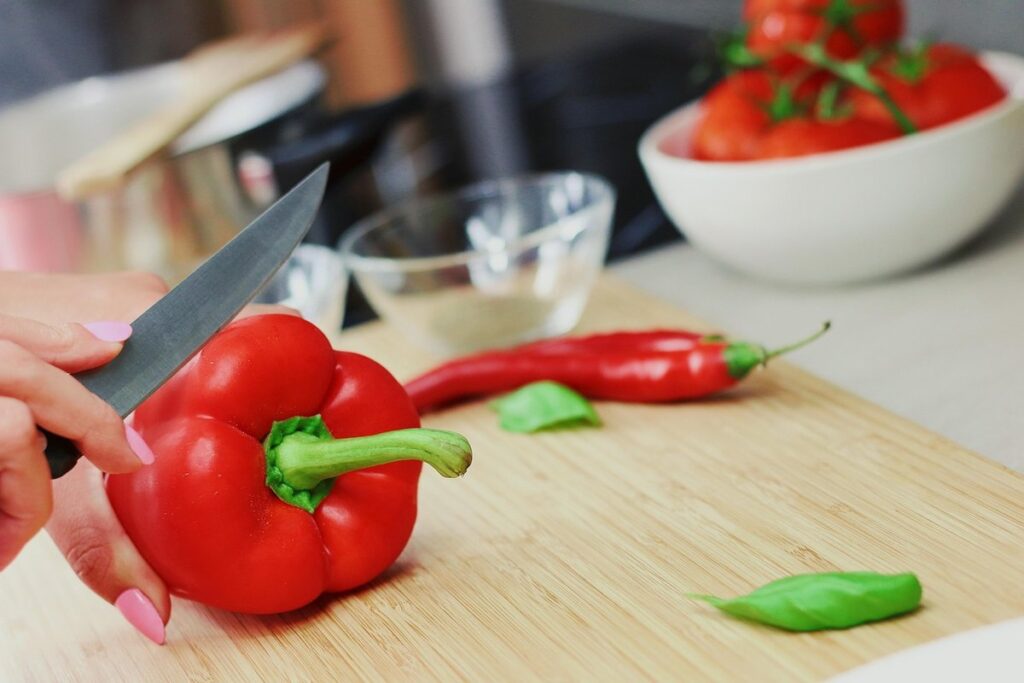
Peppers come in an incredible array of shapes, sizes, and flavors. You’ll find sweet peppers like bell peppers, which are crunchy and mild, perfect for snacking or adding to salads. Then there’s the hot stuff – jalapeños, habaneros, and scotch bonnets, each with its own unique level of heat. If you’re feeling adventurous, you might also try specialty varieties like padron peppers or Anaheim peppers.
When choosing a pepper type, consider your climate first. If you live in an area with cold winters, stick to hardy bell peppers or sweet mini peppers that can tolerate frost. In warmer climates, feel free to experiment with more exotic varieties. Think about the space you have available too – compact peppers like Thai chilies are perfect for small gardens, while larger peppers like poblano or Anaheim need more room to spread out.
Most importantly, consider your desired level of heat. If you’re a beginner or prefer mild flavors, start with sweet peppers and gradually move up to hotter varieties as you gain experience. Remember, it’s always better to err on the side of caution when working with hot peppers!
Factors Influencing Variety Selection (Climate, Soil, Disease Resistance)
When choosing the right pepper variety for your garden, several factors come into play. First and foremost is climate. Different peppers thrive in various temperature ranges, so it’s essential to select a variety that suits your local climate. For example, if you live in an area with extremely hot summers, look for varieties like ‘Thai Hot’ or ‘Jalapeño’, which can tolerate high temperatures. On the other hand, if you’re in a cooler region, opt for peppers like ‘Bell Boy’ or ‘Sweet Mini Belle’, which prefer milder conditions.
Soil quality is another critical consideration. Peppers need well-draining soil that’s rich in organic matter. If your soil is heavy clay or sandy, amend it with compost or well-rotted manure to improve its structure. Disease resistance is also a crucial factor. With the rise of devastating diseases like powdery mildew and bacterial spot, selecting varieties with built-in resistance has become more important than ever. Research varieties like ‘California Wonder’ or ‘Early Jalapeño’, which have demonstrated excellent resistance to these diseases.
To research and select the perfect variety for your needs, start by consulting seed catalogs or online resources. Look for descriptions of the variety’s growth habits, climate tolerance, disease resistance, and expected yields. You can also read reviews from other gardeners who have grown the same variety in similar conditions. By considering these factors, you’ll be well on your way to selecting a pepper variety that will thrive in your garden.
Preparing the Perfect Growing Conditions
To create a thriving pepper plant, it’s essential to prepare your growing conditions carefully. This involves choosing the right spot and providing optimal soil quality for your peppers.
Climate and Temperature Requirements
When it comes to growing peppers, temperature plays a crucial role in their growth and development. Pepper plants require a consistent temperature range to thrive, and this varies depending on the stage of growth.
For seed germination, pepper seeds need a warm environment with temperatures between 75°F (24°C) and 85°F (29°C). This allows them to sprout within 7-10 days. Once seedlings have two sets of leaves, you can gradually increase the temperature to around 70°F (21°C) during the day and 55°F (13°C) at night. This promotes healthy root development.
As pepper plants mature, they require a warmer environment with temperatures between 65°F (18°C) and 75°F (24°C). Avoid exposing them to extreme temperatures above 85°F (29°C), as this can lead to stress and reduced yields. To create an optimal microclimate, consider using row covers or shading materials during peak sun hours. This will help maintain a consistent temperature range and prevent overheating.
Maintaining these temperature fluctuations will ensure your pepper plants grow strong and healthy throughout the growing season.
Soil Preparation (pH Balance, Nutrient-Rich Mix)
When it comes to growing peppers, the soil is just as crucial as the seeds themselves. A well-draining and nutrient-rich mix will give your pepper plants the best chance of thriving. To ensure your soil meets these standards, you’ll need to test its pH levels.
You can purchase a DIY pH testing kit or send a sample to a lab for analysis. Most peppers prefer a slightly acidic to neutral soil pH between 6.0 and 7.0. If your soil falls outside this range, you may need to add lime to raise the pH or sulfur to lower it.
To create a nutrient-rich mix, incorporate organic amendments like compost, well-rotted manure, or worm castings into the soil. Aim for a ratio of 10% amendment to 90% native soil. You can also use fish emulsion or bone meal as a fertilizer, but be sure to follow the recommended application rates.
Think of your pepper plants like a fine-tuned machine: they need the right fuel (nutrients) and lubrication (water) to run smoothly. By balancing pH levels and providing essential nutrients, you’ll set your pepper plants up for success and enjoy a bountiful harvest.
Starting Seeds Indoors or Direct Sowing
When it comes to growing peppers from seed, you have two main options: starting seeds indoors and then transplanting them outside, or direct sowing in your garden. Let’s break down both methods.
Seed Selection and Germination Rates
When it comes to starting peppers from seed, selecting high-quality seeds is crucial for achieving optimal germination rates. The age of the seed plays a significant role; ideally, choose fresh seeds that are no more than 18-24 months old. Old seeds may have reduced viability and lower germination rates.
Proper storage conditions also affect seed quality. Store seeds in an airtight container in the refrigerator at temperatures between 40°F to 50°F (4°C to 10°C). Avoid exposure to direct sunlight, heat sources, or moisture. When handling seeds, avoid touching them excessively, as oils from your skin can damage the embryo.
For optimal germination rates indoors, provide seeds with adequate warmth – most pepper varieties require temperatures between 75°F to 85°F (24°C to 30°C) – and humidity. You can achieve this using a seed starting mat or placing the pot on top of a heating pad set on low. Avoid overwatering, as this can lead to rot and reduced germination rates.
When direct sowing outdoors, prepare the soil by loosening it to a depth of 12-18 inches (30-45 cm) and adding organic matter like compost or well-rotted manure. Sow seeds ¼ inch deep and 1-2 inches apart.
Transplanting Seedlings (Timing, Handling, Care)
When transplanting pepper seedlings from indoor containers to outdoor gardens or larger pots, timing is everything. You’ll want to wait until they have at least 2-3 sets of true leaves and are around 6-8 inches tall. This allows the seedling to develop a robust root system that can handle the shock of being moved.
To harden off your pepper seedlings, start by gradually exposing them to outdoor conditions over the course of 7-10 days. Begin by moving them from their indoor location to a shaded area outdoors for 1-2 hours a day, then gradually increase the duration and intensity of the sunlight exposure. This helps prevent shock and ensures your seedling can handle full sun.
When transplanting, gently remove the seedling from its container and inspect the roots. If they’re circling or growing out of the pot, take the opportunity to trim them back a bit before placing the seedling in its new home. Water thoroughly after planting and provide support if necessary – pepper plants can grow quite large!
Caring for Pepper Plants
To keep your pepper plants thriving, you’ll want to learn about proper watering techniques, fertilization schedules, and pruning methods to promote healthy growth.
Watering Strategies (Frequency, Depth, Mulching)
When it comes to watering your pepper plants, it’s essential to strike the right balance. Over-watering can lead to root rot and other problems, while under-watering can stunt growth and reduce fruit production.
To determine how often to water your peppers, check the soil moisture by inserting your finger into the soil up to the knuckle. If the soil feels dry, it’s time to water. A good rule of thumb is to water your pepper plants when the top 1-2 inches of soil feel dry to the touch.
When watering, make sure to soak the soil thoroughly, but avoid overwatering by not letting water collect in the saucer or tray. This can lead to fungal diseases and root rot. Aim for about 1-2 gallons of water per plant, depending on size and climate.
Mulching around your pepper plants is also crucial for retaining moisture and suppressing weeds. Use a thick layer (about 3-4 inches) of organic mulch like straw or wood chips, keeping it a few inches away from the plant stems to prevent rot. Mulch will help regulate soil temperature and retain moisture during hot summer months.
Fertilization Schedule (Organic Options, Timing)
Fertilizing pepper plants is crucial for promoting healthy growth and maximizing yields. Regular fertilization provides essential nutrients like nitrogen, phosphorus, and potassium that peppers need to thrive. However, it’s just as important to choose the right type of fertilizer.
For organic gardeners, options like compost tea and worm casting are excellent choices. Compost tea is a liquid solution made by steeping compost in water, which infuses beneficial microbes into the soil. It promotes root growth, improves soil structure, and stimulates plant immune systems. Worm casting, also known as vermicompost, is rich in nutrients and microorganisms that support healthy microbial activity.
Some other natural options include fish bone meal, alfalfa meal, and kelp meal. These fertilizers are slow-release and provide a steady supply of nutrients over time. For example, using a combination of compost tea and fish bone meal can provide an excellent boost to your pepper plants’ growth. When choosing organic fertilizers, be sure to follow the recommended application rates to avoid over-fertilizing, which can damage plant roots and hinder their ability to absorb water.
When planning your fertilization schedule, consider applying fertilizers at different stages of the growing season:
* Seedlings: 1-2 weeks after transplanting
* Flowering stage: 3-4 weeks before harvesting
This will help support fruit set and promote a healthy crop. Keep in mind that peppers are heavy feeders and require regular fertilization, but over-fertilizing can be detrimental to the plant’s health.
Pest and Disease Management
Effective pepper growth requires attention to potential threats, so let’s discuss how to prevent and treat common pests and diseases that can harm your plants. We’ll cover signs, prevention methods, and organic treatments.
Common Pepper Pests (Aphids, Whiteflies, Slugs) and How to Control Them
When it comes to growing pepper plants, pest management is an essential aspect of ensuring a healthy and thriving crop. Unfortunately, pepper plants are susceptible to various pests that can cause significant damage if left unchecked. Among the most common pepper pests are aphids, whiteflies, and slugs.
Aphids are small, soft-bodied insects that feed on plant sap, causing curled or distorted leaves. To control aphid infestations, use a strong jet of water to dislodge them from the plant. You can also introduce natural predators like ladybugs or lacewings, which prey on aphids.
Whiteflies, on the other hand, are tiny insects that suck sap from plants, weakening their growth. Use yellow sticky traps to capture adult whiteflies and prevent their reproduction. Regularly inspect your plants for signs of infestation, such as a sticky substance on leaves or a faint powdery coating.
Slugs, which are often active at night, feed on plant tissues, causing significant damage. To deter slugs, use copper tape around the base of your pepper plants, as they do not like to cross over it. Also, keep your garden free of debris and weeds, which can provide shelter for these pests.
Diseases (Bacterial Leaf Spot, Root Rot) Prevention and Treatment
Bacterial leaf spot and root rot are two of the most common diseases affecting pepper plants. These issues can be devastating if left unchecked, as they can spread quickly through a crop and reduce yields significantly. Early detection is key to preventing these problems.
Bacterial leaf spot appears as small, dark spots on leaves that eventually turn yellow and drop off. To prevent this disease, ensure good air circulation around your pepper plants by maintaining adequate spacing between them. Regularly inspect your plants for signs of bacterial leaf spot and treat with a copper-based fungicide if necessary.
Root rot is typically caused by overwatering, which can lead to a buildup of moisture in the soil. This creates an ideal environment for fungal growth, resulting in rotting roots. To prevent root rot, ensure your pepper plants are receiving well-draining soil and avoid watering them too frequently. If you notice yellowing leaves or a soft, mushy stem, it may be a sign that your plant is struggling with root rot.
In both cases, correcting the underlying issue will often resolve the problem. For example, if you’re experiencing bacterial leaf spot due to poor air circulation, simply rearranging the layout of your plants can make all the difference.
Harvesting and Storing Your Pepper Crop
Now that your pepper plants have matured, it’s time to bring in the harvest and store your crop properly to enjoy them for months to come.
Timing and Techniques for Optimal Harvest
Timing is everything when it comes to harvesting peppers. Different varieties have unique growth patterns and characteristics that affect the optimal harvest time. For example, bell peppers take about 70-80 days to mature, while sweet peppers are ready in as little as 50-60 days. Hot peppers like jalapenos can be harvested in about 90-100 days.
When harvesting peppers, it’s essential to handle them gently to avoid damage. Use a sharp knife or scissors to snip the stem at an angle, leaving a small portion of the stem attached to the pepper. This helps prevent moisture from entering the pepper and causing rot. Gently lift the pepper from the plant, taking care not to bruise the fruit.
For bell peppers, it’s best to harvest them when they’re fully colored and firm to the touch. For sweet peppers, wait until they’ve reached their full color and have a slight give when pressed. Hot peppers can be harvested at any stage of ripeness, but for optimal flavor and heat, wait until they’re fully ripe.
To determine if your peppers are ready, gently twist or pull on the pepper. If it comes off easily, it’s likely mature enough to harvest.
Storage Methods (Refrigeration, Freezing, Pickling)
Proper storage of freshly harvested peppers is crucial to maintaining their quality and flavor. When it comes to short-term storage, refrigeration is the best option. Store peppers in a sealed container or plastic bag, making sure they’re not touching each other to prevent moisture buildup. Keep them away from strong-smelling foods as peppers can absorb odors easily.
For long-term storage, freezing and pickling are great alternatives. To freeze peppers, simply wash, dry, and chop them before placing them in an airtight container or freezer bag. Frozen peppers retain their flavor and texture when thawed.
Pickling is another excellent way to store peppers for a longer period. Slice the peppers thinly and soak them in a brine solution (vinegar, salt, and water) for at least 24 hours. This method not only preserves the peppers but also adds extra flavor. For both freezing and pickling methods, be sure to label containers clearly so you know what’s inside.
Peppers can be stored in a variety of ways depending on their type and desired usage. Some peppers, like sweet bell peppers, are more suitable for refrigeration or freezing due to their milder flavor. Others, like hot peppers, retain their heat and flavor when pickled. Experiment with different storage methods to find what works best for you.
Troubleshooting Common Issues
Don’t worry if you’re encountering problems with your pepper plants – we’ve got solutions to common issues, from poor germination to pests and diseases. Let’s tackle these challenges together!
Identifying and Addressing Nutrient Deficiencies
As you care for your pepper plants, it’s essential to recognize potential nutrient deficiencies that can hinder their growth and productivity. Visual inspections can often reveal the first signs of trouble. Look for yellowing leaves, stunted growth, or a general decline in plant vigor. If you notice any of these symptoms, it may indicate a specific nutrient deficiency.
For instance, if your pepper plants’ leaves are turning yellow between the veins (a condition known as interveinal chlorosis), it could be a sign of nitrogen deficiency. Conversely, if the entire leaf is yellowing, phosphorus might be lacking. A lack of potassium can manifest as blackened or scorched tips on the leaves.
To confirm your suspicions, perform a soil test to identify nutrient levels and pH. This will help you pinpoint exactly which nutrients are out of balance. Based on the results, adjust your fertilizer routine accordingly. For example, if your test reveals low phosphorus levels, add a balanced fertilizer containing this essential nutrient during the plant’s growth phase. Regular monitoring and adjustments will keep your pepper plants thriving throughout their life cycle.
Overcoming Challenges (Pests, Diseases, Environmental Factors)
Pest infestations can be a significant threat to your pepper crop. Keep an eye out for common pests like aphids, whiteflies, and spider mites. To control these pests, use neem oil or insecticidal soap according to the product’s instructions. Prune infected areas of the plant to prevent further damage.
Diseases can also be a problem in pepper cultivation. Fungal diseases like powdery mildew and root rot are common issues. Use fungicides as a last resort and ensure good air circulation around your plants to reduce moisture buildup. Regularly inspect your plants for signs of disease, such as yellowing leaves or black spots.
Environmental factors can impact your pepper crop’s health. Extreme temperatures, either hot or cold, can cause stress and damage to the plant. Keep your plants in a location with full sun but some shade during peak heat hours. Water them consistently to ensure they receive about 1 inch of water per week.
When dealing with these challenges, adaptability is key. Monitor your plants regularly for signs of pests, diseases, or environmental stressors and take action quickly to mitigate the issue.
Frequently Asked Questions
What is the ideal climate for growing peppers, and how can I ensure it matches my variety’s requirements?
The ideal climate for growing peppers varies depending on the variety. Generally, most pepper varieties prefer warm temperatures between 65°F to 85°F (18°C to 30°C). Ensure your region has a suitable climate for the specific variety you’ve chosen. Consider factors like frost tolerance and heat resistance when selecting.
How do I know if my soil is suitable for growing peppers, and what are some common amendments I can add?
Soil pH should be between 6.0 and 7.0 for optimal pepper growth. Check your soil’s pH balance by taking a sample to a lab or using an at-home testing kit. Add organic matter like compost or well-rotted manure to improve nutrient-rich mix.
What are some common pests that target peppers, and how can I prevent infestations?
Common pests include aphids, whiteflies, and slugs. To prevent infestations, use row covers or fine mesh to keep pests away from your plants. Regularly inspect your plants for signs of pests and treat promptly if you notice any.
Can I grow peppers in containers, and what size pots do you recommend?
Yes, pepper plants can thrive in containers as long as they provide enough space for the roots to develop. Use at least 5-gallon (19-liter) containers with a well-draining potting mix. Make sure your container has adequate drainage holes to prevent waterlogged soil.
How do I store my harvested peppers to keep them fresh for an extended period?
Store fresh peppers in a cool, dry place like the refrigerator. You can also freeze or pickle them for long-term storage. Remove any stems and clean the peppers before storing to prolong their freshness.