
Pollen from flowers is often viewed as a pesky allergen, but did you know that it holds some amazing benefits? Not only can it provide relief for those suffering from allergies, but it’s also packed with nutrients and energy-boosting properties. For centuries, cultures have harnessed the power of pollen to enhance their health and well-being. From ancient medicinal practices to modern-day superfoods, pollen has been revered for its incredible nutritional value.
In this article, we’ll delve into the surprising benefits of pollen from flowers and explore ways to incorporate it into your diet. We’ll discuss how taking a small dose of pollen can help alleviate allergy symptoms, provide a natural energy boost, and even support overall health. Whether you’re looking to kickstart your day or find new ways to support your well-being, get ready to discover the incredible potential of pollen from flowers.
What is Pollen?
Pollen from flowers is a tiny, yet mighty, part of nature that’s often misunderstood. Let’s break down what pollen actually is and why it plays such an important role in our world.
Composition of Pollen
Pollen is composed of a complex mixture of nutrients that make it an incredibly valuable source of energy and nutrition. At its core, pollen is primarily made up of carbohydrates, with some species containing as much as 30-40% sucrose by dry weight. This high sugar content explains why pollen has been used for centuries in traditional medicine to boost vitality and promote overall well-being.
In addition to carbs, pollen is also a rich source of protein, containing anywhere from 15-20% protein by dry weight. This makes it an excellent option for individuals looking to increase their protein intake without relying on animal products. Other key nutrients found in pollen include essential fatty acids, vitamins (such as thiamin and riboflavin), and minerals like potassium and magnesium.
One of the most interesting aspects of pollen’s composition is its unique combination of micronutrients, which work together to create a truly potent elixir. For example, pollen contains over 20 different amino acids, including some that are not found in other plant-based foods. By harnessing the nutritional power of pollen, individuals can reap a wide range of benefits, from improved energy levels and mental clarity to enhanced immune function and overall health.
Types of Pollen and Their Sources
Pollen from flowers comes in various types, each with its unique characteristics and sources. Some of the most common types of pollen include tree pollen, grass pollen, and weed pollen.
Tree pollen is typically produced by deciduous trees like oak, birch, and maple, while coniferous trees such as pine and spruce also produce it. During peak seasons, these trees release massive amounts of pollen into the air, which can exacerbate allergies in some people. If you’re allergic to tree pollen, try to stay indoors during peak pollen counts or wear a mask when outdoors.
Grass pollen is another prevalent type, often produced by common grasses like Kentucky bluegrass and perennial ryegrass. These grasses release large amounts of pollen, contributing to the high levels found in urban areas. To minimize exposure, consider mowing your lawn when it’s dry, as wet conditions can make pollen more airborne.
Weed pollen is less well-known but still contributes significantly to overall pollen counts. Plants like ragweed and tumbleweed are notorious for releasing massive amounts of pollen into the air, often causing allergies in sensitive individuals. To reduce exposure, consider using air purifiers or wearing masks when outdoors during peak pollen seasons.
Benefits of Consuming Pollen
When it comes to reaping the rewards of pollen, one of the most significant advantages is its incredible nutritional value. Let’s explore the benefits of consuming pollen from flowers.
Nutritional Value
Pollen is often referred to as “nature’s multivitamin” due to its impressive nutritional profile. One of the most significant benefits of consuming pollen is its high protein content. A single tablespoon of pollen can contain up to 8 grams of protein, making it an excellent option for vegetarians and vegans looking to boost their protein intake. Additionally, pollen is a rich source of essential fatty acids (EFAs), including omega-3 and omega-6, which are crucial for heart health and brain function.
Pollen also contains a broad spectrum of vitamins and minerals, including vitamin C, E, K, and B-complex vitamins. Its mineral content includes calcium, magnesium, potassium, and zinc. When consumed as part of a balanced diet, pollen can provide a natural energy boost, improve cognitive function, and support immune system health. To incorporate pollen into your daily routine, consider adding it to smoothies, salads, or using it as an ingredient in homemade granola recipes. A general guideline is to start with small amounts (about 1/2 teaspoon) and gradually increase the serving size based on individual tolerance.
Allergy Relief
Some people may find relief from allergies by consuming small amounts of pollen. This concept may seem counterintuitive, as one might assume that being exposed to more pollen would exacerbate allergy symptoms. However, research has shown that regular consumption of small amounts of pollen can actually help desensitize the body and reduce allergic reactions over time.
This phenomenon is often referred to as immunotherapy or allergy desensitization. By gradually introducing small amounts of pollen into the diet, the immune system becomes less reactive to it, reducing symptoms such as congestion, sneezing, and itching. For example, some studies have found that individuals who consumed 10-20 grams of birch pollen per day for several months experienced significant reductions in allergy symptoms.
If you’re considering trying this approach, start by consulting with a healthcare professional to discuss the best course of action for your specific situation. They can help determine the optimal dose and duration of treatment based on your individual needs. It’s essential to begin with small amounts (about 1-2 grams per day) and gradually increase as needed under medical supervision.
Energy and Endurance
Pollen is not just a key component for plant reproduction but also offers various benefits when consumed by humans. One of its most notable advantages is its potential to boost energy levels and endurance. Pollen contains a mix of vitamins, minerals, and amino acids that work together to provide a natural energy boost.
Research has shown that pollen can help reduce fatigue and improve overall physical performance. This is particularly beneficial for athletes and individuals with physically demanding lifestyles who often struggle with maintaining their energy levels throughout the day. One study found that consuming pollen resulted in a significant increase in endurance capacity among athletes, allowing them to perform better and recover faster.
Incorporating pollen into your diet can also help alleviate symptoms of chronic fatigue syndrome (CFS). This is attributed to its rich content of antioxidants and other nutrients that work together to reduce inflammation and promote cellular health. When choosing pollen supplements or products, be sure to select those from reputable sources that are free from additives and contaminants.
Uses of Pollen in Food and Beverage Products
Pollen is increasingly being used as a natural ingredient in various food and beverage products, adding nutritional value and unique flavors to our favorite treats. From energy bars to craft beers, pollen’s versatility shines through its diverse applications.
Supplements and Additives
Pollen is increasingly being used as a dietary supplement or additive in various products to boost nutritional value and enhance health benefits. One popular way pollen is incorporated into food and beverage products is through energy bars and smoothies. These convenient formats make it easy for consumers to reap the rewards of pollen, which is rich in protein, vitamins, and minerals.
When choosing pollen-based supplements or additives, look for products that have been processed from high-quality sources and have minimal processing steps to preserve their natural nutrients. Some popular forms of pollen supplements include freeze-dried pollen powder, capsules, and tablets. You can also find pollen-infused water, juices, and other beverages on the market.
To incorporate pollen into your daily routine, consider adding a scoop of pollen powder to your smoothie or oatmeal in the morning. Alternatively, look for energy bars that contain pollen as an ingredient. By choosing products with pollen, you’ll be harnessing its potential to support immune function, heart health, and overall well-being.
Baking and Cooking
When it comes to incorporating pollen into our diets, baking and cooking with this versatile ingredient are great ways to add unique flavors and boost nutritional benefits. Pollen can be used as a substitute for traditional flours, adding a delicate nutty flavor to baked goods such as cakes, cookies, and breads. For example, you can try substituting 10% of the flour in your favorite cake recipe with pollen powder.
Not only does pollen add depth to baked goods, but it’s also rich in protein, vitamins, and minerals. It contains a high concentration of micronutrients like iron, calcium, and zinc, making it an excellent addition to recipes for people looking to enhance their nutrition. Consider adding pollen to your favorite smoothie bowl recipe or using it as a topping for oatmeal or yogurt.
To cook with pollen effectively, start by experimenting with small amounts in your recipes. Begin with a small substitution ratio (5-10%) and adjust to taste, as the flavor can be quite strong. Additionally, ensure you’re using high-quality pollen from reputable sources, free from contaminants and heavy metals.
Pollen’s Role in Plant Reproduction and Ecology
Pollen plays a vital role in the reproduction of plants, allowing them to produce seeds and fruits that bring new life to our ecosystems. Let’s dive into how it affects plant growth.
The Importance of Pollination
Pollen plays a critical role in plant reproduction, serving as a key component of pollination processes. Without adequate pollen, plants would be unable to reproduce, and many species would eventually die off. This is because pollination allows for the transfer of genetic material between plants, enabling them to produce seeds and propagate their offspring.
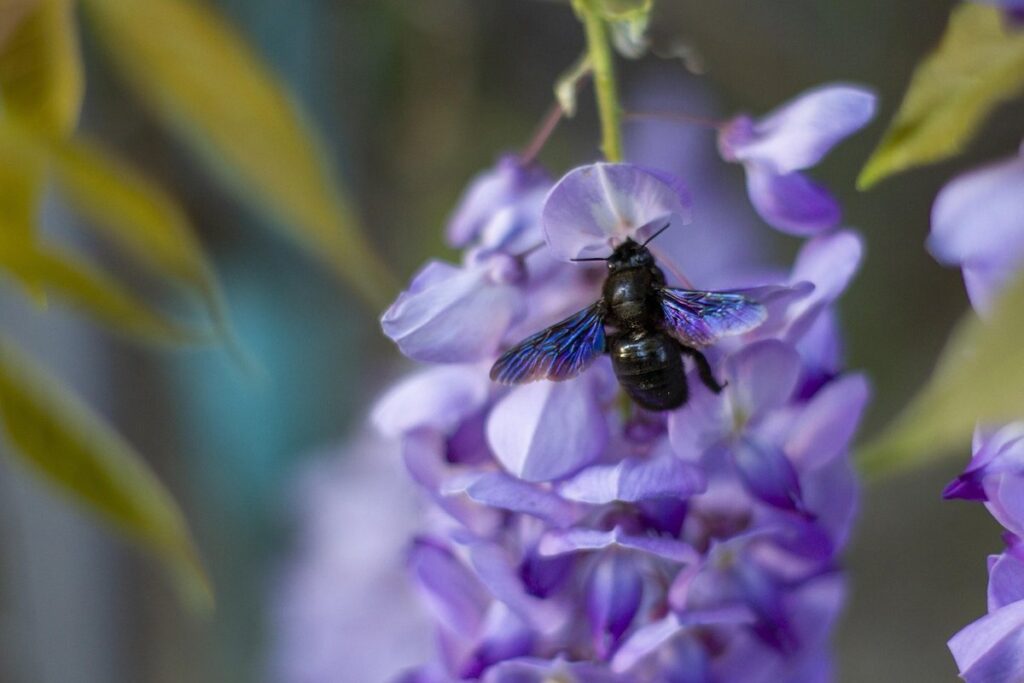
When a bee or other pollinator visits a flower, it picks up pollen from the anther (the male reproductive organ) and deposits it onto the stigma (the female reproductive organ) of another flower. This process allows for fertilization to occur, resulting in the production of seeds.
The importance of pollination cannot be overstated, as many plant species rely heavily on this process to reproduce. In fact, it’s estimated that one-third of the food we eat is directly or indirectly dependent upon animal pollinators like bees, butterflies, and hummingbirds. By understanding the role of pollen in pollination, we can take steps to support these vital processes and promote the health and sustainability of plant ecosystems.
Impact on Ecosystems
Changes to pollen production or dispersal can have far-reaching consequences for ecosystems and wildlife populations. When pollinators like bees and butterflies struggle to find enough food due to reduced pollen availability, it can impact the entire food chain. For example, a study found that 75% of crops and 85-90% of wildflowers rely on animal pollination. If pollinator populations decline, it can lead to decreased plant reproduction, affecting not only ecosystems but also human food security.
Furthermore, changes in pollen dispersal patterns can also affect the genetic diversity of plant species. When plants are unable to cross-pollinate effectively, they may become more susceptible to disease and pests. This can have a ripple effect throughout an ecosystem, leading to decreased biodiversity and altered community composition.
To mitigate these effects, it’s essential for gardeners and farmers to create pollinator-friendly environments by planting a diverse range of flowers that provide a steady supply of pollen. By doing so, they can help support local pollinator populations and maintain the delicate balance within ecosystems.
Potential Health Risks and Precautions
While pollen can have numerous benefits, it’s essential that you’re aware of potential health risks associated with its consumption and use, particularly for individuals with allergies. We’ll cover these important considerations next.
Allergic Reactions
While pollen from flowers can offer numerous health benefits when consumed responsibly, it’s essential to acknowledge the potential risks associated with its consumption. For individuals who suffer from severe allergies, exposure to pollen can trigger serious allergic reactions.
If you’re new to consuming pollen or have a history of allergies, start by introducing small amounts into your diet and monitor your body’s response. Be aware that some common allergens like ragweed, birch, and cedar are notorious for triggering reactions in sensitive individuals.
Symptoms of an allergic reaction can range from mild discomfort to life-threatening anaphylaxis. If you experience any of the following – hives, itching, swelling, stomach cramps, or difficulty breathing – discontinue pollen consumption immediately and consult a healthcare professional.
To minimize risks, choose high-quality, organic pollen sources that have been processed and filtered for allergens. Consider consulting with a healthcare expert or registered dietitian to determine the best approach for your specific needs and health status.
Contamination and Quality Control
When it comes to harnessing the benefits of pollen from flowers, selecting high-quality products from reputable sources is crucial. Contamination and quality control are significant concerns that can impact not only the efficacy but also the safety of pollen supplements.
Pollen can be contaminated with heavy metals, pesticides, or other pollutants, which may negate its potential health benefits or even cause harm. A 2020 study published in the Journal of Applied Phytosanitary Research found that up to 70% of commercial pollen samples contained detectable levels of heavy metals like lead and cadmium.
To ensure you’re getting high-quality pollen products, look for manufacturers that adhere to strict quality control standards. Reputable sources will typically provide certificates of analysis (COAs) or third-party lab testing results to verify the purity and potency of their pollen. Additionally, consider purchasing from companies that source their pollen directly from organic farms or wildflower-rich areas, minimizing the risk of contamination.
By choosing high-quality pollen products and being aware of potential contaminants, you can enjoy the numerous benefits of this natural supplement while prioritizing your health and well-being.
Conclusion: Harnessing the Power of Pollen
As we’ve explored the incredible benefits and uses of pollen from flowers, it’s time to summarize key takeaways and discuss how you can harness its power in your daily life.
Recap of Key Points
In conclusion to our exploration of the power of pollen from flowers, let’s recap the key points covered. We’ve discussed the numerous benefits of pollen, including its high nutritional value and potential to boost energy levels. Pollen is an excellent source of protein, vitamins, and minerals, making it a great addition to smoothies or energy bars.
We also highlighted various uses for pollen, such as promoting plant growth and improving soil quality when used as a natural fertilizer. Additionally, we touched on its potential application in skincare products due to its antioxidant properties. However, it’s essential to note that excessive consumption of pollen can cause allergic reactions or digestive issues in some individuals.
To harness the power of pollen safely and effectively, consider starting with small amounts and gradually increasing your intake. When using pollen as a natural fertilizer, be sure to mix it with water according to the recommended ratio to avoid over-saturation. By understanding these key points, you’ll be better equipped to incorporate pollen into your daily life and reap its numerous benefits while minimizing potential risks.
Encouragement to Try Pollen
As you’ve learned about the numerous benefits and uses of pollen from flowers, we hope that you’re inspired to consider incorporating it into your diet or exploring its use in food products. Pollen is a nutrient-dense superfood that can provide an instant energy boost, support immune function, and even promote healthy digestion.
By adding pollen to your daily routine, you may experience improved overall well-being. For instance, some people have reported enhanced mental clarity and reduced inflammation after consuming pollen regularly. If you’re interested in trying pollen for the first time, start with a small dose and observe how your body responds. You can add it to smoothies, oatmeal, or even use it as a topping for salads.
Remember that not all pollens are created equal – look for high-quality, organic options from reputable sources. When selecting a product, choose one that is labeled as “raw” or “unpasteurized” to ensure that the pollen has retained its natural nutrients and enzymes. With a little experimentation, you may find that pollen becomes a staple in your health routine, providing a wealth of benefits with each delicious serving.
Frequently Asked Questions
What are the potential risks of consuming pollen from flowers?
Yes, while pollen is considered safe for most people when consumed in moderation, there are some potential risks to consider, especially for those with severe allergies or sensitivities. Pollen can also interact with certain medications, so it’s essential to consult with a healthcare professional before adding it to your diet.
How do I choose high-quality pollen products?
When selecting pollen products, look for reputable brands that source their pollen from trusted suppliers and adhere to strict quality control measures. Check the label for information on the type of pollen, its origin, and any added ingredients or preservatives. Consider consulting with a healthcare professional or registered dietitian for guidance.
Can I consume pollen if I’m already taking allergy medications?
Consult your healthcare provider before consuming pollen while taking allergy medications, as some interactions may occur. However, many people have reported successfully combining pollen consumption with their existing medication regimens without issues. Start with small doses and monitor your body’s response.
What are the best ways to incorporate pollen into my diet?
Pollen can be added to smoothies, juices, or soups for an energy boost. Mix a small amount (about 1/4 teaspoon) with other nutrient-rich foods like honey, bee propolis, or spirulina for enhanced nutritional benefits. You can also use pollen in baking recipes or as a natural sweetener substitute.
How do I store pollen to maintain its potency and freshness?
Store pollen in an airtight container, away from direct sunlight and moisture. Keep it in the refrigerator to preserve its nutritional value and energy-boosting properties. Use within 6 months for optimal benefits. When in doubt, consult with the manufacturer or a healthcare professional for guidance on storage and handling.