
Deer can be a beautiful sight to behold in your backyard, but their love for snacking on your prized plants can be a real nuisance. If you’re tired of seeing your garden or landscaping devoured by these voracious grazers, you’re not alone. Protecting your plants from deer grazing is a common concern for many homeowners and gardeners. In this article, we’ll explore the effective deterrent strategies that can help keep deer at bay, including physical barriers, repellent plants, and integrated pest management approaches that adapt to environmental and seasonal changes. By learning how to prevent deer from eating your plants, you can enjoy your outdoor space without worrying about the damage these critters can cause. Let’s dive into the world of deer-resistant gardening and discover the best ways to safeguard your plants!
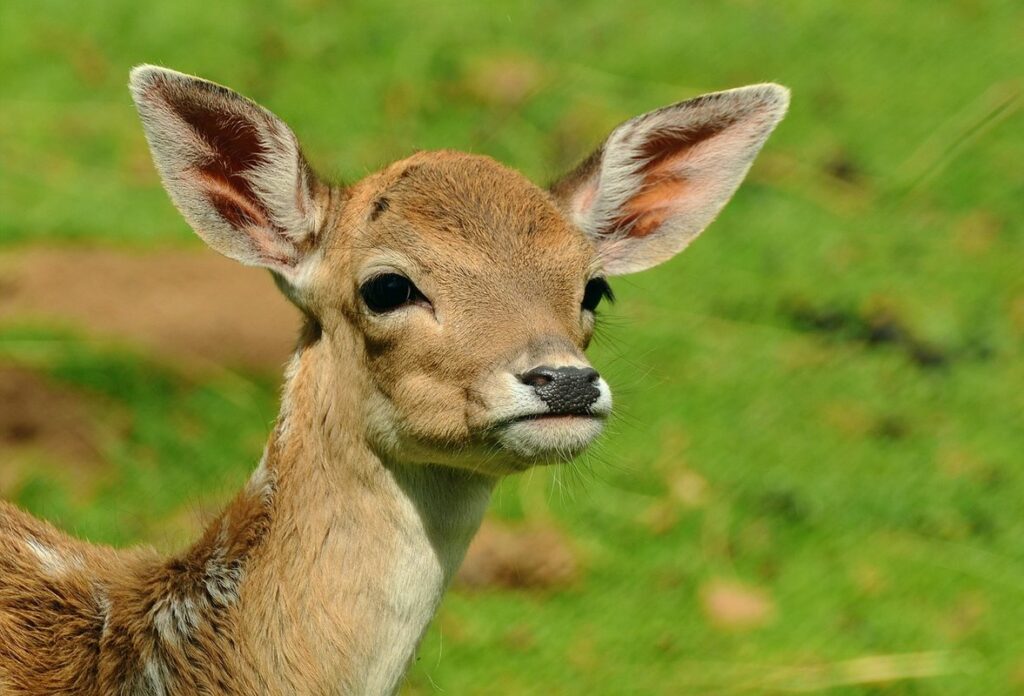
Understanding Deer Behavior and Habitat Preferences
To truly appreciate what keeps deer from eating your plants, it’s essential to understand their behavior patterns and habitat preferences that drive their feeding habits. Let’s dive into the specifics of deer behavior.
Deer Habitat Selection Criteria
When selecting their habitats, deer are driven by fundamental needs: food, water, and shelter. They seek areas where these necessities are readily available, influencing the types of plants they consume.
Deer often choose areas with an abundance of forage-rich vegetation, such as clover, alfalfa, or fruit trees, which provide them with essential nutrients. These sites can be found in meadows, pastures, or woodlands near water sources like streams or ponds. Sheltered spots, like wooded groves or rocky outcrops, offer protection from harsh weather and predators, making these areas more attractive to deer.
When evaluating potential habitats, deer consider the quality and accessibility of food resources. For instance, if a meadow offers tender shoots in spring but dries up during summer, deer may choose an adjacent area with lush vegetation that persists throughout the growing season. Understanding how deer select their habitats can help you identify which plants are less likely to be targeted by these herbivores. By recognizing and incorporating this insight into your landscape design or plant selection, you can take proactive steps in protecting specific plants from deer damage.
Plant Characteristics Affecting Deer Attraction
Deer are drawn to plants with high palatability and nutritional value. For example, tender shoots of alfalfa grass contain up to 20% protein, making it a highly sought-after food source for deer. On the other hand, plants with low nutritional value may be less appealing to deer.
Some plants, like daffodils and lilies, are toxic to deer due to their chemical composition. These plants can cause vomiting, diarrhea, and even death if ingested in large amounts.
The texture of a plant also affects its palatability. Deer tend to prefer smooth, tender leaves over coarse or fibrous ones. Plants with prickly stems or spines, such as roses and cacti, are often avoided by deer due to the discomfort they cause when trying to eat them.
When choosing plants for your garden or landscape, consider their characteristics and whether they will attract or deter deer. If you want to keep deer away from certain plants, incorporate toxic or unpalatable species into your design. This can be a effective way to protect your garden while also creating a wildlife-friendly environment.
Physical Barriers to Prevent Deer Grazing
When it comes to keeping deer from devouring your plants, physical barriers are a simple yet effective solution that can make a big impact. We’ll explore some of the most popular options in this section.
Fencing Options for Excluding Deer
When it comes to excluding deer from areas with desirable plants, physical barriers are an effective solution. Fencing is one of the most popular and reliable options for preventing deer grazing. There are several types of fencing you can consider, each with its own strengths and weaknesses.
Wooden fencing, such as cedar or pine wood, can be an attractive option due to its natural appearance and cost-effectiveness. However, it may not be as durable as other materials and requires regular maintenance to prevent rotting. On the other hand, metal fencing is more durable and long-lasting but can be expensive and may obstruct visibility.
Electric fencing is another effective option that uses a low-voltage current to deter deer from approaching the area. It’s a good choice for areas with high deer activity or where other types of fencing are not feasible. When choosing a fence, consider factors like height (at least 8 feet tall), material durability, and cost-effectiveness.
For example, you can install a wooden fence around your garden beds or a metal fence along the perimeter of your property. Electric fencing can be used in combination with other types of fencing to create an effective barrier.
Other Physical Barriers: Plant Placement and Layout
When it comes to preventing deer grazing, strategically placing or rearranging plants can be an effective deterrent. By minimizing deer access to prized plants, you can reduce the likelihood of damage. Consider grouping deer-resistant plants together and positioning them near natural barriers like fencing or walls. This approach not only protects your plants but also creates a visually appealing garden design.
For example, consider planting deer-resistant species like lavender, rosemary, or yew in areas that are difficult for deer to access, such as steep slopes or narrow pathways. You can also use physical barriers like boulders or large rocks to create a “deer highway” through your garden, directing them away from sensitive plants.
When rearranging your plant layout, consider the size and shape of the space you’re working with. Deer tend to follow established routes through gardens, so deliberately disrupting these paths can help reduce grazing. For instance, planting tall shrubs or trees on either side of a narrow walkway can guide deer through without allowing them access to nearby plants.
Chemical Deterrents to Repel Deer
If you’re tired of seeing deer munching on your prized plants, chemical deterrents can be a highly effective solution. We’ll explore some popular options that work wonders in keeping deer at bay.
Commercial Repellents and Their Efficacy
Commercial repellents are a popular option for gardeners and landscapers looking to protect their plants from deer damage. These products contain active ingredients such as capsaicin, citronella, or other scented oils that are designed to repel deer. However, the effectiveness of these repellents can vary depending on several factors.
When choosing a commercial repellent, it’s essential to consider the type of active ingredient and how it will affect the deer population in your area. Capsaicin-based products, for example, are highly effective but may not be suitable for gardeners who have pets or children due to their spicy smell. Citronella-based products, on the other hand, are a better option for areas with high foot traffic.
When applying commercial repellents, it’s crucial to follow the instructions carefully and reapply as needed. A general rule of thumb is to apply repellent every 7-10 days during peak deer season. Some common drawbacks of commercial repellents include their potential environmental impact and the development of deer resistance over time. To mitigate these risks, consider rotating between different types of repellents or combining them with other deterrent methods.
Homemade Repellents Using Plants and Spices
When it comes to keeping deer away from plants without resorting to harsh chemicals, natural alternatives can be just as effective. One of the best options is using plants and spices that repel deer. Certain herbs like lavender, mint, and daffodil bulbs have been known to keep deer at bay.
You can also use spices like hot peppers, garlic, and cayenne pepper to create a homemade repellent spray. Mix 2 tablespoons of hot sauce or chopped fresh chili peppers with 1 quart of water and spray around the perimeter of your garden. Deer won’t want to get close to these potent scents!
Another recipe combines equal parts water and apple cider vinegar, mixed with a teaspoon of cayenne pepper. This spray is not only effective at repelling deer but also safe for humans and pets.
For a longer-term solution, consider planting a deer-repelling garden bed featuring plants like lemongrass, sage, and rosemary. These herbs are not only beautiful additions to your landscape but will also keep deer away from nearby plants.
Repellent Plants That Deer Find Unpalatable
If you’re tired of seeing your favorite plants ravaged by deer, consider incorporating some natural repellents into your garden. Certain plants are known to be unpalatable to deer, making them a great addition to any deer-resistant landscape.
Examples of Deer-Repelling Plants
When it comes to keeping deer at bay, incorporating certain plants into your garden or landscape can be an effective natural barrier. Certain species have been found to be unappealing to deer, making them a great addition to areas you want to protect. Lavender, for instance, is a prime example of a plant that deer tend to avoid. Its strong scent and bitter taste make it a less-than-ideal option for these hungry creatures.
Other plants that deer find unpalatable include mint, chamomile, and hot peppers. These species can be strategically placed around the perimeter of your garden or in areas where you’ve noticed deer activity in the past. By doing so, you create a natural barrier that discourages deer from entering those zones. To maximize their effectiveness, consider planting these species in clusters or groupings to amplify their scent and deterrent properties.
Keep in mind that while these plants can be effective repellents, they may not be enough on their own to completely eliminate deer activity. However, when used as part of a multi-faceted approach, including fencing, lighting, and other deterrents, they can make a significant impact on keeping deer out of your garden or landscape.
Integrating Repellent Plants with Other Deterrents
When it comes to keeping deer away from plants, relying on a single method can be ineffective. This is where integrating repellent plants with other deterrents comes into play. By combining these methods, you can create a robust defense against those pesky deer.
For example, if you have a large garden or orchard, fencing is an essential component of any deer-deterrent strategy. However, physical barriers alone may not be enough to keep deer at bay. This is where repellent plants come in – they serve as a natural warning system, alerting deer to the presence of something unpalatable.
To enhance effectiveness, consider pairing repellent plants with chemical repellents or other non-toxic deterrents. For instance, you could plant daffodils alongside a fence line and spray a motion-activated sprinkler nearby. By combining these methods, you’ll create a layered defense system that’s more likely to keep deer away from your prized plants.
When choosing repellent plants for combination use, consider the space available and the deer’s preferences. Some popular options include lavender, rosemary, and hot peppers – all of which can be paired with fencing or physical barriers for added protection.
Environmental and Seasonal Factors Influencing Deer Behavior
Deer behavior is heavily influenced by changes in their environment, which can play a significant role in determining what plants they eat. Let’s explore some environmental and seasonal factors that impact deer feeding habits.
Weather Conditions Affecting Deer Grazing Patterns
Deer grazing patterns are heavily influenced by weather conditions, which can either encourage or deter them from feeding on plants. Temperature plays a significant role, with deer often seeking out cooler temperatures during extreme heatwaves to reduce water loss through evaporation. Conversely, cold snaps may prompt them to seek out warmer areas with more accessible food sources.
Precipitation patterns also impact deer behavior, as excessive rainfall can lead to overgrazing in certain areas and starvation in others due to reduced access to forage. Similarly, drought conditions force deer to travel longer distances in search of water and nutritious plants, affecting their overall grazing efficiency.
Understanding these dynamics is crucial when developing effective deterrent strategies. By recognizing how weather conditions influence deer behavior, landowners can design targeted approaches that take into account the specific needs and limitations of local wildlife populations. For instance, deploying deer repellents during periods of drought or extreme temperatures may be more effective than applying them during milder conditions.
Seasonal Changes in Deer Diet and Activity
As we explore what keeps deer from eating plants, it’s essential to consider seasonal changes in their diet and activity levels. During different times of the year, deer adapt their feeding habits to ensure survival and thrive in varying environments.
In spring, for instance, deer tend to focus on high-protein foods like grasses, clover, and alfalfa. This is a crucial period for them as they replenish energy reserves after a winter of scarce food options. Summer months bring warmer temperatures, and deer often shift their attention to leafy greens, shrubs, and trees.
Fall, particularly in areas with temperate climates, signals the beginning of deer’s preparation for winter. They begin consuming more fiber-rich plants like mast-bearing trees, acorns, and nuts to build up fat reserves. By adapting deterrent methods according to these seasonal changes, you can enhance their effectiveness and protect your plants from unwanted visitors.
When applying deterrents in spring, focus on areas with lush vegetation; summer months require a shift towards leafy greens; fall is the perfect time for repellents near mast-bearing trees.
Long-Term Strategies for Managing Deer Grazing
To effectively manage deer grazing, you’ll need to consider long-term strategies that take into account your specific landscape and deer population. Let’s dive into some effective solutions for reducing plant damage.
Integrated Pest Management (IPM) Approaches
When it comes to managing deer grazing issues, Integrated Pest Management (IPM) approaches are a game-changer. IPM strategies involve combining multiple deterrent methods to address the problem comprehensively. This multi-faceted approach is essential for long-term effectiveness and sustainability.
By incorporating physical barriers, repellents, habitat modification, and cultural controls, you can create an ecosystem that’s less appealing to deer. For instance, installing fencing around sensitive plants or using electric netting can deter deer from entering the area. Repellent granules or sprays containing predator urine or hot peppers can also be effective in keeping deer away.
However, IPM strategies require ongoing monitoring and adjustments to ensure their continued effectiveness. This may involve rotating repellents, repairing damaged fencing, or making changes to plant selection based on deer preferences. By adopting an IPM approach, you can create a more resilient landscape that’s better equipped to withstand deer grazing pressure over the long term.
Practically speaking, implementing an IPM strategy requires a willingness to adapt and be flexible. It involves gathering data on deer behavior, monitoring their response to different deterrents, and making adjustments as needed. By doing so, you can create a balanced ecosystem that’s less reliant on single methods or treatments.
Monitoring and Adjusting Deterrent Methods
As you implement deterrent methods to keep deer away from your plants, it’s essential to remember that their behavior and environmental conditions can change over time. What worked yesterday may not work tomorrow, so it’s crucial to stay vigilant and adjust your approach accordingly.
To monitor the efficacy of your deterrents, regularly inspect your property for signs of deer activity, such as tracks, droppings, or nibbled plants. Keep a journal or log to track patterns in their behavior, including times of day when they’re most active, and any changes in their preferred feeding areas. This information will help you identify what’s working and what needs tweaking.
Pay attention to weather conditions, too – extreme temperatures, droughts, or floods can alter deer behavior and influence the effectiveness of your deterrents. For instance, during a prolonged dry spell, deer may be more attracted to water sources, so it might be necessary to relocate a pond or other water feature to keep them away from your plants.
By regularly assessing your deterrent methods and making informed adjustments, you’ll be better equipped to adapt to changing conditions and maintain the integrity of your landscape.
Frequently Asked Questions
Can I use multiple deterrent methods together for more effective deer control?
You can combine physical barriers, repellent plants, and integrated pest management approaches to create a comprehensive deer-deterrent system. For example, installing fencing with strategically placed repellent plants around the perimeter of your garden can provide long-term protection against deer grazing.
What if I have a small garden or limited space – are there still options for keeping deer away?
Yes. Even in small gardens, you can use repellent plants like hot peppers or garlic to deter deer from feeding on specific plants. Additionally, consider using other physical barriers such as plant cages or individual plant covers to protect your prized plants.
How often should I reapply commercial repellents or refresh homemade repellents?
The frequency of application depends on environmental and seasonal factors. For example, after heavy rainfall or during peak deer activity seasons (spring and fall), you may need to reapply repellents more frequently to maintain their effectiveness. It’s essential to monitor your garden regularly for signs of deer grazing and adjust deterrent methods accordingly.
Can I use the same plants year-round to repel deer, or do I need to rotate them seasonally?
While some plants are consistently unpalatable to deer, others may lose their potency or attractiveness during certain seasons. For example, daffodils and hyacinths can be effective in spring but may become less attractive as the summer months progress. Rotate your repellent plants every 3-4 months to maintain their effectiveness.
How do I choose the right repellents for my specific deer problem – should I opt for commercial or homemade options?
Consider your garden’s size, layout, and environmental factors when deciding between commercial or homemade repellents. Small gardens may benefit from homemade solutions, while larger areas may require more extensive coverage offered by commercial products. Experiment with both options to find what works best for your specific deer control needs.