
Creating a welcoming space for our busy friends in need is easier than you think. As we strive to make our gardens more sustainable, one simple yet effective step is designing an inviting bee hotel. These tiny structures provide essential habitats for solitary bees and other pollinators that are struggling to find shelter due to habitat loss and climate change. By building a bee hotel in your garden, you’ll be contributing to the preservation of biodiversity and attracting these vital creatures to help pollinate your plants.
In this article, we’ll take you through the process of designing and maintaining a thriving bee hotel, from selecting materials that mimic natural habitats to ensuring a stable environment for our friends. Whether you’re an experienced gardener or just starting out, these expert tips will guide you in creating a haven that will support pollinators all year round.
Understanding the Importance of Bee Hotels
Bee hotels are essential for providing a safe habitat for solitary bees, which play a vital role in pollinating our gardens and crops. Let’s explore why bee hotels are crucial in this section.
What are Bee Hotels and Why Do We Need Them?
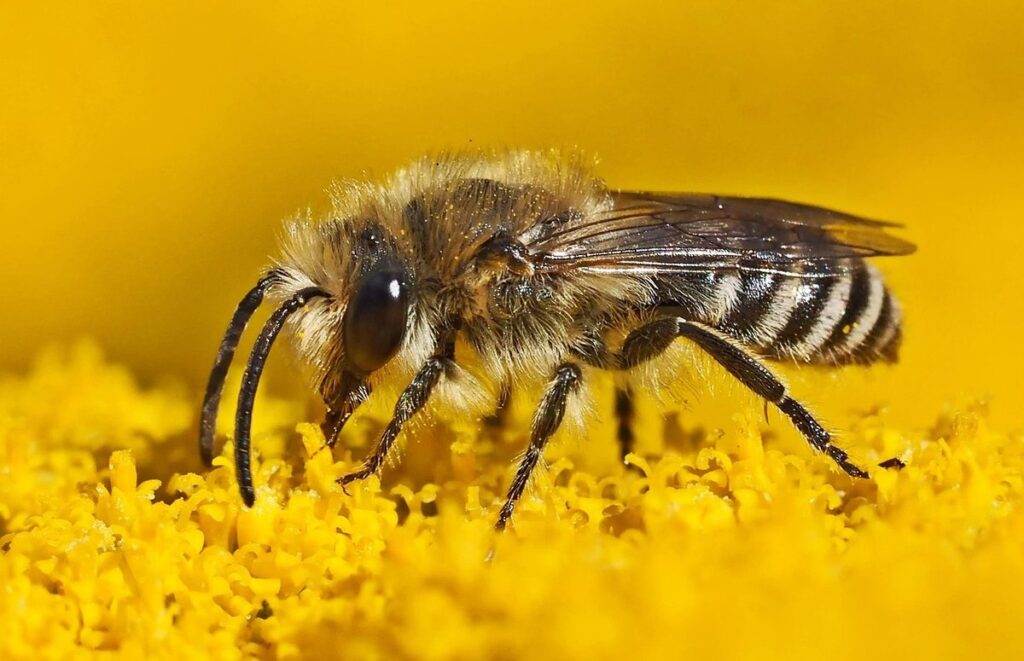
Bee hotels are specially designed structures that offer solitary bees and other pollinators a safe place to nest and lay eggs. These tiny creatures are often misunderstood as they don’t live in colonies like honeybees, but instead, each female bee builds her own individual nest.
When left on their own, these solitary bees face numerous threats such as predators, harsh weather conditions, and lack of suitable nesting sites. This is where bee hotels come into play – providing a protected space for them to thrive. By mimicking the natural habitats found in trees or rocks, bee hotels offer a cozy home for these pollinators.
To create an effective bee hotel, consider using a combination of different sized tubes and hollow reeds that cater to various species’ nesting preferences. Place it in a sunny spot with minimal disturbance, ideally 1-2 meters off the ground to protect from extreme weather. By installing a bee hotel in your garden, you’ll be contributing significantly to their well-being and ensuring their continued presence for years to come.
Benefits of Installing a Bee Hotel in Your Garden
Installing a bee hotel in your garden can have a profound impact on the local ecosystem. One of the primary benefits is increased pollination, which is essential for plant reproduction and seed production. By providing a habitat for solitary bees, you’ll be attracting these vital pollinators to your garden, ensuring a steady supply of nectar and pollen.
Bee hotels also contribute to biodiversity by offering a home for various species of solitary bees, such as mason bees and leafcutter bees. These beneficial insects play a crucial role in maintaining ecosystem health by pollinating flowers, fruits, and vegetables. By supporting these pollinators, you’ll be creating a more balanced and resilient environment.
In addition to increased biodiversity, bee hotels can also help mitigate the negative impacts of pesticide use and habitat destruction. By providing a safe haven for solitary bees, you’ll be helping to preserve these vital pollinators and promote ecosystem health in your garden. So, consider installing a bee hotel as part of your gardening strategy – it’s a simple yet effective way to attract pollinators and support the local ecosystem.
Choosing the Right Materials for Your Bee Hotel
When it comes to building a bee hotel, selecting the right materials is crucial, as they’ll need to withstand the elements and provide the perfect habitat for your pollinator friends. Let’s explore some options that will attract bees to your garden.
Natural Materials: Wood, Bamboo, and Reeds
When it comes to choosing natural materials for your bee hotel design, wood, bamboo, and reeds are excellent options. These materials have been used by bees for centuries, and for good reason – they provide the perfect blend of structure, insulation, and protection.
Wood is a popular choice among bee hotel designers due to its abundance and affordability. However, it’s essential to note that not all types of wood are created equal. Some woods, like cedar and cypress, have natural oils that repel insects, making them less attractive to bees. Opt for sustainably sourced hardwoods like oak or maple instead.
Bamboo is another excellent option, offering exceptional strength-to-weight ratio and durability. Its hollow tubes create the perfect nesting sites for solitary bees, while its moisture-resistant properties help prevent damage from rain and snow. Reeds, on the other hand, are an eco-friendly alternative to wood, requiring less maintenance and providing a similar habitat for bees.
When using natural materials, be mindful of your local climate and region. For example, in areas with high humidity, reeds may not be the best choice due to their susceptibility to rotting. Always choose materials that can withstand the elements and require minimal upkeep to ensure your bee hotel remains a thriving haven for pollinators year-round.
Recycled Materials: Plastic, Cardboard, and Metal
When it comes to building an eco-friendly bee hotel, using recycled materials is a great way to reduce waste and promote sustainability. One of the most common recycled materials used in bee hotels is plastic. You can upcycle old plastic containers, such as empty bottle caps or tubes, into tiny compartments for solitary bees. However, be sure to clean and sterilize the materials thoroughly before using them.
Cardboard and paper products are also great alternatives for building a bee hotel. For example, you can use cardboard tubes from toilet paper rolls or paper towel rolls to create cozy little homes for solitary bees. Cut out small holes of different diameters to accommodate various species. This is a cost-effective and eco-friendly option that can be easily customized.
Metal materials like old metal cans or aluminum foil are also being used in bee hotel design. While they may not provide insulation, they can serve as durable compartments for larger solitary bees. Just ensure the material is free from any chemicals or coatings that might harm the bees. When using recycled materials, remember to choose items that are clean, dry, and free of debris. This will help prevent the spread of diseases and parasites in your bee hotel.
Designing a Bee-Friendly Hotel
Now that you’ve decided to build a bee hotel, let’s talk about designing it with pollinators in mind to ensure they feel welcome and safe. This includes thoughtful considerations for size, shape, and even furniture choice.
Size Matters: The Optimal Diameter and Depth
When designing a bee hotel, it’s essential to consider size considerations that cater to various species. The diameter and depth of the hotel are crucial factors to ensure different bees can nest comfortably.
The optimal diameter for a bee hotel depends on the species you want to attract. For example, solitary bees like the Red Mason Bee prefer narrower tunnels with diameters between 2-4 mm, while carpenter bees require wider openings around 6-10 mm in diameter. Consider creating multiple compartments with different diameters to accommodate various species.
Depth is another critical factor to consider. Bees often nest up to 100mm deep, so ensure your hotel has sufficient depth to accommodate their needs. A minimum of three blocks with varying depths will provide a diverse range of nesting sites for bees. For instance, one block can be shallow (20-40mm) for species like the mason bee, another can have medium-depth tunnels (60-80mm) for carpenter bees, and the third can be deeper (100mm or more) for solitary bees.
When building your bee hotel, remember to leave some gaps between blocks for maintenance and easy inspection. This will help you monitor the health of the bees and ensure the hotel remains a safe haven for them.
Tube Orientation and Spacing: A Guide for Beginners
When designing a bee hotel, the orientation and spacing of tubes play a crucial role in attracting pollinators. Bees are highly specific about their nesting sites, and tube orientation can either attract or deter them from using your hotel.
Tubes should be oriented at an angle to prevent water from collecting inside, as this can harm the bees and lead to their demise. A good rule of thumb is to have tubes angled between 20-45 degrees, allowing for easy drainage while also providing a snug fit for bee nesting. In terms of spacing, it’s essential to strike a balance between providing ample room for each species to nest undisturbed and maintaining an overall density that encourages competition among bees.
In general, aim for a tube diameter of about 5-6 mm, with an optimal spacing of around 1-2 cm between tubes. This allows smaller bee species like the solitary mason bee or leafcutter bee to use the hotel without feeling overwhelmed by larger species like carpenter bees.
Adding Features that Encourage Occupancy
Now that we’ve discussed the basics of bee hotel design, let’s talk about how to make your hotel a magnet for pollinators. We’ll explore features that really get bees buzzing.
Entrance Tubes and Shapes: Attracting Specific Species
When designing your bee hotel, it’s essential to consider the entrance tubes and shapes you provide for pollinators. Different species have varying preferences when it comes to entering their homes, so incorporating a range of tube diameters and shapes can significantly increase occupancy.
Some species, like mason bees and leafcutter bees, prefer wider tubes (around 3-4mm) with a smooth surface for easy navigation. These tubes should be placed on the exterior of the hotel, where they’re most exposed to the elements. In contrast, solitary bees and sweat bees often require narrower tubes (around 1-2mm) and may appreciate some texture or ridging within the tube.
To cater to these diverse needs, consider incorporating a mix of smooth-walled, hollow reeds with diameters between 3-8mm. These can be placed alongside tubes featuring various textures or patterns, providing a range of options for different pollinators. By thoughtfully designing and installing multiple entrance types, you’ll increase the chances of attracting a variety of species to your bee hotel.
Chamber Depth and Width: Providing Adequate Space for Nesting
When designing a bee hotel, it’s essential to provide adequate space for solitary bees to nest comfortably. The depth and width of each chamber play a significant role in influencing their nesting behavior.
Research has shown that the ideal chamber width ranges from 2-4 mm, while depths can vary between 10-20 mm. However, it’s crucial to note that some species may prefer narrower or wider chambers, so it’s essential to consider the local bee population when designing your hotel.
To provide sufficient space for solitary bees, aim to create a mix of shallow and deep chambers within your hotel. This will cater to different species and their specific nesting requirements. For example, you can include 10-15 mm deep chambers with 2-3 mm wide openings and 20-25 mm deep chambers with 4-5 mm wide openings.
A general rule of thumb is to allocate a minimum of 1/3 of the hotel’s total volume to deeper chambers, allowing larger species to nest comfortably. This balance will ensure that your bee hotel provides a welcoming environment for various solitary bee species, increasing their chances of successful nesting and reproduction.
Maintenance and Upkeep: Ensuring Your Bee Hotel Thrives
Now that your bee hotel is buzzing with activity, let’s focus on keeping it healthy and thriving through regular maintenance and upkeep tasks. With a little TLC, you’ll ensure years of pollinator-friendly bliss.
Cleaning and Inspecting the Hotel Regularly
Regular cleaning and inspections are crucial for maintaining a healthy bee hotel ecosystem. Just like our homes, bee hotels need regular maintenance to keep their inhabitants happy and thriving. A dirty or neglected bee hotel can lead to the spread of diseases, parasites, and pests that can harm both the bees and the environment.
To clean your bee hotel, start by removing any debris, such as dead insects, twigs, or leaves, from the tubes using a small brush or a cloth. Next, inspect each tube for signs of infestation, like mites, wasp nests, or fungal growth. If you notice any issues, use a gentle insecticidal soap solution to clean the affected areas.
It’s essential to inspect your bee hotel regularly, ideally every 1-2 weeks during peak season (spring and summer), to prevent problems from escalating. Check for damage, rotting wood, or signs of wear and tear that could compromise the structure’s integrity. By incorporating regular cleaning and inspections into your maintenance routine, you’ll create a welcoming environment for pollinators to visit and nest in your bee hotel.
Replacing Damaged or Worn-Out Tubes
Replacing damaged or worn-out tubes is an essential part of maintaining a thriving bee hotel. Over time, some tubes may become damaged due to weather conditions, pests, or wear and tear from frequent use by bees. If left unattended, these damaged tubes can compromise the overall structure and functionality of your bee hotel.
To replace damaged or worn-out tubes, start by carefully removing the affected section from the rest of the hotel. You can do this by gently prying it loose with a blunt tool or using a screwdriver to release any fasteners holding it in place. Next, inspect the remaining tubes for any signs of damage and make a note of which ones need replacing.
When selecting replacement tubes, choose materials that are durable and long-lasting, such as bamboo or cedar. Consider using tubes with pre-drilled holes to simplify the installation process and ensure proper spacing between each compartment.
Tips for Installing and Placing Your Bee Hotel
Now that you’ve designed your bee hotel, it’s time to put it into action. Learn how to expertly install and place your new pollinator haven in this next crucial step.
Location, Location, Location: Choosing the Perfect Spot
When it comes to installing your bee hotel, the location you choose can make all the difference. Remember the old real estate adage: “location, location, location.” This couldn’t be truer for a bee hotel. The spot you select should provide the right combination of sunlight, protection from harsh weather conditions, and proximity to essential resources like water.
Consider placing your bee hotel in a spot that receives at least 6 hours of direct sunlight per day. This will help regulate the internal temperature within the tubes, keeping it warm enough for bees to survive during chilly mornings and nights. Conversely, if you live in an area with scorching summers, ensure the location provides some shade to prevent overheating.
Be mindful of wind direction as well – a spot that’s partially sheltered from strong gusts will keep your bee hotel stable and secure. Lastly, have water nearby, either in the form of a birdbath or shallow dish filled with fresh water. This will make it easy for bees to quench their thirst and maintain their colony.
Keep an eye out for areas with minimal human activity, as this will reduce disturbance to your precious pollinators. A quiet corner amidst your garden or along a fence line could be the perfect spot.
Mounting Options: Hanging, Staking, or Burying
When it comes to installing your bee hotel, the mounting options can be just as crucial as the design itself. You have three primary choices: hanging, staking, or burying your bee hotel. Each method has its pros and cons, which we’ll explore below.
Hanging a bee hotel is an excellent option for those with trees or a fence in their garden. This allows you to create a vertical structure that can attract multiple species of solitary bees. Simply attach the hotel to a sturdy branch or hook using a rope or wire. Be sure to hang it in a sunny spot, ideally between 1-2 meters off the ground.
Staking is another popular method for mounting bee hotels. This involves placing the hotel on a wooden stake or pole driven into the ground. Staking is ideal for smaller gardens or areas with dense vegetation. However, be mindful of wind direction and ensure the stakes are securely anchored to prevent damage.
Burying your bee hotel may seem counterintuitive, but it can be an effective way to create a hidden haven for solitary bees. Dig a shallow hole (about 30-40 cm deep) in a sunny spot, and place the hotel inside. This method is particularly useful for areas with high foot traffic or where visibility is a concern.
When choosing your mounting option, consider factors like wind exposure, sunlight, and accessibility. By weighing these pros and cons, you can make an informed decision that suits your garden’s unique needs.
Troubleshooting Common Issues with Your Bee Hotel
So, you’ve built your bee hotel and everything seemed perfect at first. But what happens when pests take over or your bees start to dwindle in number?
Low Occupancy Rates: Identifying Potential Causes
If you’re not seeing the buzz you expected from your bee hotel, low occupancy rates can be a frustrating issue to troubleshoot. Before making changes, it’s essential to identify potential causes of this problem. One common reason for low occupancy is inadequate tube diameter or length. If the tubes are too narrow (less than 6mm) or too short (less than 10cm), solitary bees may find them unappealing or even impossible to navigate.
Another possible cause is a lack of diversity in nesting site types within your hotel. Many bee species prefer specific nesting sites, such as hollow reeds or bamboo sections. Consider adding different materials and shapes to your design to cater to various bee preferences. For example, you could include pre-existing cavities like hollow logs or old tree stumps.
It’s also crucial to ensure the location of your bee hotel receives adequate sunlight (3-4 hours per day) and is protected from strong winds and rain. Additionally, inspect your hotel regularly for signs of pests, disease, or structural damage that may be deterring bees from occupying it. Regular maintenance can help resolve issues and create a welcoming environment for pollinators.
Predator Attraction or Other Concerns
One common concern when building a bee hotel is the potential attraction of predators. You may worry that your bee hotel will become a haven for wasps, spiders, or even mice, which could harm your pollinator friends. However, with careful design and placement, you can minimize these risks.
To avoid attracting predators, consider the following: face your bee hotel east to southeast to reduce shade and moisture accumulation, which can attract pests; use materials that are easy for bees to nest in but difficult for other animals, such as bamboo or hollow reeds; and place your bee hotel at least 3-4 feet off the ground to discourage climbing predators like mice.
Some beneficial insects, like lacewings or ladybugs, may also be attracted to your bee hotel. While these are generally harmless, you can encourage their presence by incorporating features that mimic natural habitats, such as a source of water or nearby flowers rich in nectar and pollen.
Frequently Asked Questions
Can I build a bee hotel using reclaimed materials from my own garden?
Yes, repurposing natural materials like old wood or bamboo can be a great way to create a unique and sustainable bee hotel. Just ensure that the materials are free from any chemicals or treatments that might harm the bees.
How often should I clean and inspect my bee hotel, especially during peak pollinator seasons?
It’s essential to check your bee hotel regularly, ideally every 2-3 weeks during peak seasons (spring and summer). Cleaning and inspecting will help maintain a healthy environment for the bees. Remove any debris or dead insects that may attract pests.
What should I do if I notice low occupancy rates in my bee hotel despite following all the guidelines?
Consider factors like location, tube orientation, and material selection. Ensure your bee hotel is installed in an optimal spot with suitable mounting options (e.g., south-facing wall). Also, inspect the tubes for proper spacing and orientation to attract a variety of species.
Can I combine different materials, like natural and recycled ones, in my bee hotel design?
Yes, mixing materials can add diversity to your bee hotel. However, consider the potential impact on the environment and ensure that any used materials are free from chemicals or contaminants that might harm the bees. Balance aesthetics with functionality for a thriving pollinator habitat.
How do I handle pest control issues in my bee hotel, such as ants or wasps?
Use eco-friendly methods to deter pests. For example, planting certain herbs like mint or basil near your bee hotel can help repel ants and other unwanted visitors. Also, maintain good hygiene by regularly cleaning and inspecting the hotel to prevent infestations.
What are some common mistakes beginners make when building their first bee hotel?
Some common pitfalls include choosing materials that may harm bees (e.g., pressure-treated wood) or installing the hotel in a spot with inadequate sunlight or shelter from harsh weather conditions. Research thoroughly, follow expert guidelines, and consult online resources to avoid these rookie errors.