
As a bee enthusiast or gardener, you’re probably aware of the crucial role these tiny creatures play in pollinating our plants. But did you know that many flowers are specifically designed to attract bees? Creating a bee-friendly garden is not only beneficial for the environment but also a great way to support these essential pollinators. The right choice of flowers can make all the difference, and with this article, we’ll show you how to choose annuals and perennials that will bring bees buzzing to your garden. From sun-kissed blooms to delicate wildflowers, we’ll explore some of the best flowers for bees and provide tips on maintenance to keep them thriving. Whether you’re a seasoned gardener or just starting out, this article will guide you in creating a haven for these vital pollinators and attracting more beauty to your garden.
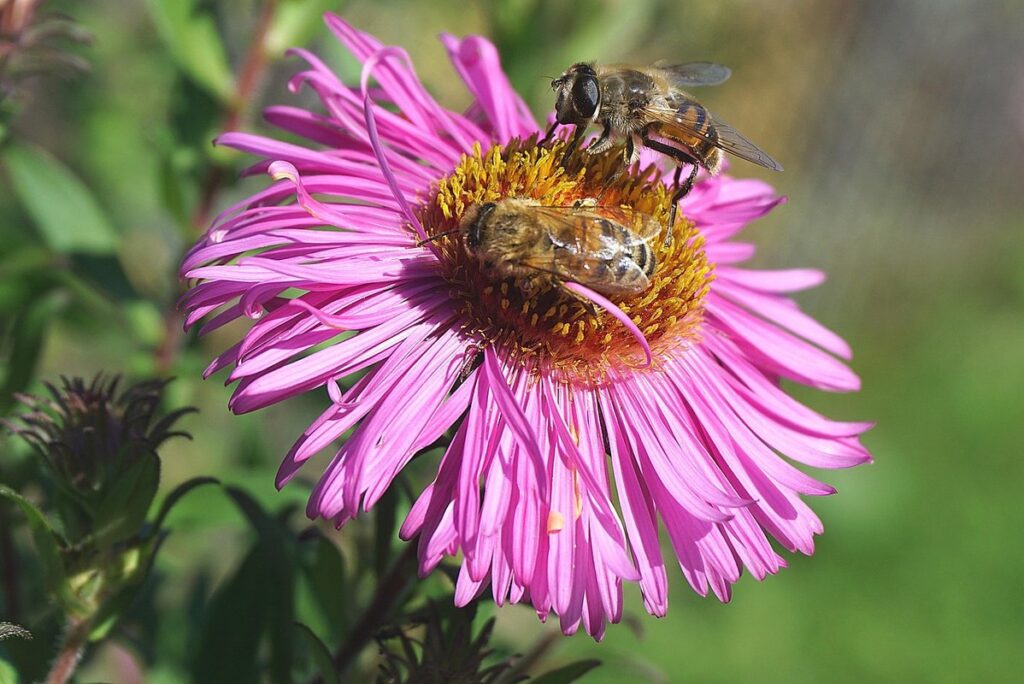
The Importance of Bee-Friendly Gardens
Creating a bee-friendly garden is essential for supporting these vital pollinators, and choosing the right flowers can make all the difference in attracting them to your outdoor space. Let’s explore some of the best blooms for bees!
Attracting Pollinators to Your Garden
Bees are some of the most crucial pollinators on our planet, responsible for pollinating around 1/3 of the world’s crops, including fruits, vegetables, and nuts. Without bees, many of our favorite foods would disappear or become much harder to grow. In fact, it’s estimated that one-third of all the food we eat is directly or indirectly dependent on bee pollination.
But bee populations are facing a significant threat due to habitat loss, pesticide use, and climate change. This is where bee-friendly gardens come in – they provide essential habitats for bees, offering them nectar-rich flowers to feed on, shelter from harsh weather conditions, and nesting sites to lay their eggs. By creating a bee-friendly garden in your own backyard or community space, you can make a real difference in the lives of these vital pollinators.
To attract pollinators to your garden, choose flowers that are rich in nectar and pollen, such as sunflowers, lavender, and coneflowers. Plant a variety of species that bloom at different times to ensure a constant food source for bees throughout the growing season.
Understanding the Role of Flowers in Bee Conservation
Bee populations rely heavily on flowers for two essential needs: food and habitat. As bees visit flowers to collect nectar and pollen, these blooms provide a crucial source of nutrition. A single colony can consume an impressive amount of nectar, equivalent to 100 pounds per year. By incorporating bee-friendly flowers in your garden, you’re supporting the well-being of local bee populations.
To create a thriving habitat for bees, consider the types of flowers that bloom at different times of the year. This ensures a constant supply of food throughout the growing season. For example, early spring-blooming flowers like crocus and daffodil provide nectar when other blooms are scarce. As summer progresses, sunflowers, zinnias, and cosmos offer a rich source of pollen.
When selecting flowers for your garden, look for species that attract native bees. These beneficial insects are often more efficient at pollination than honeybees. By creating a diverse array of bee-friendly flowers, you’ll be supporting the health and productivity of local bee populations.
Choosing the Right Flowers for Bees
When selecting flowers that attract bees, it’s essential to consider what types of blooms will thrive in your garden and provide a valuable nectar source for these busy pollinators. Let’s explore some key factors to keep in mind!
Selecting Bee-Friendly Annuals
When selecting bee-friendly annuals for your garden, it’s essential to choose flowers that are rich in nectar and pollen. These two essentials provide the energy boost bees need to collect resources for their hives.
Sunflowers (Helianthus annuus) are an excellent choice, with their towering stalks and large, bright yellow blooms. They’re a bee magnet due to their copious amounts of nectar, making them perfect for late-summer gardens. Cosmos (Cosmos bipinnatus), another popular annual, boasts delicate pink, white, or red flowers that bees adore.
Zinnias (Zinnia spp.) come in an array of colors and are easy to grow from seed. With their vibrant blooms, they’re a favorite among gardeners and bees alike! To maximize the benefits for your local bee population, plant a mix of annuals that provide a constant source of nectar and pollen throughout the growing season.
Consider grouping these flowers together in a dedicated bee-friendly bed or interspersing them with perennials to create a dynamic and attractive bloom sequence. By selecting the right combination of sunflowers, cosmos, zinnias, and other bee-friendly annuals, you’ll be supporting your local pollinators and creating a haven for them to thrive in.
Focusing on Perennials: Long-Lasting Nectar Sources
When it comes to providing sustenance for our busy bee friends, perennial flowers are an excellent choice. These long-lasting blooms offer a sustained food source that bees can rely on throughout the growing season. Consider introducing perennial favorites like lavender (Lavandula spp.), coneflowers (Echinacea spp.), and black-eyed Susans (Rudbeckia hirta) into your garden.
These perennials are not only bee-friendly but also low-maintenance, requiring minimal upkeep once established. For example, lavender is drought-tolerant and attracts a range of pollinators, including honeybees and bumblebees. To make the most of these flowers’ nectar-rich blooms, plant them in clusters or groups to create a ‘bee hotel’. This will encourage bees to visit multiple blooms at once, collecting as much nectar as possible.
When selecting perennial flowers for your bee-friendly garden, choose varieties that are native to your region and bloom during different seasons. This will provide a constant source of food for bees throughout the year.
Native Flowers for Bees in Your Region
When it comes to creating a bee-friendly garden, incorporating native flowers is crucial for attracting and supporting local pollinators in your region. Discover the top native flowers perfect for bees near you.
Identifying Native Flowers by Region
When it comes to choosing flowers for your garden that will attract bees, it’s essential to consider native flowers specific to your region. These plants have evolved alongside local bee populations and provide the perfect nectar sources. To identify native flowers suitable for different regions, let’s break down some examples by location.
In the Northeast, look for species like coneflower (Echinacea spp.), black-eyed Susan (Rudbeckia hirta), and mountain mint (Pycnanthemum spp.). These flowers typically bloom from May to October and provide a rich source of nectar. In contrast, California gardeners can opt for buckwheat (Fagopyrum esculentum) and lupine (Lupinus spp.), which attract bees during the spring months.
When selecting native flowers, consider their blooming periods and characteristics. For instance, if you want to support pollinators in the summer, choose flowers that bloom from July to September. Similarly, plants with large, showy blooms are more attractive to bees than those with small or subtle flowers.
By choosing native flowers specific to your region, you’ll create a welcoming environment for local bee populations and contribute to their survival.
Incorporating Native Plants into Your Garden Design
Incorporating native plants into your garden design is a great way to create a bee-friendly haven. These plants have co-evolved with the local pollinators and provide them with the perfect blend of nectar, pollen, and shelter. To get started, you can mix native flowers with non-native plants in your existing garden bed. This will not only add variety but also attract a wider range of bees and other pollinators.
When selecting native plants, consider their growth habits, sun requirements, and moisture levels to ensure they thrive in your specific climate. You can use companion planting techniques to create a diverse and resilient ecosystem. For example, plant bee-friendly herbs like lavender or rosemary alongside native flowers like coneflowers or black-eyed Susans. This will not only provide a source of nectar for the bees but also repel pests that might harm your plants.
To maximize the benefits of native planting, remember to leave some areas of your garden untidy, as this will provide shelter and nesting sites for solitary bees. By incorporating these simple tips into your garden design, you’ll be creating a haven that’s teeming with life and activity – a true bee paradise!
Understanding the Impact of Pesticides and Climate Change
While it’s essential to create a bee-friendly garden, let’s take a closer look at the challenges facing our pollinators and what we can do to mitigate their impact.
The Effects of Pesticide Use on Bee Populations
The use of pesticides in gardening has been a hot topic in recent years, and for good reason. These chemicals are not only harming our beloved bees but also contributing to their decline at an alarming rate. One of the most well-known culprits behind bee decline is neonicotinoids, a class of insecticides that have become increasingly popular in gardening due to their effectiveness against pests.
Neonicotinoids work by interfering with the nervous system of insects, ultimately killing them. However, this means they also disrupt the bees’ navigation and communication skills, making it harder for them to find food and return to their hives. Other common chemicals used in gardening, such as pyrethroids and organophosphates, have also been linked to bee decline.
So, what can you do to help protect your local bee population? First, try to avoid using pesticides altogether whenever possible. Instead, opt for natural methods of pest control, like attracting beneficial insects or using physical barriers to prevent pests from reaching your plants. If you must use pesticides, choose safer alternatives like diatomaceous earth or neem oil. And always follow the recommended application rates and guidelines carefully. By taking these simple steps, you can help create a bee-friendly garden that supports the health of your local bee population.
Adapting to Climate Change: Choosing Flowers That Thrive in Shifting Conditions
As you navigate the world of bee-friendly flowers, it’s essential to consider the impact of climate change on these delicate blooms. Shifting weather patterns and temperature fluctuations can make it challenging for plants to thrive, which is why choosing flowers that are resilient to changing conditions is crucial.
When selecting flowers for your garden or community space, look for varieties that have demonstrated adaptability in the face of climate uncertainty. For instance, coneflowers (Echinacea spp.) and black-eyed susans (Rudbeckia hirta) are both drought-tolerant options that can handle temperature fluctuations with ease.
When planting bee-friendly flowers in areas prone to extreme weather events, consider incorporating native species or cultivars developed for your specific region. These plants have naturally adapted to local conditions and will require less maintenance and support. Additionally, plant them in clusters or groups to create a diverse pollinator haven that can withstand shifting conditions.
Creating a Bee-Friendly Habitat
To create a haven for these vital pollinators, let’s dive into the details of designing and maintaining a bee-friendly habitat that will attract and support local bee populations.
Incorporating Water Sources for Bees
When it comes to creating a bee-friendly garden, many of us focus on planting flowers that provide nectar and pollen for our buzzing friends. However, another essential element is often overlooked: water sources. Just like humans, bees need access to fresh water to stay hydrated and healthy.
Incorporating shallow dishes with fresh water into your garden can make a huge difference for local bee populations. Look for dishes with wide mouths and shallow waters – this will allow bees to easily land and access the water without struggling to get in or out. Place these dishes in areas where they’ll receive full sun, as bees are more likely to visit them when the water is warm.
Another option is to install a birdbath that’s specifically designed with bees in mind. These baths often have built-in features like shallow waters and rocks for perching, which can attract bees looking to take a drink. Remember to change the water regularly to keep it fresh and free of mosquito larvae – we want our bee-friendly garden to be a haven for pollinators, not pests!
Providing Shelter and Nesting Sites
When it comes to creating a bee-friendly habitat, providing shelter and nesting sites is just as crucial as offering a variety of nectar-rich flowers. Bees need places to rest and nest their colonies, and this can be achieved through the use of natural features like log piles or purpose-built bee hotels.
A log pile, for example, can provide a cozy spot for solitary bees to lay their eggs and store their pollen. Simply gather some untreated logs and arrange them in a corner of your garden, leaving gaps between them for the bees to nest inside. You can also add some leaves or twigs to create a more appealing habitat.
Alternatively, consider installing a bee hotel specifically designed for solitary bees. These structures come in various shapes, sizes, and materials and can be easily attached to a fence or wall. Some popular options include bamboo tubes, wooden blocks, and even hollow reeds. By providing sheltered spots like these, you’ll not only attract more bees to your garden but also support their overall health and well-being.
Maintenance Tips for Bee-Friendly Gardens
To keep your bee-friendly garden thriving, regular maintenance is crucial – here’s how to keep your flowers blooming and your bees happy. We’ll share some essential tips on pruning, watering, and more!
Seasonal Care and Pruning Techniques
Maintaining a healthy bee-friendly garden requires attention to detail throughout the seasons. As flowers bloom and fade, it’s essential to deadhead spent blooms to encourage new growth and prevent seed production. This simple technique involves removing wilted flowers from plants like lavender, coneflowers, and cosmos, allowing them to redirect energy towards producing more blooms.
Pruning techniques are also crucial for bee-friendly gardens. In the spring, prune back perennials like roses, shrubs, and trees to promote new growth and increase nectar production. Summer pruning helps control plant size and encourages bushy growth, while fall pruning prepares plants for winter dormancy.
To care for your garden during different seasons:
* Deadhead flowers regularly to promote continuous blooming
* Prune back overgrown branches or shrubs in the spring
* Remove spent blooms from roses and other perennials
* Consider dividing and replanting overcrowded bulbs and perennials in the fall
By implementing these seasonal care and pruning techniques, you’ll create a thriving bee-friendly garden that provides a constant source of nectar for your pollinator friends.
Encouraging Beneficial Insects and Fungi
When it comes to maintaining a bee-friendly garden, it’s not just about choosing the right flowers – it’s also about creating an ecosystem that supports pollinator health. One crucial aspect of this is promoting beneficial insects and fungi. These tiny creatures play a vital role in maintaining ecological balance and can even help control pests that might harm your blooms.
To encourage beneficial insects, consider planting flowers that attract bees’ favorite predators, such as ladybugs or lacewings. For example, marigolds repel nematodes, while nasturtiums attract aphid-eating hoverflies. Plant a diverse range of flowers to support multiple species and provide a constant food source for these beneficial insects.
Fungi are another vital component of the ecosystem. Mycorrhizal fungi form symbiotic relationships with plant roots, enhancing nutrient uptake and water retention. In return, fungi receive carbohydrates produced during photosynthesis. To foster mycorrhizal relationships in your garden, incorporate organic matter like compost or mulch into your soil to create a welcoming environment for beneficial microbes.
By incorporating these beneficial insects and fungi into your garden ecosystem, you’ll not only support pollinator health but also enjoy a more balanced and resilient garden overall.
Frequently Asked Questions
How do I identify native flowers for bees in my region?
Native flowers are essential for attracting local pollinators, as they’re accustomed to their specific nectar and fragrance profiles. To find native flowers suitable for your area, research the USDA Plant Hardiness Zone Map or consult with a local nursery or gardening expert.
Can I use pesticides in my bee-friendly garden, or will it harm the bees?
No. Pesticides are toxic to bees and can decimate entire colonies if not used carefully. To maintain a healthy ecosystem, opt for natural pest control methods like introducing beneficial insects, practicing good gardening hygiene, and using physical barriers.
How do I create a water source for bees in my garden?
Bees need access to fresh water sources, especially during hot weather. Install a shallow dish or birdbath with rocks or twigs for landing sites. Change the water frequently to keep it clean and free of debris.
What’s the best way to maintain my bee-friendly flowers year-round?
Proper maintenance is crucial for long-term success. Deadhead spent blooms, prune plants to encourage bushy growth, and divide perennials every few years to prevent overcrowding. This will ensure a continuous nectar source throughout the seasons.
Can I incorporate invasive species into my bee-friendly garden?
No. While invasive plants may initially attract pollinators, they can outcompete native species and harm local ecosystems. Research and choose non-invasive, native flowers that support biodiversity and coexist with your region’s native flora.