
Bee pollination is one of the most vital processes in our ecosystem, but did you know just how crucial it is for food security? Without bees to pollinate crops, many of the fruits and vegetables we enjoy would be scarce. In fact, about 1/3 of the world’s food production relies on these busy little creatures. Bees contribute significantly to agriculture by transferring pollen between plants, allowing them to reproduce and set seed. But their importance goes beyond just feeding us – bees also have a substantial economic value, contributing billions to global economies each year. In this article, we’ll dive deeper into the fascinating world of bee pollination facts, exploring its significance for our food supply and what’s threatening these vital pollinators.
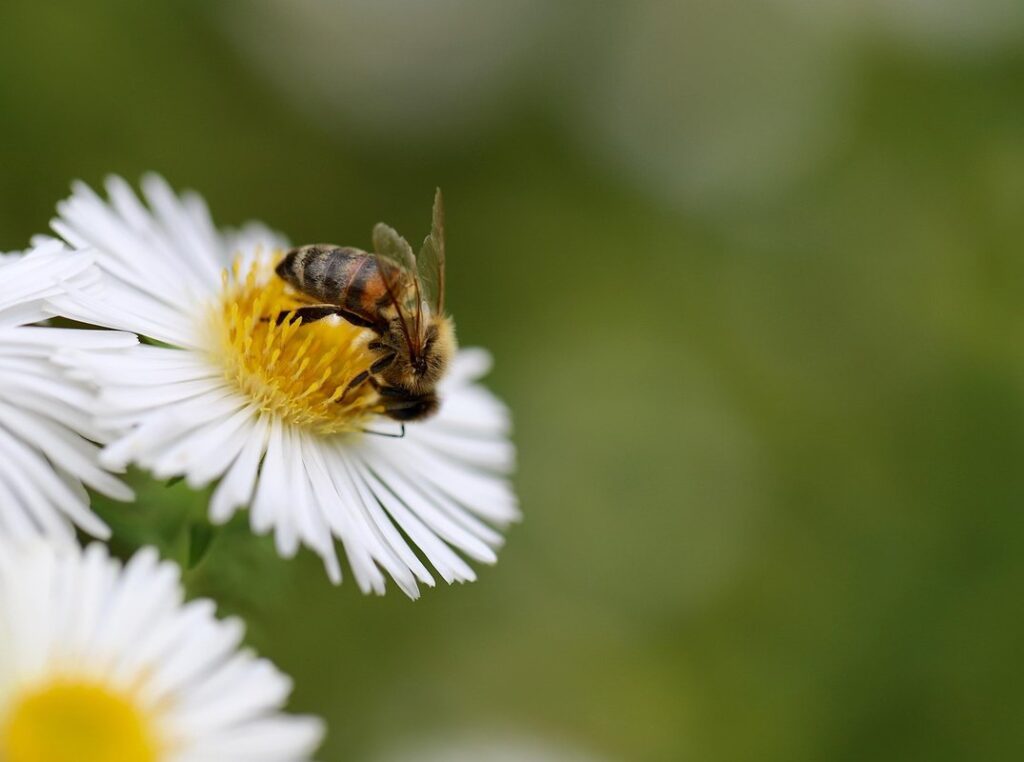
The Importance of Bee Pollination
Bee pollination is a vital process that affects not just our food supply, but also the health of our ecosystems and planet as a whole. In this crucial section, we’ll explore its importance in detail.
How Bees Contribute to Food Security
Bees play a vital role in pollinating crops that make up a significant portion of our global food supply. In fact, it’s estimated that one-third of the food we eat is directly or indirectly dependent on bee pollination. This includes a wide range of staple crops such as apples, blueberries, almonds, and avocados.
The loss of bees due to habitat destruction, pesticides, and climate change has serious consequences for global food security. According to the Food and Agriculture Organization (FAO), if bee populations continue to decline at their current rate, up to 17% of global crop diversity could be lost by 2050. This would not only affect food availability but also have significant economic impacts on farmers and the agricultural industry.
To put this into perspective, consider that a single colony of bees can pollinate around 300 million flowers in a day. Without these hardworking pollinators, our food supply would be severely impacted. As consumers, we can support bee-friendly farming practices by choosing locally sourced produce and buying from farmers who use integrated pest management (IPM) techniques to reduce their environmental footprint.
The Economic Value of Bee Pollination
Bee pollination plays a vital role in agriculture, with estimates suggesting that one-third of the world’s crops rely on bees to reproduce. Without bee pollination, crop yields would plummet, and food prices would skyrocket. In fact, research suggests that if bees were to disappear entirely, global food production could decline by as much as 30%.
To put this into perspective, consider the impact of pollinator loss on staple crops like almonds, apples, and avocados. In California alone, bee pollination is responsible for over $1 billion in almond sales each year. Without bees, these crops would either become extinct or require expensive, labor-intensive hand-pollination.
The economic value of bee pollination is staggering, with some estimates suggesting that a single colony of bees can generate up to $20,000 in revenue per year through pollination services alone. To ensure the continued health and productivity of your local bee population, consider planting bee-friendly flowers and herbs in your garden or community space. This simple act can help provide crucial support for these vital pollinators.
Types of Bees Involved in Pollination
Did you know that multiple types of bees are responsible for pollinating our favorite fruits and flowers? Let’s dive into the fascinating world of these busy bees, each playing a vital role in pollination.
Honeybees: The Most Studied Pollinators
Honeybees are undoubtedly one of the most studied pollinators, and for good reason. As social creatures, they have a complex communication system that allows them to work together to gather nectar and pollen from flowers. Their social structure is fascinating – with a single queen bee laying up to 2,000 eggs per day, thousands of worker bees take care of the colony’s needs, including foraging for food and defending against predators.
But what sets honeybees apart in terms of pollination? For one, their hairy bodies act like tiny brushes, collecting pollen from flowers as they visit. As they move from flower to flower, this pollen is transferred, allowing plants to reproduce. Honeybees are also responsible for pollinating a staggering 1/3 of the world’s crops, including almonds, apples, and avocados.
To support these incredible pollinators, consider planting bee-friendly flowers in your garden. Sunflowers, zinnias, and lavender are all excellent choices, as they provide nectar-rich flowers that honeybees adore. By doing so, you’ll be helping to maintain a healthy colony and ensure the continued success of our food supply.
Solitary Bees: Often Overlooked but Crucial to Ecosystems
Solitary bees are often overlooked but play a vital role in pollination, especially in specific ecosystems and regions. These tiny creatures are responsible for pollinating flowers, just like their social bee counterparts, but they operate independently without the help of a colony.
In fact, according to a study by the Xerces Society, solitary bees contribute significantly to the pollination of wildflowers in California, with some species even outperforming honeybees. They’re particularly effective in areas where flowers are sparse and far apart, as their ability to fly long distances allows them to visit multiple plants in search of nectar.
If you’re looking to attract solitary bees to your garden or region, consider planting a diverse range of native wildflowers that provide an abundance of pollen and nectar. Avoid using pesticides, which can harm these beneficial pollinators, and instead adopt integrated pest management techniques. By supporting the life cycle of solitary bees through habitat creation and reduced pesticide use, you’ll be helping to preserve ecosystem health and promote biodiversity.
The Science Behind Bee Pollination
As we dive deeper into the fascinating world of bee pollination, let’s explore the scientific processes behind their incredible ability to transfer pollen and fertilize plants. This intricate dance is crucial for plant reproduction.
Plant-Pollinator Interactions: What Drives Pollination
When it comes to pollination, the relationship between plants and their pollinators is a delicate dance of give-and-take. Plants have evolved remarkable adaptations to attract pollinators, which in turn are essential for seed production and plant reproduction.
Take, for instance, the vibrant colors and sweet fragrances that adorn flowers. These visual and olfactory cues serve as irresistible invitations to bees, butterflies, and other pollinators, drawing them in with promises of nectar and pollen rewards. In exchange, these visitors transfer pollen between plants, facilitating fertilization and setting the stage for seed development.
But plant-pollinator interactions are not one-sided affairs; both parties benefit from this intricate relationship. As plants adapt to attract pollinators, they also develop unique traits that enhance their chances of successful reproduction. For example, some flowers have evolved to mimic the appearance or scent of female insects, tricking male pollinators into visiting and collecting pollen. By understanding these adaptations, gardeners can create bee-friendly environments by planting a diverse range of flowers that cater to different pollinator species, ultimately supporting local ecosystems and promoting healthy plant growth.
Bee Navigation and Communication Systems
Bee navigation and communication systems are truly fascinating. Bees use an incredible array of visual, chemical, and spatial cues to navigate their environment and communicate with each other during pollination.
Visual cues play a crucial role in bee navigation. For example, bees use the position of the sun, even on cloudy days, to estimate direction and distance. They also rely on visual landmarks like flowers, trees, and even the shape of buildings to help them navigate back to their hive. Research has shown that some species of bees can even recognize specific patterns of light and dark to determine the location of food sources.
Chemical cues are equally important for bee communication. When a forager bee lands on a flower, it collects pollen and nectar, as well as pheromones – chemical signals that convey information about the plant’s characteristics and quality. These pheromones help guide other bees to the same flowers, ensuring efficient pollination.
Spatial memory is another vital component of bee navigation. Bees are able to create a mental map of their environment, which they use to recall locations of food sources, water, and even the location of their hive. This complex system of navigation allows bees to optimize their foraging trips and maximize pollen collection. By understanding these intricate communication systems, we can better appreciate the incredible pollination services that bees provide.
Threats to Bee Populations
Bee populations are facing numerous threats, from habitat loss and pesticide use to climate change and disease. Let’s take a closer look at these alarming trends affecting our busy pollinators.
Habitat Loss and Fragmentation: A Major Concern
Habitat loss and fragmentation are two of the most pressing threats to bee populations worldwide. Urbanization and intensive agriculture have led to widespread destruction of natural habitats, leaving bees with limited options for food, shelter, and breeding grounds.
As we pave over fields and forests to build cities and farms, bees find themselves struggling to adapt. Their usual sources of nectar-rich flowers, trees, and shrubs are being replaced by concrete, asphalt, and monoculture crops. This not only reduces the availability of their favorite foods but also increases the distance between remaining patches of habitat, making it difficult for bees to migrate or disperse.
To put this into perspective, a study in the UK found that urban areas have expanded at an alarming rate, covering over 12% of the country’s land since the 1970s. This expansion has led to the loss of approximately 75% of the UK’s wildflower meadows, which are essential for bees’ survival.
We can take action to mitigate this issue by creating bee-friendly habitats in our own backyards and communities. By planting a variety of native flowers, trees, and shrubs that provide nectar-rich resources, we can help support local bee populations. Additionally, supporting sustainable agriculture practices and reducing pesticide use can also contribute to the preservation of bee habitats.
Pesticides and Climate Change: Additional Stressors
Bee populations are facing numerous threats, and two significant stressors that often fly under the radar are pesticides and climate change. Pesticides, specifically neonicotinoids, have been linked to bee colony declines worldwide. These chemicals can affect bees’ nervous systems, impairing their navigation skills, memory, and communication abilities. As a result, bees may struggle to find food sources, mate effectively, or even return to their hives.
Climate change is another pressing concern for pollinator health. Rising temperatures alter the timing of plant-bee interactions, causing flowers to bloom earlier than usual. This can leave adult bees without a source of nectar and pollen when they need it most. Warmer temperatures also increase the spread of diseases that target bees, further weakening their populations.
To minimize these impacts, consider using integrated pest management (IPM) techniques on your garden or farm. By adopting more sustainable practices, you can reduce your reliance on chemical pesticides and create a safer environment for pollinators.
Bee Conservation Efforts
Efforts are underway to protect bee populations and preserve their habitats, which is crucial for maintaining healthy ecosystems and ensuring food security worldwide. These conservation initiatives aim to safeguard bees’ futures.
Sustainable Agriculture Practices for Pollinators
As a beekeeper and farmer, you play a crucial role in supporting local pollinators. By adopting sustainable agriculture practices, you can create a bee-friendly environment that fosters the health and diversity of these vital insects. One way to achieve this is by planting diverse crops that provide nectar and pollen for bees.
Diversifying your crop selection can have a significant impact on bee populations. For example, incorporating native wildflowers into your rotation can increase nectar availability by up to 50%. This not only benefits local pollinators but also attracts other beneficial insects like butterflies and ladybugs. Consider planting a mix of annuals and perennials that bloom at different times to provide a constant source of nutrition for bees.
Reducing pesticide use is another essential step towards creating a bee-friendly environment. Many commonly used pesticides can harm or even kill pollinators, so it’s crucial to explore integrated pest management strategies instead. This might involve implementing crop rotation, using physical barriers to prevent pests from reaching your crops, or introducing beneficial insects that prey on pests.
When selecting pesticides, opt for those with minimal toxicity to bees and other non-target organisms. Always read labels carefully and choose products with low-risk classifications. Furthermore, consider consulting with a local extension agent or certified organic specialist to develop a comprehensive integrated pest management plan tailored to your specific farm or garden needs.
Community-Driven Initiatives for Bee Conservation
Bee conservation is not just a task for governments and organizations; it’s also an opportunity for communities to come together and make a difference. Successful community-led initiatives are popping up all over the world, from local beekeeping clubs to neighborhood green spaces. These projects are crucial for protecting our local bee populations and restoring habitats.
One great example of a community-driven initiative is the creation of bee hotels. These small structures provide habitat for solitary bees, which are essential pollinators in many ecosystems. By building or purchasing a bee hotel, individuals can help support these vital insects. For instance, a group in California created over 100 bee hotels across their city, providing a much-needed habitat for the local solitary bee population.
Communities can also come together to create bee-friendly gardens and green spaces. This not only provides food and shelter for bees but also helps to beautify neighborhoods and promote community engagement. By working together and implementing small changes in our daily lives, we can make a big impact on bee conservation efforts.
The Future of Bee Pollination
As we explore the fascinating world of bee pollination, let’s dive into the future and examine the latest innovations that are changing the game for these vital creatures. New technologies are emerging to support bees’ crucial role in our ecosystem.
Predicting the Consequences of Declining Bee Populations
Bee pollinators play a crucial role in maintaining global food production, contributing to approximately one-third of all crops. If bee populations continue to decline at their current rate, the consequences will be far-reaching and devastating. One potential outcome is widespread food shortages, as many plants rely heavily on bees for pollination.
Take almonds, for example. These trees require a tremendous amount of labor to manually transfer pollen between flowers due to California’s strict regulations preventing bees from accessing these fields. The United States alone imports over $5 billion worth of almond products each year, and without bee pollinators, global supply chains will be severely impacted. Furthermore, economic losses associated with reduced crop yields could reach up to $50 billion annually.
The ripple effects won’t stop there; reduced food availability could lead to increased food prices, exacerbating existing social inequalities worldwide. In light of these potential outcomes, it’s crucial to adopt sustainable practices that support bee populations, such as planting bee-friendly flowers and reducing pesticide use in agricultural settings.
Innovative Solutions to Support Bee Health
As we continue to uncover surprising facts about bee pollination, it’s essential to explore innovative solutions that support the health of these vital creatures. One promising area of research is gene editing, which has shown great potential in combating diseases affecting bees. By using technologies like CRISPR, scientists can selectively edit genes responsible for disease resistance, allowing bees to fight off illnesses more effectively.
Another exciting development is precision agriculture, a farming approach that utilizes data and technology to optimize crop yields while minimizing environmental impact. This method allows farmers to pinpoint exactly which areas of their land require pollination support, reducing waste and promoting bee-friendly habitats. For example, using drones equipped with sensors can detect the health and productivity of bees in real-time, enabling targeted interventions.
By embracing these emerging technologies and research methods, we can take a crucial step towards safeguarding bee populations and preserving their vital role in our ecosystem.
Frequently Asked Questions
What are some practical ways to support local bee populations?
One way to help is by planting pollinator-friendly plants in your garden or community space. Incorporate a variety of flowers, herbs, and vegetables that are rich in nectar and pollen, such as sunflowers, lavender, and blueberries. This will provide bees with the food they need to thrive. Additionally, consider avoiding pesticides and herbicides, which can harm bees and other pollinators.
Can I still support bee pollination if I live in an urban area?
Yes! Urban gardens and green spaces are just as crucial for supporting local bee populations. By incorporating pollinator-friendly plants into your garden or community space, you can create a vital hub of activity for these busy pollinators. Plus, many cities have community gardens or rooftop gardens that offer opportunities to get involved in pollinator conservation efforts.
How do I know which types of plants are best for bee pollination?
The best plants for bees are those with high nectar and pollen content. Consider incorporating a mix of annuals and perennials into your garden, such as sunflowers, zinnias, and coneflowers. Also, choose plants that bloom at different times to provide a constant source of food throughout the growing season.
Can I help protect bees from pesticides by making changes in my own backyard?
Yes! One way to reduce pesticide use is by adopting integrated pest management (IPM) practices in your garden. This involves using natural methods to control pests, such as introducing beneficial insects or using physical barriers to prevent damage. By reducing your reliance on chemicals, you can help create a safer environment for local bees and other pollinators.
What are some key signs of a healthy bee colony?
A healthy bee colony will typically have a high population density and a strong queen bee. Look for colonies with a mix of worker bees at different stages of development, as well as a thriving brood. Also, be aware of any signs of disease or pests, such as unusual behavior patterns or the presence of dead bees in the area.