
Cabbage worms – those pesky critters that can quickly turn your prized brassica crop into a wilted, wilting mess. If you’re a gardener or farmer who’s struggled with these unwelcome visitors, you know just how frustrating it can be to watch your hard work get destroyed in the blink of an eye. Identifying cabbage worms on your brassicas isn’t always easy, and understanding their life cycle is crucial to managing them effectively. In this article, we’ll take a closer look at these tiny terrors, covering everything from how to identify them to effective management strategies that can help protect your crops from damage and economic loss. We’ll also explore the importance of controlling cabbage worms on brassicas and why it’s essential for maintaining healthy, thriving plants. By the end of this article, you’ll be equipped with the knowledge you need to tackle these pests head-on and save your crop!
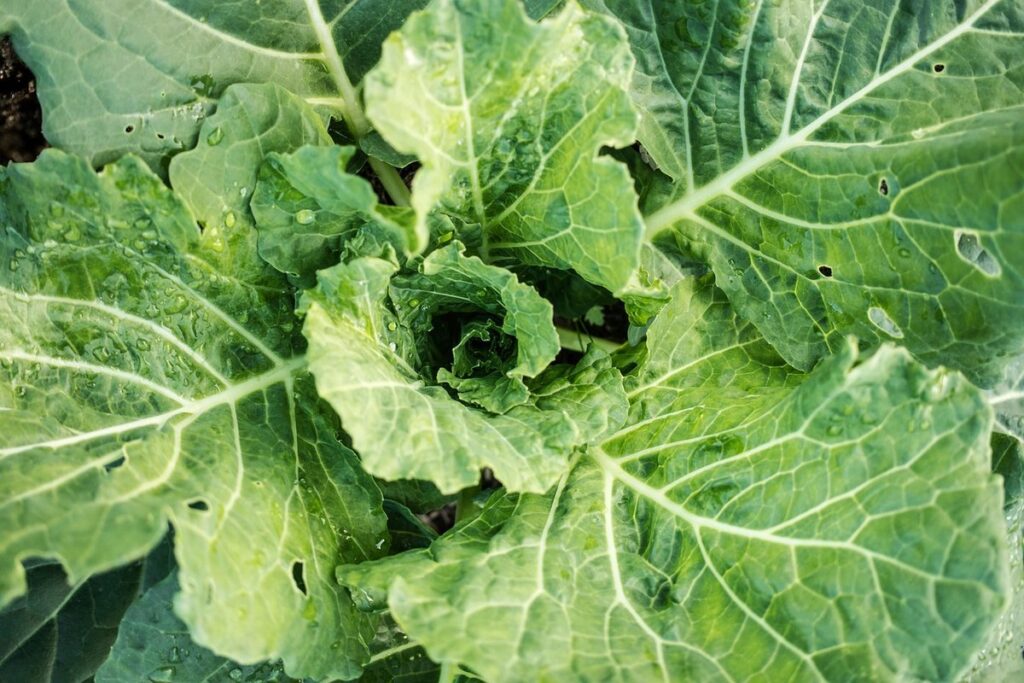
The Pests and Their Host Plants
Cabbage worms have a surprising range of host plants, including cabbage, broccoli, kale, and cauliflower, which they can infest at various stages. Let’s take a closer look at these hosts together.
Introduction to Cabbage Worms
The cabbage worm, also known as the imported cabbage worm (PIERIS RAPAE), is a common pest of brassica crops. This tiny caterpillar feeds on leaves and flowers, causing significant damage to plants like cabbage, broccoli, cauliflower, kale, and Brussels sprouts.
Identifying the cabbage worm can be challenging due to its small size, typically around 1-2 inches in length, but it’s easily recognizable by its green or yellowish color with white spots. They have a distinctive habit of eating holes in leaves, leaving behind a trail of frass (insect droppings) that resembles tiny pepper particles.
As the caterpillar grows, it can reach up to 2.5 inches in length and develop distinct white stripes along its body. Adult cabbage moths are large, with gray or brown wings featuring striking eye spots. If you suspect an infestation, inspect your plants closely for these telltale signs, as early detection is crucial for effective management.
In the next section, we’ll explore the life cycle of cabbage worms and discuss strategies for controlling their populations in brassica crops.
Brassica Family Overview
Brassica plants are a staple in many gardens and households worldwide. This family of vegetables includes popular varieties like broccoli, cauliflower, kale, cabbage, bok choy, and collard greens. These plants are not only delicious but also provide a food source for the infamous cabbage worm.
As a gardener or cook, it’s essential to understand that brassica plants belong to the Brassicaceae family, which is closely related to mustard and radish. The diversity within this family allows for various shapes, sizes, and flavors, making them a favorite among gardeners and chefs alike. However, their nutritional value also makes them an attractive meal option for many insects.
The cabbage worm’s affinity for brassica plants can be attributed to their high content of glucosinolates – sulfur-containing compounds that provide protection against pests and diseases in the plant. Unfortunately, these same compounds serve as a magnet for the cabbage worm, drawing it to the plant for its nutrient-rich leaves. By understanding this relationship, you’ll be better equipped to manage cabbage worms on your brassica crops, ensuring a healthy and bountiful harvest.
Life Cycle and Behavior
Now that we’ve covered identification, let’s dive into how cabbage worms live their lives and interact with your brassica plants. From egg to adult, it’s a crucial part of understanding this pest.
Cabbage Worm Development
The cabbage worm’s life cycle is a complex process that involves four distinct stages: egg, larva, pupa, and adult. The female cabbage moth lays her eggs on the underside of brassica leaves, typically 1-2 days after mating. These tiny eggs are usually white or yellowish in color and can be difficult to spot.
After about 3-4 days, the eggs hatch into larvae, also known as cabbage worms. At this stage, the larvae feed voraciously on the plant’s leaves, causing significant damage. They go through five instars (stages of growth), shedding their skin each time they outgrow it. During this period, the larva can consume up to 100 times its own weight in just a few days.
As the larva reaches full size, it will stop feeding and begin searching for a suitable location to pupate. This usually occurs on or near the host plant, where the pupa will transform into an adult moth over the next 7-10 days. The adult cabbage moths emerge from their cocoons in search of mates and food, continuing the cycle. Understanding these stages is crucial in implementing effective management strategies for controlling cabbage worm infestations on brassicas.
Feeding Habits and Migration Patterns
Cabbage worms are voracious eaters that feed on brassica plants throughout their life cycle. They prefer to feast on young leaves and buds, particularly during the cooler temperatures of spring and fall when plant growth is most rapid. As they mature, cabbage worms tend to move towards the heart of the plant, causing significant damage to the delicate inner tissues.
Their feeding habits are closely tied to their migration patterns. Cabbage worms don’t typically fly far between plants, but rather crawl or drop from one to another using silk threads. This behavior is influenced by factors such as temperature, humidity, and the presence of other cabbage worms. As a plant becomes heavily infested, its chemicals can attract more pests, creating a self-reinforcing cycle of infestation.
To manage this issue, gardeners should inspect their brassica plants regularly, looking for signs of egg-laying or actual worm activity. By catching the problem early, they can prevent it from spreading to other parts of the plant.
Damage Identification and Assessment
To effectively manage a cabbage worm infestation, it’s essential to be able to identify and assess the damage they cause. This means knowing what to look for on your plants.
Visual Signs of Infestation
When inspecting your brassica crop for cabbage worms, it’s essential to look out for visual signs of infestation. One of the most noticeable indicators is holes in the leaves themselves. Cabbage worm larvae feed on plant tissue, leaving behind characteristic round or oval-shaped holes that can be small or large depending on the age and size of the larva.
You may also notice frass – the insect droppings left behind by the cabbage worms. These look like tiny black specks or a fine powder coating on the leaves or soil around your plants. If you see these droppings, it’s likely that you have an infestation issue on your hands.
Another telltale sign is the presence of adult butterflies, such as the cabbage white butterfly (Pieris rapae), which can be seen flying around your crop or perched on nearby structures. Look for actual larvae on the undersides of leaves or on stems. If you find one, it’s likely that there are more in the area. Remember to inspect your plants regularly, especially during peak cabbage worm season (usually late spring to early summer), and take action promptly if you spot any signs of infestation.
Economic Impact on Brassica Crops
Cabbage worms can have a significant economic impact on brassica crops, affecting both yield quality and quantity. A single infestation can lead to reduced crop yields, lower quality produce, and increased labor costs for removal and disposal of damaged plants.
According to the United States Department of Agriculture (USDA), cabbage worm infestations can result in up to 30% loss in crop value due to decreased marketability and reduced shelf life. This translates to significant financial losses for farmers and producers.
To put this into perspective, consider a small-scale vegetable farm producing 10 acres of cabbage per season. If just one acre is affected by a moderate cabbage worm infestation, the potential economic loss could be around $12,000 in revenue alone. When factoring in additional costs associated with pesticide applications, labor expenses, and crop disposal, the total economic impact can be substantial.
Early detection and management are key to mitigating these losses. Regular monitoring of crops, implementing Integrated Pest Management (IPM) strategies, and using resistant cultivars can all help minimize the effects of cabbage worm infestations on brassica crops.
Management Strategies and Prevention
When it comes to cabbage worms, prevention is often better than cure. Let’s explore some effective management strategies that can help you prevent these pests from wreaking havoc on your brassica crops.
Cultural Controls
To prevent cabbage worm infestations, implementing cultural controls is crucial. Crop rotation is an effective method to break the life cycle of these pests. By rotating brassicas with non-brassica crops, you can disrupt their natural food chain and reduce the likelihood of infestation.
Planting dates also play a significant role in controlling cabbage worms. In general, it’s recommended to plant brassicas during cooler temperatures when adult moths are less active. For example, planting broccoli or cauliflower in early spring or late summer/early fall tends to minimize infestations. On the other hand, avoiding direct sowing of these crops in mid-summer can reduce the risk.
Sanitation practices are also vital in preventing cabbage worm infestations. Remove weeds and debris from the garden area, as they provide hiding spots for eggs and larvae. Regularly inspect your plants for signs of damage and remove any affected areas to prevent the spread of infestation.
Chemical Control Methods
When it comes to managing cabbage worms on brassicas, chemical control methods can be an effective option. However, it’s essential to approach this method with caution and consider integrated pest management (IPM) strategies for long-term success.
There are several insecticides available that target cabbage worms, including pyrethroids, organophosphates, and neonicotinoids. Bt (Bacillus thuringiensis) is a popular choice among gardeners, as it’s a natural bacterium that breaks down into a toxin specifically targeting caterpillars like cabbage worms.
When using insecticides, make sure to follow the label instructions carefully and take necessary precautions to minimize exposure. Additionally, consider incorporating IPM strategies, such as:
* Encouraging beneficial insects, like ladybugs and lacewings
* Removing weeds that may harbor pests or provide shelter for cabbage worms
* Practicing good garden hygiene by disposing of infested plants and debris
By combining chemical control methods with these integrated pest management strategies, you can create a comprehensive approach to managing cabbage worms on your brassica crops.
Biological Controls
Biological controls offer an effective and eco-friendly approach to managing cabbage worm populations. One of the most promising methods involves introducing beneficial insects that prey on these pests. Parasitic wasps, such as Trichogramma and Cotesia, are natural predators of cabbage worms. These wasps lay their eggs inside the worm’s body, eventually killing it from within.
Ladybugs (lady beetles) also contribute to controlling cabbage worm populations by consuming aphids, which are often a primary food source for these pests. Encouraging a diverse range of beneficial insects in your garden is crucial for biological control. You can attract these beneficials by planting a variety of flowers that provide nectar and pollen.
To implement biological controls effectively, introduce the beneficial insects at the right time – typically when cabbage worms are most active, usually during the spring or early summer. For best results, release multiple generations of parasitic wasps throughout the growing season. This will help prevent cabbage worm populations from getting out of control.
Conclusion: Integrated Management
Now that we’ve explored the ins and outs of cabbage worms on brassicas, it’s time to think about how you can integrate management strategies into your garden routine effectively.
Combining Control Measures
Combining control measures is essential for effective long-term management of cabbage worms on brassica crops. This integrated approach not only minimizes the risk of pest resistance but also ensures a balanced ecosystem. By using multiple methods simultaneously, you can create a robust defense against these pests.
Consider this example: A farmer combines physical barriers, crop rotation, and biological control to manage cabbage worms. Physical barriers like fine-mesh row covers prevent adult moths from laying eggs on the plants. Crop rotation breaks the life cycle of the pests, making it difficult for them to survive. Biological control involves introducing natural predators or parasites that feed on cabbage worms, reducing their population.
To adopt this integrated approach, start by identifying your most vulnerable crops and selecting a combination of control measures tailored to those specific needs. For instance, if you’re dealing with severe cabbage worm infestations, physical barriers like fine-mesh row covers may be the best starting point.
Future Research Directions
To further improve our understanding and management of cabbage worms on brassicas, several areas require additional research. One key area is the development of more effective biological control methods. While beneficial insects like parasitic wasps can help control cabbage worm populations, more studies are needed to optimize their use in commercial settings.
Another area of focus should be the identification of resistant brassica varieties. By understanding the genetic factors that contribute to resistance, breeders can develop new crop lines that are better equipped to withstand cabbage worm infestations. This could significantly reduce the reliance on chemical pesticides and minimize economic losses for farmers.
Additionally, research into the role of climate change in cabbage worm population dynamics is crucial. As temperatures rise and weather patterns become more unpredictable, cabbage worms may adapt and thrive in new environments. By understanding these changes, growers can better prepare their crops and develop strategies to mitigate potential damage.
Frequently Asked Questions
How can I confirm if the infestation is severe enough to warrant control measures?
Confirming a severe infestation involves monitoring your brassica crops closely, looking for signs like extensive leaf damage, flower drop, or actual cabbage worms visible on the plant. Yes, even small populations can be significant, so don’t wait until it’s too late! Consider sampling multiple areas of your crop to get an accurate assessment.
What are some effective organic methods for controlling cabbage worms?
Organic control methods include introducing beneficial insects like parasitic wasps or lacewings, which prey on cabbage worms. You can also use Bt (Bacillus thuringiensis) sprays or spinosad, which disrupt the caterpillar’s digestive system. Hand-picking and destroying infested areas of the plant is another effective method.
How do I prevent cabbage worm migration to other parts of my garden?
Preventing cabbage worm migration requires controlling their food sources, as these pests are attracted to brassica plants throughout your garden. Remove weeds that might be hosting cabbage worms, keep soil fertile but not overly moist (as this can encourage pest activity), and monitor for eggs on nearby plants.
Can I use neem oil to control cabbage worms?
Neem oil is a useful tool against cabbage worms, as it disrupts their life cycle by preventing egg hatching. However, its effectiveness depends on the concentration used and application timing – typically 0.5-1% solution applied during calm weather for optimal results.
How long does it take to notice results after implementing control measures?
The speed at which you notice results from cabbage worm control methods can vary depending on factors like pest population density and treatment method. Biological controls, like introducing beneficial insects, might take weeks or even months to show effects, while chemical control methods often yield faster but temporary results.