
Grafting apple trees can be a game-changer for any gardener looking to grow their own delicious fruit. Not only does it allow you to preserve heirloom varieties, but it also gives you more control over the tree’s characteristics, like disease resistance and fruit quality. However, grafting can seem intimidating if you’re new to tree propagation. But don’t worry – with the right techniques and care, you’ll be on your way to enjoying a bountiful harvest in no time.
In this article, we’ll cover the basics of grafting apple trees, from understanding the benefits to mastering the process. You can expect to learn about the different types of grafts, how to prepare your tools and plants, and what to do after the grafting process is complete. Whether you’re a seasoned gardener or just starting out, this guide will walk you through everything you need to know to achieve optimal results with your grafted apple trees.
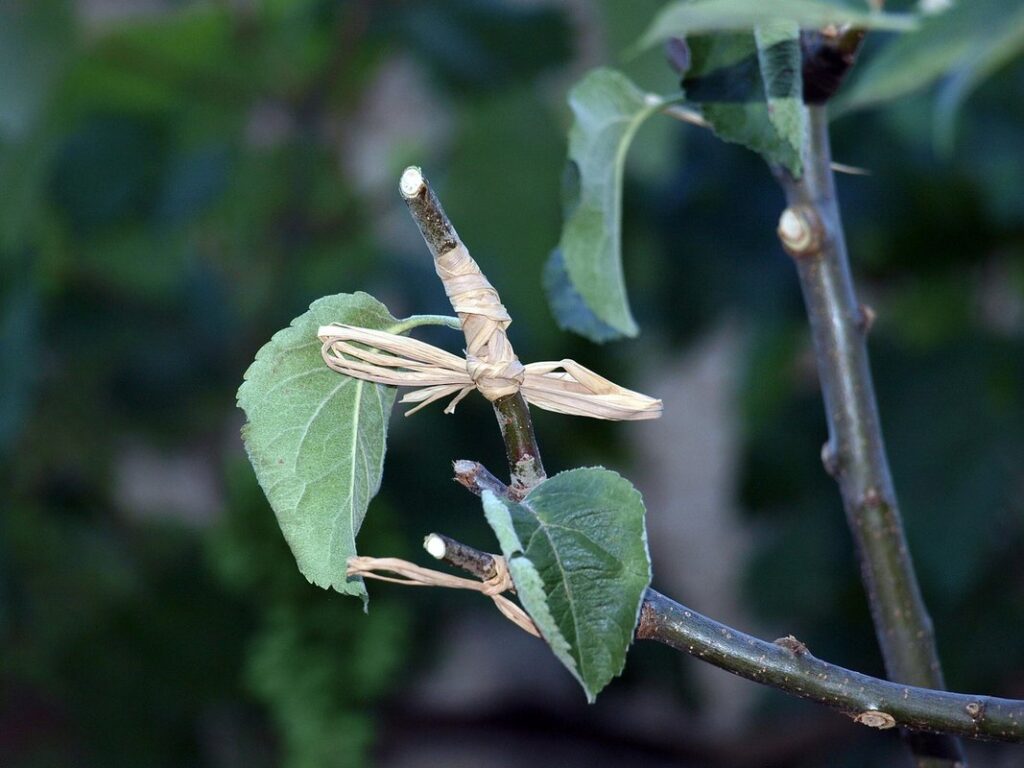
Understanding the Benefits of Grafting
Now that you’ve learned the basics of grafting, it’s time to explore its advantages and how they can benefit your apple tree growing journey. We’ll delve into the benefits of grafting and why it’s an essential technique for successful orcharding.
Why Grafting is Essential for Apple Tree Production
When it comes to cultivating apple trees, grafting is a crucial technique that offers numerous benefits. By grafting scions from desirable varieties onto rootstocks with improved characteristics, growers can create healthier and more productive trees.
One of the main advantages of grafting is its ability to enhance disease resistance in apple trees. This is particularly important since many commercial apple tree varieties are susceptible to fungal diseases such as powdery mildew and scab. By selecting rootstocks that possess natural resistance to these diseases, growers can reduce the need for fungicides and create a more sustainable cultivation practice.
Grafting also allows growers to increase yields and improve adaptability to different climates. For instance, some apple tree varieties may thrive in cooler climates but struggle in warmer regions. By grafting onto rootstocks with improved heat tolerance, growers can expand their production capabilities and cater to changing market demands.
Overall, grafting is an essential technique for successful apple tree cultivation.
The Role of Scions and Rootstocks in Grafting
When it comes to grafting apple trees, two crucial components come into play: scions and rootstocks. Scions are the grafted branches that carry the desired fruit variety’s characteristics, such as flavor, texture, and disease resistance. On the other hand, rootstocks serve as the base of the tree, providing a strong foundation for the scion to grow.
The choice of rootstock is vital, as it can greatly impact the tree’s overall health and productivity. Some popular rootstocks include M9, M26, and MM111, each offering unique advantages such as improved disease resistance or increased vigor. For example, M9 rootstocks are known for their compact growth habit, making them ideal for smaller spaces.
When selecting a scion, it’s essential to consider the desired traits of the final tree. If you want to grow a specific apple variety, choose a scion that matches those characteristics. By pairing the right scion with the appropriate rootstock, you can create a healthy and thriving grafted apple tree. This combination is key to ensuring the long-term success of your grafting efforts.
Choosing the Right Apple Tree Varieties for Grafting
When selecting varieties for grafting, it’s essential to consider factors such as climate, soil type, and desired fruit characteristics to ensure successful growth. Let’s explore the best options together.
Selecting Scion Wood from Mature Trees
When it’s time to select scion wood from mature apple trees for grafting, several key factors come into play. First and foremost, consider the disease resistance of the tree. If you’re looking to create a healthy and thriving grafted tree, choose scions from parent trees that have shown resistance to common diseases such as powdery mildew or fire blight. This will give your grafted tree a strong foundation for growth.
Another crucial factor is fruit quality. When selecting scion wood, consider the characteristics of the fruit you want to produce on your grafted tree. Do you prefer sweet and juicy apples, or tart and tangy ones? Choose scions from parent trees that consistently produce high-quality fruit with desirable traits such as flavor, texture, and color.
Lastly, think about adaptability. If you live in a region with harsh winters or hot summers, choose scions from parent trees that have shown resilience to these conditions. This will ensure your grafted tree can thrive in its new environment.
Matching Rootstocks with Scions for Optimal Growth
When it comes to grafting apple trees, matching rootstocks with scions is crucial for optimal growth. This process involves selecting a rootstock that complements the characteristics of the scion variety. Consider the following factors when making this match:
Tree size: Choose a rootstock that will support the mature size of your scion tree. For example, dwarf rootstocks are ideal for compact trees like ‘Red Delicious’, while semi-dwarf rootstocks work well for varieties like ‘Gala’. If you’re growing standard-sized apple trees, look for vigorous rootstocks like MM.111 or MM.106.
Soil type: Select a rootstock that tolerates the soil conditions in your orchard. For example, rootstocks with good drought tolerance are suitable for areas with limited water supply. On the other hand, rootstocks with high fertility requirements perform best on rich soils.
Growth rate: Match the growth rate of the scion tree to the vigor of the rootstock. If you want a slow-growing tree, pair it with a rootstock like EMLA 106 or EMLA 111. These combinations will help control the size and promote fruiting earlier in the tree’s life.
By considering these factors, you’ll be able to create a harmonious relationship between your rootstock and scion, leading to healthier and more productive apple trees.
Preparing the Tree for Grafting
Before you can graft your apple tree, it needs some essential preparation to ensure a successful and healthy union between the scion and rootstock. This involves carefully selecting and preparing the tree’s branches for grafting.
Cleaning and Sterilizing the Wound Site
When preparing to graft an apple tree, it’s essential to create a clean and sterile wound site. This may seem like a minor detail, but it plays a significant role in the success of the grafting process. A contaminated or compromised wound site can lead to infection, rejection of the scion, and even death of the tree.
To ensure a clean and sterile wound site, start by thoroughly cleaning the area around the trunk with soap and water. Next, sterilize the tools used for making the cut and removing any diseased tissue using rubbing alcohol or a solution of 1 part bleach to 10 parts water. Use a sharp, sterile knife to make a precise cut on both the scion and rootstock, taking care not to crush or damage the tissues.
By following these steps, you’ll minimize the risk of contamination and create an ideal environment for successful grafting. Remember to handle all tools with care and maintain good hygiene practices throughout the process to ensure the best possible outcome for your grafted apple tree.
Creating a Compatible Union Between Scion and Rootstock
Creating a compatible union between scion and rootstock is crucial for successful grafting. The compatibility of the two varieties determines whether the tree will thrive or struggle to grow. To create a harmonious union, you need to consider the growth habits, disease resistance, and fruit production characteristics of both the scion and rootstock.
When selecting a rootstock, choose one that complements your scion’s needs. For example, if you’re growing a high-fruiting variety, look for a rootstock with good vigor and disease resistance. Some popular rootstocks include M9, M26, and MM106.
To create the union, you can use techniques like cleft grafting or whip-and-tongue grafting. Cleft grafting involves cutting a slot in the rootstock’s trunk and inserting the scion, which is then tied to the rootstock using a grafting tape. Whip-and-tongue grafting, on the other hand, involves bending the scion into a U-shape and attaching it to the rootstock using a tongue-shaped incision.
When performing either technique, make sure to align the cambium layers of the scion and rootstock for optimal healing. This ensures that the two varieties grow together seamlessly, creating a strong and healthy tree.
Grafting Techniques for Apple Trees
Now that you’ve learned the basics of grafting, it’s time to dive into specific techniques tailored for apple trees, covering rootstock selection and budwood preparation. We’ll walk through each step carefully.
Cleft Grafting: A Simple and Effective Method
Cleft grafting is one of the simplest and most effective methods for propagating apple trees. This technique involves inserting a scion (a small stem with leaves) into the cleft (or split) of a rootstock, creating a strong and vigorous tree. To begin, select a healthy rootstock with a suitable diameter for your variety of choice.
Next, prepare the scion by selecting a vigorous shoot with at least two nodes and cutting it from the parent tree in late winter or early spring. Cut the cleft in the rootstock about 1-2 inches deep, making sure not to damage the cambium layer (the area where growth occurs). Gently remove any bark or sapwood from the cleft.
Now insert the scion into the cleft, ensuring it’s seated snugly and securing it with grafting tape. Make sure the scion is at an angle of about 45 degrees and wrapped in a bud-cap to protect it from moisture loss. With proper care, your newly grafted tree will develop a strong root system and thrive.
Cleft grafting is ideal for propagating apple trees because it allows for quick and efficient propagation of many varieties on a single rootstock. With these simple steps, you can successfully cleft graft an apple tree in your own orchard.
Whip-and-Tongue Grafting: A More Advanced Technique
Whip-and-tongue grafting is an advanced technique used to join two apple tree branches together. This method involves cutting a tongue-shaped section on the scion (the branch being grafted) and a corresponding V-shaped groove on the rootstock, allowing for a more intimate connection between the two pieces. By using this technique, you can achieve a stronger bond and higher success rates compared to other grafting methods.
One of the key advantages of whip-and-tongue grafting is its ability to allow for more flexibility when choosing scion varieties. This method enables you to join branches from different trees with varying bark thicknesses, making it ideal for grafting onto rootstocks that may not be compatible with traditional techniques. However, this advanced technique also requires a higher level of skill and precision, as the tongue shape must fit perfectly into the V-shaped groove.
When attempting whip-and-tongue grafting, make sure to use sharp tools and take your time when making cuts. It’s essential to maintain cleanliness and avoid over-manipulating the scion or rootstock, as this can lead to reduced success rates or even plant failure.
Aftercare and Management of Grafted Apple Trees
Now that you’ve successfully grafted your apple trees, it’s essential to provide them with proper care to ensure healthy growth and a bountiful harvest in the years to come. This section will cover key aftercare tips and management techniques for optimal results.
Post-Grafting Care to Promote Healthy Growth
Aftercare is crucial for newly grafted apple trees to ensure healthy growth and a strong start. Watering is one of the most critical aspects of post-grafting care. Grafted trees require consistent moisture, especially during their first year after grafting. Aim to provide about 1 inch of water per week, either through rainfall or irrigation. Be cautious not to overwater, as this can lead to root rot and other problems.
Pruning is another essential step in post-grafting care. Prune the tree within a few weeks of grafting to remove any weak or damaged wood. This helps promote healthy growth and encourages the tree to put energy into developing strong roots rather than supporting weak branches. Fertilization should be done at a rate recommended for young apple trees, typically in early spring when new growth begins.
Keep in mind that newly grafted trees may need more frequent watering and fertilization due to the added stress of grafting.
Managing Common Pests and Diseases in Grafted Trees
As a grafted apple tree owner, it’s essential to be aware of common pests and diseases that can affect your trees. Pests like aphids, codling moths, and spider mites can cause significant damage if left unchecked. Aphids, for example, secrete a sticky substance called honeydew that attracts ants and promotes the growth of sooty mold, while codling moths lay eggs on the fruit, causing it to become disfigured.
Diseases like powdery mildew, scab, and fire blight are also prevalent in grafted apple trees. Powdery mildew, caused by fungi, creates a white, powdery coating on leaves, while scab, a bacterial disease, causes small, black spots on the fruit. Fire blight, a bacterial infection, kills branches and can lead to tree death if left untreated.
To manage these issues, inspect your trees regularly for signs of pests or diseases. Remove any infested or infected branches, and use organic pest control methods whenever possible. For example, introducing beneficial insects like ladybugs or lacewings can help control aphid populations naturally. Regular pruning and sanitation practices also go a long way in preventing the spread of disease.
Troubleshooting Common Issues with Grafted Apple Trees
As you grow your grafted apple trees, you may encounter some common issues. This section will help you identify and resolve problems like delayed growth, graft failure, and pest infestations.
Identifying and Addressing Common Problems
When it comes to grafting apple trees, things don’t always go as planned. Graft failure, tree decline, and pest/disease outbreaks are common issues that can be frustrating and costly to resolve. To identify and address these problems early on, keep a close eye on your grafted trees’ health and behavior.
Some signs of graft failure include weak or spindly growth, leaf drop, or slow development. If you notice any of these symptoms, inspect the graft union for signs of rot, cracks, or other damage. Regular pruning and monitoring can help prevent problems like this from taking hold.
Tree decline may be caused by factors such as inadequate watering, poor soil quality, or insufficient light. Make sure to provide your trees with the right conditions for growth, including well-draining soil and a spot that gets at least six hours of direct sunlight per day.
Pest and disease outbreaks can also be devastating to grafted apple trees. Common culprits include aphids, spider mites, powdery mildew, and fire blight. Keep an eye out for these pests and diseases by inspecting your trees regularly and taking action at the first sign of trouble.
Solutions for Overcoming Challenges in Grafted Tree Production
When faced with challenges in grafted tree production, it’s essential to identify the root cause and implement targeted solutions. One common issue is graft union failure, which can be caused by factors such as inadequate scion selection, poor grafting technique, or insufficient healing time.
To overcome this challenge, start by selecting high-quality scions that are specifically bred for grafting. Ensure that the scions are healthy, vigorous, and well-matched to the rootstock. Proper grafting technique is also crucial; make sure to align the cambium layers of both the scion and rootstock precisely, and secure the union with tape or twine.
Another common challenge is differential growth between the scion and rootstock, which can lead to uneven tree shape and reduced productivity. To mitigate this issue, choose rootstocks that are compatible with your climate and soil conditions, and ensure adequate water and nutrient supply to promote balanced growth. With patience, attention to detail, and a solid understanding of grafting principles, you can overcome even the most daunting challenges in grafted apple tree production.
Some key considerations include:
* Monitoring scion growth and adjusting pruning practices as needed
* Providing adequate support for young trees to prevent wind damage
* Regularly inspecting graft unions for signs of failure or disease
* Maintaining a well-organized grafting station to minimize mistakes
Frequently Asked Questions
How soon can I expect to see fruit from my grafted apple trees?
After the grafting process, it may take around 1-2 years for the tree to start producing flowers and eventually fruit. This is because the scion takes time to adapt to its new rootstock and grow strong enough to support fruit production.
Can I graft any type of apple tree variety onto any rootstock?
No, not all varieties are compatible with each other. Some rootstocks are specifically designed for certain types of apples or have characteristics that might affect the growth and productivity of your trees. Research the specific needs of your desired variety before choosing a rootstock.
What’s the best way to care for my grafted apple tree during its first year after grafting?
During the first year, focus on providing enough water and nutrients for the tree to establish itself. Mulch around the base to retain moisture and suppress weeds. Prune the tree regularly to encourage healthy growth and prevent disease.
How do I know if a scion has successfully taken root?
Look for signs of new growth, such as leaves or shoots emerging from the graft union. Check the tree’s water requirements and adjust accordingly – a successful graft will require less frequent watering due to its increased root system.
Can I graft multiple varieties onto one rootstock, or should each variety have its own rootstock?
While it is technically possible to graft multiple scions onto a single rootstock, this can lead to competition between the different varieties for resources and potentially weaker overall growth. It’s generally recommended to give each variety its own rootstock for optimal results.
What are some common mistakes beginners make when grafting apple trees, and how can I avoid them?
Common errors include using low-quality scion wood, not cleaning the wound site thoroughly, or applying too much pressure during the grafting process. Make sure to use sharp, sterile tools and handle the tree gently to minimize damage and ensure a successful union.