
Are you struggling to keep your rosemary plant alive? Or perhaps you’re new to gardening and want to learn how to grow this fragrant herb successfully? A healthy rosemary plant is not only a delight to have in your kitchen, but it’s also incredibly easy to care for. With the right conditions, your rosemary will thrive and provide you with fresh flavors all year round.
In this comprehensive guide, we’ll take you through everything you need to know about growing and caring for your rosemary plant. From the ideal soil composition to proper watering techniques, we’ll cover it all. You’ll learn how to create an optimal environment for your rosemary, including lighting requirements, fertilization tips, and pruning secrets. By the end of this article, you’ll be equipped with the knowledge to grow a lush, healthy rosemary plant that will become a staple in your cooking.
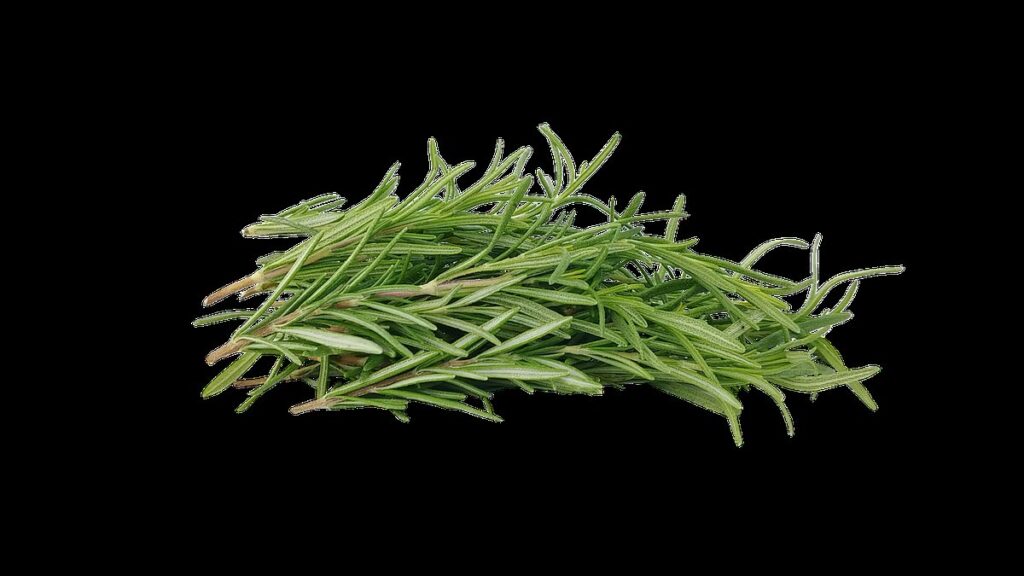
Introduction to Rosemary Care
To grow a healthy rosemary plant, it’s essential to understand its basic care requirements and common mistakes to avoid. Let’s dive into the fundamental aspects of rosemary care.
Understanding the Benefits of Rosemary
When you think of rosemary, you might immediately think of its culinary uses, but this versatile herb offers so much more. Not only is it a staple in many Mediterranean dishes, but it’s also packed with health benefits and has ornamental value that can elevate your garden or indoor space.
Let’s start with the health benefits: rosemary is known for its anti-inflammatory properties, which can help reduce pain and improve cognitive function. Studies have shown that consuming rosemary can even slow down the progression of neurodegenerative diseases such as Alzheimer’s and Parkinson’s. To reap these benefits, try adding fresh or dried rosemary to your meals, or make a tea by steeping the leaves in hot water.
Rosemary is also a natural pest repellent and can be used to keep mosquitoes at bay. You can rub crushed rosemary leaves on your skin or add it to potpourri to enjoy its benefits indoors. As for its ornamental value, rosemary is a low-maintenance shrub that’s perfect for containers or garden borders. Its fragrant flowers attract pollinators and add a pop of color to your space.
Choosing the Right Variety
When it comes to choosing the right variety of rosemary for your garden, you’re not limited to just one type. There are several options available, each with its unique growth habit and characteristics. For indoor cultivation, you’ll want to opt for a compact or dwarf variety that can thrive in smaller spaces.
Some popular compact varieties include ‘Arp’, ‘Hill Hardy Blue’, and ‘Miss Jessop’s Upright’. These plants tend to grow slower and reach heights of around 12-18 inches, making them perfect for small pots or indoor containers. They also require less pruning and are more resistant to disease.
For outdoor cultivation, you can choose from a range of upright varieties that can grow up to 6 feet tall. These plants prefer well-drained soil and full sun, so make sure to provide them with the right conditions. Some popular upright varieties include ‘Roman Beauty’ and ‘Tuscan Blue’. Regardless of the variety you choose, make sure to select one that suits your climate and growing conditions. This will ensure a healthy and thriving rosemary plant that brings joy to your garden or indoor space.
Soil and Lighting Requirements
To ensure your rosemary plant thrives, you’ll want to pay close attention to its soil and lighting requirements. A little knowledge on these topics can make all the difference in your herb’s health.
Understanding Rosemary’s Soil Needs
When it comes to growing a healthy rosemary plant, the soil it’s planted in plays a crucial role. Rosemary is native to dry, rocky areas with well-draining soil, and this preference should be reflected in its potting mix. Well-draining soil is essential for several reasons: it prevents waterlogged soil that can lead to root rot, it allows for healthy drainage of nutrients, and it helps prevent fungal diseases.
To prepare a suitable potting mix for your rosemary plant, start by using a high-quality potting mix specifically designed for herbs or Mediterranean plants. You can also create your own blend using a combination of ingredients like perlite, vermiculite, or sand to improve drainage. A general rule of thumb is to use 2/3 potting mix and 1/3 well-draining material. Avoid regular garden soil as it tends to retain too much water.
Remember, the goal is to mimic rosemary’s natural habitat in your potting mix. By providing a dry and well-draining environment, you’ll encourage healthy root growth and prevent potential problems that can arise from poor soil quality.
Providing Adequate Light
Rosemary plants thrive in bright and sunny conditions, which is why it’s essential to provide them with adequate light. Direct sunlight is crucial for rosemary growth, as it helps the plant produce its signature fragrance and flavor. When choosing a spot for your rosemary plant, make sure it receives at least 4-6 hours of direct sunlight per day. However, be cautious not to overexpose your plant to direct sunlight, especially during peak summer months.
Prolonged exposure to intense sunlight can cause the leaves to become scorched and discolored. To avoid this, consider moving your rosemary plant to a shaded area during the hottest part of the day or using a sheer curtain to filter the sun’s rays. Alternatively, you can also use grow lights to supplement the natural light if you’re unable to provide direct sunlight.
Keep in mind that south-facing windows tend to receive more intense sunlight than north-facing ones, so adjust your plant’s placement accordingly. By striking the right balance between light and shade, you’ll be able to enjoy a lush and fragrant rosemary plant all year round.
Watering and Humidity Requirements
To keep your rosemary plant thriving, it’s essential to understand its watering and humidity needs, which can vary depending on the climate and environment.
The Importance of Proper Watering
Watering a rosemary plant is an art that requires balance and attention to detail. The frequency of watering depends on various factors such as climate, soil type, and pot size. As a general rule, water your rosemary plant when the top 1-2 inches of soil feel dry to the touch. Water thoroughly until you see water coming out of the drainage holes.
It’s essential to avoid over-watering, which can lead to root rot and kill your plant. Check for signs of under-watering by looking for wilted or droopy leaves. If this is the case, increase watering frequency. Conversely, if you notice water pooling around the base of the plant or water running out of the drainage holes excessively, it’s a sign of over-watering.
To gauge the right amount of water, start with small amounts and gradually increase as needed. For example, if you’re unsure whether to water your rosemary plant, try soaking the soil in a sink for about 10-15 minutes before repotting it back into its container. This will help determine how much water is retained by the soil.
Maintaining Optimal Humidity Levels
Maintaining optimal humidity levels is crucial for rosemary plants, especially during dry seasons when the air can become particularly arid. The ideal humidity level for a healthy rosemary plant falls between 40-50%. However, this can vary depending on factors such as temperature and climate.
To maintain suitable humidity levels, you can place the pot on a tray filled with water and pebbles or group plants together to create a microclimate. You can also mist your rosemary plant regularly, ideally once a week, using a spray bottle filled with room-temperature water. Be cautious not to overwater, as this can lead to root rot.
During dry seasons, consider placing the pot in a bright, draft-free location or using a humidifier nearby. Monitor the humidity levels and adjust your strategy accordingly. For example, if you live in an area with low humidity, increase misting frequency during peak summer months when humidity is at its lowest.
Some plants thrive in extremely high humidity levels, but rosemary prefers well-balanced air to prevent fungal diseases from taking hold.
Fertilization and Pruning
To keep your rosemary plant thriving, it’s essential to provide the right nutrients through fertilization and prune it regularly to maintain its shape and encourage new growth.
Feeding Your Rosemary Plant
Fertilizing your rosemary plant is essential for promoting healthy growth and preventing nutrient deficiencies. When to fertilize depends on several factors, including the plant’s age, soil type, and climate. As a general rule of thumb, fertilize young rosemary plants (less than 1 year old) once a month during the growing season (spring-fall). For mature plants, fertilize every 2-3 months.
Choose a balanced fertilizer that contains nitrogen, phosphorus, and potassium (NPK) in equal proportions. You can use either organic or synthetic options, but keep in mind that synthetic fertilizers release nutrients quickly, while organics provide a slow release over time. For example, fish emulsion is an excellent organic option rich in nitrogen and micronutrients.
Apply the fertilizer around the base of the plant, avoiding direct contact with leaves to prevent burning. Water thoroughly after application to help the nutrients absorb into the soil. Be cautious not to overfertilize, as this can damage your rosemary plant’s delicate roots. Stick to the recommended dosage on the packaging, and adjust accordingly based on your plant’s response.
Pruning for Healthy Growth
Regular pruning is an essential aspect of maintaining a healthy rosemary plant. Not only does it help control the shape and size of the plant, but it also promotes healthy growth by encouraging new stem development and root expansion. When you prune your rosemary regularly, you’re allowing the plant to focus its energy on producing new growth rather than spending it on excessive foliage.
When to Prune: The best time to prune rosemary is in early spring, just before new growth begins. This will help control any potential pests or diseases that may be lurking on the plant over winter. For established plants, pruning can also be done after flowering to encourage a second bloom and prevent seed production.
Tips for Effective Pruning:
* Use sharp, clean pruners to avoid spreading disease
* Remove about one-third of the oldest stems to promote new growth
* Cut just above a leaf node for optimal regrowth
* Make clean cuts at a 45-degree angle to allow water to run off
By incorporating regular pruning into your rosemary care routine, you’ll be rewarded with a lush, vibrant plant that’s less susceptible to disease and pests.
Common Issues and Pests
When growing rosemary, it’s inevitable that you’ll encounter a few problems along the way – pests and diseases can be a major nuisance. This is where knowing the common issues comes in handy.
Identifying and Addressing Common Problems
As you care for your rosemary plant, it’s not uncommon to encounter some common issues that can affect its health. One of the most noticeable problems is yellowing leaves, which can be a sign of overwatering or underwatering. To resolve this issue, ensure that the soil isn’t too moist and reduce watering frequency accordingly. Also, consider repotting your rosemary plant in well-draining soil to prevent waterlogged conditions.
Pests like spider mites, mealybugs, and aphids can also infest your rosemary plant, causing damage to leaves and stems. To address these pests, use neem oil or insecticidal soap as a spray treatment. Spray the solution on the affected areas, making sure to cover all surfaces evenly.
Diseases like root rot and leaf spot can occur when the plant is exposed to excessive moisture. Prevent this by maintaining good air circulation around your rosemary plant and ensuring that it’s not planted in an area where water tends to collect. Regular pruning can also help to prevent the spread of diseases by removing infected areas before they have a chance to affect the rest of the plant.
Recognizing Signs of Pests and Diseases
When it comes to keeping your rosemary plant healthy, being aware of potential pest and disease issues is crucial. Pests like spider mites and mealybugs can quickly infest your plant, causing damage and weakening its overall health. These tiny pests are often difficult to spot, but some common signs include fine webbing on the leaves, a sticky substance (honeydew) on the stems or soil, and actual insects visible on the plant.
Diseases like root rot and leaf spot can also wreak havoc on your rosemary plant. Root rot is often caused by overwatering and manifests as soft, mushy roots, while leaf spot is typically a fungal infection that appears as small black spots on the leaves. Regularly inspecting your plant’s roots and leaves for these issues will allow you to catch them early.
To prevent pests and diseases from taking hold, ensure good air circulation around your plant and avoid overwatering. You can also use neem oil or insecticidal soap to control pest populations and treat fungal infections promptly with a fungicide. By staying vigilant and implementing preventive measures, you’ll be able to keep your rosemary plant happy and healthy for years to come.
Tips for Propagation and Repotting
To keep your rosemary plant thriving, learn how to properly propagate new stems and repot your herb into a fresh container when it needs more room. This is crucial for its health and growth.
Methods for Propagating Rosemary
Rosemary is an herb that’s notoriously difficult to propagate from seed, but don’t worry, we’ve got you covered. There are several methods for propagating rosemary plants, each with its own set of benefits and challenges.
One popular method is taking stem cuttings. To do this, choose a healthy stem with plenty of leaves and trim it about 2-3 inches from the tip. Remove lower leaves to prevent moisture loss, and dip the cut end into rooting hormone. Plant the cutting in well-draining soil and keep it moist until roots develop, usually within 1-2 weeks.
Division is another effective method for propagating rosemary. This involves digging up the entire plant, gently separating the roots, and replanting each section separately. Layering is also a viable option: simply bury part of the stem in the soil and allow it to form new roots before cutting below the node.
When using any of these methods, remember that rosemary prefers well-draining soil and full sun to partial shade. By following these steps and providing optimal growing conditions, you should be able to successfully propagate your own rosemary plants from cuttings or divisions.
Transplanting Your Rosemary Plant
When your rosemary plant becomes pot-bound or you’re ready to transfer it from indoors to outdoors, it’s time to repot. This process helps the roots grow and absorb more nutrients, promoting healthy growth and preventing the plant from becoming too leggy.
Choose a container that is slightly larger than the current one, as this will give the roots room to spread out. Select a well-draining potting mix specifically designed for herbs like rosemary. To repot, gently remove the plant from its pot, taking care not to damage any of the delicate roots.
Trim back any dead or overgrown stems before replanting, and prune the roots lightly with scissors if necessary. Place the plant in its new container, leaving enough space at the top for watering. Water thoroughly after repotting, and keep the soil consistently moist during the first few weeks to help the roots establish themselves.
Consider hardening off your rosemary plant before transferring it outside permanently. This involves gradually exposing it to outdoor conditions over a period of 7-10 days to prevent shock and promote healthy growth in its new environment.
Frequently Asked Questions
Can I grow rosemary indoors year-round, regardless of the season?
Yes, you can successfully grow rosemary indoors year-round as long as it receives sufficient light and proper care. However, you may need to adjust your fertilization schedule according to the season, giving your plant more nutrients during periods of rapid growth.
How do I know if my rosemary plant is receiving too much or too little water?
Monitoring your rosemary’s soil moisture by sticking a finger into it can help determine whether it needs watering. Overwatering can lead to root rot and kill the plant, while underwatering can cause stunted growth and yellow leaves.
Can I propagate rosemary from cuttings taken from an indoor plant, or do I need to start with seeds?
You can successfully propagate rosemary from cuttings taken from an existing healthy plant. This method is faster than starting from seeds and will give you a head start on growing your herb. Simply take 3-4 inch stem cuttings and root them in water or soil.
How often should I prune my rosemary to maintain its shape and promote healthy growth?
Prune your rosemary regularly, ideally after it’s finished flowering. Cut back about one-third of the plant to encourage new growth and prevent woody stems from forming. You can also trim off any leggy branches or weak spots throughout the growing season.
Can I use regular potting soil for my rosemary, or do I need a specialized mix?
While you can use regular potting soil for your rosemary, a well-draining mix specifically designed for herbs will provide better results. This type of mix is formulated to prevent waterlogged conditions and support healthy root growth in plants like rosemary that prefer good drainage.