
Are you eager to give your garden a fresh start? Transplanting can be a game-changer, but it requires careful planning and attention to detail. A thriving transplanted garden is not just a matter of digging up some plants and plopping them into new soil. It’s about choosing the right species, preparing the perfect environment, and giving them the TLC they need to flourish.
In this article, we’ll share our expert tips on creating a successful transplanted garden. We’ll delve into plant selection, highlighting which varieties are best suited for transplanting and why. You’ll learn how to prepare your soil to give your new arrivals the best chance at success. And, we’ll cover essential post-transplant care techniques to ensure your garden grows strong and healthy. By following our advice, you’ll be well on your way to overcoming common challenges and growing a lush, vibrant transplanted garden that brings you joy all season long.
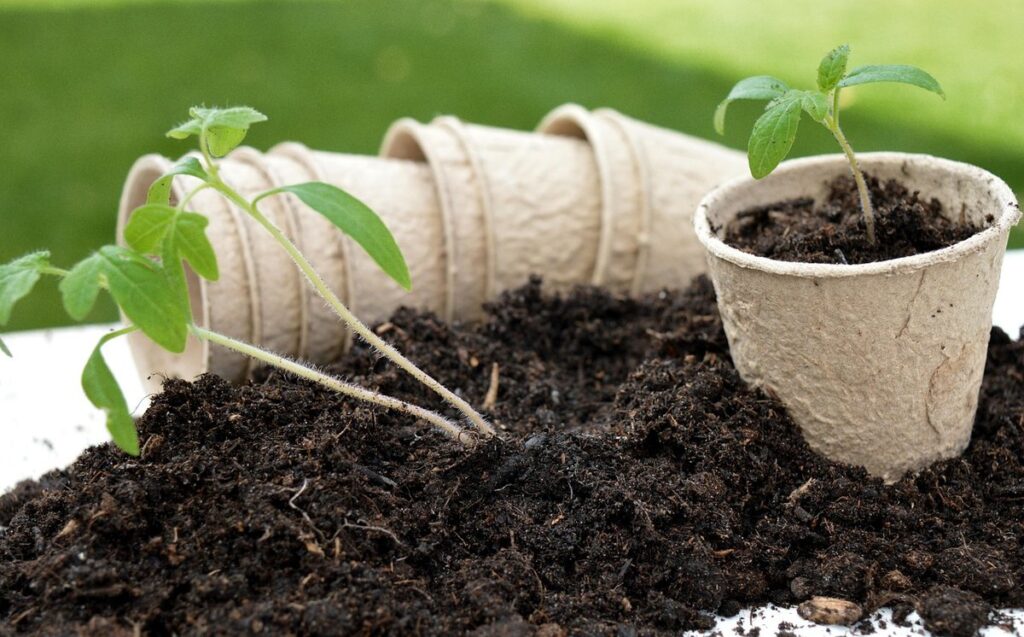
Understanding the Basics of Transplanting
When starting a new garden, it’s essential to understand the basics of transplanting to ensure your plants have the best chance at success. Let’s dive into the fundamental principles that will get you off to a great start!
What is Plant Transplantation?
Plant transplantation is the process of moving a plant from one location to another, typically from a container or seed tray into a garden bed. It’s an essential technique for gardeners, allowing them to grow plants that may not thrive in their native soil conditions or to replace existing plants with new ones.
Transplantation offers numerous benefits for gardeners. For instance, it enables the gardener to choose from a wide range of plant species and varieties, including those that may be more resistant to pests and diseases specific to their region. Additionally, transplantation allows gardeners to adjust the soil conditions in their garden bed to better suit the needs of the transplanted plants.
The optimal seasons for transplanting depend on the type of plants being moved. In general, spring and fall are considered the best times for transplanting, as the weather is typically mild and rainfall is more consistent. However, it’s essential to check the specific needs of each plant species before transplanting. For example, cool-season crops like broccoli and lettuce do well in cooler temperatures, while warm-season crops like tomatoes and peppers thrive in warmer conditions.
When preparing the new soil for transplantation, loosen the top 8-10 inches to a depth that will allow roots to grow easily. Add organic matter like compost or well-rotted manure to improve soil structure and fertility. Finally, check the pH level of your garden bed and adjust it if necessary to match the needs of the transplanted plants. This may involve adding lime to raise the pH or sulfur to lower it.
Remember, proper preparation of the new soil is crucial for successful transplantation. By following these simple steps, you’ll be well on your way to creating a thriving transplanted garden that will bring joy and beauty to your outdoor space for years to come.
Plant Selection and Preparation
When transplanting a garden, choosing the right plants for your climate and soil type is crucial to its success. We’ll cover how to select the perfect plants for your new garden in this section.
Selecting Plants Suitable for Transplantation
When selecting plants for transplantation, it’s essential to consider their suitability for this process. Not all plants are created equal when it comes to transplanting, and some may even suffer from it. To ensure the success of your transplanted garden, choose plants that have a history of adapting well to being moved.
Start by opting for plants with a fibrous root system, such as tomatoes, peppers, and cucumbers. These types of plants tend to adjust quickly to new soil conditions and can handle the shock of transplantation. Conversely, avoid plants with taproots, like carrots or beets, which can be more difficult to transplant due to their deep-seated roots.
Age is also a crucial factor when selecting transplants. Young seedlings (around 2-3 weeks old) are ideal for transplanting as they have only recently developed their root system and are still adaptable. However, older plants (beyond 6 weeks) may be more challenging to transplant due to established root systems.
To harden off your transplants, gradually acclimate them to outdoor conditions over the course of 7-10 days. Begin by placing them in a shaded area for 1-2 hours, then gradually increase their exposure to direct sunlight and wind. This process will help prevent shock and ensure a smooth transition.
In terms of pruning and trimming, newly transplanted plants require careful attention. Trim any leggy growth to promote healthy branching and encourage the plant to focus its energy on developing a robust root system. Prune away any damaged or weak roots during this process to minimize disease risk.
Post-Transplant Care and Maintenance
Now that you’ve successfully transplanted your garden, it’s essential to focus on post-transplant care and maintenance to ensure your plants thrive in their new environment. This section will walk you through the key steps to achieve a healthy and flourishing garden.
Watering Techniques for Newly Transplanted Plants
Watering newly transplanted plants requires care and attention to ensure they establish a strong root system. A good rule of thumb is to water them thoroughly once or twice a week, depending on the weather conditions. However, it’s essential to check the soil moisture levels before watering. You can do this by inserting your finger into the soil up to the knuckle; if the soil feels dry, it’s time to water.
The frequency and depth of watering also depend on the type of plant, its age, and the climate you live in. For example, young seedlings require more frequent watering than established plants. In hot weather, you may need to water your plants daily, while in cooler climates, they might only require watering once a week.
When it comes to fertilizing newly transplanted plants, timing is everything. Most nurseries recommend applying a balanced fertilizer (such as 10-10-10 NPK) within the first few weeks after transplanting. This provides essential nutrients like nitrogen, phosphorus, and potassium that promote healthy growth and development. You can also use organic fertilizers like compost or manure tea for a more sustainable option.
Common issues that may arise after transplantation include pests, diseases, and nutrient deficiencies. Pests like aphids, whiteflies, and spider mites can be controlled using neem oil or insecticidal soap. Diseases such as powdery mildew and root rot can be prevented by maintaining good air circulation, avoiding overwatering, and using fungicides if necessary. If you notice your plants exhibiting symptoms of nutrient deficiencies (such as yellowing leaves), consider adjusting your fertilization schedule or adding a supplement.
Keep in mind that every plant is different, so it’s essential to research specific needs for the varieties you’re growing. By monitoring soil moisture levels, providing adequate nutrients, and being vigilant about potential issues, you’ll be well on your way to creating a thriving transplanted garden.
Common Challenges and Solutions in Transplantation
When transplanting plants, it’s common to encounter a few bumps along the way. In this next part, we’ll tackle some of the most frequent challenges you might face and provide practical solutions.
Handling Transplant Shock
Transplant shock is a common issue that many gardeners face when transplanting plants from one location to another. It occurs when the plant’s root system is disturbed, causing stress and potentially leading to illness or even death. To avoid this problem, it’s essential to take preventative measures before and after transplantation.
One of the most effective ways to prevent transplant shock is hardening off your plants. This involves gradually exposing them to outdoor conditions over a period of 7-10 days. Start by moving them from a shaded area to direct sunlight for short periods each day, gradually increasing the duration as they acclimate. This helps to toughen up their leaves and roots, making them more resilient to transplanting.
Another crucial factor is adjusting your watering schedule. Plants that have been recently transplanted often require more water due to increased evaporation caused by exposure to wind and sunlight. However, overwatering can be detrimental, so monitor the soil moisture closely and adjust accordingly.
When dealing with root-bound transplants, repotting may be necessary. Gently remove the plant from its container, taking care not to damage any roots that are circling or growing out of the container. Prune any damaged or dead roots, then repot in fresh, well-draining soil. To improve soil structure, mix in a small amount of compost or perlite to enhance drainage and aeration.
Some common soil-borne diseases affecting transplanted plants include root rot, crown rot, and damping off. These often manifest as yellowing leaves, soft or mushy stems, or a sudden collapse of the plant. To prevent these issues, ensure good air circulation around your plants, avoid overwatering, and sterilize your tools between uses. If you do encounter an outbreak, treat with fungicides specifically designed for soil-borne diseases.
By taking these precautions and staying vigilant, you can minimize the risk of transplant shock and ensure a healthy, thriving transplanted garden.
Maximizing Success with Your Transplanted Garden
Now that you’ve successfully transplanted your garden, let’s dive into maximizing its potential and learning how to give it the care it needs to thrive.
Planning for Long-Term Success
When it comes to maintaining a thriving transplanted garden for the long haul, it’s essential to think about strategies that will keep your garden resilient and productive year after year. One key approach is crop rotation, which involves changing the type of plants you grow in different areas of your garden each season. This helps prevent soil depletion, reduces pests and diseases, and promotes a balanced ecosystem.
Incorporating a diverse range of plant species into your garden is another vital component of long-term success. By planting multiple types of vegetables, fruits, and flowers together, you create an intricate web of relationships between different organisms that support each other’s growth. For example, planting marigolds alongside tomatoes can help deter nematodes, while basil repels aphids from nearby plants.
To extend the growing season and give your garden a boost during extreme weather conditions, consider using techniques like cold frames or hoop houses to protect delicate plants. Implementing integrated pest management practices, such as introducing beneficial insects or practicing biological control methods, can also help minimize chemical use and maintain soil health.
Conclusion: Transplanting Success Guaranteed
As you’ve made it to this point, congratulations are in order! You now have all the tools and knowledge necessary to create a thriving transplanted garden. Remember, the key to success lies in careful planning, precise execution, and a willingness to adapt. Don’t be discouraged if things don’t go exactly as planned initially – every experienced gardener has been there.
Take away from this article is that transplanting doesn’t have to be a daunting task. By following our tips on selecting the right time for transplanting, handling seedlings with care, and providing optimal growing conditions, you’ll set yourself up for success. Make sure to also keep an eye out for potential problems like root shock and pests, and take action promptly if you notice any issues.
Your patience and dedication will pay off as your transplanted garden flourishes. Don’t be afraid to experiment and try new things – after all, that’s what gardening is all about!
Frequently Asked Questions
What if I notice some of my transplanted plants aren’t thriving after a few days?
Yes, transplant shock can be a concern. Give your newly transplanted plants time to adjust (about a week or two). Make sure they’re receiving adequate water and nutrients. Prune any severely damaged leaves, and consider using a root stimulator to help them recover.
How often should I inspect my transplanted garden for signs of pests or diseases?
Regular inspection is crucial! Set aside some time each week to walk through your garden, checking for any signs of pests (like aphids, whiteflies) or diseases (such as powdery mildew). Catching issues early on will make it easier to address them and prevent further damage.
What if I’m short on space – can I still successfully transplant a large number of plants?
Yes. Consider using vertical gardening techniques or trellises to maximize your garden’s space. This will not only help you accommodate more plants but also add visual interest to your garden. Make sure to research the specific needs of any vining or climbing plants you choose.
Can I use regular potting soil for transplanting, or do I need a specialized mix?
Yes, you can use regular potting soil, but it might not provide the best results. A more balanced and fertilized mix specifically designed for transplanting will help your plants establish a strong root system faster. If you don’t have access to this type of mix, consider making your own blend using perlite or vermiculite.
How long should I wait before pruning my transplanted plants?
Wait about 4-6 weeks after transplanting before initiating any major pruning. This will give your plants time to establish themselves and develop a robust root system. After this period, you can begin shaping them according to their specific needs or desired forms.