
As a greenhouse owner, you know that efficient drainage is crucial to prevent waterlogged soil and maintain a healthy growing environment. But with so many floor options available, choosing the right one for your greenhouse can be overwhelming. Do you opt for permeable pavers, concrete, or gravel floors? Each material has its pros and cons, and the right choice depends on your specific climate zone. A good drainage system not only prevents waterlogged soil but also helps prevent root rot, mold, and mildew. In this article, we’ll explore the best greenhouse floor options for efficient drainage, including their benefits, drawbacks, and suitability for different climates. By the end of it, you’ll be well-equipped to make an informed decision that suits your greenhouse’s specific needs.
Choosing the Right Greenhouse Floor Material
When it comes to selecting a greenhouse floor material, drainage is key – you’ll want to choose an option that allows water to easily escape. Let’s explore some popular choices.
Benefits of Permeable Pavers
Permeable pavers offer numerous benefits when it comes to managing water drainage in greenhouses. One of their most significant advantages is their ability to allow water to drain through the surface, reducing runoff and minimizing puddling. This feature makes them an ideal choice for greenhouses where excess moisture can be detrimental to plant health.
Unlike traditional pavers that shed water on top of the surface, permeable pavers allow water to penetrate through their pores, preventing it from accumulating on the surface. This helps reduce the risk of root rot and other diseases caused by excessive moisture. Additionally, they help prevent erosion around the greenhouse foundation by allowing water to drain away from the structure.
In areas with high rainfall or irrigation demands, permeable pavers can significantly alleviate pressure on drainage systems. By allowing excess water to pass through the surface, these pavers reduce the risk of water accumulation and subsequent damage to the greenhouse infrastructure. If you’re looking for a low-maintenance solution that promotes efficient water management, consider installing permeable pavers as your greenhouse floor material.
Pros and Cons of Concrete Floors
When it comes to choosing a floor material for your greenhouse, concrete is often a popular option. However, like all materials, it has its pros and cons that you should consider.
One of the main advantages of using concrete floors in greenhouses is their durability. Concrete can withstand heavy foot traffic and harsh weather conditions, making it an excellent choice for areas with high usage or extreme temperatures. Additionally, concrete is resistant to pests and diseases, which can be a significant concern when growing plants indoors.
On the other hand, concrete has some drawbacks. For instance, it can be quite expensive to install, especially if you’re hiring professionals to do the job. Moreover, concrete requires regular maintenance to ensure its longevity. This includes sealing the floor periodically to protect it from water and stains.
Some greenhouse owners also find that concrete floors can be unforgiving on joints and feet. However, this issue can be mitigated by installing a softer covering or using anti-fatigue mats in high-traffic areas. Ultimately, whether or not concrete is right for your greenhouse depends on your specific needs and preferences.
The Role of Gravel or Crushed Stone Floors
Gravel or crushed stone floors are a popular choice for greenhouses due to their exceptional drainage capabilities. These materials allow for water to flow freely beneath the surface, reducing the risk of waterlogged soil and root rot. By installing a gravel or crushed stone floor, you can create a well-draining environment that promotes healthy plant growth.
One of the key benefits of gravel or crushed stone floors is their ability to promote air circulation within the greenhouse. As water drains through the material, it helps to aerate the surrounding soil, reducing the likelihood of fungal diseases and pests. Additionally, these materials are relatively inexpensive compared to other drainage options, making them an attractive choice for small-scale greenhouses.
However, there are some limitations to consider when using gravel or crushed stone floors. For example, they can be difficult to install, especially in areas with uneven terrain. Furthermore, the stones may shift over time, creating uneven surfaces that can compromise plant growth. To mitigate these issues, it’s essential to properly prepare the site before installation and ensure that the material is installed at a sufficient depth.
Evaluating Drainage Systems for Greenhouse Floors
When evaluating drainage systems for your greenhouse floor, it’s essential to consider both functionality and longevity. This means weighing options that balance efficiency with durability.
French Drain Installation Considerations
When installing French drains in greenhouse floors, careful consideration must be given to several key factors. One of the most critical aspects is slope. The floor should have a gentle slope of at least 1-2% to allow water to flow easily into the drain. However, it’s essential to strike a balance between slope and evenness. Too steep a slope can lead to uneven watering, while too shallow a slope may not allow for adequate drainage.
Placement is another crucial factor in French drain installation. Drains should be positioned at low points in the floor or near areas where water tends to collect. Consider installing multiple drains to ensure that water doesn’t accumulate in one spot. It’s also vital to take into account the greenhouse’s layout and the location of plants, irrigation systems, and other features.
In addition to slope and placement, it’s essential to consider the size and material of the French drain. A larger diameter pipe or a more robust filter fabric can help manage higher water volumes and prevent clogs.
Subsurface Drainage Options
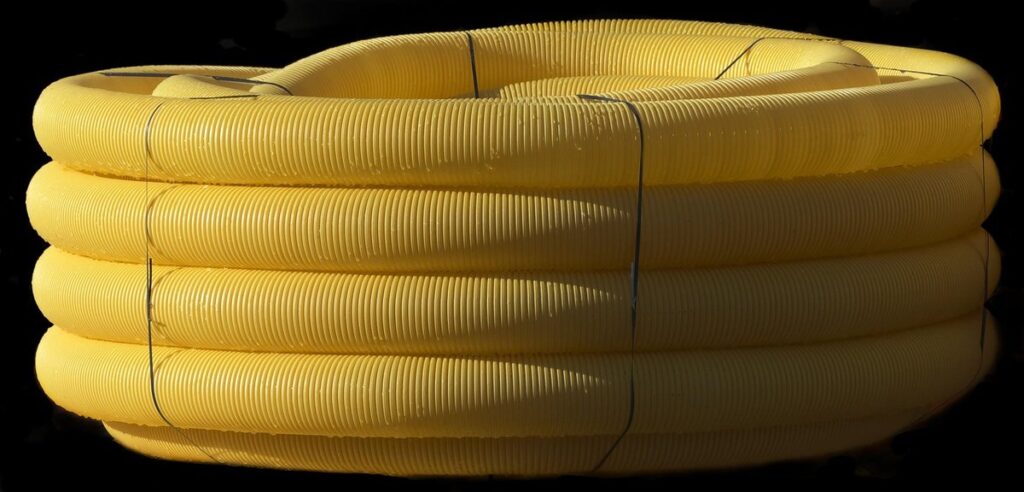
When it comes to subsurface drainage options for greenhouses, there are several features that play crucial roles in maintaining a well-drained and healthy growing environment. At the heart of these systems are drain pipes, which collect excess water from the greenhouse floor and direct it away from the roots of plants.
One common type of drain pipe is the PVC (polyvinyl chloride) pipe, which is durable, resistant to corrosion, and easy to install. These pipes can be connected to a network of smaller drainage tubes that crisscross beneath the soil, allowing for efficient water removal. In addition to drain pipes, catch basins also play an essential role in subsurface drainage systems.
Catch basins are essentially large containers that collect excess water from the drain pipes and direct it into the main drainage system or a nearby irrigation channel. They can be installed at various intervals beneath the greenhouse floor, depending on the size of the structure and the type of crops being grown. By incorporating these features into your subsurface drainage system, you’ll be able to maintain optimal growing conditions for your plants while minimizing the risk of waterlogged soil and root rot.
Monitoring Water Levels with Sensors
Monitoring water levels is crucial to prevent overwatering and root rot in greenhouses. Overwatering can lead to a host of problems, including reduced crop yields, increased risk of disease, and damage to the greenhouse structure itself.
You can monitor water levels using sensors that detect changes in moisture levels within the soil or on the floor surface. These sensors can be placed at specific points throughout the greenhouse, such as near plants’ roots or along drainage channels.
There are several types of sensors available for monitoring water levels, including:
* Electrical conductivity sensors, which measure the electrical resistance of the soil to determine moisture levels
* Capacitance sensors, which detect changes in capacitance when a sensor is exposed to different moisture levels
* Optical sensors, which use light to detect moisture levels
When selecting sensors for your greenhouse, consider factors such as accuracy, sensitivity, and durability. Ensure that the sensors are compatible with your existing irrigation system and can be easily integrated into your monitoring setup.
By using sensors to monitor water levels, you can make informed decisions about watering schedules and prevent overwatering, reducing the risk of root rot and other problems associated with excessive moisture.
Greenhouse Floor Drainage Solutions for Specific Climate Zones
As you navigate the complexities of greenhouse floor drainage, it’s essential to consider specific climate zones and their unique demands on your system. We’ll explore tailored solutions for each zone in this section.
Hot and Dry Climates: Importance of Efficient Drainage
Hot and dry climates pose unique challenges to greenhouse operations. High temperatures and low humidity levels can lead to soil desiccation, reduced plant growth, and increased risk of root diseases. In such regions, efficient drainage is crucial to prevent waterlogged soils, reduce the risk of root rot, and maintain optimal growing conditions.
In hot and dry climates, it’s essential to choose a greenhouse floor that promotes good air circulation and allows for easy water removal. Perforated pipes or channels can be integrated into the floor design to facilitate efficient drainage. For example, some growers use a system of under-floor pipes connected to a central collection tank, allowing them to quickly remove excess water from the growing area.
When designing a greenhouse in a hot and dry climate, consider using materials with high thermal mass, such as concrete or tile, which can help regulate soil temperature. Additionally, install a robust irrigation system that accounts for the region’s low humidity levels and high evaporation rates. By prioritizing efficient drainage and incorporating smart design elements, growers in hot and dry climates can create optimal growing conditions and minimize the risks associated with waterlogged soils.
Cool and Wet Climates: Managing Water Saturation
In cool and wet climates, managing water saturation is crucial to prevent damage to plants, equipment, and the greenhouse structure itself. Excess moisture can lead to root rot, fungal diseases, and reduced crop yields. To mitigate these risks, consider implementing strategies that reduce moisture buildup.
One effective approach is to use a combination of flooring materials with varying drainage characteristics. For example, you could install a perforated pipe system beneath a layer of gravel or crushed stone, allowing excess water to drain quickly and efficiently. Another option is to incorporate a self-draining floor mat with built-in channels for water evacuation.
It’s also essential to monitor and control the greenhouse environment by adjusting temperature, humidity levels, and irrigation schedules as needed. Regularly inspecting the flooring system will help you identify areas where moisture is accumulating and make necessary adjustments to prevent saturation. By taking proactive steps to manage water saturation, you can create a healthy and productive growing environment for your plants in cool and wet climates.
Tropical or Humid Regions: Unique Drainage Requirements
In tropical or humid regions, where high temperatures and humidity levels are prevalent, greenhouse operators face unique drainage challenges. The excessive moisture in the air can quickly lead to water accumulation on the floor, compromising crop health and structural integrity. To mitigate these issues, specialized drainage systems must be implemented.
One critical consideration is the choice of materials for the greenhouse floor. In humid environments, it’s essential to select materials that are resistant to warping, rotting, or corroding due to excessive moisture. Some popular options include EPDM rubber flooring and concrete with a durable, waterproof coating.
Another crucial aspect is the slope and grading of the floor. A slight incline can help prevent water from pooling in certain areas, reducing the risk of damage to crops and equipment. Proper installation and regular maintenance are also vital for ensuring the drainage system functions effectively.
By understanding these unique requirements, greenhouse operators in tropical or humid regions can take proactive steps to prevent moisture-related issues and create a more efficient, productive growing environment.
Maintenance and Upkeep for Greenhouse Floor Drainage Systems
To ensure your greenhouse floor drainage system runs smoothly year-round, it’s essential to understand the regular maintenance tasks that prevent clogs and water damage. Regular checks on these systems can save you time and money in the long run.
Regular Cleaning and Inspection Schedules
Regular cleaning and inspection schedules are crucial to maintaining effective greenhouse floor drainage systems. Without regular maintenance, debris buildup can clog drains, reducing water flow rates and creating ideal conditions for root growth and pest infestations.
As a best practice, schedule a thorough cleaning of the drainage system every 6-12 months, depending on usage. Begin by removing any visible debris, such as soil or leaves, from the floor and surrounding areas. Next, inspect the drains for blockages, checking for signs of clogging like reduced water flow or unusual odors.
During inspection, pay particular attention to areas around pipes, fittings, and valves, where buildup tends to accumulate. Use a drain snake or plumber’s auger to clear any blockages, and apply a coat of lubricant to moving parts to prevent future friction issues.
By incorporating regular cleaning and inspection into your maintenance routine, you’ll ensure your greenhouse floor drainage system remains efficient and effective over time. This proactive approach will also help detect potential problems before they become major issues, saving you time and resources in the long run.
Tips for Preventing Clogged Drains and Pumps
Preventing clogged drains and pumps is crucial to maintaining the overall health and efficiency of your greenhouse floor drainage system. One key strategy for achieving this is by ensuring adequate water flow through regular cleaning and maintenance of the drain lines.
To start, inspect your drain lines periodically for any signs of debris or sediment buildup. This can be done visually or with the use of specialized equipment like CCTV cameras. If you notice any blockages, clear them out promptly using a plumber’s snake or hydro-jet cleaner.
Another effective approach is to implement a regular maintenance schedule that includes flushing the drains and pumps with water on a daily basis. This helps remove any accumulated debris and prevents clogs from forming in the first place.
You can also install drain screens or filters at each outlet to catch hair, leaves, and other large particles before they enter the pipes, reducing the risk of clogs and pump damage.
Additional Considerations for Greenhouse Floor Design
When planning a greenhouse floor, there are several factors that can impact drainage and overall efficiency, including soil type and load-bearing capacity. Let’s take a closer look at these considerations together.
Integrating Drainage with Overall Layout and Functionality
When designing a greenhouse floor, it’s essential to integrate drainage with the overall layout and functionality of the space. A well-planned drainage system not only prevents waterlogged soil but also enhances plant growth and reduces maintenance.
To achieve this seamless operation, consider the following steps:
* Identify high-traffic areas and position drains accordingly to prevent water accumulation.
* Allocate enough space between plants for efficient irrigation and air circulation, reducing the risk of waterlogging.
* Incorporate sloped sections or gentle gradients to facilitate easy water flow, making it easier to clean the floor and reduce standing water.
* Select a drainage material that complements your greenhouse’s aesthetic and functionality, such as using metal grates over plastic channels for added durability.
By integrating drainage with the overall layout, you can create a more efficient, low-maintenance, and productive greenhouse environment.
Sustainable Practices: Incorporating Rainwater Harvesting
Incorporating rainwater harvesting systems into your greenhouse design is an excellent way to adopt sustainable practices and reduce reliance on municipal water supplies. By collecting and storing rainwater, you can significantly decrease the amount of potable water used for irrigation, which is a significant expense and environmental concern.
A typical rainwater harvesting system consists of a roof catchment area, storage tank, and treatment system. The first step is to ensure your greenhouse roof has a sufficient slope and surface area to collect an adequate amount of rainfall. Next, install a tank with a capacity that meets the irrigation needs of your plants. Consider using a first flush device to remove debris and contaminants from the collected water.
For example, a study by the University of California found that rainwater harvesting can reduce municipal water usage by up to 40% in areas with average rainfall. To incorporate this system into your greenhouse design, consult local regulations regarding water storage capacity and treatment requirements. Additionally, consider installing a submersible pump to supply collected rainwater directly to irrigation systems. By adopting these sustainable practices, you’ll not only reduce water consumption but also create a more resilient and self-sufficient green space.
Frequently Asked Questions
What are the long-term costs associated with installing a permeable paver system versus other greenhouse floor materials?
Permeable pavers can be more expensive upfront, but they often last longer (up to 20-30 years) and require less maintenance compared to gravel or concrete floors. Additionally, their ability to reduce water runoff and erosion can save you money in the long run by minimizing repairs and replacements.
Can I use a combination of different drainage materials for my greenhouse floor?
Yes, many growers opt for hybrid systems that combine multiple materials, such as permeable pavers with subsurface drains or gravel with French drains. This approach allows you to leverage the strengths of each material while addressing specific challenges in your climate zone and greenhouse layout.
How often should I inspect and maintain my greenhouse floor drainage system?
Regular inspections are crucial for identifying potential issues before they become major problems. Schedule quarterly checks during peak growth periods, and perform more thorough maintenance (e.g., cleaning drains and pumps) at least twice a year or as needed based on usage.
What are some common mistakes to avoid when designing a greenhouse floor drainage system?
One common error is underestimating the water flow rate in your area. Be sure to factor in rainfall intensity, plant density, and irrigation schedules to ensure your drainage system can handle peak water volumes. Additionally, don’t neglect to consider the long-term impact of your design on soil health and root growth.
Can I integrate rainwater harvesting systems with my greenhouse floor drainage?
Yes, incorporating a rainwater collection system can be an excellent way to supplement your water needs while reducing stormwater runoff. Consider designing your drainage system to direct excess water into a cistern or storage tank for later use in irrigation, thus creating a more efficient and sustainable growing environment.