
As a greenhouse owner, you know how crucial it is to maintain your structure’s integrity and performance. One often-overlooked aspect of greenhouse care is roof flashing installation and maintenance. Proper flashing can make all the difference in extending the lifespan of your greenhouse, reducing energy costs, and ensuring optimal performance. Unfortunately, many gardeners neglect this important detail until a leak or damage occurs. In this article, we’ll explore the importance of proper greenhouse roof flashing, its impact on energy efficiency, and provide practical tips for installation and maintenance. By the end of this read, you’ll be equipped with the knowledge to protect your investment and keep your greenhouse thriving for years to come.
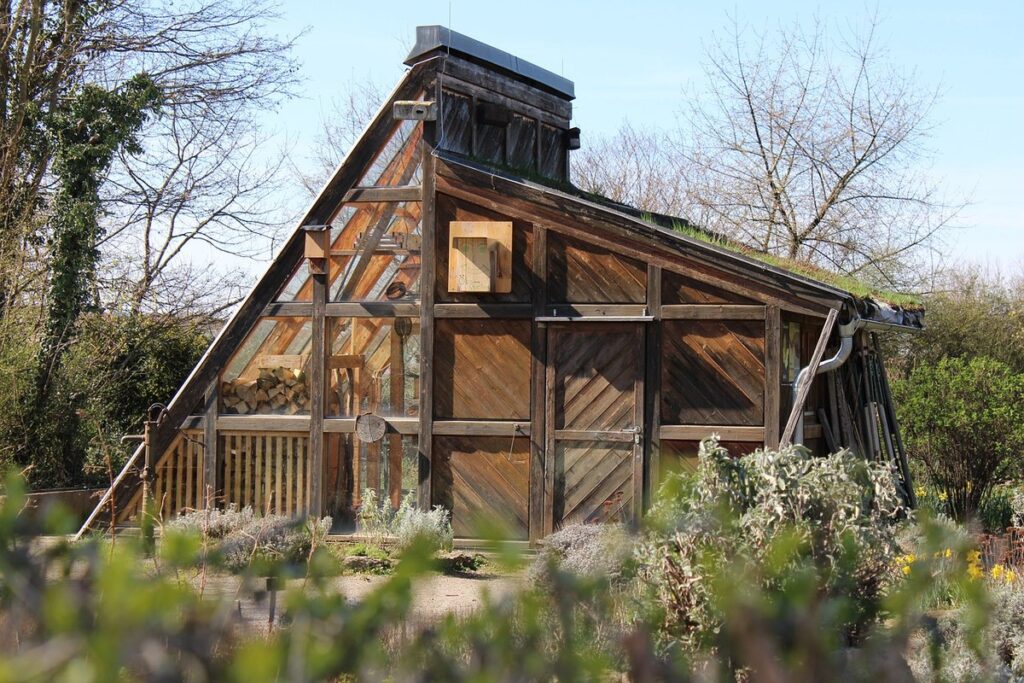
Understanding the Importance of Greenhouse Roof Flashing
Let’s dive into why greenhouse roof flashing is a crucial aspect of your greenhouse’s overall integrity, and how it impacts its lifespan.
Benefits of Proper Flashing Installation
Proper flashing installation is crucial for preventing damage to your greenhouse. When done correctly, it creates a watertight seal around pipes, vents, and other penetrations on the roof. This barrier prevents water from seeping into the greenhouse, where it can cause structural issues, reduce crop yields, and lead to costly repairs.
By investing in quality flashing materials and proper installation techniques, you can also reduce your energy costs. Water that accumulates on the roof can weigh down the structure, putting additional pressure on the frame and increasing the risk of collapse. Proper flashing helps to direct water away from these areas, reducing the strain on the greenhouse and ensuring a longer lifespan.
To maximize the benefits of proper flashing installation, consider using a durable material like PVC or EPDM rubber for your roof flashing. These materials are resistant to weathering, cracking, and degradation, making them ideal for outdoor use. Regular inspections and maintenance can also help extend the life of your flashing system. By prioritizing proper flashing installation and upkeep, you can create a safe, efficient, and productive greenhouse environment that supports healthy plant growth.
Common Issues with Improper Flashing Installation
Inadequate or incorrect flashing installation can lead to a range of issues that compromise the integrity and functionality of your greenhouse roof. One common problem is water penetration. When flashing is not properly installed, it fails to direct water away from the roof’s edges, causing it to seep in through gaps and joints. This can result in damage to crops, equipment, and structures within the greenhouse.
Water damage can also lead to structural issues as wood and other materials begin to rot and decay. The compromised structure may eventually collapse or become unstable, posing a significant safety risk to occupants and users of the greenhouse. Furthermore, improper flashing installation can compromise the roof’s integrity, allowing air leaks and moisture buildup that can harm plants.
To avoid these problems, it is essential to ensure accurate and thorough installation of your greenhouse roof flashing. This includes carefully following manufacturer instructions and taking time to inspect and test each section before completion. Regular maintenance checks also help identify potential issues early on, preventing more severe damage from occurring in the future.
Choosing the Right Materials for Greenhouse Roof Flashing
When selecting materials for your greenhouse roof flashing, it’s essential to consider durability, weather resistance, and compatibility with your existing structure. We’ll walk you through the top options to ensure a watertight seal.
Types of Flashing Materials Available
When it comes to choosing the right flashing material for your greenhouse roof, you have several options available. One popular choice is metal flashing, which offers excellent durability and resistance to harsh weather conditions. Aluminum and galvanized steel are common types of metal flashing used in greenhouses due to their affordability and ease of installation. However, they can be prone to corrosion if not properly coated.
Plastic flashing is another option that’s gaining popularity due to its lightweight and flexible nature. PVC (polyvinyl chloride) and EPDM (ethylene propylene diene monomer) are two common types of plastic used for greenhouse roof flashing. They’re easy to install, waterproof, and resistant to UV rays. However, they may not be as durable as metal and can become brittle over time.
Rubber flashing is a more recent entrant in the market, offering excellent weather-tightness and elasticity. EPDM rubber is a popular choice for greenhouse roof flashing due to its flexibility, resistance to chemicals, and affordability. It’s also relatively easy to install and maintain.
When selecting a flashing material, consider factors like climate, budget, and maintenance requirements to ensure you choose the right one for your specific needs.
Factors to Consider When Selecting Materials
When selecting materials for greenhouse roof flashing, it’s essential to consider several key factors that will determine the long-term performance and effectiveness of your flashing system. The climate in which your greenhouse is located plays a significant role in material selection. For example, areas with high winds or heavy rainfall may require more robust and water-resistant materials such as stainless steel or PVC-coated fabrics.
Your budget also comes into play when choosing materials. While high-end options like copper or aluminum may offer superior durability and aesthetics, they can be quite expensive. Conversely, cheaper alternatives like plastic sheets may not provide the same level of protection. As a general rule, it’s recommended to spend at least 10% of your greenhouse’s total construction budget on flashing materials.
Additionally, maintenance requirements should also be taken into account when selecting materials. Some options, such as metal flashing, can be more labor-intensive to clean and repair than others, like PVC-coated fabrics. By carefully considering these factors, you’ll be able to choose a material that aligns with your greenhouse’s specific needs and ensures optimal performance over the long term.
When evaluating different materials, it’s also worth thinking about their lifespan and recyclability. For instance, some types of plastic flashing can take hundreds of years to decompose, whereas others like aluminum or steel can be recycled at the end of their life cycle. By making an informed decision, you’ll not only ensure your greenhouse roof stays watertight but also minimize its environmental impact.
Design and Installation Considerations for Greenhouse Roof Flashing
When it comes to installing greenhouse roof flashing, choosing the right materials and following proper installation techniques is crucial to ensure a watertight seal. This section will walk you through these essential considerations.
Optimal Flashing Design Principles
When designing an effective flashing system for your greenhouse roof, it’s essential to consider several key factors that will ensure proper water runoff and drainage. One critical consideration is the slope of the roof. A minimum slope of 1:12 is recommended to prevent water from accumulating on the surface and causing damage.
The pitch of the roof also plays a significant role in determining the flashing design. A steeper pitch can be more challenging to flash, but it may require less material than a shallower pitch. When deciding on a pitch, consider the local climate and the amount of rainfall your area receives. In regions with high precipitation, a steeper pitch is often preferred.
The orientation of the roof is another crucial factor to consider. North-facing roofs tend to receive more direct sunlight, which can cause water to evaporate more quickly, reducing the risk of damage. However, this may also lead to increased temperature fluctuations, which could compromise the flashing material’s performance.
When designing your flashing system, ensure that it takes into account these factors and provides adequate coverage for all potential water entry points. A well-designed flashing system will not only protect your greenhouse from water damage but also extend its lifespan and maintain a healthy growing environment.
Best Practices for Installing Greenhouse Roof Flashing
Installing greenhouse roof flashing requires attention to detail and careful consideration of key steps to ensure a watertight seal. Begin by cleaning the roof surface thoroughly to remove dirt, debris, and old adhesives that may compromise the flashing’s bond. Next, apply a suitable primer to enhance adhesion, followed by the flashing material according to manufacturer instructions.
To prevent water intrusion through gaps, seal around edges with compatible sealants or tapes. Use a bead of sealant at each joint, applying it in sections to avoid air pockets. For larger gaps, consider using foam inserts or gaskets specifically designed for greenhouse roofs. When dealing with complex roof geometries, consult the manufacturer’s recommendations for adapting flashing profiles.
During installation, protect the surrounding areas from debris and dust by covering them with drop cloths or plastic sheets. Apply gentle pressure to the flashing while it sets to prevent creases and ensure a smooth finish. Inspect the flashing regularly during and after installation to identify any potential issues before they become major problems.
Troubleshooting Common Issues with Greenhouse Roof Flashing
You’ll encounter issues from time to time, and knowing how to troubleshoot them can save you a lot of frustration and money in repairs. This section will walk you through common problems and solutions for greenhouse roof flashing.
Identifying Leaks and Water Ingress
Detecting leaks and water ingress in your greenhouse roof flashing is crucial to prevent damage to your plants, equipment, and structure. A visual inspection is a great starting point, but it may not always reveal the issue. Look for signs of moisture, such as water droplets on walls or floors, mineral deposits, or discoloration.
Moisture testing can help identify areas with high humidity levels, which may indicate leaks. You can use a hygrometer to measure relative humidity in different areas of the greenhouse. Compare these readings to determine if there’s a correlation between specific areas and elevated moisture levels.
During an inspection, also check for gaps or openings around flashing components, such as edges, corners, or joints. These are common entry points for water. Make sure to inspect the roof flashing regularly, especially after storms or heavy rainfall, when leaks are more likely to occur.
Repairing Damaged or Failed Flashing Systems
Repairing damaged flashing systems is a crucial step in maintaining the integrity of your greenhouse’s roof. When identifying damage, it’s essential to assess the severity and prioritize repairs accordingly. Start by inspecting the affected area for any signs of water seepage or structural compromise.
Begin by replacing failed components such as damaged or missing flashing pieces, ensuring they are properly secured with roofing nails or clips. Re-sealing joints and seams is also vital, using a suitable sealant to prevent future leaks.
To reinforce vulnerable areas, apply additional flashing strips around the perimeter of vents, skylights, or other penetrations in the roof. Ensure that these additions are integrated seamlessly into the existing system to maintain its structural integrity.
Regular maintenance, including annual inspections and prompt repairs, is key to preventing costly damage and extending the lifespan of your greenhouse’s roof flashing.
Maintenance and Inspections for Greenhouse Roof Flashing
To ensure your greenhouse roof flashing remains effective and long-lasting, it’s essential to establish a regular maintenance and inspection routine. This includes checking seals, tightening fasteners, and addressing any signs of wear or damage.
Regular Inspection Schedules
Regular inspections are crucial to maintaining the integrity of your greenhouse roof flashing system. Over time, exposure to weather conditions can cause wear and tear on the flashing components, compromising its effectiveness. A regular inspection schedule will help you identify potential issues before they become major problems.
Typically, it’s recommended to inspect your greenhouse roof flashing every 6-12 months, depending on usage and environmental factors. During inspections, check for signs of damage, rust, or corrosion on metal components. Also, ensure all seals and gaskets remain intact, as these are critical in maintaining a watertight seal.
When performing an inspection, look for the following red flags:
* Cracks or gaps in the flashing system
* Rust or corrosion on metal components
* Discoloration or warping of materials
* Signs of animal infestation (e.g., bird nests)
By establishing a regular inspection schedule and addressing any issues promptly, you can prevent costly repairs down the line and maintain a secure greenhouse environment.
Tips for Preventative Maintenance
Regular cleaning and inspection are crucial for maintaining the integrity of your greenhouse roof flashing. Start by removing any debris that may have accumulated on the surface, such as leaves or twigs. Use a soft-bristled brush to gently sweep away dirt and grime without damaging the flashing.
Check for signs of wear, corrosion, or damage to the flashing’s sealants and materials. Inspect the flashing’s seams and joints for any gaps or weaknesses that could compromise its effectiveness. Consider using a flashlight to illuminate hard-to-reach areas.
Addressing potential issues before they become major problems can save you time and money in the long run. For example, if you notice signs of rust on metal flashing, clean it immediately with a wire brush and apply a rust-inhibiting coating. Replace any damaged or worn-out sealants to ensure a watertight seal.
Regular maintenance also involves monitoring temperature fluctuations and adjusting your greenhouse’s ventilation system accordingly to prevent condensation from forming under the flashing. By staying on top of these tasks, you’ll be able to identify and address potential issues before they cause significant damage to your greenhouse.
Conclusion: Maximizing Greenhouse Performance with Effective Roof Flashing
By implementing effective roof flashing, you’ve taken a crucial step towards ensuring your greenhouse performs optimally. Remember that proper installation is key – invest in quality materials and take the time to ensure seamless integration with your existing roofing system. Regular maintenance will also play a vital role in maintaining peak performance, so schedule inspections and address any issues promptly. For example, inspect your flashing after extreme weather events or seasonal changes to catch potential damage before it’s too late. By prioritizing this often-overlooked aspect of greenhouse design, you’ll enjoy improved temperature regulation, reduced energy costs, and prolonged equipment lifespan – all essential components for a thriving greenhouse environment.
Frequently Asked Questions
What are the most common mistakes to avoid when installing greenhouse roof flashing?
When installing greenhouse roof flashing, be aware of common pitfalls like inadequate sealing around pipes and vents, using low-quality materials, and neglecting regular inspections. To prevent these issues, ensure a watertight seal by applying flashing tape or caulk at all penetrations, choose durable materials resistant to weather conditions, and schedule annual inspections to detect any signs of damage.
How often should I inspect my greenhouse roof flashing for potential leaks?
Regular inspections are crucial in identifying potential leaks before they cause significant damage. Schedule monthly visual inspections during peak growing seasons and bi-annual thorough examinations with a moisture meter to detect water ingress early on. This proactive approach will save you time, money, and ensure optimal greenhouse performance.
Can I use a DIY flashing kit for my greenhouse roof, or is it best to hire a professional?
While DIY kits can be cost-effective, hiring a professional may be the better option, especially if you lack experience with roofing materials and installation techniques. A professional will ensure proper flashing design and installation, reducing the risk of costly repairs down the line.
What are some signs that my greenhouse roof flashing needs to be repaired or replaced?
Keep an eye out for water stains on walls or ceilings, mineral deposits, and visible rust or corrosion on metal flashing. If you notice any of these signs, inspect your flashing system immediately to prevent further damage. Remember, prompt repairs can save you from costly replacements in the long run.
How can I ensure my greenhouse roof flashing withstands extreme weather conditions?
To ensure durability in harsh weather conditions, choose flashing materials resistant to high winds, heavy rain, and scorching sun. Consider using PVC or aluminum flashing for its flexibility and resistance to corrosion. Regular inspections will also help detect potential issues before they become major problems.