
As a greenhouse owner, you know that snowy weather can be both beautiful and challenging. The last thing you want is to worry about your delicate plants and equipment being damaged by snow accumulation on your greenhouse roof. A well-designed and installed roof can make all the difference in keeping your greenhouse safe and thriving during the winter months. But with so many options available, it’s hard to know where to start.
In this article, we’ll explore expert advice on designing, installing, and maintaining a snow-ready greenhouse roof. We’ll dive into materials, glazing options, and innovative solutions that can help ensure your greenhouse stays safe and healthy during the snowy season. Whether you’re building a new greenhouse or upgrading an existing one, this guide will provide you with the knowledge you need to make informed decisions about your greenhouse roof.
Choosing the Right Materials
When it comes to building a snow-friendly greenhouse roof, selecting the right materials is crucial for both durability and safety. You’ll want to consider factors like weight capacity, insulation, and weather resistance.
Considering Insulation and Thermal Mass
When considering insulation and thermal mass for your greenhouse roof, it’s essential to prioritize materials that excel at regulating temperature and reducing heat loss. Thermal mass refers to the ability of a material to absorb and release heat slowly, helping to stabilize indoor temperatures.
Materials like concrete or brick are excellent examples of thermal mass in action. These dense materials can absorb heat during the day and release it at night, creating a more consistent temperature within your greenhouse. This is particularly beneficial for regions with cold winters, as it helps prevent extreme temperature fluctuations.
To incorporate thermal mass into your design, consider using concrete blocks or brick veneer on the underside of your roof. You can also use radiant barrier materials to enhance insulation and minimize heat loss during winter months. When selecting materials, ensure they are suitable for your climate and meet local building codes. By combining thermal mass with effective insulation strategies, you’ll be able to create a more energy-efficient and resilient greenhouse roof.
Evaluating Glazing Options for Snowy Conditions
When it comes to designing a greenhouse roof for snowy conditions, choosing the right glazing material is crucial. There are three primary types of glazing options to consider: single-glazed, double-glazed, and triple-glazed.
Single-glazed panels, which consist of a single layer of glass or plastic, offer minimal insulation value and are prone to condensation issues in cold temperatures. However, they provide excellent light transmission, allowing plants to receive maximum sunlight during the winter months. This option is ideal for small, cold frames or mini-greenhouses where space is limited.
Double-glazed panels, which feature two layers of glass separated by a gap, offer improved insulation and reduced condensation issues compared to single-glazed options. They are more expensive upfront but can pay for themselves through energy savings over time.
Triple-glazed panels take it a step further with three layers of glass, providing exceptional thermal insulation and minimal heat loss. While they offer the best performance in snowy conditions, their high cost often makes them less accessible to hobbyists or small-scale gardeners. Consider your specific needs and budget when choosing between these options, weighing factors like light transmission, durability, and cost.
Designing a Snow-Resistant Greenhouse Roof
When it comes to designing a snow-resistant greenhouse roof, you’ll want to consider using materials that can withstand heavy loads and prevent water damage from melting snow. This section will walk you through those crucial considerations.
Maximizing Angle for Snow Runoff
When designing a snow-resistant greenhouse roof, maximizing angle is crucial for efficient snow runoff. The optimal angle will vary depending on your location and climate. In general, a steeper angle allows snow to slide off more easily, reducing the risk of collapse or damage.
To determine the best angle for your area, consider the following factors: latitude, elevation, and local weather patterns. A good rule of thumb is to aim for an angle between 30° and 45°. For locations with heavy snowfall, such as northern latitudes or high elevations, a steeper angle may be necessary.
In areas with moderate snowfall, a slightly gentler slope (around 20-25°) can still allow for efficient snow runoff while minimizing potential structural stress on the greenhouse. It’s essential to note that the ideal angle will also depend on the type of roofing material used and its durability in snowy conditions.
As you calculate your optimal roof angle, keep in mind that steeper slopes may require additional support or bracing to ensure stability. Be sure to consult local building codes and consider hiring a professional to ensure a safe and effective design.
Implementing Slopes and Pitched Roofs
When designing a greenhouse roof for snowy climates, sloped or pitched roofs are an excellent choice. The primary benefit of using these types of roofs is their ability to shed snow easily, reducing the risk of collapse and minimizing maintenance needs. In fact, studies have shown that pitched roofs can reduce snow loading by up to 30% compared to flat roofs.
To design a snow-resistant sloped roof, it’s essential to consider structural integrity. Ensure that your greenhouse’s frame is robust enough to support the weight of snow and any additional loads such as wind or water. A general rule of thumb is to use a minimum slope of 2:12 (1 in 6) for most climates.
In addition to structural considerations, water management is also crucial. Sloped roofs can create areas where water can accumulate, so it’s vital to design the roof with gutters and downspouts that effectively manage rainwater runoff. This will help prevent water from seeping into the greenhouse through gaps or cracks in the roof. By incorporating these key elements, you’ll be able to create a snow-resistant sloped roof for your greenhouse.
Snow-Related Hazards and Safety Precautions
When it comes to snow-covered greenhouses, safety should be your top priority. This section will walk you through potential hazards and essential precautions to keep you safe while tending to your greenhouse.
Managing Snow Load and Structural Integrity
Managing excessive snow loads on greenhouse roofs is crucial to prevent damage and ensure safety. A significant amount of snowfall can cause structural instability, leading to roof collapse. This risk increases with the weight and depth of the snow, particularly if it’s not properly drained or supported.
To assess this risk, consider factors such as the type of roofing material used, its load-bearing capacity, and the greenhouse’s overall design. A heavy snowfall event can easily exceed the structural limits of a standard greenhouse roof, so it’s essential to be proactive in mitigating these risks. Regular inspections and maintenance are vital to identify potential vulnerabilities before they become major issues.
Some practical measures to consider include installing snow load-rated roofing materials, such as translucent polycarbonate panels or glass, which can withstand heavier loads without compromising structural integrity. Additionally, strategically placing drainage systems and employing snow retention strategies like netting or bracing can help manage the weight of accumulated snow. By understanding these risks and taking proactive steps, you can protect your greenhouse from damage and ensure a safe environment for plants and people alike.
Preventing Ice Dams and Water Accumulation
When snow accumulates on your greenhouse roof, it can be a beautiful sight, but it also poses significant risks to your structure and its contents. One of the most critical concerns is the formation of ice dams and water accumulation under the roof.
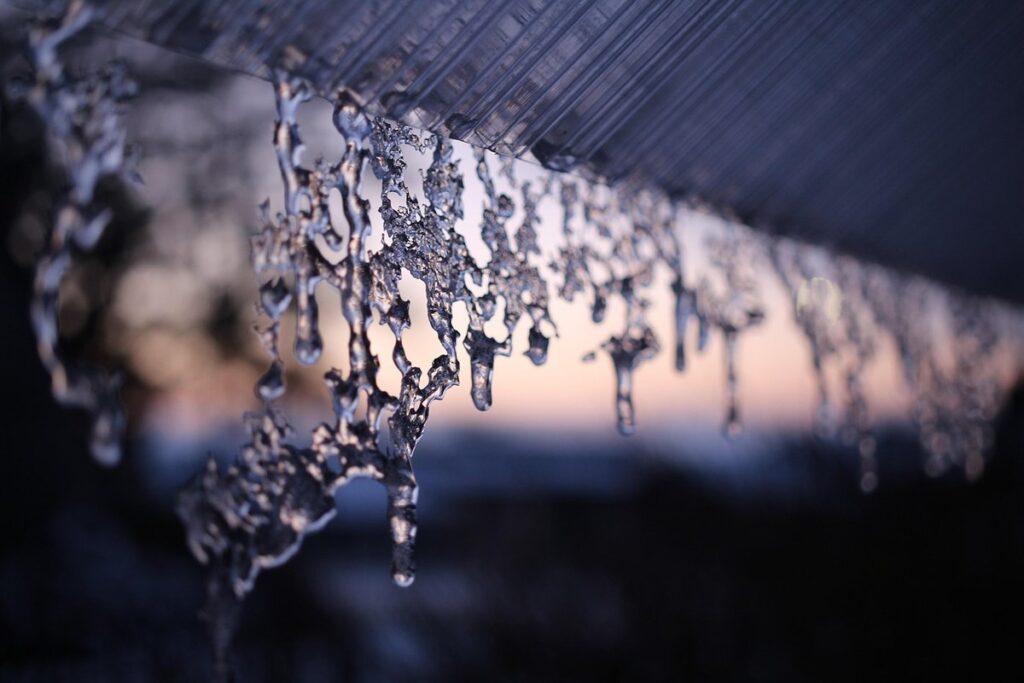
Ice dams occur when snow melts and flows underneath the roofing material, where it freezes and forms a thick layer of ice. This not only weakens the structural integrity of your greenhouse but also creates an ideal environment for mold, mildew, and pests to thrive. Water accumulation can lead to damage to your plants, equipment, and even collapse the roof.
To prevent these issues, improve drainage by ensuring that your greenhouse’s slope is at least 2% to allow snowmelt to flow freely. Install gutters or downspouts to direct water away from the foundation and walls. You can also consider installing a snow-melt system, which involves burying heating elements under the roofing material to melt excess snow and ice.
For a more efficient solution, combine these techniques by installing a roof with a built-in gutter system that allows for seamless water flow. Additionally, ensure that your greenhouse’s insulation is adequate to prevent heat loss and subsequent melting of snow.
Installation and Maintenance Considerations
Now that we’ve explored various roof designs, let’s dive into the practicalities of setting up your snow-ready greenhouse and keeping it running smoothly over time.
Preparing the Roof for Snowy Weather
Before winter sets in, it’s essential to prepare your greenhouse roof for the impending snowfall. Cleaning is the first step in ensuring your roof remains safe and functional during harsh weather conditions. Remove any debris, such as leaves or twigs, from gutters and downspouts to allow water to flow freely. Inspect the roof membrane for any signs of damage, cracks, or worn-out areas that could compromise its integrity.
Next, inspect structural components like rafters, beams, and brackets to ensure they can support the added weight of snow. Check for any loose screws, bolts, or fasteners and tighten them as needed. If you live in an area prone to heavy snowfall, consider reinforcing your roof with additional supports or using snow-load-rated roofing materials.
Finally, take a moment to inspect your greenhouse’s drainage system to prevent water accumulation under the roof. Make sure gutters and downspouts are clear of debris, and consider installing a gutter guard to prevent clogs. By following these steps, you’ll be well-prepared for the winter months ahead, protecting both your greenhouse and its occupants from potential damage caused by snow. Regular maintenance is key to ensuring your greenhouse remains safe and functional all year round.
Regular Inspection and Maintenance Tasks
Regular inspections are crucial to identify potential issues before they become major problems that can compromise the integrity of your greenhouse. As snow accumulates on your roof, it’s essential to monitor its condition closely. Start by checking all seals and joints for any signs of damage or gaps. Make sure all connections between roofing materials and the greenhouse frame are secure.
Next, inspect the glazing system regularly. Clean off any debris or dirt that may have accumulated on the panes, which can reduce visibility and impact the structural integrity of the roof. Consider using a soft brush or a squeegee to gently clean the glass surfaces.
Don’t forget about your gutters! Snowmelt can accumulate in them and cause water backup into the greenhouse, potentially leading to root rot and other issues. Clear any debris from the gutters after each snowfall, making sure the downspouts are clear and functioning properly.
By performing these routine checks, you’ll be able to address potential problems early on and ensure your greenhouse remains safe and functional throughout the winter months.
Innovative Solutions for Snowy Climates
As you plan a greenhouse roof that can withstand heavy snowfall, let’s explore some game-changing solutions to ensure your investment remains stable and functional all year round.
Investigating Passive Solar Design
Passive solar design is a clever strategy to harness natural light and heat during winter months while minimizing energy consumption. In snowy climates, it’s essential to adapt this design principle to maximize the benefits of natural light without overloading the structure with excess weight or stress.
When incorporating passive solar design in greenhouses for snowy areas, consider orienting the roof at an angle that allows winter sun rays to enter and warm the space. A south-facing slope is ideal, but be mindful of the snow load and ensure the structure can handle the additional weight. Use materials like translucent panels, fiber-reinforced polymers, or acrylic glazing for their durability and resistance to extreme weather conditions.
To further optimize natural light, use reflective surfaces or coatings to bounce sunlight deeper into the greenhouse. Additionally, select plants with low light requirements that can thrive during the shorter winter days. By incorporating these design elements, you can create a passive solar system that not only reduces energy consumption but also enhances plant growth and overall indoor climate control.
Utilizing Energy-Efficient Heating Systems
When it comes to maintaining a stable internal climate in a greenhouse during snowy seasons, energy-efficient heating systems play a crucial role. Traditional heating methods can be expensive and may not provide adequate warmth, especially if the structure is exposed to harsh winter conditions.
Consider implementing radiant floor heating, which involves installing pipes or electric mats under the floor that warm the space through infrared radiation. This system offers several benefits: it’s energy-efficient, cost-effective in the long run, and gentle on plants. For instance, a study by the National Renewable Energy Laboratory found that radiant floor heating can be up to 30% more efficient than traditional forced-air systems.
Another viable option is geothermal heating and cooling systems, which utilize the natural temperature of the earth to regulate indoor climate. These systems involve installing underground pipes to harness heat from the ground during winter and cool air from it during summer. While they require a significant upfront investment, geothermal systems can provide substantial long-term savings and are highly reliable.
Heat pumps are also worth considering, as they work by transferring warmth from one location to another rather than generating new heat. This means they can be an efficient choice for greenhouses located in areas with mild winters or where the temperature remains above freezing for extended periods.
Budgeting for a Snow-Ready Greenhouse Roof
When it comes to budgeting for your greenhouse roof, determining how much you’ll need to invest will depend on the size and complexity of your design. Let’s break down some essential costs to consider.
Initial Investment Costs vs. Long-Term Savings
When designing and installing a snow-ready greenhouse roof, it’s essential to weigh initial investment costs against long-term energy savings. A durable, snow-resistant roof may seem like an expensive upfront investment, but it can lead to significant cost savings over time.
Consider this example: a traditional greenhouse roof without snow retention features might require frequent repairs and replacements due to ice damage. In contrast, a roof with built-in snow load management could withstand heavy snowfall for years without any major issues. According to a study by the University of Illinois, greenhouses equipped with proper snow-load management systems can reduce maintenance costs by up to 70% over a five-year period.
To achieve the best balance between cost-effectiveness and resilience in snowy conditions, prioritize expenses on essential features such as:
* Snow load management systems
* Insulated panels or glazing
* Waterproofing membranes
* Reinforced structural elements
These investments may seem costly upfront, but they can lead to substantial long-term savings by minimizing maintenance and repair needs. By considering the potential returns on investment, you can make informed decisions about your greenhouse roof’s design and installation.
Identifying Funding Sources and Incentives
When upgrading a greenhouse roof to withstand snowy climates, it’s essential to explore potential funding sources and incentives that can help offset initial costs. One place to start is by researching government grants specifically designed for energy-efficient and environmentally friendly projects like greenhouses.
For example, the USDA’s Natural Resources Conservation Service (NRCS) offers financial assistance through its Environmental Quality Incentives Program (EQIP), which can cover up to 75% of project costs. Additionally, tax credits such as the Energy Tax Credit or the Investment Tax Credit can provide significant savings on initial investments. When navigating application processes, it’s crucial to carefully review eligibility criteria and ensure all required documentation is submitted.
To increase chances of approval, focus on demonstrating how your greenhouse upgrade will reduce energy consumption and environmental impact. Consider consulting with a professional grant writer or accountant to help you identify the most suitable funding sources for your project.
Frequently Asked Questions
What are some common mistakes to avoid when designing a snow-ready greenhouse roof?
When designing your snow-friendly greenhouse roof, be mindful of common pitfalls such as inadequate insulation, insufficient structural integrity, and poorly sloped roofs that can trap snow and ice. Ensure you prioritize materials with high weight capacity, weather resistance, and thermal mass. Consult local building codes and regulations to avoid costly rework or safety hazards.
How do I know if my greenhouse roof is ready for snowy conditions?
To determine if your greenhouse roof is prepared for snowfall, inspect the structure for signs of water accumulation, ice dams, or structural damage. Check for proper drainage, insulation, and thermal mass. Also, consider factors like wind load, roof slope, and material type to ensure a safe and stable environment for your plants.
Can I use existing materials from my old greenhouse when upgrading to a snow-ready design?
While it’s tempting to repurpose existing materials, using the same materials from an old greenhouse can compromise its new snow-friendly design. Consider upgrading to snow-resistant materials like polycarbonate or fiberglass, which are designed to withstand harsh winter conditions and heavy snow loads.
How often should I inspect my greenhouse roof for signs of damage or wear?
Regular inspections are crucial in maintaining your greenhouse’s integrity during snowy weather. Schedule annual or bi-annual checks for signs of water accumulation, ice dams, structural damage, or material degradation. Keep records of your maintenance schedule to track the condition and performance of your snow-ready greenhouse roof.
What additional considerations should I keep in mind when choosing materials for a snow-friendly greenhouse roof?
In addition to durability, insulation, and thermal mass, also consider factors like UV resistance, weather-tight seals, and wind load capacity. Additionally, ensure that your chosen materials comply with local building codes and regulations. Consult with manufacturers or experts if you’re unsure about specific product characteristics or performance in snowy climates.