
When planning to build or upgrade your greenhouse, you’re likely considering how to create an optimal environment for plant growth while also being mindful of energy efficiency. One often-overlooked feature that can make a significant difference is the roof design. A sloped roof on your greenhouse isn’t just aesthetically pleasing; it also offers enhanced climate control and improved crop growth due to its ability to shed snow and water more efficiently than a flat roof. In this article, we’ll delve into the benefits of a sloped roof greenhouse, discuss key design considerations, provide installation tips, and offer budgeting advice to ensure your project is both functional and cost-effective.
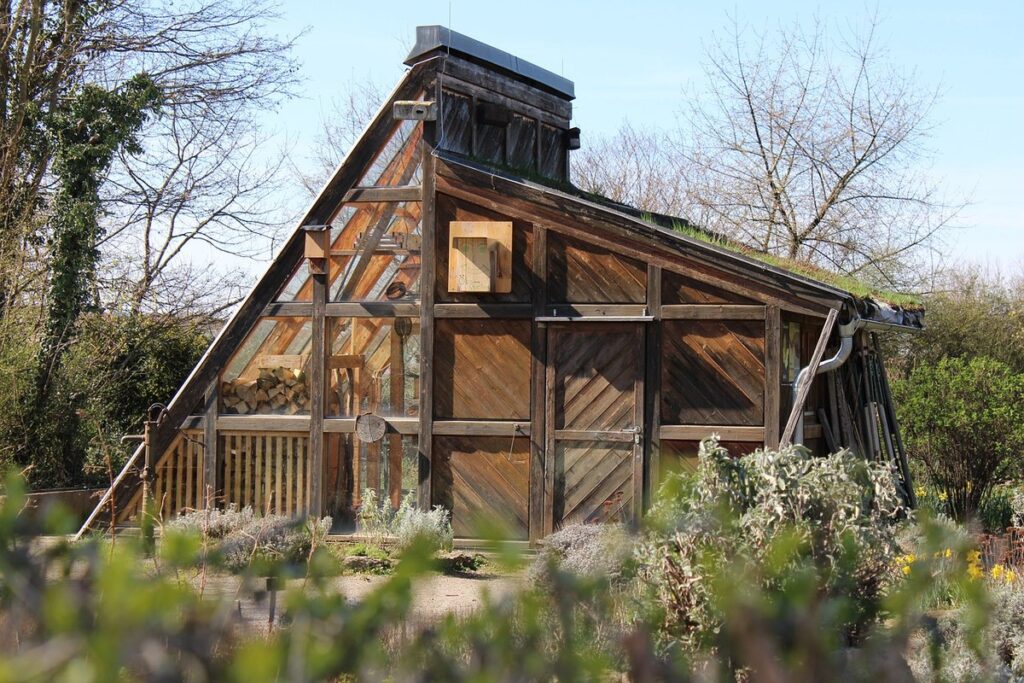
Understanding the Concept of a Greenhouse with Sloped Roof
When building a greenhouse, it’s essential to understand how a sloping roof provides additional benefits beyond just protection from rain and snow. This section will break down its key advantages for your growing space.
What is a Greenhouse with Sloped Roof?
A greenhouse with a sloped roof is a unique structure that combines the benefits of traditional greenhouses with modern design elements. At first glance, it may seem like just another type of greenhouse, but its distinctive feature sets it apart from others: the sloping roof.
The sloped roof allows for more even distribution of sunlight throughout the day, reducing hot spots and promoting healthy plant growth. This is particularly beneficial in areas with high sun exposure or during peak summer months when temperatures can soar inside a traditional greenhouse. The slope also enables rainwater to run off quickly, minimizing water accumulation and potential damage to plants.
In terms of design, greenhouses with sloped roofs often feature a more curved or angled profile than their flat-roofed counterparts. This can add visual interest to the structure while also providing a sense of cohesion with surrounding architecture. Homeowners can choose from various roofing materials, including polycarbonate panels, glass, or even metal. By selecting the right material and design for your climate and needs, you can create an efficient, eco-friendly space that maximizes plant growth and reduces energy consumption.
Benefits of Using a Sloping Roof in a Greenhouse
A sloping roof is not just aesthetically pleasing; it also offers numerous benefits for greenhouse structures. One of the primary advantages is improved water runoff and snow shedding. When the roof slopes, water and snow are easily directed off the surface, preventing accumulation that could put pressure on the structure or block sunlight.
This design choice also enhances climate control within the greenhouse. A sloping roof allows for better ventilation, as warm air rises and escapes through the higher slope, making way for cooler air to enter through the lower sections. This creates a natural convection cycle that maintains optimal temperature conditions inside the greenhouse.
For crop growth, a sloped roof provides even light distribution across all surfaces. Instead of relying on artificial lighting, which can be expensive, you can make the most of natural sunlight by incorporating skylights or clerestory windows above the slope. This also reduces energy consumption and enhances overall sustainability. By utilizing these beneficial features, greenhouse owners can create a more efficient and thriving environment for their crops to grow in.
Design Considerations for a Greenhouse with Sloped Roof
When designing a greenhouse with a sloped roof, there are several key considerations to keep in mind to ensure optimal sunlight and drainage. Let’s explore these essential design elements together.
Choosing the Right Materials for Your Sloped Roof
When it comes to choosing the right materials for your sloped roof greenhouse, you have several options to consider. One popular choice is PVC (polyvinyl chloride), a cost-effective and durable option that’s resistant to UV rays and extreme temperatures. However, PVC can be prone to scratches and may not provide the same level of light transmission as other materials.
Polycarbonate panels are another common choice for greenhouse roofs. They offer excellent impact resistance and are often used in conjunction with other materials, such as glass or acrylic. Polycarbonate panels come in different types, including corrugated and flat sheets, which can be installed on-site or pre-assembled.
Glass is a premium option that allows for maximum light transmission, but it’s also the most expensive material. Acrylic panels are another alternative, offering high transparency and impact resistance at a lower cost than glass. When selecting materials, consider factors such as budget, climate, and desired level of insulation. It’s essential to choose materials that can withstand local weather conditions and provide adequate ventilation for your plants.
It’s also worth noting that some materials are more suitable for cold climates, while others perform better in warmer regions. For instance, polycarbonate panels may be a better choice for areas with high winds or extreme temperatures. Ultimately, the right material will depend on your specific needs and preferences.
Factors to Consider When Selecting the Pitch Angle
When selecting the ideal pitch angle for your greenhouse with a sloped roof, several factors come into play. Climate is one of the primary considerations. In regions with high winds or heavy snowfall, a steeper pitch (around 30-40 degrees) can help shed excess weight and reduce the risk of structural damage. On the other hand, in areas with mild winters, a shallower pitch (20-25 degrees) may be sufficient.
Space constraints should also influence your decision. If you have limited area available for your greenhouse, a steeper pitch can help maximize space usage by reducing the overall footprint. However, if aesthetics are a concern, a shallower pitch can create a more visually appealing roofline.
Ultimately, the ideal pitch angle will depend on your specific needs and preferences. Consider consulting with local builders or architects to determine the most suitable pitch for your climate and site conditions.
Construction and Installation Process for a Greenhouse with Sloped Roof
Understanding how to construct and install your greenhouse with a sloped roof is crucial for its overall functionality and longevity as a growing space. In this section, we’ll guide you through each step of the process.
Preparing the Site: Foundation Work and Base Preparation
Preparing the site for your greenhouse with a sloped roof is a crucial step that requires careful planning and execution. Before laying the foundation, ensure the land is levelled to prevent uneven settlement, which can compromise the structural integrity of the building. If necessary, hire a professional to rectify any significant slope issues.
Next, mark out the area where your greenhouse will sit using stakes and twine. This will give you a clear visual representation of the space required for your structure. Take into account any pipes, cables, or other underground services that may need to be relocated or rerouted.
Clear the site of any debris, vegetation, or obstructions. Remove topsoil to a depth of about 12 inches and transport it elsewhere on your property to reuse as backfill material later. Then, excavate a trench for the foundation walls, taking care not to damage any surrounding structures or pipes during this process.
Frame Assembly and Roof Attachment
Assembling the frame of your greenhouse with a sloping roof is a crucial step that requires attention to detail. Start by ensuring all the frame components are labeled and matched correctly. This includes the corner posts, rafters, purlins, and ridge beam. Begin by attaching the corner posts to the foundation, making sure they’re level and securely fastened.
Next, install the rafter brackets onto the corner posts, followed by the rafters themselves. Use a level and measuring tape to ensure each rafter is properly aligned and spaced evenly apart. Once the frame is assembled, attach the purlins between the rafters, providing additional support for the roof structure.
To secure the sloping roof in place, use a combination of roofing felt, underlayment, and shingles or corrugated metal sheets. Begin by laying down the underlayment material, followed by the roofing felt, and finally the chosen roofing material. Ensure all edges are properly sealed to prevent water infiltration. With careful attention to detail and the right tools, you’ll have a sturdy greenhouse frame with a watertight roof in no time.
Climate Control and Ventilation Systems for Greenhouses with Sloped Roofs
When it comes to regulating temperature and air quality within your sloping-roofed greenhouse, climate control and ventilation systems are crucial components to consider in your design. Let’s explore how to choose and install effective systems for optimal growth.
Importance of Proper Ventilation in Greenhouse Design
Proper ventilation is crucial for maintaining optimal growing conditions within a greenhouse with a sloped roof. It plays a significant role in regulating temperature, ensuring crop health, and enhancing energy efficiency.
Inadequate ventilation can lead to overheating during summer months, causing stress to plants and potentially resulting in reduced yields or even plant death. Conversely, proper ventilation allows for the exchange of stale air for fresh oxygen-rich air, which aids in maintaining a healthy environment for crops.
The temperature regulation aspect is equally important, as it helps maintain an optimal range for plant growth. With a greenhouse having a sloped roof, it’s essential to consider wind direction and ensure that vents are strategically placed to maximize airflow while preventing excessive cooling or heating.
Incorporating energy-efficient ventilation systems can also contribute significantly to reducing operational costs and minimizing environmental impact. Consider using automated vent openers, which can be programmed to operate in sync with temperature fluctuations, ensuring that the greenhouse is well-ventilated during periods of high temperature without compromising on crop health.
Cooling and Heating Solutions for a Greenhouse with Sloped Roof
When it comes to maintaining a stable internal climate within your greenhouse with a sloped roof, selecting the right cooling and heating solutions is crucial. One popular method for regulating temperature fluctuations is through fans. Strategically placing high-velocity fans can help circulate air and improve ventilation, reducing the need for mechanical cooling systems. However, in regions with extremely hot or cold climates, supplementary measures may be necessary.
For example, evaporative coolers can provide an efficient and cost-effective solution for cooling greenhouses during scorching summers. By drawing outside air through wet pads and dispersing it throughout the structure, these systems minimize heat gain while also increasing humidity levels, which benefits plant growth.
Another option to consider is radiant floor heating systems. These involve circulating warm water or electric heat mats through the greenhouse floor, providing even warmth that encourages healthy root development in plants. By distributing heat evenly across the growing area, you can create an optimal environment for your crops without overheating the structure’s occupants.
Budgeting and Maintenance Considerations for a Greenhouse with Sloped Roof
When building a greenhouse with a sloped roof, it’s essential to consider budgeting for materials that can withstand varying weather conditions, as well as regular maintenance costs. We’ll break down these expenses and tips below.
Estimating the Initial Investment for Your Greenhouse Project
When it comes to estimating the initial investment for your greenhouse project with a sloped roof, there are several costs to consider. Firstly, you’ll need to calculate the materials required for the frame, glazing, and roofing. The cost of high-quality glass or polycarbonate panels can range from $20 to $50 per square foot, depending on the type and thickness.
Labor costs will also contribute significantly to your overall budget. Hiring a professional contractor with experience in greenhouse construction can add up to 30% to your total expenses. Additionally, you’ll need to factor in equipment costs such as irrigation systems, heating or cooling units, and electrical connections. As a rough estimate, you can expect to pay an additional $5,000 to $10,000 for these essentials.
To give you a better idea of the overall investment, here’s a breakdown of estimated costs: a small greenhouse with a sloped roof (around 100 square feet) might cost between $30,000 and $60,000. For a larger structure (400-600 square feet), the initial investment can range from $120,000 to $250,000 or more, depending on your specific needs and choices.
Long-term Maintenance and Repair Needs for a Sloped Roof Greenhouse
When it comes to budgeting for a greenhouse with a sloped roof, one crucial aspect to consider is long-term maintenance and repair needs. It’s essential to plan ahead for ongoing expenses that will arise over the years. Regular inspections should be performed annually or bi-annually to identify potential issues before they become major problems.
When it comes to replacement parts, factor in costs for gutters, downspouts, and flashing, as these components may need to be replaced every 10 to 15 years due to wear and tear. It’s also crucial to budget for periodic roof cleaning, as debris accumulation can lead to water damage and other issues.
In addition to regular maintenance and replacement parts, it’s essential to set aside funds for unexpected repairs that may arise. A good rule of thumb is to allocate 1-3% of the initial greenhouse cost annually for ongoing expenses. For example, if your greenhouse costs $10,000 to install, budget at least $100-$300 per year for maintenance and repair needs.
By factoring in these long-term costs upfront, you can ensure that your greenhouse remains a safe and efficient space for years to come.
Frequently Asked Questions
How do I determine the ideal pitch angle for my greenhouse with a sloped roof?
The ideal pitch angle depends on your location’s climate, wind direction, and available sunlight. Consider consulting local building codes or expert advice to ensure you choose an optimal angle that balances structure integrity with energy efficiency.
Can I use traditional roofing materials for a sloping roof greenhouse?
Yes, many types of roofing materials can be used for sloping roofs, such as asphalt shingles, corrugated metal, or translucent panels. However, consider factors like durability, maintenance needs, and water runoff when selecting the best material for your project.
How will I control temperature fluctuations in my greenhouse with a sloped roof?
Incorporate features like insulation, shading devices, and climate control systems to regulate temperature extremes. Consider installing sensors to monitor internal temperatures and adjust ventilation or heating/cooling solutions accordingly.
Will I need special permits or zoning variances for a sloping roof greenhouse?
Check local regulations regarding unique architectural designs, including greenhouses with sloped roofs. You may need permits or adjustments to ensure compliance with building codes and zoning ordinances in your area.
How can I mitigate water runoff issues caused by the sloping design?
Designate areas for water collection and incorporate adequate drainage systems to direct excess water away from the structure’s foundation. This will prevent potential damage and ensure a stable base for your greenhouse.