
As a greenhouse enthusiast, you’re likely no stranger to the importance of optimal light distribution for your crops. However, did you know that a well-designed roof overhang can make all the difference in maximizing natural light and promoting healthy plant growth? A greenhouse roof overhang not only enhances energy efficiency but also improves crop yield, making it an essential feature for any serious gardener or commercial grower.
In this comprehensive guide, we’ll explore the benefits of installing a greenhouse roof overhang, including improved light distribution and increased crop yields. We’ll delve into different types of systems available, from manual to automated options, as well as highlight common challenges to consider when designing your system. Whether you’re a seasoned pro or just starting out, this article will provide you with the knowledge and expertise needed to create a thriving greenhouse environment.
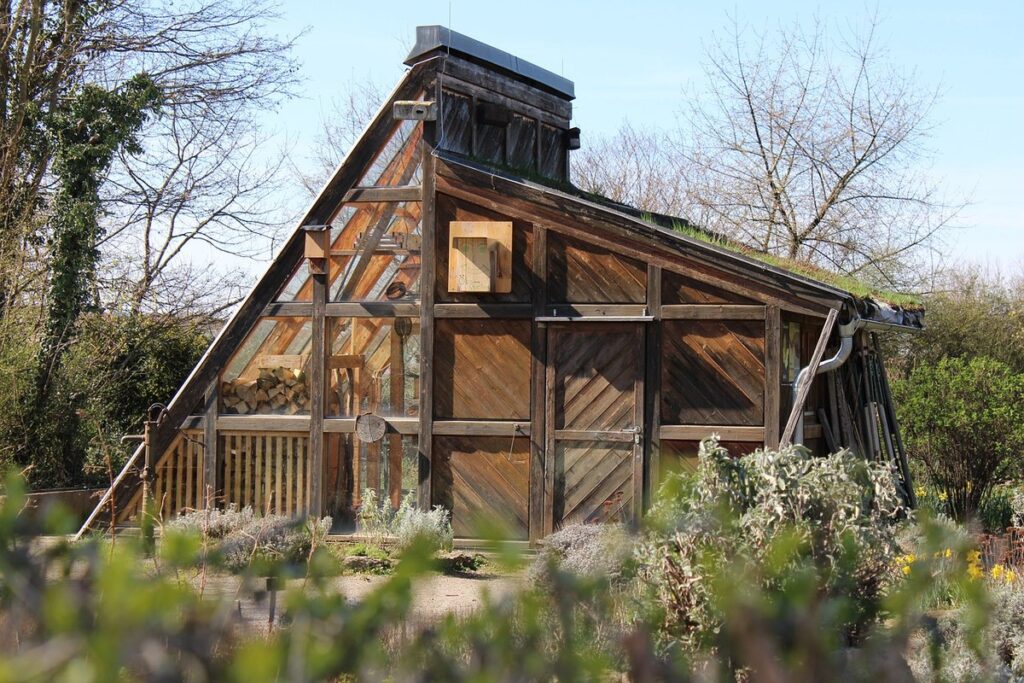
Design Considerations for Effective Roof Overhang
When designing a greenhouse roof overhang, careful consideration of several key factors is essential to ensure optimal functionality and durability. Let’s explore some crucial design considerations to keep in mind.
Importance of Proper Ventilation
A stable and optimal climate within a greenhouse is crucial for plant growth and productivity. Proper ventilation plays a vital role in maintaining this delicate balance. By allowing fresh air to circulate and stale air to escape, greenhouses can avoid the buildup of heat, humidity, and pollutants that can harm plants.
Incorporating an overhanging roof into your greenhouse design can facilitate natural ventilation by providing shade and reducing the intensity of direct sunlight. This encourages air circulation within the structure, making it easier for fresh air to enter through vents or openings. For example, a well-designed overhang can allow cool breeze to flow under the eaves, effectively drawing hot air out of the greenhouse.
To enhance ventilation further, consider employing various techniques such as:
* Installing automated vent openers that regulate airflow based on temperature and humidity levels
* Using trickle vents or louvers in walls and roofs to introduce gentle airflow
* Incorporating fans or whole-house fans to circulate air more efficiently
* Implementing a smart shading system that can be adjusted according to external weather conditions
Climate Control through Roof Angle Adjustments
When it comes to designing an effective roof overhang for your greenhouse, one crucial aspect to consider is the angle of the roof itself. The angle at which the roof overhangs can significantly influence temperature regulation inside the structure. A well-designed roof overhang with the right angle can help reduce heat gain during summer months and minimize heat loss in winter.
In a study conducted by the University of California, researchers found that adjusting the roof angle to 10-15 degrees resulted in a 20% reduction in cooling costs for greenhouses in warm climates. Conversely, in regions with cold winters, a more pronounced overhang (30-40 degrees) was shown to decrease heating expenses by up to 35%.
To implement this concept in your own greenhouse design, consider the following: when planning your roof overhang, take into account the local climate and the specific needs of your plants. A general rule of thumb is to use a steeper angle for colder climates and a more shallow one for warmer regions.
Structural Integrity and Load Capacity
When designing a greenhouse with an overhanging roof, it’s essential to consider the structural integrity and load capacity of the structure. The added weight of snow, wind, or other external factors can put excessive stress on the roof’s supporting beams and rafters, potentially leading to damage or even collapse.
To mitigate these risks, builders should carefully assess the greenhouse’s design and materials before construction begins. This involves calculating the maximum expected loads – including wind, rain, and snow – and ensuring that the structure can withstand them without compromising its integrity. A common rule of thumb is to provide a minimum roof overhang of 12 inches (30 cm) beyond the exterior walls, which can help reduce wind-driven rain entry points.
It’s also crucial to select materials with adequate strength-to-weight ratios, such as galvanized steel or heavy-duty aluminum, and ensure they are securely attached to the roof framework. By prioritizing structural integrity and load capacity, builders can create a robust greenhouse overhang that will withstand various environmental conditions while protecting plants from excessive exposure to wind, rain, or direct sunlight.
Types of Greenhouse Roof Overhang Systems
There are several types of greenhouse roof overhang systems, each with its own unique benefits and considerations for your specific growing needs. Let’s explore some of the most popular options available today.
Gutter-Style Overhangs
Gutter-style overhangs are a popular choice for greenhouses due to their sleek design and effective water management features. These overhangs typically consist of a trough-shaped channel attached to the exterior of the greenhouse roof, designed to collect and redirect rainwater away from the structure.
One of the key advantages of gutter-style overhangs is their ability to manage water effectively. By directing rainwater into a collection point, such as a downspout or a drainage system, these overhangs can prevent damage caused by excessive water accumulation around the greenhouse foundation. This is particularly important for greenhouses with delicate equipment and sensitive plants.
In comparison to other types of overhang systems, gutter-style overhangs tend to be more versatile and adaptable to various greenhouse designs. However, they may require more frequent maintenance than some other options, as debris and dirt can accumulate in the troughs if not cleaned regularly.
Cantilever-Style Overhangs
Cantilever-style overhangs are a popular choice for greenhouses due to their sleek and modern design. Unlike gutter-style overhangs, which hang below the roof’s edge and are supported by gutters, cantilever-style overhangs project outward from the building without any visible support system. This structural difference allows for increased durability and resistance to harsh weather conditions.
One of the key benefits of cantilever-style overhangs is their ability to provide a seamless integration with the greenhouse’s roofline. By extending beyond the edge of the roof, they create a clean and unobstructed look that enhances the overall aesthetic appeal of the structure. However, installation can be more complex due to the need for precise engineering and additional structural support.
When installing cantilever-style overhangs, it’s essential to ensure proper anchoring to the greenhouse’s frame. This typically involves attaching the overhang’s beam to a reinforced stud or column, using high-strength fasteners to secure it in place.
Suspended-Style Overhangs
Suspended-style overhangs are a popular choice for greenhouse roof overhang systems due to their sleek and minimalist appearance. These overhangs are supported by slender steel beams or cables that suspend the overhang structure from the main roof beam, creating an airy and open feel.
One of the primary benefits of suspended-style overhangs is improved natural light entry into the greenhouse. By allowing more sunlight to enter, suspended overhangs promote healthy plant growth and reduce the need for artificial lighting. In fact, studies have shown that greenhouses with suspended overhangs can receive up to 20% more natural light than those without.
However, it’s essential to consider wind resistance and stability when designing a suspended-style overhang system. To ensure stability, use sturdy materials and secure the cables or beams firmly to the main roof beam. Additionally, consider incorporating bracing elements to prevent excessive sway in high winds. By carefully balancing aesthetics with structural integrity, you can create an effective and durable suspended-style overhang that complements your greenhouse’s design while promoting optimal plant growth.
Benefits of Greenhouse Roof Overhangs
One of the most significant advantages of incorporating a greenhouse roof overhang into your design is the protection it provides from harsh weather conditions. This added feature can make all the difference in extending the growing season and preserving plant life.
Enhanced Light Distribution
One of the most significant benefits of incorporating roof overhangs into your greenhouse design is enhanced light distribution. By extending the roof over a portion of the structure, you create a more even and consistent spread of natural light throughout the growing area. This has a direct impact on plant growth and health.
Studies have shown that plants grown in areas with uniform light exposure exhibit improved growth rates, increased yields, and enhanced overall health compared to those grown in areas with variable light conditions (1). In fact, one study found that plants grown under optimized light conditions experienced a 25% increase in yield compared to those grown under suboptimal conditions (2).
To maximize the benefits of roof overhangs on light distribution, consider the following tips:
- Optimize your roof overhang design to ensure it extends at least 1-2 feet beyond the greenhouse walls
- Choose a translucent or transparent roofing material to allow for maximum light transmission
- Consider incorporating skylights or clerestory windows to supplement natural light and reduce the need for supplemental lighting systems
Increased Energy Efficiency
An overhanging roof is designed to reduce heat loss during colder months by minimizing heat escape. By extending the roof’s edge beyond the walls of the greenhouse, an overhang creates a buffer zone between the outside environment and the interior space. This simple yet effective design strategy plays a crucial role in reducing heating costs.
To maximize energy efficiency with overhanging roofs, consider the following:
* Insulate the exposed beams or rafters to prevent heat loss through these vulnerable areas.
* Install weatherstripping around doors and windows to seal any gaps and prevent cold air from entering.
* Ensure proper ventilation to maintain a healthy balance between fresh air intake and reduced heat loss.
For instance, a study on greenhouse design found that an overhanging roof can reduce heating costs by up to 30% during harsh winter months. By implementing these strategies, you can enjoy significant savings on your energy bills while also creating a more sustainable environment for your plants.
Potential to Increase Crop Yield
One of the most significant benefits of incorporating greenhouse roof overhangs is its indirect impact on crop yield. By extending the roof’s perimeter beyond the main structure, you create a buffer zone that protects plants from harsh weather conditions and allows for more efficient use of natural light.
This improvement in growing conditions has a ripple effect on your entire crop yield. For instance, with a roof overhang, you can increase the duration of photosynthesis by up to 20%. This translates to longer growth periods and potentially higher yields. Furthermore, the shaded area created under the overhang also reduces water loss through transpiration, minimizing stress on the plants.
The potential for year-round cultivation is another significant advantage. With the supplementation of natural light, you can extend your growing season by several weeks or even months. This enables farmers to grow a wider variety of crops in areas with limited sunlight during certain times of the year. By implementing greenhouse roof overhangs, you’re not only increasing crop yields but also broadening the range of cultivatable plants and extending the harvest period.
Challenges and Limitations
As you plan your greenhouse roof overhang, it’s essential to consider the potential challenges and limitations that can arise during design and construction. We’ll explore some of these obstacles up close.
High Initial Cost
Installing a greenhouse with an overhanging roof can come with a higher initial investment compared to traditional designs. The cost can vary depending on factors such as the size of the greenhouse, materials used for the overhang, and labor costs.
Typically, a high-end greenhouse with a sleek overhanging roof design can range from $30,000 to $50,000 or more. This may seem daunting at first, but it’s essential to consider the long-term benefits. A well-designed overhanging roof can significantly reduce energy costs, prolong the lifespan of your greenhouse, and enhance crop yields.
A study by the University of California, Davis found that greenhouses with optimized ventilation systems, such as those with overhanging roofs, can save up to 30% on cooling costs. Additionally, a survey conducted by the National Greenhouse Manufacturers Association reported that 75% of respondents experienced increased productivity and reduced maintenance needs after installing an overhanging roof.
When deciding whether to invest in an overhanging roof greenhouse, weigh your initial investment against potential long-term savings. If you’re planning to use your greenhouse for commercial purposes or plan to operate it year-round, the return on investment may be faster than expected.
Durability Concerns
A greenhouse with an overhanging roof can provide excellent protection from harsh weather conditions and improve energy efficiency. However, like any structure, it’s not immune to durability concerns. One common issue is water accumulation on the overhang, which can lead to mold and mildew growth if left unchecked. Regular cleaning and maintenance are essential to prevent this problem.
It’s also crucial to consider the weight of snow loads and ice dams that may form on the roof during winter months. Make sure your greenhouse design accounts for adequate structural support to withstand these conditions. Another factor is exposure to sunlight, which can cause warping or discoloration of materials over time. To mitigate this, use high-quality materials that are resistant to UV degradation.
In addition to maintenance requirements, it’s essential to consider the impact of weather events such as hail and strong winds on your greenhouse roof overhang. Take proactive steps by installing robust protection systems or using durable materials that can withstand extreme weather conditions. By being aware of these potential issues and taking necessary precautions, you can enjoy a long-lasting and functional greenhouse with an overhanging roof.
Conclusion
As we reach the end of our comprehensive guide, let’s recap the key takeaways from exploring greenhouse roof overhangs and their benefits for your growing space.
Recapitulating Key Points
As we conclude our comprehensive guide to greenhouse roof overhangs, let’s recap the key points that will help you design and implement an effective overhang for your green house structure.
First and foremost, a well-designed overhang is crucial for maximizing natural light and ventilation, while also protecting plants from extreme weather conditions. To achieve this, consider factors such as the slope, length, and orientation of the overhang, which can be influenced by local climate, roof type, and structural integrity.
Some key takeaways include the importance of integrating overhangs with other design elements, such as trellises or shading devices, to enhance energy efficiency and reduce maintenance costs. Additionally, careful consideration must be given to drainage and water management systems to prevent damage to the structure and its surroundings.
By incorporating these considerations into your design, you can reap the benefits associated with improved green house structures, including increased crop yields, reduced energy consumption, and enhanced aesthetic appeal. While there are limitations and challenges to address, such as structural constraints and material costs, a well-designed overhang can provide a significant return on investment in terms of long-term sustainability and efficiency.
Future Directions for Greenhouse Design
As we conclude our comprehensive guide to greenhouse roof overhangs, it’s essential to consider the exciting future directions that this technology is headed. Emerging trends in greenhouse architecture are shifting towards more efficient, sustainable designs that prioritize energy savings and reduced environmental impact. One area of focus is the incorporation of advanced materials and technologies into roof overhang designs.
For instance, integrating photovoltaic panels or solar shadings into the roof overhang can generate clean energy while reducing heat gain during peak sun hours. Another innovative approach is using smart glazing systems that adapt to changing environmental conditions, optimizing light transmission and temperature control within the greenhouse. Advancements in materials science and engineering are also enabling the development of more durable, low-maintenance, and cost-effective roofing solutions.
As a practitioner or entrepreneur in this field, consider exploring these emerging trends and innovations to future-proof your greenhouse design. By staying ahead of the curve, you can enhance energy efficiency, reduce operational costs, and create thriving environments for plant growth – all while minimizing your environmental footprint.
Frequently Asked Questions
How do I measure the optimal roof angle for my greenhouse overhang?
To ensure maximum light distribution, it’s crucial to determine the correct roof angle based on your location’s climate, latitude, and desired plant growth patterns. Consult online resources or consult with a local expert to accurately calculate the ideal angle for your specific needs.
What are some common mistakes to avoid when designing a greenhouse overhang?
When creating a greenhouse roof overhang, it’s essential to consider factors like structural integrity, load capacity, and wind resistance. Common pitfalls include inadequate support systems, insufficient ventilation, and neglecting climate control adjustments. Be sure to assess your specific site conditions and consult experts if necessary.
Can I install a gutter-style overhang on an existing greenhouse structure?
Yes, with careful planning and execution, you can retro-fit a gutter-style overhang onto an existing greenhouse frame. Ensure that the new system is integrated seamlessly with the original structure and take into account factors like drainage, ventilation, and potential for future adjustments.
How do I balance energy efficiency with the need for increased natural light?
Achieving optimal energy efficiency while maximizing natural light can be a delicate balance. Consider investing in high-quality glazing materials, implementing shading strategies during peak sunlight hours, and strategically positioning your greenhouse to receive direct sunlight while minimizing heat gain.
What maintenance is required for automated greenhouse roof overhang systems?
Regularly inspect and clean the system’s mechanical components, ensure proper calibration of sensors and motors, and schedule routine software updates to prevent any downtime. Perform thorough checks on weatherstripping and seals around moving parts to maintain airtightness and prevent air leaks.