
As you consider starting your own garden, setting up a raised bed is an excellent way to get started. Not only do raised beds provide a level surface for planting, but they also offer better drainage and warmer soil temperatures than traditional in-ground gardens. However, if you’re new to gardening, it can be overwhelming to know where to begin.
Don’t worry – with this step-by-step guide, we’ll walk you through everything you need to set up and maintain a thriving raised bed garden. We’ll cover the benefits of raised beds, how to select the perfect location for your garden, building your frame, preparing the soil, and even what plants are best suited for raised bed gardening. Whether you’re a seasoned gardener or just starting out, this article will provide you with the knowledge you need to overcome common issues and enjoy a bountiful harvest from your very own raised bed garden.
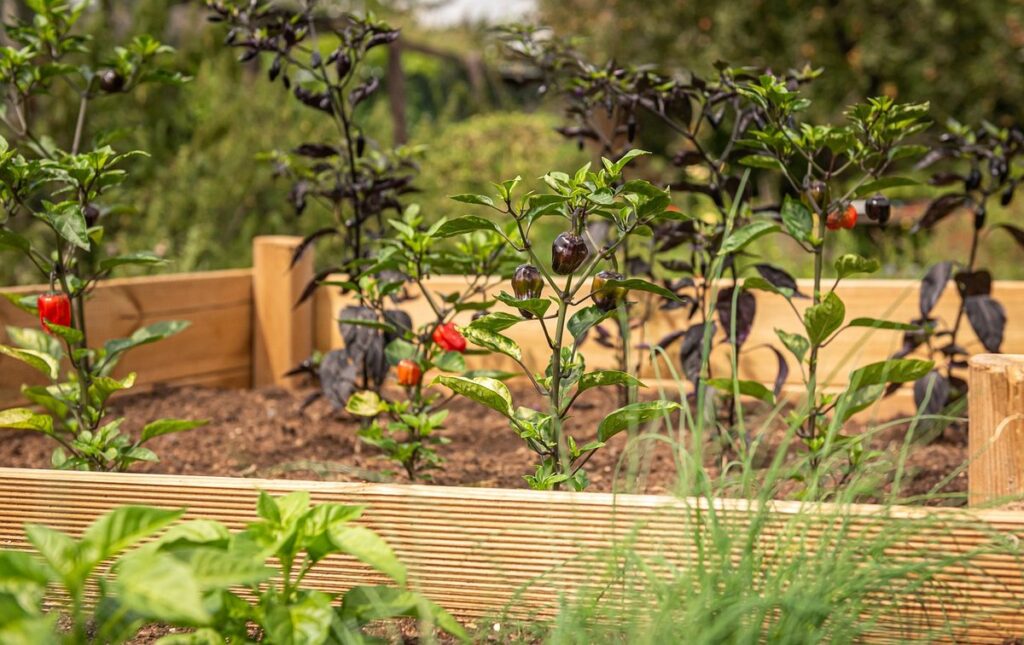
Benefits of Raised Beds
As you consider building a raised bed, it’s essential to weigh the advantages that come with this gardening setup. Let’s explore the benefits of raised beds and how they can enhance your growing experience.
Increased Accessibility
Raised beds are a game-changer for gardeners with mobility issues or physical limitations. By elevating the soil to a comfortable height, you can enjoy gardening without putting excessive strain on your joints. This is especially beneficial for those who experience pain or discomfort when bending or kneeling.
With raised beds, you can easily access your plants and tools without having to crouch down or climb up and down ladders. This reduced strain can be a lifesaver for gardeners with arthritis, back problems, or other mobility issues. Plus, raised beds allow you to work in comfort while seated, which is perfect for those who need to take regular breaks.
To make the most of your raised bed’s accessibility features, consider adding a wide path around the bed for easy navigation. You can also use a raised bed with built-in seating or a nearby bench to give yourself a break whenever needed. By incorporating these design elements, you’ll be able to enjoy gardening without sacrificing your physical comfort.
Improved Drainage and Soil Quality
When it comes to raised bed setup, improved drainage and soil quality are two of its most significant advantages. In traditional in-ground gardening, water can often accumulate in low-lying areas, causing roots to rot and plants to suffer from root diseases. Raised beds, on the other hand, allow for better air circulation and drainage due to their elevated design.
This is especially important because it prevents the soil from becoming waterlogged, which can lead to the growth of anaerobic bacteria that thrive in low-oxygen environments. By improving drainage, raised beds reduce the risk of root rot and other diseases that are common in traditional gardens. Moreover, the structure of a raised bed allows for easier access to the entire growing area, making it simpler to monitor soil conditions and take corrective action.
To further improve soil quality in your raised bed, consider adding organic matter like compost or manure tea. These natural amendments will help to break up compacted soil, increase its water-holding capacity, and provide essential nutrients for healthy plant growth.
Enhanced Aesthetics
One of the most significant advantages of raised beds is their ability to elevate the overall aesthetic appeal of your garden or yard. The raised design not only provides better accessibility but also adds a touch of elegance and sophistication to your outdoor space. This elevated look can be particularly beneficial for small gardens, patios, or courtyards where vertical gardening can help create a sense of drama.
You can further enhance the appearance of your raised bed by incorporating decorative options such as lattice tops, trellises, or arbors. These features not only provide structural support but also add visual interest and texture to your garden. For instance, you could train climbing plants like peas or beans to grow up a trellis, creating a lush canopy that adds depth and dimension to the space.
When choosing decorative options for your raised bed, consider factors such as durability, maintenance requirements, and compatibility with the surrounding landscape design. By carefully selecting these elements, you can create a visually appealing raised bed that not only enhances the appearance of your garden but also serves as a functional growing space.
Choosing the Right Location for Your Raised Bed
When it comes to building a successful raised bed, choosing the right location is crucial. Consider factors such as sunlight, drainage, and accessibility in your yard.
Selecting a Sunny Spot
When selecting a location for your raised bed, one of the most crucial factors to consider is sunlight. Different plants require varying amounts of sunlight to grow and thrive, so it’s essential to choose a spot that receives sufficient sunlight.
Consider the type of plants you’ll be growing. For example, vegetables like tomatoes, peppers, and eggplants require full sun (at least 6 hours of direct sunlight) to produce well. On the other hand, herbs like basil and mint can tolerate partial shade (4-6 hours of indirect sunlight). Leafy greens like lettuce and spinach prefer partial shade to prevent bolting.
To determine if your location receives sufficient sunlight, observe the area during different times of day. Note which areas receive direct sunlight for most of the day and which are shaded by trees or other obstructions. If possible, position your raised bed in a south-facing spot, as this will receive the most direct sunlight throughout the day.
Keep in mind that even if you’re not growing sun-loving plants, some indirect sunlight can still be beneficial for overall plant health.
Considering Soil Conditions
When choosing a location for your raised bed, it’s essential to consider the soil conditions. This might seem like an obvious step, but it’s often overlooked by beginners. A quick assessment of the soil can save you from costly mistakes down the line.
Start by checking the drainage in the area. Is water pooling or draining quickly? If it’s slow-draining, you may need to add a layer of gravel or sand to improve drainage. You can also dig a shallow test hole to see how the soil behaves when moistened.
Next, consider the pH levels in your soil. Most vegetables prefer a slightly acidic to neutral soil pH (around 6-7). If your soil is too alkaline or acidic, you may need to add lime or sulfur to adjust the pH.
Finally, think about the nutrient content of your soil. Are there any signs of nutrient deficiencies, such as yellowing leaves or stunted growth? You can test for nutrient levels with a DIY kit or consult a local nursery expert for guidance.
Minimizing Shade from Nearby Structures
When choosing a location for your raised bed, it’s essential to consider the impact of nearby structures on its performance. One common challenge is shade from trees, buildings, or fences that can cast shadows over your garden bed. To minimize this effect, you’ll want to position your raised bed in an area that receives at least 6 hours of direct sunlight per day.
Consider the height and proximity of any structures that might be casting a shadow on your raised bed. For example, if there’s a tall fence or wall nearby, try to place your bed on the opposite side where it won’t be affected by the shadow. If you can’t avoid the shade altogether, choose varieties of plants that tolerate partial shade or indirect sunlight.
Some vegetables and herbs are more shade-tolerant than others. Leafy greens like lettuce, spinach, and kale do well in partial shade, while tomatoes, peppers, and cucumbers require full sun. Plan your crop rotation accordingly to ensure you’re making the most of your raised bed’s available light.
Building Your Raised Bed Frame
Let’s move on to building your raised bed frame, where we’ll walk you through measuring and preparing the necessary materials for a sturdy foundation.
Selecting Materials
When it comes to building your raised bed frame, selecting the right materials is crucial for its durability and longevity. You want to choose materials that can withstand the elements and last for years to come. The first step is to consider what type of material you’ll be using.
You have several options: wood, composite materials, and recycled plastic. Wood is a classic choice, but it requires regular maintenance to prevent rotting. Consider using durable hardwoods like cedar or redwood that are naturally resistant to rot and insects. Composite materials, made from a mix of wood fibers and plastic, offer excellent durability and resistance to moisture. They’re also low-maintenance and can withstand extreme temperatures.
Recycled plastic lumber is another eco-friendly option that’s increasingly popular. It’s durable, resistant to pests and decay, and requires minimal maintenance. When selecting materials, make sure to choose ones that are specifically designed for outdoor use and follow the manufacturer’s instructions for assembly and care. This will ensure your raised bed frame remains sturdy and functional for years to come.
Remember to also consider the cost, availability, and environmental impact of each material option. By choosing durable, rot-resistant materials, you’ll be able to enjoy a thriving garden in your raised bed without worrying about maintenance or replacement costs.
Measuring and Cutting Materials
When it comes to building a raised bed frame, measuring and cutting materials accurately is crucial for a precise fit and smooth construction process. To avoid costly mistakes and wasted time, take the following steps:
Measure Your Materials Carefully
Start by carefully measuring each piece of lumber against the plans or blueprints for your raised bed frame. Double-check that you have all the necessary pieces to avoid having to make multiple trips to the hardware store. It’s also essential to measure twice, cut once to ensure accuracy.
Use a Miter Saw or Circular Saw
Invest in a quality miter saw or circular saw that can help you make precise cuts quickly and safely. If you’re new to woodworking, consider starting with a circular saw, as it’s easier to use and requires less skill. Always follow safety guidelines when operating power tools.
Cut Your Materials Just Right
To avoid waste and ensure accurate joints, cut your materials just slightly over the required length. This will give you room for adjustments during assembly and prevent you from having to make additional cuts later on.
Assembling the Frame
Assembling the frame of your raised bed is a crucial step that requires attention to detail and a bit of patience. Before you start, ensure you have all the necessary tools and materials within reach. Begin by laying out the frame pieces on a flat surface, checking for any damage or defects.
To assemble the frame, follow these steps: First, attach the corner posts to the side frames using screws or nails. Make sure they are secure and evenly spaced. Next, add the bottom panel to the frame, ensuring it is flush with the top of the sides. Use weather-resistant wood glue to reinforce the joints.
To prevent the frame from shifting in the ground, drive stakes into the soil around the perimeter, about 12 inches deep. This will provide additional support and keep your raised bed stable over time. Finally, double-check all connections to ensure they are tight and secure.
Filling Your Raised Bed with Soil
Now that you’ve built your raised bed frame, it’s time to fill it with a nutrient-rich soil mix that will give your plants the best start in life. Let’s get started on preparing your soil!
Preparing the Site
Before you start filling your raised bed with soil, it’s essential to prepare the site. This step may seem minor, but it will make a huge difference in the long run. A well-prepared site ensures that your plants receive the right amount of water and nutrients.
To begin, choose a flat spot for your raised bed. Avoid areas with slopes or uneven terrain, as this can cause your bed to shift over time. Once you’ve selected the perfect location, clear the area of any debris, rocks, and weeds. Use a shovel or trowel to loosen the soil, making it easier to work with.
Next, level the ground using a spirit level or a long straightedge. This will ensure that your raised bed is perfectly flat, preventing water from pooling in one area. Finally, compact the soil using a hand tamper or a heavy object like a brick. This will help prevent settling and erosion over time. By following these simple steps, you’ll create a stable foundation for your raised bed, setting it up for success.
Mixing a Custom Blend of Compost and Topsoil
When creating a custom blend of compost and topsoil for your raised bed, you’re essentially crafting a tailor-made growing medium that caters to the specific needs of your plants. This blend will provide optimal structure, fertility, and water retention for healthy growth.
To mix a custom blend, start by combining 20-30% compost with 70-80% topsoil in a wheelbarrow or large container. You can adjust these ratios based on your soil’s pH level, nutrient content, and moisture retention needs. Compost adds beneficial microorganisms, organic matter, and essential nutrients that promote plant health.
Begin by adding the compost to the top layer of the mixture, followed by incremental layers of topsoil. Each layer should be gently tamped down using a rake or shovel to eliminate air pockets and ensure even compaction. As you mix, observe how the blend transforms into a rich, dark brown color with an earthy aroma – this is your ideal custom compost-topsoil blend.
For optimal results, incorporate 1-2 inches of finished compost at the bottom layer for easy access during future maintenance.
Filling and Leveling the Bed
When filling and leveling the bed with soil, it’s essential to ensure optimal drainage to prevent waterlogged soil and root rot. To achieve this, start by adding a 2-3 inch layer of coarse gravel or broken pottery at the bottom of the raised bed. This will allow excess water to drain freely, reducing the risk of flooding.
Next, fill the raised bed with a mix of topsoil, compost, and perlite or vermiculite for improved drainage. A general rule of thumb is to use 50% topsoil, 20% compost, and 30% perlite or vermiculite. Avoid using regular garden soil, as it can compact over time and reduce drainage.
As you fill the bed, check the level regularly and add more soil as needed. It’s also crucial to avoid overfilling, which can lead to settling and uneven growth. Instead, leave about 1-2 inches of space between the top of the soil and the edge of the raised bed for easy access and maintenance.
To prevent settling, compact the soil gently with your feet or a hand tamper after filling. This will help establish a stable foundation for healthy plant growth.
Planting in Your Raised Bed
Now that you’ve prepared your raised bed, it’s time to focus on planting. This section will walk you through how to successfully plant and establish a thriving garden in your new bed.
Selecting the Right Plants
When selecting plants for your raised bed, it’s essential to consider their growth habits, light requirements, and space constraints. Start by choosing varieties that are compact or dwarf, as they tend to thrive in the well-draining soil and full sun of a raised bed. For example, cherry tomatoes, lettuce, and herbs like basil and mint are great options.
Think about the mature size of each plant and how much space it will need to spread out. Leave enough room between plants for air circulation and easy access for maintenance. Consider the growth habit: sprawling plants like cucumbers or squash may require a trellis or cage, while upright plants like peppers or eggplants can be placed closer together.
Also, ensure that your chosen plants receive the right amount of light. Most vegetables and fruits need at least 6 hours of direct sunlight per day. Check the plant label or research online to confirm the specific lighting needs for each variety. By choosing plants carefully, you’ll set yourself up for success and enjoy a bountiful harvest from your raised bed.
Planting Techniques
When it comes to planting in your raised bed, there are several techniques you can use depending on the type of plants you’re working with. Seed starting is a great way to get a head start on the growing season for plants that take time to mature, such as tomatoes and peppers.
To seed start, simply place the seeds in a small container filled with potting soil and provide adequate light and water. Once they have 2-3 sets of leaves, you can transplant them into your raised bed. This method is especially useful for plants that require a long growing season or need to be started indoors due to weather conditions.
Direct sowing is another option for planting in your raised bed. For this method, simply sow the seeds directly into the soil and follow the package instructions for spacing and depth. This technique works well for annuals like marigolds and zinnias that can tolerate some crowding.
Transplanting is also a viable option if you’ve already started seedlings indoors or have purchased starter plants from a nursery. To transplant, dig a hole in your raised bed that’s slightly larger than the plant’s root ball, gently remove the plant from its container, and place it in the hole. Water thoroughly to settle the soil.
It’s essential to understand which planting technique works best for the specific type of plant you’re working with, as some plants require more care and attention than others.
Maintenance Tips
As you’ve completed setting up your raised bed, it’s time to focus on maintenance. Regular care will ensure a thriving and healthy garden. Watering is one of the most critical aspects, but it can be challenging to gauge when to water. A good rule of thumb is to check the soil moisture by inserting your finger into the soil up to the first knuckle. If the soil feels dry, it’s time for watering.
Fertilizing your raised bed should also become a regular habit. Use a balanced fertilizer (10-10-10) during the growing season to promote healthy growth and fruit production. You can also consider using compost or worm casting as a natural alternative. Don’t forget to fertilize your plants after harvesting, as this will help replenish nutrients taken out by the crop.
Controlling pests and diseases is another crucial aspect of maintenance. Keep an eye out for common issues such as aphids, slugs, and powdery mildew. Use physical barriers or neem oil to control pests, while fungal infections can be treated with a fungicide specifically designed for raised beds.
Troubleshooting Common Issues
We’ve all been there – a raised bed setup that just isn’t working out as planned. This is where troubleshooting comes in, and we’ll walk you through some common issues to look out for.
Addressing Pests and Diseases
As you tend to your raised bed garden, it’s not uncommon for pests and diseases to creep in, threatening to destroy your hard work. Knowing what signs to look out for and taking preventative measures can help you catch these issues early on. Common pests that affect raised beds include slugs, snails, aphids, and whiteflies. Check for holes in leaves or stems, sticky substance on plants (aphid honeydew), or actual insects on the foliage.
Diseases like powdery mildew, leaf spot, and root rot can also wreak havoc. Look for fuzzy patches or discoloration on leaves, water-soaked lesions on stems, or yellowing of leaves as signs of infection.
To prevent these issues, consider using physical barriers (e.g., copper tape around the bed’s edges to deter slugs), introducing beneficial insects (like ladybugs that eat aphids), and practicing crop rotation. Regular watering and pruning can also help reduce the risk of disease spread.
In case you do encounter an infestation or infection, don’t panic! Act quickly by removing affected plants, treating with organic pest control methods (e.g., neem oil for insects, baking soda to prevent powdery mildew), or applying fungicides as a last resort. Remember to always follow safety guidelines when handling chemicals and consider seeking advice from local gardening experts if you’re unsure about treatment options.
Managing Nutrient Deficiencies
When growing plants in raised beds, it’s not uncommon to encounter nutrient deficiencies. These can manifest as yellowing leaves, stunted growth, or poor fruit production. To address these issues, it’s essential to understand the underlying causes.
First, let’s identify some common symptoms of nutrient deficiencies:
• Yellowing leaves: This could indicate a lack of nitrogen, iron, or magnesium.
• Stunted growth: Phosphorus deficiency can lead to slow growth and stunted plants.
• Poor fruit production: Lack of potassium, calcium, or boron can affect plant productivity.
Causes of nutrient deficiencies often stem from poor soil quality, inadequate fertilization, or insufficient water. To rectify these issues:
• Conduct a soil test to determine nutrient levels.
• Use organic fertilizers like compost or manure to replenish nutrients.
• Adjust your watering schedule to prevent overwatering or underwatering.
• Add amendments like dolomitic limestone (for calcium and magnesium) or Epsom salt (for magnesium).
By understanding these causes and implementing corrective measures, you can ensure a thriving raised bed garden. Regular monitoring and adjustments will help maintain optimal nutrient levels for healthy plant growth.
Resolving Structural Issues
When building a raised bed, structural issues can arise due to settling, cracking, or warping. These problems often stem from inadequate preparation of the foundation, poor material selection, or insufficient drainage. To resolve these issues, inspect your raised bed for signs of damage or wear.
Check the base of the bed for any gaps or unevenness, which can cause it to settle or warp over time. Fill in any gaps with compacted gravel or sand to provide a stable foundation. If you notice cracks, apply a flexible sealant to prevent further damage and maintain structural integrity.
Additionally, ensure proper drainage by incorporating a layer of coarse aggregate, such as crushed stone or broken pottery, beneath the soil. This will help excess water escape and reduce pressure on the bed’s walls. Regularly inspect your raised bed for signs of settling or warping, and make adjustments as needed to prevent further damage.
Frequently Asked Questions
What is the ideal size for a raised bed, considering space constraints?
The ideal size of a raised bed depends on your available space and gardening goals. A minimum of 4 feet wide by 8 feet long is recommended to accommodate most garden beds. However, if you have limited space, consider a compact design like a 2×4 or even a narrow vertical bed. Keep in mind that larger beds provide better accessibility for maintenance.
Can I use recycled materials for my raised bed frame?
Yes, you can use recycled materials such as old pallets, reclaimed wood, or composite decking to build your raised bed frame. Just ensure the materials are durable and safe for gardening purposes. Also, consider the weight capacity of the frame and choose materials that will support the soil and plant load.
How often should I water my raised bed garden during hot summer months?
Raised beds dry out faster than traditional gardens due to their elevated design. To avoid overwatering or underwatering, check the soil moisture daily during hot summer months. Water your plants when the top 2-3 inches of soil feels dry to the touch. Avoid overhead watering to prevent washaway and erosion.
Can I grow vegetables in a raised bed with poor soil conditions?
While it’s possible to grow vegetables in poor soil, their yields may suffer significantly. Before planting, mix in a custom blend of compost and topsoil to improve the soil structure and fertility. If your soil is severely depleted or contaminated, consider using raised bed gardening as an opportunity to create a new, healthy growing environment.
How do I protect my raised bed from pests and diseases?
To minimize pest and disease issues, use physical barriers like row covers or fine mesh to keep insects away. Also, practice crop rotation and companion planting to disrupt pest cycles and promote beneficial relationships between plants. Regularly inspect your garden for signs of pests and diseases, and address any issues promptly with organic or integrated pest management methods.