
If you’re considering building a greenhouse, have you thought about giving your structure a unique twist? A slanted roof is more than just a design choice – it can bring in an abundance of natural light and create a visually appealing space that complements any garden or yard. By incorporating a slanted roof into your greenhouse design, you’ll not only improve the way sunlight filters in but also reduce structural requirements, making it easier to build and maintain.
In this article, we’ll delve into the advantages of greenhouses with slanted roofs, exploring how they can enhance natural light distribution, minimize building costs, and boost aesthetic appeal. We’ll also provide guidance on designing and building a successful slanted roof greenhouse that meets your specific needs and elevates your gardening experience. Whether you’re a seasoned gardener or just starting out, this article will give you the knowledge to create a functional and beautiful space for your plants to thrive in.
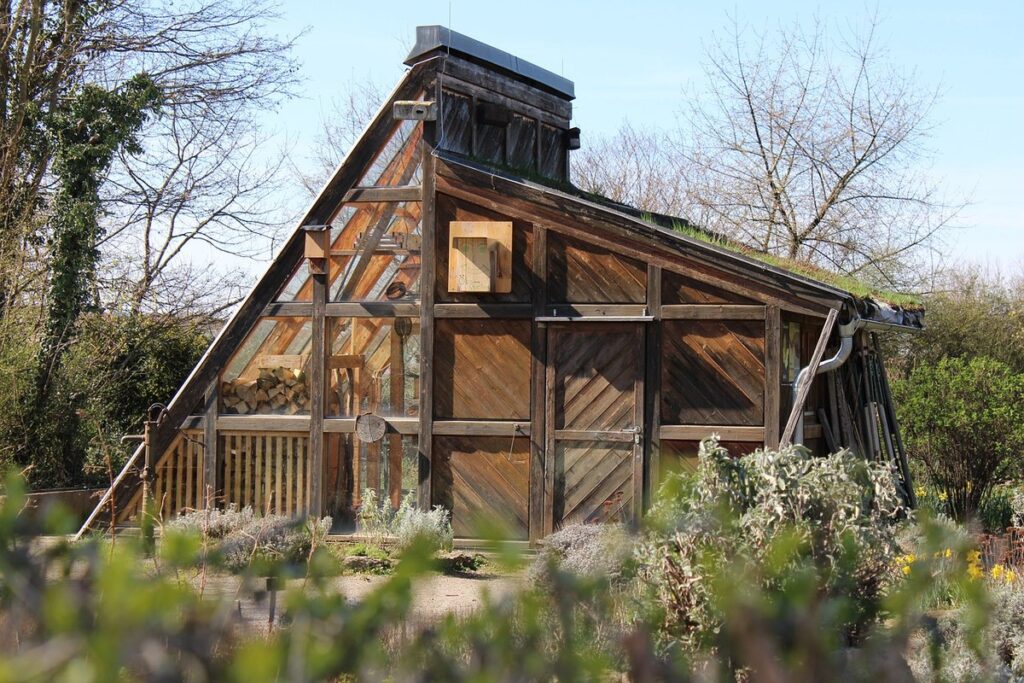
Introduction to Greenhouses
If you’re new to greenhouses, you’ll want to start here and learn the basics of what makes a greenhouse tick. We’ll cover the fundamentals of designing and building a greenhouse from scratch.
What are Greenhouses?
A greenhouse is essentially an indoor garden where plants are grown under controlled conditions. Its primary purpose is to create a warm and humid environment that simulates the ideal growing conditions for various plant species. Greenhouses can be designed to accommodate a wide range of plants, from tropical flowers to vegetables and even fruits.
Greenhouses come in different types, including cold frames, sun rooms, and glass houses, each serving distinct purposes and catering to specific climate conditions. However, one of the most versatile and popular designs is the traditional greenhouse with a flat roof. A slanted roof design offers an alternative solution that not only adds visual appeal but also provides several practical benefits.
For instance, a slanted roof allows snow and rainwater to easily slide off, reducing maintenance needs. Additionally, this design can make the most of natural light while minimizing heat loss during winter months. If you’re planning to build or renovate a greenhouse with a slanted roof, consider factors such as local building codes, climate conditions, and your specific plant requirements.
Advantages of Greenhouses with Slanted Roofs
A greenhouse with a slanted roof offers numerous benefits that can enhance your growing experience. One of the primary advantages is improved natural light distribution. The sloping design allows sunlight to enter the structure at an optimal angle, reducing the likelihood of hotspots and promoting even growth throughout the plants. This also minimizes the risk of scorching, which can be a common issue with traditional greenhouses.
Another benefit of a slanted roof greenhouse is reduced structural requirements. The design allows for more flexibility in terms of materials and construction, making it easier to build or modify your greenhouse. Additionally, the sloping shape provides excellent water run-off capabilities, reducing the risk of flooding and minimizing maintenance needs.
The aesthetic appeal of a slanted roof greenhouse is also noteworthy. The unique design creates a visually appealing structure that can blend seamlessly into various landscapes. With so many benefits, it’s no wonder why greenhouses with slanted roofs are becoming increasingly popular among gardeners and growers.
Design Considerations for Slanted Roof Greenhouses
When designing a greenhouse with a slanted roof, you’ll want to consider factors such as drainage and snow load capacity to ensure your structure remains stable. Proper planning can make all the difference in maintenance and longevity.
Understanding Pitch and Angle
When designing a slanted roof greenhouse, understanding pitch and angle is crucial to ensure optimal performance. The pitch refers to the steepness of the roof’s incline, while the angle determines its slope. A well-designed slant can provide excellent natural light distribution, reduce snow accumulation, and even help with rainwater runoff.
Typically, greenhouses have a pitch between 10° and 30°. For example, a common pitch for small to medium-sized greenhouses is around 15° to 20°, while larger structures may require steeper pitches of up to 25° or more. A steeper pitch can allow for better sunlight penetration, but it also increases the risk of water runoff and potential structural issues.
When selecting a pitch, consider your climate, available space, and desired functionality. If you live in an area with heavy snowfall, a steeper pitch may be necessary to shed snow effectively. Conversely, in areas with high winds or extreme temperatures, a more moderate pitch can provide better stability and insulation. It’s essential to balance these factors to achieve a design that suits your specific needs.
Structural Integrity and Support
When designing a slanted roof greenhouse, it’s essential to ensure that its structural integrity can support the weight of various elements, including snow, wind, and potential loads from plants and equipment. A well-designed foundation is crucial for withstanding external forces.
To achieve this, consider using reinforced concrete or slab foundations, which provide superior load-bearing capacity compared to wooden foundations. Additionally, specify a slope that ensures water runoff from the roof won’t accumulate near walls or entrances.
When selecting materials for beams and framing, choose those resistant to rot, decay, and weathering, such as pressure-treated wood or durable metal options like aluminum or galvanized steel. Regular inspections and maintenance are also necessary to identify potential issues early on.
For a slanted roof greenhouse, it’s vital to balance structural support with aesthetics. Using transparent roofing materials like polycarbonate panels can help maintain visibility while providing additional strength.
Advantages Over Traditional Greenhouses
One of the biggest draws of a greenhouse with a slanted roof is its ability to outshine traditional greenhouses in several key areas. Let’s take a look at some of these advantages that make it stand out.
Improved Natural Light Distribution
One of the most significant advantages of a greenhouse with a slanted roof is its ability to distribute natural light more evenly throughout the growing area. Unlike traditional greenhouses with flat roofs, which can create hot spots and reduce growth, a slanted design allows sunlight to enter at an optimal angle, minimizing shading and promoting healthy plant development.
To maximize natural light distribution in your greenhouse, consider incorporating a few key techniques. For example, you can use reflective coatings on the roof and walls to bounce light back into the growing area, or install skylights or clerestory windows to allow additional sunlight to enter. Additionally, planting tall crops along the north wall can help redirect natural light deeper into the greenhouse.
By strategically incorporating these features, you can create a well-lit environment that promotes optimal growth and reduces the need for artificial lighting. This not only saves energy but also helps maintain a more natural balance in your greenhouse ecosystem.
Enhanced Ventilation and Climate Control
One of the most significant advantages of a greenhouse with a slanted roof is its ability to facilitate improved ventilation and climate control. A traditional flat-roofed greenhouse can often struggle with hot spots and stagnant air, leading to unhealthy conditions for plants. In contrast, the angled design of a slanted roof greenhouse allows warm air to escape more easily, reducing the risk of overheating.
This design feature also promotes healthy airflow within the greenhouse, which is essential for optimal plant growth. By encouraging air circulation, you can prevent fungal diseases and pests from taking hold. Furthermore, a well-ventilated greenhouse with a slanted roof reduces the need for artificial cooling systems, saving you money on energy costs while also reducing your environmental footprint.
To maximize ventilation in your slanted roof greenhouse, consider installing vents at multiple levels to ensure air can circulate freely. Regularly inspect and maintain your venting system to prevent blockages and optimize performance. With a little planning and upkeep, your slanted roof greenhouse will become a haven for healthy plant growth.
Disadvantages and Challenges
While a greenhouse with a slanted roof offers many benefits, there are also some significant disadvantages to consider before making a decision. Let’s examine these challenges up close.
Potential Design Limitations
A slanted roof greenhouse can be a beautiful and functional addition to your garden, but like any design choice, it’s not without its limitations. One of the main concerns with a slanted roof is increased wind resistance. A steeper slope can create more surface area for wind to push against, potentially causing structural damage or putting excessive stress on the frame. To mitigate this risk, consider using reinforced materials and designing the structure to flex in strong winds.
Another challenge that comes with a slanted roof is snow load management. While a slanted roof can help shed water and snow, it also creates an uneven weight distribution. This can be particularly problematic if you live in areas with heavy snowfall or have a small greenhouse footprint. To address this issue, choose materials with high compressive strength and consider adding additional support features like tie-downs or anchors to secure the structure.
It’s essential to carefully weigh these potential limitations against the benefits of a slanted roof greenhouse before making your final decision. By understanding the challenges involved, you can design a structure that not only meets but also exceeds your expectations.
Overcoming Common Challenges
One of the main challenges you may face when designing and building a greenhouse with a slanted roof is ensuring that it can withstand various weather conditions. For instance, during heavy rainfall, water may accumulate on the sloping surface, which could lead to waterlogging issues and root rot in plants.
To overcome this challenge, consider installing a gutter system or a slight pitch angle for proper drainage. Additionally, you can opt for materials with good water repellency, such as metal or fiber-reinforced polymers, to minimize water accumulation. When selecting the type of roofing material, take into account its durability and weight capacity.
Another common issue that may arise during construction is managing structural integrity. Since greenhouses with slanted roofs have a unique design, ensuring they can support their own weight along with any additional loads (such as snow or wind) is crucial.
To address this concern, engage a structural engineer to review your plans and provide guidance on the necessary reinforcements and supports. They will help you determine the optimal material specifications for beams, columns, and other components.
Materials and Construction Considerations
When building a greenhouse with a slanted roof, it’s essential to consider the unique materials and construction requirements that come with this design choice. We’ll explore these considerations in more detail below.
Roofing Material Options
When it comes to choosing roofing materials for a greenhouse with a slanted roof, you have several options to consider. Polycarbonate panels are a popular choice due to their lightweight, shatter-resistant design and ability to allow maximum sunlight penetration.
Another option is glass, which provides excellent insulation and durability but can be more expensive and heavier than other materials. Acrylic sheets offer a cost-effective alternative with similar benefits to polycarbonate panels.
Consider the climate in your area when selecting roofing materials. For example, if you live in an area prone to high winds or extreme weather conditions, metal roofing may be a suitable choice due to its strength and durability.
In addition to these factors, also think about the aesthetic appeal of the material. Some options, such as translucent corrugated plastic sheets, can add a unique touch to your greenhouse design.
Ultimately, the best roofing material for your slanted roof greenhouse will depend on your specific needs and preferences. Be sure to research and weigh the pros and cons of each option before making a decision.
Waterproofing and Durability
Ensuring the waterproof integrity and durability of a greenhouse with a slanted roof is crucial to protecting the structure and its contents from harsh weather conditions. One effective strategy for achieving this is through proper sealing techniques. This involves carefully examining the joints, seams, and edges of the roof’s individual panels or sections to prevent water intrusion.
To seal these gaps, you can use various methods such as silicone-based sealants, urethane-based coatings, or even caulk specifically designed for outdoor applications. For instance, some sealants come with built-in UV protection, which helps maintain their effectiveness over time despite exposure to sunlight.
Additionally, consider applying a waterproof coating on the entire roof surface. These coatings can be made from materials like polyurethane, acrylic, or bituminous emulsions, and they provide an extra layer of protection against rainwater and other forms of moisture. By selecting a suitable sealing technique and coating option for your greenhouse with a slanted roof, you’ll be able to enjoy a safe and healthy environment for your plants while minimizing the risk of damage from water leaks.
Case Studies and Examples
Let’s take a look at real-world examples of greenhouses with slanted roofs, where innovative design meets sustainability goals. From residential to commercial applications, we’ll explore inspiring case studies.
Successful Implementations
One of the most compelling aspects of greenhouses with slanted roofs is their ability to provide a unique and sustainable solution for various climates. Take, for instance, the innovative greenhouse design implemented at the University of California, Davis. This facility features a 24-foot-high glass roof with a south-facing slope of 40 degrees.
The benefits achieved by this project are numerous: it reduces heat gain during hot summer months by 30% and allows natural light to enter from the sides, minimizing glare on sensitive crops. This smart design also enables rainwater harvesting and grey water reuse, demonstrating the potential for greenhouses with slanted roofs to promote sustainable practices.
Successful implementations of this type often rely on careful planning, including precise solar orientation and optimal plant selection. Consider the example of a commercial greenhouse in the Netherlands that utilized computer-aided design software to simulate the effects of various roof angles on crop growth and energy consumption.
Design Inspiration
When it comes to designing a greenhouse with a slanted roof, there are countless ways to incorporate this unique feature into your project. For inspiration, let’s take a look at some exceptional examples of greenhouses that showcase the versatility and functionality of a slanted roof.
One notable example is the “Living Roof” greenhouse in Japan, which features a lush green roof with native plant species. This design not only provides insulation but also creates a natural habitat for local wildlife. Another inspiration is the “Solarium” in California, USA, which incorporates large south-facing windows and a slanted roof to maximize natural light.
For those looking to replicate this design in their own greenhouse, consider using materials like reclaimed wood or sustainable glass for an eco-friendly approach. Additionally, incorporate features such as rainwater harvesting systems or integrated shading devices to enhance the functionality of your slanted roof.
Remember, when designing a greenhouse with a slanted roof, think outside the box and explore innovative ways to combine form and function. Consider factors like climate, sunlight exposure, and local building codes to ensure your design meets all necessary requirements while creating a unique and functional space for growing plants.
Conclusion and Final Considerations
Now that you’ve weighed the pros and cons, let’s summarize the key takeaways from our exploration of slanted roof greenhouses and discuss how to make an informed decision.
Recap of Key Points
When designing a greenhouse with a slanted roof, it’s essential to recap on the key points discussed throughout this article. Careful planning and research are crucial to ensure that your greenhouse not only provides the desired benefits but also withstands various environmental conditions.
To start, consider the importance of natural light in a greenhouse. A well-designed slanted roof can maximize sunlight entry while minimizing energy costs. As we discussed earlier, it’s vital to choose the right glazing material and angle to suit your location and climate.
Another crucial point is ventilation and airflow. A greenhouse with a slanted roof must be designed with efficient ventilation systems to prevent overheating and maintain optimal growing conditions. This may include installing automatic vents or using natural wind to circulate air.
In addition, don’t forget the importance of structural integrity. A slanted roof can add complexity to the design, so it’s essential to consult with a professional to ensure that your greenhouse is structurally sound and can withstand various weather conditions.
By carefully considering these key points, you’ll be well on your way to designing a functional and efficient greenhouse with a slanted roof that meets your specific needs. Remember to always research local building codes and regulations before starting your project.
Encouraging Reader Action
Now that you’ve considered the benefits and design considerations of a greenhouse with a slanted roof, it’s time to take action. If you’re still on the fence about incorporating this unique feature into your greenhouse design, I encourage you to revisit your goals and priorities.
What kind of plants do you want to grow? How much sunlight will they require? A slanted roof can provide just the right amount of light for specific crops like orchids or herbs. Consider the space constraints in your yard and how a slanted roof can make the most of that space.
If you’re already designing your greenhouse with a slanted roof, congratulations! You’re taking a bold step towards creating a truly unique and functional space. To further refine your design, consider consulting online resources like the National Greenhouse Manufacturers Association (NGMA) or attending workshops and seminars on greenhouse design.
As you move forward with your project, remember to stay adaptable and open to new ideas. With a little creativity and experimentation, you’ll be enjoying fresh produce from your very own greenhouse in no time!
Frequently Asked Questions
What are some practical considerations for designing a slanted roof greenhouse that fits my property’s unique space constraints?
When designing a slanted roof greenhouse, consider the slope’s impact on natural light distribution and structural integrity. Ensure the design complements your yard’s topography and doesn’t obstruct existing pathways or views. Consult with local building authorities to determine if any modifications are required for your specific area.
Can I use a pre-existing structure as a greenhouse by simply adding a slanted roof?
While you can repurpose an existing structure, adding a slanted roof may require significant structural modifications. Assess the original building’s integrity and consider factors like load-bearing capacity and ventilation needs before making changes. A professional assessment or consultation can help determine feasibility.
How do I balance natural light distribution with potential shading issues caused by a slanted roof?
Balance is key! Consider the time of day and plant requirements when determining optimal sunlight angles. Incorporate adjustable shading devices or carefully positioned interior structures to mitigate direct sun exposure during peak hours, ensuring your plants receive the right amount of light.
What types of roofing materials are best suited for a slanted roof greenhouse in different climates?
Choose materials suitable for local weather conditions. For example, metal roofs excel in areas with high winds and heavy rain, while membranes or translucent panels perform well in regions with intense sunlight. Ensure your chosen material is durable, easy to maintain, and provides adequate protection against the elements.
How can I optimize ventilation and climate control within my slanted roof greenhouse?
Ensure proper airflow by incorporating strategic ventilation strategies, such as operable skylights, vents, or fans, which will help regulate temperature fluctuations and prevent overheating. Implement shading devices during peak sun hours to reduce heat gain, maintaining a consistent microclimate for optimal plant growth.