
As a gardener or farmer, you’re likely no stranger to the importance of using high-quality fertilizer for optimal crop growth. But have you ever considered using a natural, nutrient-rich alternative that not only benefits your plants but also reduces waste and greenhouse gas emissions? Chicken manure is an often-overlooked resource that can be used as a fantastic fertilizer, providing essential nutrients like nitrogen, phosphorus, and potassium to promote healthy plant development. In this article, we’ll explore the ins and outs of fertilizing with chicken manure, from preparing it for use to applying it effectively in your garden or farm. We’ll also discuss the benefits of reducing waste and emissions, making this a must-read for anyone looking for eco-friendly gardening practices.
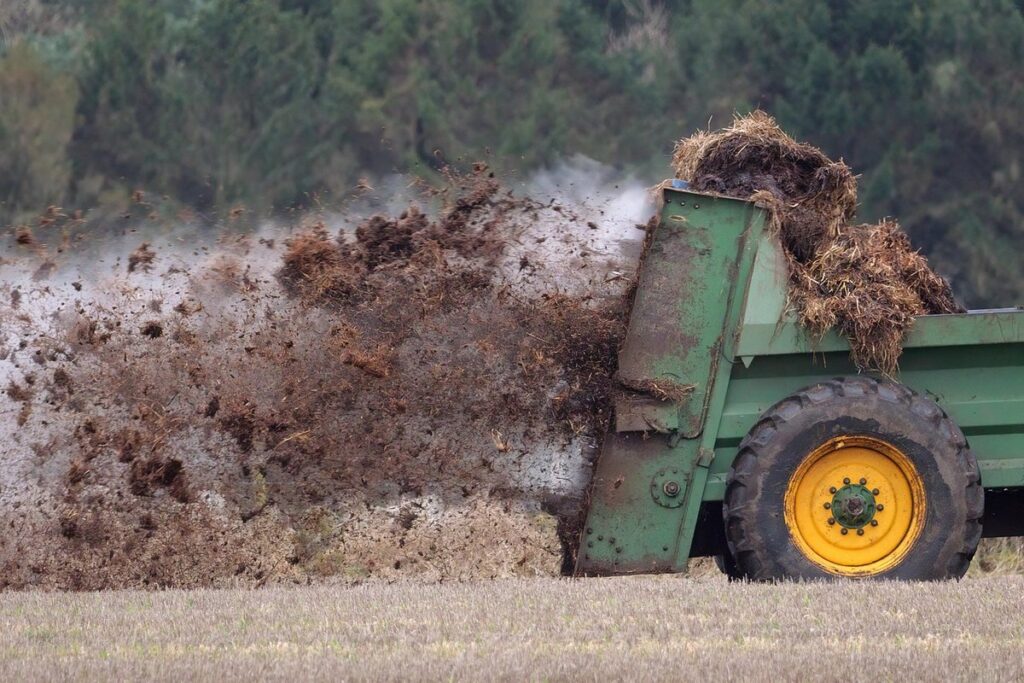
Benefits of Using Chicken Manure as Fertilizer
Now that you know how to make your own chicken manure fertilizer, let’s talk about the many benefits it can bring to your garden. From boosting plant growth to improving soil health, we’ll explore its advantages in detail.
Nutrient-Rich Profile
Chicken manure is an excellent alternative to synthetic fertilizers due to its exceptionally high nutrient content. When used as a fertilizer, it provides a rich source of nitrogen, phosphorus, and potassium – the three essential macronutrients that plants need to grow. Nitrogen (N) is crucial for leaf growth and green color, phosphorus (P) promotes root development and flower formation, while potassium (K) plays a vital role in overall plant health.
A single ton of chicken manure contains approximately 10-20 pounds of nitrogen, 7-14 pounds of phosphorus, and 18-30 pounds of potassium. This is comparable to synthetic fertilizers, which can be expensive and potentially hazardous to the environment. For instance, using chicken manure as fertilizer reduces the need for chemical-based fertilizers, thereby minimizing soil degradation and water pollution.
To utilize chicken manure effectively, ensure it’s properly composted before application. This involves mixing it with other organic materials like straw or wood chips to create a balanced compost. The resulting mixture can be applied directly to the soil, providing plants with an instant nutrient boost. By incorporating chicken manure into your fertilization routine, you’ll not only promote plant growth but also adopt a more eco-friendly approach to gardening and farming.
Environmental Impact
Using chicken manure as fertilizer not only provides an alternative to synthetic fertilizers but also has numerous environmental benefits. One of the most significant advantages is its ability to reduce waste disposal problems associated with large-scale poultry farming operations. By utilizing chicken manure, farmers can divert a substantial amount of organic waste from landfills and reduce the risk of pollution in waterways.
Furthermore, the decomposition process of chicken manure releases nutrients back into the soil, reducing the need for synthetic fertilizers that contribute to greenhouse gas emissions. According to the Environmental Protection Agency (EPA), animal agriculture accounts for nearly 9% of global greenhouse gas emissions. By repurposing chicken manure as fertilizer, farmers can significantly reduce their carbon footprint.
To implement this strategy effectively, consider integrating a composting program into your farm operations. This will allow you to break down the organic matter and create a nutrient-rich fertilizer that is free from pathogens and weed seeds. By adopting this approach, you’ll not only be reducing waste but also creating a more sustainable agricultural practice.
Preparing Chicken Manure for Use
Before you can use chicken manure as a fertilizer, it’s essential to properly prepare and process it to remove pathogens and make it safe for your garden. This involves some key steps you’ll want to follow carefully.
Collection and Storage
Collecting and storing chicken manure safely is crucial to prevent odors, minimize pathogens, and maintain its fertility value. When collecting manure from your coop, it’s essential to use gloves and a face mask to protect yourself from potential diseases like E. coli.
Transfer the manure into a designated storage area, such as a shed or container with good ventilation. If you live in an urban area, consider composting the manure to reduce odor emissions. You can also mix it with other carbon-rich materials like sawdust or straw to absorb excess moisture and odors.
To minimize pathogens, ensure the storage area is cleaned regularly with soap and water. Add a 1:10 ratio of calcium carbonate to manure to neutralize acidity and kill bacteria. Finally, consider applying a natural odor-absorbing agent like zeolite or activated charcoal around the storage area to keep odors at bay.
This attention to detail will help you maintain a healthy and efficient fertilizing process with your chicken manure. Regularly inspect the stored manure for signs of spoilage or contamination, and take action promptly if necessary.
Processing Methods
Processing chicken manure is an essential step to make it usable as fertilizer. Composting is one of the most popular methods for processing chicken manure. This involves mixing the manure with other organic materials like straw, grass clippings, or wood chips and allowing it to break down over time. During this process, pathogens and parasites are killed, and nutrients become available for plant uptake.
Drying is another method used to process chicken manure. This method removes excess moisture from the manure, making it easier to handle and store. However, drying alone does not kill pathogens or increase nutrient availability.
Pelletizing involves mixing dried chicken manure with other materials like lime or fertilizer additives, forming it into small pellets, and then packaging them for use as fertilizer. This method is more expensive but provides a convenient and controlled-release form of fertilizer. When choosing a processing method, consider the intended use of the fertilized soil, local regulations, and equipment availability to select the most suitable option.
Application Methods and Rates
Now that you have a solid understanding of the benefits and preparation of chicken manure fertilizer, let’s dive into how to apply it effectively. We’ll explore various methods and rates to get your plants thriving.
Types of Crops Suitable for Chicken Manure Fertilizer
When it comes to choosing crops that benefit from chicken manure fertilization, you have a wide range of options. Vegetables are one of the most popular choices for this method, and for good reason. Crops like leafy greens (lettuce, kale, spinach), broccoli, cauliflower, and carrots thrive in soil enriched with chicken manure.
Fruits also benefit from the nutrient-dense fertilizer. Strawberries, blueberries, raspberries, and blackberries all love the extra boost of nitrogen, phosphorus, and potassium provided by chicken manure. In fact, some gardeners swear that their fruit crops are more prolific and flavorful after using chicken manure as a fertilizer.
Flowers aren’t left out either! Petunias, marigolds, zinnias, and sunflowers all grow vibrantly in soil treated with chicken manure. This is because these plants require a lot of nutrients to produce bright blooms and healthy foliage. By incorporating chicken manure into your garden’s fertility routine, you can enjoy bountiful harvests and beautiful blooms year-round.
Application Rates and Timing
When it comes to applying chicken manure as fertilizer, determining the right amount and timing is crucial for optimal results. A general rule of thumb is to apply 1-2 pounds of dried chicken manure per square foot of soil. For larger areas, such as an acre, you can estimate the total application rate by multiplying the desired rate (in pounds) by the area in square feet.
For example, if you want to apply 1.5 pounds per square foot and your plot is one acre (43,560 square feet), you would need approximately 65,340 pounds of dried chicken manure. Keep in mind that this calculation assumes a dry application rate, as liquid manure will require more precise calculations based on its concentration.
Timing is also essential when applying chicken manure. It’s best to apply it during different growth stages: in the spring for soil preparation before planting, during the growing season (summer) for nutrient replenishment, and in the fall for preparing the soil for winter dormancy. Additionally, consider applying a starter dose of chicken manure at planting time, followed by regular maintenance applications throughout the growing cycle to maintain optimal fertility levels.
Safety Precautions and Considerations
When working with chicken manure as a fertilizer, it’s essential to take certain safety precautions to avoid potential risks and ensure a safe application process for yourself and your garden. This section will cover those critical considerations.
Pathogen and Disease Risks
When using raw chicken manure as fertilizer, there are potential risks to consider. One of the primary concerns is the presence of pathogens like Salmonella and E. coli. These bacteria can be found on the droppings themselves or on the surfaces they come into contact with, posing a risk to humans and animals.
If not handled properly, chicken manure can contaminate soil, water sources, and other plants, leading to the spread of disease. For instance, in 2011, an outbreak of E. coli infections in California was linked to contaminated spinach fertilized with raw chicken manure. This incident highlights the importance of proper handling and processing of chicken manure.
To minimize these risks, it’s essential to follow safe practices when using chicken manure as fertilizer. This includes composting the manure first to kill off pathogens, washing your hands thoroughly after handling the material, and ensuring that the treated soil is free from contaminants before applying it to your garden. By taking these precautions, you can safely utilize chicken manure as a nutrient-rich fertilizer for your plants.
Handling and Disposal Guidelines
When handling and disposing of chicken manure for fertilizing purposes, it’s essential to follow proper procedures to minimize environmental impact and ensure food safety. First, always wear protective gear such as gloves and a face mask when handling the manure to prevent exposure to pathogens like E. coli and Salmonella.
To transport chicken manure safely, use sturdy containers or bags that can hold 100 pounds or more of manure per load. Ensure these containers are leak-proof and covered with a lid to prevent spillage during transit. When offloading, store the containers in a designated area away from water sources and living spaces to prevent contamination.
Proper disposal involves composting chicken manure on-site using high-temperature methods (at least 131°F) for at least 30 days. Alternatively, you can use a commercial composting service that follows EPA guidelines. Avoid burying the manure in soil as this creates anaerobic conditions, producing toxic gases and ammonia.
Regularly test your compost pile’s temperature to ensure it reaches safe levels. Finally, always follow local regulations for disposing of chicken manure to avoid environmental and health risks.
Case Studies and Success Stories
Let’s take a look at how others have successfully used chicken manure as a fertilizer, from small-scale gardeners to large-scale farmers. Real-world examples of its effectiveness are just around the corner!
Examples of Successful Chicken Manure Fertilization Projects
Let’s take a look at some inspiring examples of successful chicken manure fertilization projects. These stories demonstrate the potential benefits and challenges of using chicken manure as fertilizer.
In rural Tennessee, the Smith family has been using chicken manure to fertilize their organic farm for over 10 years. They collect the waste from their flock of heritage breed chickens and compost it before applying it to their fields. This approach has allowed them to reduce synthetic fertilizer use by 75% while increasing crop yields by an average of 20%. The Smiths also report a significant reduction in soil erosion due to improved soil structure.
Another notable example is the community garden project in urban Los Angeles, where chicken manure from local farms was used to create a nutrient-rich compost. This not only provided valuable fertilizer for the gardens but also served as an educational tool for volunteers about sustainable agriculture practices. By repurposing waste and promoting eco-friendly farming methods, these projects showcase the potential of chicken manure fertilization to support sustainable agriculture and community development.
Tips for Implementing a Chicken Manure Fertilization Program
Implementing a chicken manure fertilization program requires careful planning and consideration of several factors. To get started, assess your farm’s needs and determine the optimal scale for your operation. This will help you estimate costs associated with purchasing chickens, feeding them, and collecting their manure.
When establishing your program, consider the type of poultry you want to raise – layer hens, meat birds, or a combination of both. Each breed has unique characteristics that impact fertility rates, manure production, and overall farm efficiency. For example, laying hens produce more eggs and consequently, more nutrient-rich manure than meat birds.
Scalability is also crucial in this endeavor. Start small and gradually increase the number of chickens as your operation grows. This allows you to refine processes and optimize resources without overwhelming yourself with too many animals at once. Additionally, consider investing in a good quality chicken coop or enclosure that promotes cleanliness and health for both humans and animals.
It’s also important to calculate the cost per pound of manure versus conventional fertilizers to ensure your program remains economically viable. A good rule of thumb is to aim for a cost advantage of 20-30% over traditional methods.
Conclusion: Making the Most of Chicken Manure as Fertilizer
Now that you’ve learned how to compost and apply chicken manure effectively, it’s time to put it all into practice. Let’s make sure you’re getting the most out of this valuable fertilizer resource.
Key Takeaways and Recommendations
When using chicken manure as fertilizer, it’s essential to remember that this natural resource offers numerous benefits for your garden. Chicken manure is rich in nitrogen, phosphorus, and potassium – the three key nutrients required for healthy plant growth.
To make the most of chicken manure, be sure to follow these best practices:
* Soil Testing: Before adding any fertilizer to your soil, test its pH level and nutrient content to determine if it’s suitable for fertilization.
* Proper Storage: Store chicken manure in a dry place away from moisture and pests. Composting is also an excellent way to break down the manure into a nutrient-rich fertilizer.
* Dilute with Water: Mix 10% dilution of chicken manure in water as a starter solution for your plants, gradually increasing the concentration over time.
By incorporating these simple steps into your gardening routine, you can effectively harness the power of chicken manure to create a healthy and thriving garden ecosystem.
Future Directions and Research Opportunities
As we conclude our comprehensive guide to fertilizing with chicken manure, it’s clear that there are still many areas where further research is needed to optimize its use as a fertilizer. One key area of investigation is the impact of different processing methods on the nutrient content and microbial properties of chicken manure.
Studies have shown that various treatments such as anaerobic digestion or thermophilic composting can significantly increase the availability of nutrients in chicken manure, making it more suitable for agricultural use. However, more research is needed to determine which specific processing techniques are most effective for different types of crops and soil conditions.
Another area ripe for further exploration is the role of microorganisms in breaking down complex organic matter in chicken manure, thereby releasing essential nutrients for plant growth. Understanding these microbial processes will enable farmers to better utilize chicken manure as a fertilizer and reduce waste.
Frequently Asked Questions
Can I use chicken manure from any source, or are there specific requirements for its quality and safety?
When using chicken manure as fertilizer, it’s essential to ensure that the source is safe and free of pathogens. Look for manure from reputable farms or suppliers that follow proper handling and storage procedures. Check local regulations regarding pathogen testing and certification.
How often can I apply chicken manure to my crops, and what are the long-term effects on soil health?
To avoid over-fertilization, apply chicken manure at recommended rates (typically 2-3 times a year). Regular applications promote soil fertility but excessive use can lead to nutrient imbalances. Monitor your soil’s pH and nutrient levels, adjusting application frequencies as needed.
Can I mix chicken manure with other organic fertilizers or compost for improved effectiveness?
Yes, combining chicken manure with other natural fertilizers or compost can enhance its benefits. Blend it with well-rotted manure, green sand, or bone meal to create a balanced fertilizer cocktail. However, avoid mixing with synthetic fertilizers, as this may negate the eco-friendly advantages of using chicken manure.
How do I store and handle large quantities of chicken manure without generating odors or attracting pests?
Proper storage is crucial when dealing with significant amounts of chicken manure. Use odor-resistant containers or bags, and ensure adequate ventilation to minimize smells. Consider composting the manure on-site or purchasing a storage solution specifically designed for this purpose.
Can I use chicken manure as fertilizer for acid-loving plants like blueberries or azaleas?
While chicken manure is beneficial for most crops, it’s not ideal for acid-loving plants. These plants require acidic soil conditions, and the high pH of chicken manure may not be suitable. Instead, consider using peat moss, elemental sulfur, or other acidic amendments specifically designed for these types of plants.