
As fall arrives, our yards are blanketed with a crunchy layer of leaves. But instead of raking them up and sending them to the landfill, you can turn this natural treasure into nutrient-rich compost for your garden. Composting leaves is an easy and effective way to reduce household waste, while also creating a healthier soil environment for your plants. By breaking down these fallen leaves into their essential components, you’ll be providing your garden with a boost of beneficial microbes, organic matter, and minerals. In this article, we’ll guide you through the simple process of leaf composting, covering topics such as choosing the right containers, balancing carbon and nitrogen levels, and incorporating finished compost back into your garden beds.
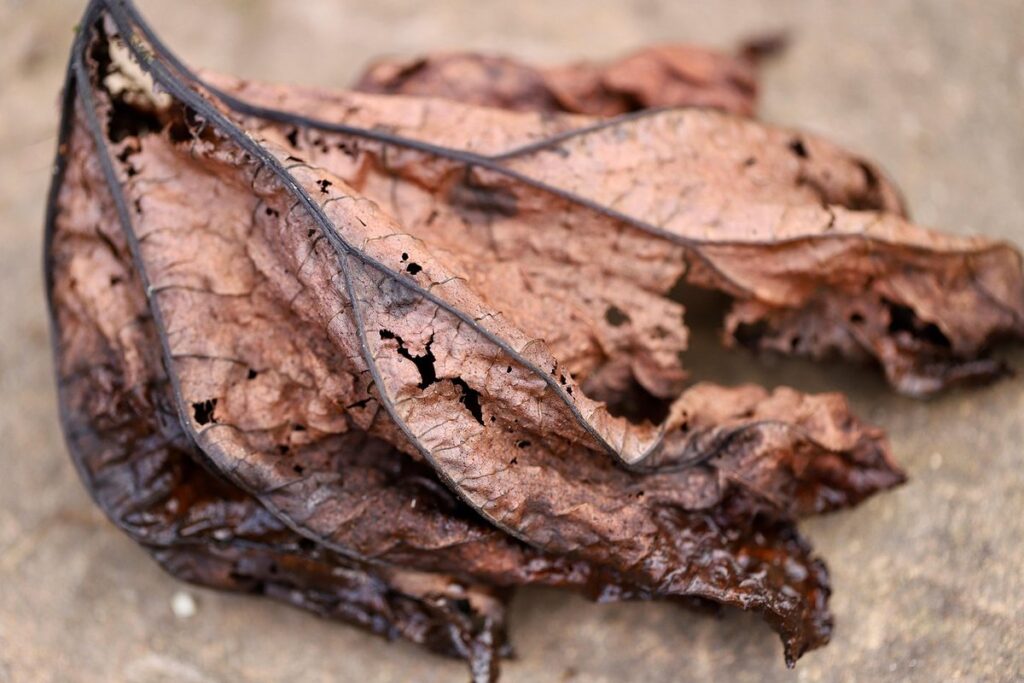
Benefits and Importance of Leaf Composting
Composting leaves is not just a great way to reduce yard waste, but also provides numerous benefits for your garden’s health and the environment as a whole. Let’s explore these advantages in more detail.
Reducing Waste and Creating Nutrient-Rich Soil
By composting leaves, you’re not only reducing household waste but also creating a valuable resource for your garden. The process of breaking down organic matter into nutrient-rich soil is essential for sustainable gardening practices. Think of it this way: what would happen if you didn’t compost your leaves? They’d end up in landfills or be bagged and sent to the curb, contributing to greenhouse gas emissions and waste management issues.
When leaves are composted, they undergo a process that converts them into a nutrient-rich soil amendment. This natural process involves microorganisms like bacteria and fungi working together to break down complex compounds in the leaves into simpler nutrients. The resulting compost is teeming with essential micronutrients, macro-nutrients, and beneficial microorganisms that promote healthy plant growth.
To create this nutrient-rich soil, start by collecting fall leaves from your yard or neighborhood. Add them to your compost pile, along with other “green” materials like food scraps or grass clippings, to maintain a balance of carbon-to-nitrogen ratios. Regularly turn and aerate the pile to speed up decomposition and ensure the final product is rich in nutrients for your garden.
Understanding the Impact on Environmental Health
When you’re composting leaves in fall, it’s not just about reducing waste and creating nutrient-rich soil for your garden. The impact of leaf composting extends far beyond your backyard, playing a crucial role in mitigating climate change, reducing pollution, and preserving biodiversity.
By composting leaves, you’re helping to reduce the amount of carbon dioxide released into the atmosphere. As organic matter decomposes, it absorbs carbon from the air, which is then stored in the soil. This process not only helps combat climate change but also reduces greenhouse gas emissions. For instance, if every household in the United States composted just 10% of their yard trimmings, it would be equivalent to taking over 4 million cars off the road.
Composting leaves also helps reduce pollution by minimizing the amount of waste sent to landfills. When organic matter breaks down anaerobically (without oxygen) in landfills, it produces methane – a potent greenhouse gas with 28 times the global warming potential of carbon dioxide. By composting leaves, you’re ensuring that this organic matter decomposes aerobically (with oxygen), producing carbon dioxide and water vapor instead.
By incorporating leaf composting into your fall routine, you’re also preserving biodiversity in several ways:
• Leaf litter provides habitat and food for various wildlife, such as insects, worms, and microorganisms.
• Compost acts as a natural fertilizer, supporting the growth of native plants that are adapted to local ecosystems.
• By reducing synthetic fertilizers and pesticides, you’re creating a healthier environment for beneficial organisms to thrive.
As you start composting leaves in fall, remember that every small action counts. Not only will you be creating nutrient-rich soil for your garden, but you’ll also be contributing to a more sustainable future for our planet.
Preparing Leaves for Composting
Before we dive into composting, let’s prepare those leaves for their new life cycle by learning how to break them down properly and safely. We’ll cover the essential steps here.
Collecting and Sorting Leaf Materials
Collecting and sorting leaves is an essential step in preparing them for composting. You’ll want to gather fallen leaves from your yard, garden, or nearby parks, but be mindful of leaves that may have been treated with chemicals or pesticides. These can contaminate your compost pile and harm the environment.
When collecting leaves, consider using a leaf rake or blower to make the process easier and more efficient. You can also use a lawn mower with a mulching feature to chop leaves into smaller pieces, which will help them break down faster in the composting process.
Sorting is equally important as you’ll want to separate leaves from other yard waste like branches, twigs, and weeds. Leaves should be free of debris, sticks, and rocks before adding them to your compost pile. If you have a large quantity of leaves, consider creating separate piles for different types of leaves, such as oak, maple, or pine.
To further prepare leaves, you can also shred them using a garden shredder or chipper. This will increase the surface area and help them break down more quickly in the composting process.
Removing Contaminants and Weeds
When collecting leaves for composting, it’s essential to remember that not all leaves are created equal. Some may contain contaminants or weeds that can harm the health of your compost and potentially even spread invasive species. To ensure a healthy and productive compost pile, take the time to remove any unwanted materials before adding them to the mix.
Start by visually inspecting the leaves for signs of disease or pests. Discard any leaves with visible damage or holes, as these can introduce pathogens into the compost. Next, look for weeds like dandelions, clover, or thistle, which can spread their seeds and take over your garden. Remove these plants entirely, taking care to dispose of their roots in a way that prevents regrowth.
It’s also crucial to be mindful of chemicals and pollutants that may be present on the leaves. Avoid collecting leaves from areas sprayed with herbicides or pesticides, as these residues can contaminate your compost. Instead, focus on gathering leaves from clean and natural environments like parks, gardens, or your own yard.
The Composting Process: A Step-by-Step Guide
Now that you have your leaves collected, it’s time to break down their organic matter into a nutrient-rich compost. This step-by-step guide will walk you through each stage of the composting process.
Choosing a Compost Location and Design
When it comes to composting leaves in fall, choosing an optimal location and designing a suitable compost bin or area is crucial for a successful process. As you’re about to start collecting fallen leaves, consider the following key factors: size, accessibility, and sunlight exposure.
First, choose a spot that receives at least 6 hours of direct sunlight per day. This will help speed up decomposition and prevent moisture accumulation. Ensure the location is easily accessible, especially if you plan to use a wheelbarrow or tarp to transport leaves. A flat area with good drainage is also essential, as standing water can hinder the composting process.
As for design, select a bin that’s at least 3-4 feet wide and 3-5 feet long. This size allows for easy mixing of materials without overcrowding. Consider using a durable, weather-resistant material like wood or plastic to withstand harsh winter conditions. Make sure the lid is secure and has adequate ventilation holes for airflow.
Layering and Mixing Materials for Optimal Decomposition
When it comes to composting leaves in fall, layering and mixing materials is crucial for optimal decomposition. You see, a balanced mix of green, brown, and microorganisms creates an ideal environment for this process to occur.
Green materials, like kitchen scraps or fresh grass clippings, provide nitrogen-rich nutrients that fuel microbial growth. Brown materials, such as dried leaves, add carbon-rich matter that helps balance the ecosystem. To create this perfect blend, start by adding a 4-6 inch layer of brown materials at the base of your compost pile. This will help absorb excess moisture and create an aerobic environment.
Next, sprinkle green materials throughout the pile, focusing on areas with limited air circulation. Microorganisms thrive in these zones, breaking down organic matter efficiently. Aim for a 2:1 or 3:1 ratio of brown to green materials, adjusting as needed based on your compost’s specific needs. For instance, if your pile starts to get too wet or hot, it may be due to an imbalance in the mix.
Troubleshooting Common Composting Issues
We’ve all been there – dealing with too much moisture, pests, or moldy leaves in our compost. Let’s tackle these common issues together and get your fall leaf composting back on track!
Identifying and Resolving Odor Problems
As you’re composting leaves in fall, it’s not uncommon to encounter unpleasant odors emanating from your pile. Identifying and resolving these issues is crucial to maintaining a healthy and odor-free compost. One of the primary causes of bad smells in compost piles is over-watering. When your pile is too damp, microorganisms break down organic matter quickly, releasing strong-smelling compounds into the air.
Inadequate carbon-to-nitrogen ratios can also contribute to unpleasant odors. This imbalance occurs when you add too many nitrogen-rich materials like kitchen scraps or grass clippings without sufficient carbon-rich additions like leaves, straw, or shredded newspaper. As microorganisms struggle to break down these materials, they release more potent odors into the air.
Pest infestations can also be a problem in compost piles, attracting rodents and other animals that contribute to unpleasant smells. To resolve odor problems, regularly turn your pile to aerate it, add more carbon-rich materials to balance out nitrogen levels, and eliminate any pest attractants like food waste or weeds. By addressing these common causes of bad odors, you can create a thriving compost ecosystem that recycles leaves and other fall materials into nutrient-rich soil amendments.
Managing Pests and Diseases
As you’re composting leaves in fall, it’s essential to be aware of potential pests and diseases that can affect your pile. Rodents and raccoons might see your compost as a convenient food source, so consider using hardware cloth or chicken wire to cover the area around your pile. This will not only keep these critters out but also prevent them from digging up other areas in your yard.
Fungal infections and mold growth are common issues in composting leaves, especially when they’re wet and decomposing quickly. To minimize this risk, ensure your pile has adequate aeration by mixing it regularly with a pitchfork or shovel. This will help to speed up the decomposition process while preventing anaerobic conditions that foster disease.
To monitor for pests and diseases, check on your compost pile every week or two, looking for signs of activity or unusual odors. If you notice any problems, take prompt action by adjusting the pile’s moisture levels, adding bulking agents like straw, or turning it to introduce oxygen. By staying vigilant and implementing these measures, you can maintain a healthy composting process that yields nutrient-rich soil for your garden.
Using Compost: Tips for Successful Application
Now that you have your compost pile set up, let’s dive into how to successfully apply it to your garden, maximizing its nutrient-rich benefits.
Preparing Soil for Plant Growth
When it comes time to put your composted leaves to use, preparing your soil is an essential step for optimal plant growth. As you incorporate compost into your garden beds, raised beds, or as mulch, keep in mind that a balanced soil mix is key.
Start by loosening the top 6-8 inches of soil with a fork or spade to allow air and water to penetrate more easily. This will help prevent compaction and promote healthy root growth. If your garden beds are heavily clay-based or have poor drainage, consider mixing in some organic matter like composted leaves, peat moss, or perlite to improve structure.
For raised bed gardens, use a mix of topsoil, compost, and other amendments specifically designed for container gardening. A 2:1 or 3:1 ratio of topsoil to compost is a good starting point. As you build your raised beds, consider incorporating layers of composted leaves as mulch between plantings to retain moisture, suppress weeds, and regulate soil temperature.
When using compost as mulch, apply a 2-4 inch layer over the soil surface around newly planted seedlings or established plants. This will help keep roots cool, retain moisture, and prevent weed growth.
Achieving Optimal Crop Yield and Quality
When you use leaf-composted soil in your garden, you can expect to see numerous benefits that will take your plant growth, crop yield, and overall garden health to the next level. One of the most significant advantages is improved soil structure, which allows roots to breathe and absorb nutrients more efficiently.
This leads to a boost in nutrient availability for plants, resulting in healthier and more robust growth. For instance, leaf compost can increase the cation exchange capacity (CEC) of your soil by up to 10%, allowing it to retain essential micronutrients like iron, zinc, and manganese.
By incorporating leaf-composted soil into your garden beds, you can also expect a significant increase in beneficial microorganisms. These microbes play a crucial role in decomposing organic matter, fixing nitrogen, and fighting off plant diseases. Studies have shown that gardens using composted leaf litter exhibit increased microbial diversity and abundance, leading to improved soil fertility and ecosystem health.
By making the most of fall’s abundant leaves, you can create a nutrient-rich soil amendment that will pay dividends throughout the growing season.
Seasonal Considerations for Composting in Fall
As you collect fallen leaves, it’s essential to consider how seasonal changes impact your composting process, including temperature fluctuations and moisture levels. This affects the speed of decomposition.
Adjusting Compost Pile Management for Cooler Temperatures
As fall arrives, the temperatures drop and moisture levels change, it’s essential to adjust your compost pile management strategies to ensure optimal decomposition. During this time, microorganisms that break down organic matter slow down their activity due to lower temperatures. To counteract this, you can try adding more “brown” materials like dried leaves or straw to balance out the excess moisture from fallen leaves.
When managing your compost pile in cooler temperatures, it’s crucial to maintain adequate oxygen levels. This can be achieved by turning the pile regularly, using a pitchfork to aerate the material and allowing air to circulate freely. Aim for about 5-10% of the pile to be exposed to oxygen at any given time.
Additionally, monitor moisture levels closely as excessive dampness can lead to anaerobic conditions and unpleasant odors. If your pile feels too wet, add some dry leaves or shredded newspaper to absorb excess moisture. By adapting these strategies, you’ll create an environment where microorganisms thrive, even in the cooler fall temperatures.
Maximizing Leaf Collection and Utilization Before Winter Settles In
As fall settles in, it’s essential to maximize leaf collection and utilization before winter weather sets in. Leaves are a valuable resource for composting, but they can quickly spoil if not handled properly. To avoid waste and ensure optimal compost quality, follow these tips:
Start by collecting leaves regularly, ideally in batches of 2-3 feet deep. This will prevent them from matting down and create an ideal environment for decomposition. If you have a large yard, consider using a leaf mulcher or shredder to break down leaves into smaller pieces. This not only speeds up the composting process but also reduces space requirements.
When storing collected leaves, make sure they’re dry and protected from moisture. You can either pile them in a designated area or store them in bins with adequate ventilation. Aim for a mix of 2/3 “brown” materials (dried leaves) and 1/3 “green” materials (fresh grass clippings, kitchen scraps). This balance will foster a healthy carbon-to-nitrogen ratio, promoting efficient decomposition.
By following these guidelines, you’ll be able to harness the nutritional value of fallen leaves and create rich compost for your garden come springtime.
Frequently Asked Questions
Can I compost leaves year-round, or is fall the best time?
While you can compost leaves at any time of the year, autumn is an ideal season for leaf composting. The fallen leaves are abundant, and the cooler temperatures facilitate a faster decomposition process. However, if you live in areas with mild winters, you can also compost leaves during winter months.
What’s the ideal carbon-to-nitrogen ratio for my leaf compost pile?
A well-balanced mix is key to successful composting. Aim for a 2:1 or 3:1 carbon-to-nitrogen (C:N) ratio. This means two-thirds of your materials should be high in carbon (dried leaves, straw), while one-third should be nitrogen-rich (grass clippings, kitchen scraps).
How do I manage leaf compost piles during extreme weather conditions?
When temperatures drop below 32°F (0°C), the composting process slows down. To prevent pile collapse and maintain decomposition, add a 2-3 inch layer of insulating materials like straw or shredded newspaper around your compost pile.
Can I use leaves from treated lawns in my compost pile?
It’s best to avoid using leaves from lawns that have been treated with pesticides, herbicides, or fertilizers. These chemicals can transfer into your finished compost and harm beneficial microbes and plants. Instead, collect leaves from untreated areas or source them from trusted suppliers.
What’s the typical composting time for leaf materials?
The length of time it takes to complete the composting process varies depending on factors like temperature, moisture, and carbon-to-nitrogen balance. Generally, it can take anywhere from a few months to over a year for leaves to break down into nutrient-rich compost.