
Pruning your basil plant can be a bit intimidating, especially if you want to keep it healthy and thriving. But trust me, with the right techniques and timing, pruning is essential for promoting bushy foliage and a robust plant. If done incorrectly, however, you might end up stunting its growth or worse, killing it off completely. In this article, we’ll dive into the world of basil pruning, covering the best methods, when to prune, and common mistakes to avoid. We’ll explore how to promote healthy growth, encourage new leaves, and keep your plant looking its absolute best. By the end of this guide, you’ll be confident in your ability to prune your basil like a pro, giving your herb garden a boost of vitality and beauty.
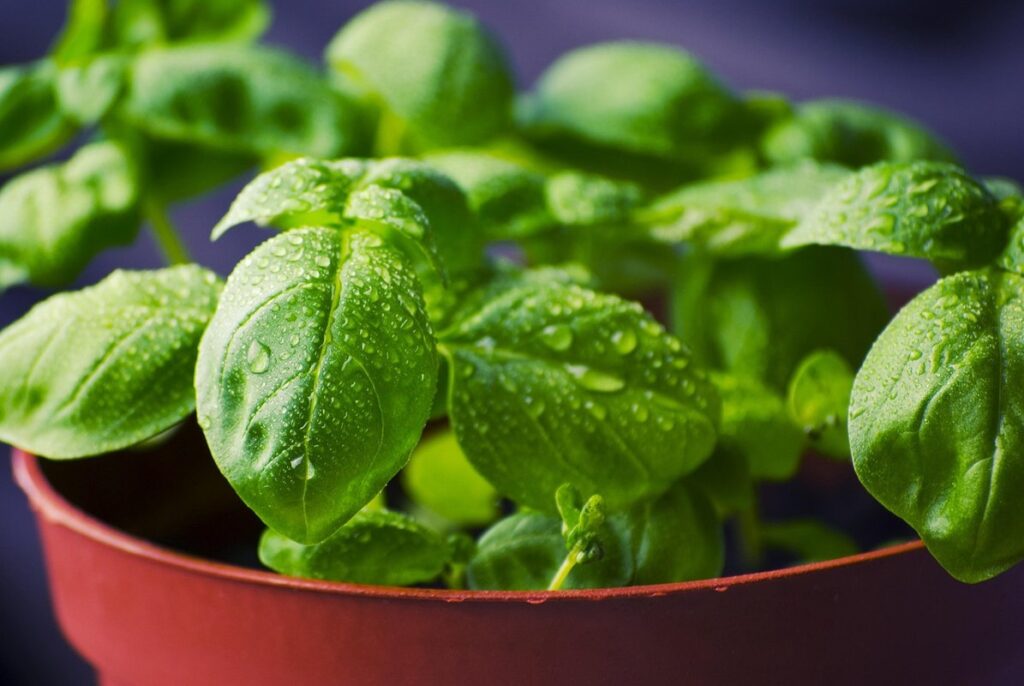
Benefits of Pruning Basil
Pruning basil can seem intimidating, but understanding its benefits will make you eager to get pruning and watch your plants thrive. By removing old growth, you’ll encourage new stems to develop.
Why Prune Basil
Pruning basil is crucial for maintaining plant health and promoting healthy growth. When left unpruned, basil plants can become leggy and produce fewer leaves, ultimately affecting the flavor and aroma of the herb. Regular pruning encourages bushy foliage by removing weak stems and promoting lateral growth.
As new stems grow, they will develop at a 45-degree angle to the main stem, creating a more compact plant with increased leaf production. Pruning also helps to prevent pest infestations and diseases that often target weakened or overgrown plants. For example, a study found that basil plants pruned regularly produced up to 25% more leaves than those left unpruned.
To prune your basil effectively, remove the top sets of leaves, leaving only two to three pairs at the base of the plant. This will encourage the plant to focus its energy on producing new growth rather than flowering. By pruning your basil regularly, you’ll be rewarded with a healthier, more productive plant that’s perfect for cooking and culinary use.
Techniques for Pruning
When it comes to pruning basil, there are several techniques you can use to encourage growth. Regular pinching is a great place to start. This involves removing the top set of leaves from each stem, usually when they reach about 6-8 inches tall. Not only does this help control the height of your plant, but it also promotes branching and encourages more leaf production.
Stem cutting is another effective method for pruning basil. To do this, cut back the longest stems to about one-third of their original length. This will not only remove any weak or spindly growth, but it will also stimulate new stem growth from the remaining nodes. Tip pruning involves removing the tips of each stem, which helps to control height and encourage lateral growth.
When using these techniques, be sure to prune your basil plants regularly – ideally every week or two during the growing season. This will help keep them bushy and encourage healthy growth.
Timing of Pruning
When it comes to pruning basil, timing is everything. You want to prune at the right moment to maximize growth and encourage new development. The optimal times to prune basil depend on several factors, including climate, weather, and the plant’s growth stage.
In general, it’s best to prune basil during its active growing season, which is usually from spring to early fall. Prune your basil plants every 7-10 days to promote bushy growth and prevent them from flowering. This will also help to encourage new leaf growth and prevent the plant from becoming leggy.
If you’re in a hot and dry climate, it’s best to prune your basil plants more frequently, such as every 5-7 days, to prevent stress and promote healthy growth. Conversely, if you’re in a cool and wet climate, you may only need to prune your basil plants every 10-14 days.
Remember, the key is to prune just above a node (where a leaf meets the stem), making clean cuts with sharp scissors or pruning shears. This will help the plant redirect its energy towards new growth rather than focusing on producing flowers.
How to Prune Basil Correctly
Now that we’ve covered the basics of pruning basil, let’s dive into the specifics of how to prune your plants correctly for optimal growth. This is where the real magic happens!
Removing Dead or Damaged Leaves
Removing dead or damaged leaves is an essential step in pruning basil to prevent disease spread and promote healthy growth. As you inspect your basil plant, be sure to carefully remove any yellowed, wilted, or discolored leaves. These unhealthy leaves can harbor fungal spores, bacteria, and other pathogens that can quickly infect the rest of the plant.
When removing dead or damaged leaves, make sure to cut them off at the base using a clean pair of pruning scissors or pinch them off with your fingers. This will help prevent any potential disease from spreading further. Be thorough in your inspection, as even one damaged leaf can compromise the entire plant’s health.
To minimize the risk of disease transmission, disinfect your pruning tools between cuts by washing them with soap and water or using a mild bleach solution. Regularly removing dead or damaged leaves will not only keep your basil plant healthy but also encourage new growth, allowing you to enjoy an abundant harvest throughout the growing season.
Cutting Back Leggy Stems
When pruning basil, it’s common for stems to grow leggy and elongated, especially when the plant is exposed to direct sunlight. This can lead to a less-than-desirable appearance and even affect the overall health of the plant. To prevent stem elongation and encourage bushy growth, it’s essential to trim back leggy stems regularly.
To identify leggy stems, look for long, thin shoots that are extending beyond the rest of the plant. These stems often have fewer leaves than shorter stems and may appear weak or spindly. When you spot these stems, use a pair of clean pruning shears to cut them back by about one-third to one-half. This will encourage the plant to focus its energy on producing new growth from the remaining stem segments.
By cutting back leggy stems, you’ll force the basil plant to produce more lateral shoots, resulting in a fuller and bushier appearance. Remember to prune your basil regularly, ideally every 1-2 weeks, to maintain its shape and promote healthy growth. This simple technique will not only improve the aesthetics of your basil but also help prevent stem elongation and encourage a more robust plant.
Pinching Off Flowers
When you notice your basil plant producing flowers, it’s essential to pinch them off to direct energy towards leaf production. This simple technique may seem counterintuitive, but it plays a crucial role in promoting healthy growth and encouraging a more robust plant.
Pinching off the flowers prevents the plant from focusing its resources on seed production. By doing so, you’re redirecting the energy towards producing new leaves, which is particularly beneficial for continuous harvesting. This approach also helps to control the plant’s height, preventing it from becoming leggy or developing weak stems.
By pinching off the flowers regularly, you’ll notice a significant improvement in leaf density and overall foliage health. It’s a straightforward process that requires minimal effort but yields substantial benefits. Simply pinch off the buds with your thumb and index finger when you see them forming, making sure to remove any that are already open or developing seeds. This simple step will help you maintain a healthy, thriving basil plant that continues to produce an abundance of fragrant leaves throughout its growing season.
Encouraging Bushy Growth
Now that we’ve covered how to prune basil for shape and size, let’s dive into some techniques to encourage bushy growth and a more robust plant. This includes pinching, pruning, and trimming methods to stimulate new growth.
Factors Influencing Bushy Growth
When it comes to encouraging bushy growth in basil, several factors come into play. Light exposure is one of the most critical elements, as basil requires at least 4-6 hours of direct sunlight per day to produce a lush and full plant. However, excessive sun exposure can lead to scorched leaves and reduced growth, so it’s essential to provide some afternoon shade, especially in warmer climates.
Watering habits also play a significant role in promoting bushy growth. Overwatering can cause the roots to rot, leading to weak and leggy stems, while underwatering can cause stress that inhibits new growth. Aim for about 1-2 inches of water per week, either from rainfall or irrigation, making sure not to get water on the leaves to prevent fungal diseases.
Fertilization practices are another crucial aspect of encouraging bushy growth in basil. A balanced fertilizer (10-10-10 NPK) applied once a month will provide the necessary nutrients for optimal growth. Avoid overfertilizing, as this can lead to excessive foliage and reduce flower production.
Promoting Lateral Branching
To achieve a bushy basil plant with an abundance of leaves, promoting lateral branching is crucial. Lateral branches are those that grow outward from the main stem, producing more foliage and a fuller appearance. One way to encourage this growth is by pruning your basil regularly. When pruning, focus on removing the top sets of leaves to force the plant to produce new growth from its nodes. This will stimulate the development of lateral shoots.
To further promote lateral branching, you can also try “pinching” or gently pinching off the tips of the main stem and lateral branches. This simple technique signals the plant to divert energy into producing more stems rather than extending the existing ones. By regularly pruning your basil and encouraging lateral growth, you’ll be rewarded with a lush, bushy plant that’s perfect for cooking and garnishing dishes. Experimenting with different pruning techniques will help you determine what works best for your specific basil variety and growing conditions.
Common Mistakes to Avoid
To get the most out of your basil plants, it’s essential to avoid these common mistakes that can hinder growth and lead to disappointment. Let’s take a closer look at what to watch out for.
Over-Pruning
Over-pruning basil can be detrimental to its growth and productivity. When you remove too much foliage at once, it can cause stress to the plant, leading to weakened immune systems and increased susceptibility to pests and diseases. This can also result in a decrease in the plant’s ability to photosynthesize, which is essential for growth.
To avoid over-pruning, start by examining your basil plant regularly. Check for any weak or damaged leaves that need removal. Instead of cutting back large sections at once, focus on removing individual leaves or small clusters. This approach allows you to maintain the plant’s overall shape while also promoting healthy growth.
As a general rule, prune only what is necessary, and do it in moderation. Remove no more than one-third of the plant’s foliage at any given time. Additionally, consider pruning your basil plant in stages, rather than all at once. This will help prevent shocking the plant and give it time to recover between prunings. By taking a gradual approach, you can maintain your basil’s health while encouraging continuous growth and productivity.
Under-Pruning
Regular pruning is an essential aspect of basil care. While it may seem counterintuitive, not pruning your basil plants regularly enough can have severe consequences on their growth and overall health. When left unpruned, basil plants become leggy, producing long stems with minimal leaf growth at the top. This results in a sparse, uneven appearance, which not only affects the plant’s aesthetic but also its ability to thrive.
Without regular pruning, your basil plant will direct its energy towards stem elongation rather than leaf production, leading to a decrease in yields and flavor intensity. Moreover, unpruned basil plants become more susceptible to pests and diseases, as their dense foliage creates an ideal environment for fungal growth. To avoid these issues, make it a habit to prune your basil regularly, removing any weak or damaged stems, and encouraging bushy growth by pinching off flower buds. By doing so, you’ll not only enhance the appearance of your plant but also promote healthy growth and maximize its flavor potential.
Maintaining Pruned Basil Plants
Now that you’ve pruned your basil plants, it’s time to think about how to keep them thriving and encourage further growth. This is where proper care comes in.
Watering Requirements
When you prune your basil plants, it’s essential to understand that their watering requirements will change. Pruning can be quite stressful for plants, and they may require more water than usual during the initial recovery period.
In most cases, pruned basil plants need about 10-20% more water than unpruned ones in the first week after pruning. This is because the plant needs to replenish the lost moisture from the pruning process. However, it’s crucial not to overwater, as this can lead to root rot and other problems.
As a general rule of thumb, water your pruned basil plants when the top 1-2 inches of soil feels dry to the touch. You can also check the moisture levels by sticking your finger into the soil up to the first knuckle. If it’s dry at this point, it’s time to give them some water.
To gauge the right amount of water for your pruned basil plants, start with a small amount and gradually increase as needed. This approach will help you avoid overwatering and ensure that the plant is receiving just the right amount of moisture to recover from pruning.
Fertilization Practices
After pruning your basil plants, it’s essential to provide them with the right nutrients for optimal growth and flavor development. Fertilizing pruned basil is a critical step that often gets overlooked. However, with the right approach, you can ensure your basil plants continue to thrive.
When choosing a fertilizer for your pruned basil, select one that is high in nitrogen, phosphorus, and potassium (NPK). A balanced fertilizer with an NPK ratio of 10-10-10 will provide your basil with the necessary nutrients. You can also consider using organic fertilizers like compost tea or fish emulsion, which are rich in micronutrients.
To maximize the effectiveness of fertilization, apply it immediately after pruning to stimulate new growth. Dilute the fertilizer according to the manufacturer’s instructions and water your basil plants thoroughly afterward. As a general rule, fertilize your pruned basil every 1-2 weeks during the growing season, which is typically from spring to fall.
Additionally, consider the pH level of your soil, as most basil varieties prefer slightly acidic to neutral soil with a pH between 6.0 and 7.0.
Conclusion
Now that you’ve mastered the art of pruning basil, let’s summarize the key takeaways and reinforce your new skills to keep those plants thriving.
Recap of Key Takeaways
Regular pruning is not just about maintaining the appearance of your basil plant, but also plays a crucial role in promoting healthy growth and bushy foliage. Throughout this comprehensive guide, we’ve explored the importance of pruning basil to encourage growth.
To recap, here are the key takeaways from our discussion: Pruning regularly helps control the height of your basil plant, preventing it from flowering prematurely and diverting energy away from leaf production. This means that you’ll get more leaves per harvest, extending the life of your plant and ensuring a continuous supply of fresh herbs.
By pruning your basil plant every 1-2 weeks, you can encourage bushy growth, which is ideal for compact spaces or when growing multiple plants together. Pinching off flower buds as they form will also direct energy towards leaf production, promoting lush and healthy foliage. Moreover, regular pruning helps prevent pests and diseases from taking hold, keeping your plant strong and resilient.
To apply these key takeaways in practice, consider the following:
* Prune your basil plant regularly to maintain a balanced shape and encourage bushy growth.
* Pinch off flower buds as they form to direct energy towards leaf production.
* Harvest individual leaves or stems as needed, rather than cutting back the entire plant at once.
* Monitor your plant’s response to pruning and adjust your technique accordingly.
Frequently Asked Questions
Can I prune my basil plant if it’s still young?
Yes, pruning your young basil plant can actually help it establish a strong root system and promote healthy growth from the start. Just be gentle when removing any weak or spindly stems.
What’s the best way to propagate new plants after pruning?
You can propagate new basil plants by taking cuttings from the pruned stems and rooting them in water or soil. This method is ideal for encouraging bushy growth and increasing your harvest yield.
How often should I prune my basil plant, especially during peak growing seasons?
Prune your basil plant every 7-10 days to maintain its shape and promote continuous new growth. During peak growing seasons, you may need to prune more frequently to keep up with the plant’s rapid expansion.
Can I still harvest leaves from my basil plant even after cutting back leggy stems?
Yes, but be gentle when harvesting to avoid damaging any of the newly formed lateral branches. Harvest individual leaves or pinch off flower buds to encourage the plant to focus its energy on leaf production.
What if I accidentally over-prune my basil plant – can it recover?
While over-pruning can shock your plant and lead to some stunted growth, a well-established basil plant should be able to recover with proper care. Provide your plant with plenty of light, water, and nutrients to help it bounce back and resume healthy growth.