
If you’re an avid gardener or simply someone who cares about our precious pollinators, then this is the perfect guide for you. As we all know, bees are facing unprecedented challenges in recent years, and it’s up to us to create a welcoming environment that supports their health and survival. But did you know that by selecting the right flowers, preparing your soil, and maintaining a bee-friendly garden, you can make a real difference? In this article, we’ll show you how to create a haven for bees in your own backyard. We’ll reveal our top 10 picks for bee-friendly plants, expert tips on attracting more bees, and provide practical advice on preparing your garden for these vital pollinators. Whether you’re a seasoned gardener or just starting out, keep reading to discover the secrets of creating a thriving bee-friendly garden.
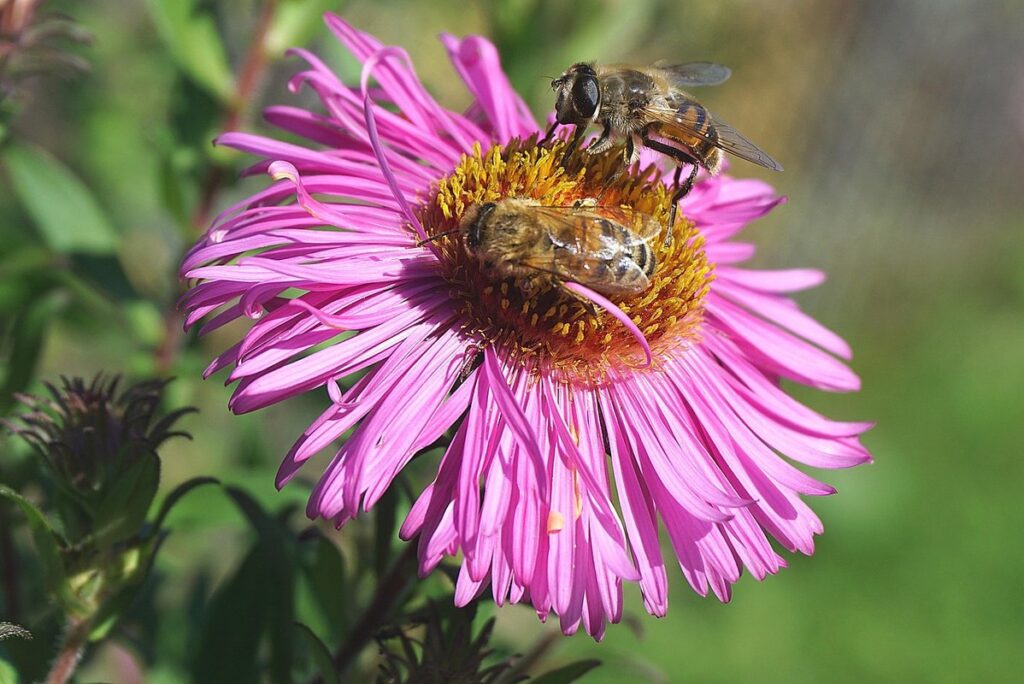
Importance of Bee-Friendly Gardens
Bee-friendly gardens are essential for our pollinator friends, providing a vital source of nectar and pollen that helps them thrive. Let’s explore why these gardens are crucial for bee populations worldwide.
What Do Bees Need from Flowers?
When it comes to creating a bee-friendly garden, understanding what bees need from flowers is crucial. These incredible pollinators require three essential elements to thrive: nectar, pollen, and a diverse array of flower shapes and sizes.
Nectar is the sweet, energy-rich liquid that bees feed on to fuel their activities. Flowers with long, tube-shaped petals like trumpet vines (Campsis radicans) and honeysuckle (Lonicera spp.) are ideal for nectar-seeking bees. These flowers allow bees to easily access the nectar deep within the blossom.
Pollen, on the other hand, is a protein-rich powder that provides bees with essential nutrients. Flowers with exposed stamens, like sunflowers (Helianthus annuus) and lavender (Lavandula spp.), are perfect for pollen collection. Bees can easily land on these flowers and collect pollen from the exposed stamens.
A variety of flower shapes and sizes is also vital for bees’ survival. Different species of bees have varying preferences, so a mix of small, medium, and large flowers will attract a broader range of pollinators to your garden. By incorporating a diverse array of flowers that meet these essential requirements, you can create a haven for bees and contribute to their well-being.
Top 10 Bee-Friendly Flowering Plants
When it comes to creating a bee-friendly garden, selecting the right flowers is crucial. Not all plants are created equal when it comes to providing sustenance for our buzzing friends. To help you get started, we’ve compiled a list of the top 10 bee-friendly flowering plants that will attract and nourish these vital pollinators.
Sunflowers (Helianthus annuus) are an obvious choice, with their towering stature and bright yellow petals. Not only do they produce an abundance of nectar-rich flowers, but their large blooms also provide a safe landing site for bees. Lavender (Lavandula spp.) is another favorite, with its calming scent and purple hue attracting bees from far and wide. These fragrant flowers are rich in nectar and pollen, making them a perfect choice for bee-friendly gardens.
Coneflowers (Echinacea spp.), Zinnias (Zinnia spp.), Dahlias (Dahlia spp.), Cosmos (Cosmos bipinnatus), Marigolds (Tagetes spp.), Bee Balm (Monarda didyma), Blazing Star (Liatris spp.), and Honeysuckle (Lonicera spp.) also make the cut. Plant these flowers together in a vibrant mix to create a haven for bees, and don’t forget to include some coneflower-rich pollen as a bonus!
Choosing the Right Flowers for Your Garden
When selecting flowers for your garden, it’s essential to choose varieties that will attract bees and provide them with the nectar they need to thrive. Consider factors like bloom time, color, and scent when making your selection.
Considerations for Selecting Bee-Friendly Plants
When selecting plants for your bee-friendly garden, there are several factors to consider. One of the most important considerations is bloom time. Bees need a constant source of nectar and pollen throughout the growing season, so it’s essential to choose plants that bloom at different times. For example, spring-blooming flowers like lavender and coneflower provide a vital source of food for bees in early spring, while summer-blooming flowers like sunflowers and cosmos offer a mid-season boost.
Plant size is also crucial when selecting bee-friendly plants. Bees prefer plants with a moderate to large bloom size, as they can easily access the nectar and pollen within. For example, hydrangeas and dahlias are excellent choices for bees due to their large, showy blooms. Additionally, consider the fragrance of your plants. Many bees are attracted to sweet-smelling flowers like roses and honeysuckle.
When selecting bee-friendly plants, try to choose a mix of annuals and perennials that will provide a constant source of nectar and pollen throughout the growing season. This will ensure that your garden remains attractive to bees from early spring to late fall.
Native vs. Non-Native Plants: What’s Best for Bees?
When it comes to creating a bee-friendly garden, choosing the right flowers is crucial. One key decision you’ll need to make is whether to opt for native plants or non-native ones. Native plants have several benefits that make them an excellent choice for bees.
Native plants are perfectly adapted to your local climate and soil conditions, requiring less maintenance and care than non-native species. They’re also more resilient to pests and diseases, reducing the need for pesticides. This is especially important in a bee garden, as these chemicals can be toxic to bees.
For example, if you live in North America, consider planting native wildflowers like coneflowers, black-eyed Susans, or bluets. These flowers are rich in nectar and pollen, providing a vital source of nutrition for local bee populations. By choosing native plants, you’ll be supporting the local ecosystem and creating a haven for bees to thrive.
How to Plant a Bee-Friendly Garden
To create a haven for these vital pollinators, let’s dive into the step-by-step process of planting a bee-friendly garden that will provide nectar and pollen all season long.
Preparing Your Soil for Bee-Friendly Flowers
When planting bee-friendly flowers, it’s essential to prepare your soil for their growth and health. This involves creating a nutrient-rich environment that supports the development of robust plants with plenty of nectar and pollen.
To start, test your soil pH using a DIY kit or send a sample to a lab for analysis. Most bee-friendly flowers thrive in slightly acidic to neutral soil (pH 6.0-7.0), but some like lavender and rosemary can tolerate alkaline conditions. Based on the results, amend the soil with organic matter such as compost or well-rotted manure.
Composting is a vital step in preparing your soil for bee-friendly flowers. This process breaks down organic materials into nutrient-rich humus that feeds beneficial microbes, improving soil structure and fertility. Add a mix of “green” (e.g., kitchen scraps, grass clippings) and “brown” (e.g., dried leaves, shredded newspaper) materials to create a balanced compost pile.
As you prepare your soil for bee-friendly flowers, remember to avoid using chemical fertilizers or pesticides that can harm beneficial pollinators. Instead, opt for natural methods like mulching or hand-weeding to control weeds and retain moisture in the soil. By creating a healthy and diverse ecosystem, you’ll be well on your way to establishing a vibrant bee-friendly garden.
Tips for Planting Bees’ Favorite Flowers
When it comes to planting bee-friendly flowers, knowing which varieties to choose and how to care for them is crucial. Among the top 10 favorite flowers of bees are coneflowers, lavender, black-eyed Susans, and sunflowers. When planting these flowers, be sure to leave enough space between each plant to allow for proper growth and air circulation.
For example, coneflowers should be spaced about 18-24 inches apart, while sunflowers can be as close as 12 inches from one another. Bees also prefer full sun to partial shade, so choose a location that receives at least 6 hours of direct sunlight per day. Water these flowers regularly, but avoid overwatering, which can lead to root rot and other problems.
Some specific tips for planting bee-friendly flowers include:
* Plant coneflowers in well-draining soil with full sun.
* Provide black-eyed Susans with partial shade and moist, rich soil.
* Lavender requires dry to medium moisture levels and a slightly alkaline soil pH.
* Sunflowers prefer well-drained soil and full sun.
By following these guidelines, you can create a beautiful and thriving garden that attracts bees and supports their health.
Maintenance and Care of Your Bee-Friendly Garden
Now that you’ve planted a bee-friendly garden, let’s talk about how to keep it thriving: regular maintenance and care are key for attracting bees all season long. Proper watering, pruning, and monitoring will make all the difference.
How to Attract More Bees to Your Garden
Attracting more bees to your garden requires creating a welcoming environment that meets their basic needs. One of the most crucial steps is to reduce pesticide use in your garden. Bees are often killed by pesticides, which can also weaken their immune systems and make them more susceptible to diseases. Instead, adopt integrated pest management techniques, such as introducing beneficial insects or using natural barriers to prevent pests from reaching your plants.
Another essential aspect of creating a bee-friendly environment is providing water sources for bees. Bees need water to drink and to cool their bodies when they’re working hard in the garden. Create a shallow dish filled with fresh water and add rocks or twigs for perching, as bees often prefer to land on a surface before taking a drink.
To further entice bees to your garden, incorporate native flowers that provide nectar and pollen sources throughout the growing season. By providing both food and shelter, you’ll be well on your way to creating a thriving bee-friendly oasis in your own backyard.
Common Pests and Diseases: How to Keep Them Under Control
As you nurture your bee-friendly garden, it’s essential to be aware of common pests and diseases that can impact the health and productivity of your flowers. Some frequent culprits include aphids, whiteflies, spider mites, and caterpillars, which can suck sap from leaves and stems or damage delicate petals.
Aphids are often the most problematic, as they reproduce quickly and can spread plant viruses. To control aphid populations, spray with a strong jet of water to dislodge them, followed by a gentle soap solution (1 tablespoon of mild dish soap per quart of water). This method is non-toxic and effective.
Fungal diseases like powdery mildew and leaf spot can also harm your flowers. Keep plants well-spaced for good air circulation, remove infected leaves or stems to prevent further damage, and use a fungicide specifically labeled for organic use (e.g., neem oil or sulfur-based products). Regularly inspecting your garden will help you catch issues early on, allowing for swift intervention.
When it comes to caterpillars, hand-picking is usually the most effective control method. Look out for signs of damage like torn leaves or droopy flowers and manually remove any pests you find.
Monitoring the Success of Your Bee-Friendly Garden
Now that you’ve planted your bee-friendly garden, it’s time to check in on its progress and make sure those buzzing visitors are thriving. We’ll show you how to monitor their success and identify areas for improvement.
Measuring the Impact of Your Bee-Friendly Garden
To measure the impact of your bee-friendly garden, you’ll want to observe and track changes over time. Start by counting bee activity during peak hours, typically between 10 am and 3 pm, when bees are most active. Use a simple method like setting up a sticky board near your flowers or employing a mobile app that can help you monitor and record the number of bees visiting your garden.
Another key aspect to track is plant health. Regularly inspect your flowers for signs of stress, disease, or pests. Check the color, shape, and size of the blooms, as well as any noticeable changes in leaf growth. A healthy bee-friendly garden should have vibrant, robust plants that continue to thrive throughout the growing season.
If you’re concerned about specific species, consider creating a species list to monitor their growth patterns and observe changes over time. This can be especially useful for tracking the success of newly planted flowers or observing how different varieties perform in your unique climate and soil conditions.
Tips for Continuously Improving Your Bee-Friendly Garden
As you tend to your bee-friendly garden, it’s essential to continuously improve its design and plant selection. This ensures that your garden remains a haven for pollinators throughout the growing season. One effective strategy is to rotate plants every 2-3 years. This process allows soil nutrients to replenish, and pest populations to decrease, promoting healthy growth and reducing the risk of disease.
Introduce new varieties by adding plants that are native to your region or have a long blooming period. For example, plant lavender in early spring for a summer-long display of purple flowers. Replace old favorites with newer cultivars, such as bee-friendly sunflowers (Helianthus annuus) or cosmos (Cosmos bipinnatus), which bloom from mid-summer to fall.
Observe your garden and note the plants that attract the most pollinators. Consider replacing any low-performing plants with more effective alternatives. This ongoing evaluation and adjustment will keep your garden thriving, supporting a diverse array of bees and other beneficial insects throughout the growing season.
Conclusion: Creating a Thriving Ecosystem for Bees
As you’ve learned about the various garden flowers that are perfect for attracting bees, it’s essential to consider how to create a thriving ecosystem in your own backyard. By incorporating a mix of nectar-rich flowers, herbs, and shrubs into your garden design, you can attract a variety of bee species and provide them with an abundant food source. Consider planting a range of annuals and perennials that bloom at different times of the year to ensure a constant supply of nectar for bees during their most active periods. By following these tips and experimenting with different combinations of flowers, you’ll be well on your way to creating a bee-friendly haven in your own garden. This will not only provide a vital source of sustenance for local bee populations but also contribute to the health and diversity of your ecosystem as a whole.
Frequently Asked Questions
What if I have a small garden or balcony, can I still attract bees?
Yes! Even the smallest gardens or balconies can be bee-friendly. Choose compact or dwarf varieties of bee-friendly plants that thrive in containers and provide a source of nectar and pollen for these pollinators. Don’t forget to include a water feature, like a birdbath or shallow dish, where bees can drink.
Can I use non-native plants if they’re popular with bees?
While some non-native plants may attract bees, it’s essential to prioritize native plants in your garden. Native plants have co-evolved with local bee species and provide the best source of nectar and pollen. Non-native plants can sometimes be invasive or outcompete native species for resources.
How do I know if my soil is suitable for bee-friendly flowers?
To prepare your soil for bee-friendly flowers, test its pH level to ensure it’s within a slightly acidic to neutral range (around 6-7). Most bee-friendly plants prefer well-draining soil with a mix of sand, silt, and organic matter. Add compost or well-rotted manure to improve the soil structure.
Can I plant bee-friendly flowers in full shade?
While some bee-friendly plants can tolerate partial shade, most require at least 6 hours of direct sunlight per day to produce nectar and pollen. If your garden is mostly shaded, consider using a trellis or other support for climbing plants that can thrive in partial shade.
How often should I water my bee-friendly flowers?
Water your bee-friendly flowers regularly, but avoid overwatering. Most bee-friendly plants prefer moist soil, but some drought-tolerance is beneficial to prevent fungal diseases. Water early in the morning to allow excess moisture to evaporate before nightfall, reducing the risk of disease and encouraging healthy growth.