
As you step into your garden, you’re likely to spot busy bees buzzing from flower to flower, collecting nectar and pollen for their hives. These tiny creatures play a massive role in maintaining ecosystem health and ensuring food production, but their populations are rapidly declining due to habitat loss and pesticide use. Creating a pollinator-friendly haven is easier than you think, starting with the right hedge plants. By choosing species that provide nectar-rich blooms, understand their needs, and adopting sustainable practices, you can make a significant difference in supporting these vital creatures. In this article, we’ll explore the world of pollinator hedge plants, discussing how to select the best varieties, care for them effectively, and cultivate a thriving ecosystem that benefits both you and your local wildlife.
Understanding the Importance of Pollinators
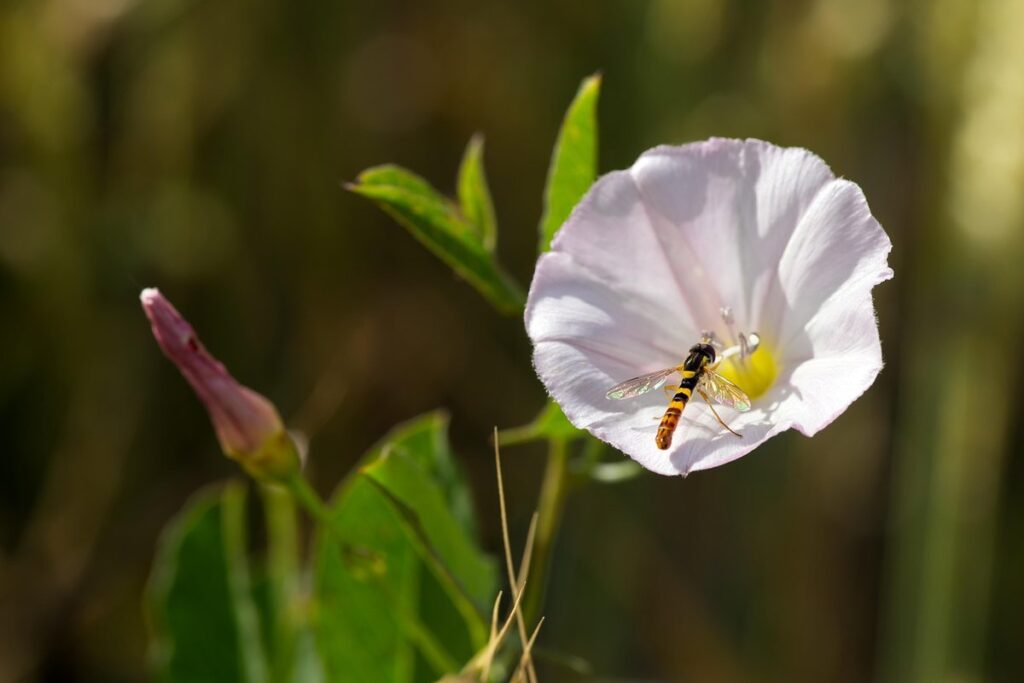
Pollinators are the unsung heroes of our gardens, playing a vital role in plant reproduction and ecosystem health. Let’s explore why their preservation is crucial for a thriving garden ecosystem.
The Role of Pollinators in Ecosystem Health
Pollinators play a vital role in maintaining ecosystem health, and their importance cannot be overstated. Without them, our food supply would be severely impacted. One-third of the food we eat is directly or indirectly dependent on pollinators like bees, butterflies, and other insects. This includes staple crops like apples, blueberries, and almonds. In fact, it’s estimated that 1/3 of global crop production relies on animal pollination.
Pollinators are also essential for plant reproduction. They facilitate the transfer of pollen between flowers, allowing plants to set seed and reproduce. Without this process, many plant species would be unable to propagate and would eventually die out. In fact, studies have shown that areas with high levels of pollinator activity tend to have greater biodiversity and more robust ecosystems.
To support your local pollinators and promote a healthy ecosystem, consider planting a diverse range of flowers, herbs, and shrubs in your garden. By doing so, you’ll be providing vital resources for these essential insects.
Threats to Pollinator Populations
Pollinators like bees and butterflies are facing numerous threats that can impact their populations and overall ecosystem health. Habitat loss is a significant concern, as natural habitats such as meadows and forests are being converted into agricultural land or urban areas, leaving pollinators with limited space to live and forage.
The use of pesticides is another major threat, as these chemicals can harm or kill pollinators directly, or indirectly by contaminating nectar and pollen. For example, neonicotinoids have been linked to bee deaths and colony collapse disorder. By choosing to plant pollinator-friendly hedge plants in your garden, you’re helping to create a safer environment for bees and butterflies.
Climate change is also affecting pollinators, as changing temperatures and weather patterns disrupt their life cycles and migration patterns. Bees and butterflies rely on specific temperature ranges to survive, so even small changes can have significant impacts. By selecting hedge plants that are suitable for your region’s climate and providing a consistent food source throughout the growing season, you can help support local pollinator populations.
In addition, monoculture farming practices and lack of crop diversity contribute to pollinator decline by reducing the availability of nectar-rich flowers.
Choosing the Right Pollinator-Friendly Hedge Plants
When selecting hedge plants for your garden, choosing the right ones that attract pollinators is crucial. In this next part, we’ll explore some top picks for pollinator-friendly hedge plants.
Native Plant Species for Your Region
When it comes to supporting local pollinator populations, choosing native plant species is crucial. Native plants have co-evolved with local pollinators over thousands of years, providing them with the exact resources they need to thrive.
To choose native plant species suitable for your region, start by consulting a database or website that lists native plant species specific to your area. The US Forest Service’s PLANTS database is an excellent resource for this purpose. You can enter your state or zip code to find a list of native plants that are well-suited to your climate and soil conditions.
For example, in the eastern United States, you might choose native species like Butterfly Weed (Asclepias tuberosa) or Blazing Star (Liatris spp.) for their ability to attract pollinators. In the western United States, consider planting California Poppy (Eschscholzia californica) or Lupine (Lupinus spp.).
When selecting native plant species, look for plants that are native to your specific ecoregion and have similar growing conditions to your garden. This will ensure that they are well-suited to thrive in your environment, providing a reliable source of nectar and pollen for pollinators.
By choosing native plant species, you’ll be creating a pollinator-friendly haven in your garden that supports the local ecosystem and attracts bees, butterflies, and other beneficial insects.
Drought-Tolerant Options for Low-Maintenance Hedges
When it comes to low-maintenance hedges that can thrive in areas with limited water availability, there are several drought-tolerant options to consider. These plants not only conserve water but also provide a haven for pollinators like bees and butterflies.
Some excellent choices include the California Lilac (Ceanothus spp.), which produces vibrant blue flowers that attract a range of pollinators, including honeybees and hummingbirds. Another option is the Texas Sage (Leucophyllum frutescens), a shrub that blooms with purple flowers in the summer months, providing a source of nectar for pollinators.
The Yucca plant (Yucca spp.) is another drought-tolerant hedge option that’s perfect for areas with limited water supply. Its tall stalks produce white or yellow flowers that are rich in pollen and nectar, making it an attractive choice for pollinator-friendly gardens.
When planting these drought-tolerant options, be sure to choose varieties that are suitable for your region’s climate and soil type. Also, keep in mind that while they require less water, they still need regular maintenance to thrive.
Plant Selection Criteria for Pollinators
When choosing plants for a pollinator hedge, it’s essential to consider factors that will attract and support these crucial visitors to your garden, like nectar-rich flowers and varied foliage. Let’s dive into the key characteristics to look for.
Flower Shape and Size for Easy Access
When it comes to selecting plants that will attract pollinators like bees and butterflies, flower shape and size play a crucial role. For easy access to nectar and pollen, pollinators prefer flowers with shallow, trumpet-shaped blooms or those with exposed centers.
Plants like Lavender, Bee Balm, and Salvias meet these criteria perfectly. Their flowers are designed for easy access, allowing pollinators to land and feed comfortably. For example, the tubular shape of Bee Balm’s flowers makes it a favorite among hummingbirds and butterflies.
When choosing plants with shallow blooms, consider those in the mint family, such as Catmint and Mint itself. These flowers often have exposed centers that make it simple for pollinators to access nectar. Another option is shrubs like Rosemary and Thyme, which produce small, clustered blooms that are easy for bees and butterflies to navigate.
When planting a pollinator hedge, remember to select a mix of plants with varying flower shapes and sizes to cater to the needs of different species. By incorporating these types of plants, you’ll create a welcoming haven for pollinators in your garden.
Color Preferences of Different Pollinators
When it comes to selecting plants for your pollinator hedge, understanding the color preferences of different pollinators is crucial. Bees, for instance, are attracted to a wide range of colors, but they have a particular affinity for blues and violets. This is because these wavelengths fall within their visual spectrum, making them easier to see.
Butterflies, on the other hand, have a unique preference for red, orange, and yellow flowers, which provide a striking contrast against their natural habitat. Some species, like the Monarch butterfly, are particularly drawn to milkweed plants with bright red or purple blooms.
To cater to these preferences in your pollinator hedge, consider planting a mix of colors that attract both bees and butterflies. For example, you could include lavender for its blue-violet hue, which will draw in honeybees and other bee species. Alongside this, incorporate brightly colored flowers like zinnias or marigolds to entice butterflies.
Remember, incorporating a diverse range of plants with varying bloom times ensures that your pollinator hedge remains attractive throughout the growing season.
Creating a Pollinator-Friendly Garden Environment
To create a haven for pollinators, it’s essential to plant a variety of nectar-rich flowers and shrubs that will provide a constant source of food throughout the growing season. This section shares expert tips on designing your garden space.
Habitat Diversity for Pollinators
When it comes to creating a pollinator-friendly garden environment, habitat diversity is key. Providing a diverse range of plants, flowers, and vegetation supports the complex needs of pollinators like bees and butterflies. By incorporating a mix of native plants, shrubs, trees, and grasses, you can create a thriving ecosystem that attracts and sustains pollinator populations.
To start, consider the types of plants you’re already growing in your garden. Are they all similar in shape, size, or color? If so, it’s likely time to mix things up! Introduce native wildflowers like coneflowers, black-eyed Susans, and cosmos, which are rich in nectar and pollen. Also, include shrubs with varying heights and bloom times, such as lavender and rosemary, which offer shelter and food for pollinators.
When planning your garden, remember to incorporate a mix of annuals and perennials, as well as plants that provide different types of flowers, fruits, and seeds. This will ensure a constant supply of resources for pollinators throughout the growing season.
Avoiding Pesticides and Other Harmful Substances
When creating a pollinator-friendly garden environment with hedge plants, it’s crucial to avoid using pesticides and other substances that can harm these beneficial creatures. One of the primary threats to pollinators is the widespread use of neonicotinoids, a class of insecticides linked to bee deaths and colony decline.
To create a safe haven for pollinators, choose organic gardening methods instead. Start by eliminating any chemical pesticides from your garden arsenal. Instead, opt for natural pest control methods like introducing beneficial insects, hand-picking pests, or using neem oil-based solutions.
Another essential step is to avoid herbicides and fungicides that can harm pollinator-friendly plants and soil microorganisms. Instead, use physical barriers to prevent weeds from competing with your hedge plants. You can also implement a drip irrigation system to reduce water waste and minimize the need for fertilizers.
For instance, if you notice aphids on your hedge plant, try introducing ladybugs or lacewings that prey on these pests. Remember, creating a pollinator-friendly environment is all about adopting sustainable gardening practices that promote biodiversity and reduce harm to beneficial insects. By making a few simple changes, you can enjoy a thriving garden ecosystem that attracts bees, butterflies, and other pollinators for years to come.
Plant Maintenance and Care for Pollinator Support
Now that you’ve chosen your pollinator hedge plants, let’s focus on how to keep them thriving with regular maintenance and care. This ensures a steady supply of nectar and pollen for our beneficial visitors.
Pruning Techniques for Healthy Growth
When it comes to maintaining pollinator hedge plants, pruning is an essential technique that promotes healthy growth and encourages blooms. Pruning not only helps maintain the shape of your hedge but also stimulates new growth, which benefits pollinators like bees and butterflies.
To prune effectively, timing is crucial. For most pollinator-friendly hedge plants, spring and summer are ideal times for pruning. This allows for new growth to occur before the next blooming season. However, some plants like lavender and rosemary require more frequent pruning throughout the growing season. It’s essential to research specific pruning needs for your chosen plant species.
Pruning techniques include tip pruning, which removes the top growth of stems to encourage branching; cutting back canes, which reduces stem length; and thinning out, which allows sunlight to reach inner branches. When pruning, make clean cuts just above a bud or node, using sharp, sterile tools to minimize damage to plants. Prune about one-third of the plant’s growth at a time to avoid shocking it.
Pruning not only maintains plant health but also encourages repeat blooming, benefiting pollinators that rely on your hedge for nectar and pollen. By incorporating regular pruning into your plant care routine, you’ll be providing your pollinator-friendly hedge plants with the best chance to thrive and support the local pollinator population.
Mulching and Composting for Soil Health
Maintaining soil health is crucial for supporting pollinators, and mulching and composting are two essential practices to achieve this. When you create a hospitable environment by preserving moisture, suppressing weeds, and regulating soil temperature, pollinators have the best chance of thriving.
Mulch acts as an insulator, retaining moisture in the soil and preventing it from washing away when there’s rain or irrigation. This is especially important for bee-friendly plants that require consistent hydration levels to produce nectar-rich flowers. For example, lavender and coneflower rely on stable water availability to create an abundance of nectar.
Composting enriches the soil with organic matter, which boosts its fertility and structure. A diverse mix of composting materials – including vegetable scraps, leaves, and grass clippings – will provide a balanced diet for beneficial microorganisms in the soil. These microbes then convert this organic matter into plant nutrients that pollinators can access through roots.
To implement mulching and composting effectively:
* Apply 2-3 inches of organic mulch around plants to preserve moisture and suppress weeds
* Mix equal parts “green” (food scraps, grass clippings) and “brown” (leaves, shredded newspaper) materials in a 1:1 ratio for your compost pile
Conclusion: Creating a Thriving Pollinator Garden
Now that you’ve selected your perfect pollinator hedge plants, let’s bring it all together by exploring the final steps to create a thriving garden that buzzes with life.
Recap of Key Takeaways
In conclusion, creating a thriving pollinator garden with hedge plants is within your reach. To recap, choosing the right hedge plants for your garden is crucial. Consider selecting native species like lavender, coneflower, and bee balm that are rich in nectar and pollen. These plants are not only attractive but also provide essential food sources for pollinators.
To further support these beneficial insects, create a welcoming environment by incorporating a variety of flowers that bloom at different times to ensure a constant nectar source throughout the growing season. Also, don’t forget to leave some areas of your garden unmanicured and undisturbed, as this will provide shelter for pollinators.
When designing your garden, remember to plant in clusters rather than individual plants spread far apart, allowing pollinators to easily navigate between flowers. Finally, avoid using pesticides and herbicides that can harm or kill these valuable insects. By implementing these strategies, you’ll be well on your way to creating a haven for bees and butterflies in your own garden.
Encouragement to Get Involved in Pollinator Conservation
As you’ve learned about the wonders of pollinator hedge plants and how they can enhance your garden’s biodiversity, we hope you’re inspired to take the next step in supporting these vital creatures. Pollinators like bees and butterflies are facing unprecedented threats due to habitat loss, pesticide use, and climate change.
You don’t have to be a seasoned gardener or conservationist to make a difference. By creating a pollinator-friendly garden, you’re already contributing to their survival. Consider participating in local plant swaps, seed exchanges, or community gardening initiatives that promote native species planting. You can also join online forums or social media groups focused on pollinator conservation.
If you’re unable to dedicate time to gardening, consider supporting organizations dedicated to pollinator research and conservation efforts. Donate, volunteer, or spread awareness about the importance of protecting these creatures through your social networks. Every action counts, whether it’s in your own garden or beyond. By joining forces with like-minded individuals, we can create a ripple effect that benefits pollinators nationwide.
Frequently Asked Questions
How can I create a mix of nectar-rich flowers for my pollinator hedge plants to ensure year-round blooms?
To create a mix of nectar-rich flowers, choose a variety of native plant species that bloom at different times, providing a constant source of food for pollinators. Consider consulting with a local nursery or gardening expert to determine which plants are best suited to your region and climate.
What’s the ideal distance between pollinator hedge plants for optimal growth and blooming?
The ideal distance between pollinator hedge plants depends on their mature size, but a general rule of thumb is to space them 3-6 feet apart. This allows for good air circulation, promotes healthy growth, and enables pollinators to easily access the flowers.
Can I use pesticides or other chemicals in my garden if it’s also a pollinator-friendly haven?
No, using pesticides or other chemicals can harm or kill pollinators. Instead, adopt integrated pest management (IPM) techniques that prioritize natural methods for controlling pests and maintaining soil health. This might include hand-picking pests, using physical barriers, or introducing beneficial insects.
How do I know which native plant species are best suited to my region’s specific climate and soil conditions?
Consult with local gardening experts, nurseries, or extension services to determine the best native plant species for your region. They can provide guidance on factors like hardiness zones, moisture levels, and sun exposure to ensure you choose plants that thrive in your specific environment.
What are some common mistakes to avoid when planting pollinator-friendly hedge plants?
Avoid over-pruning or removing flowers before they bloom, as this can reduce nectar and pollen production. Also, be cautious of invasive species that might outcompete native plants for resources. Proper plant selection and maintenance are key to creating a thriving pollinator garden.