
As a bee lover and gardener, you’re probably eager to create a haven for these busy pollinators in your own backyard. But did you know that planting nectar-rich flowers is key to attracting bees and supporting their survival? By choosing the right plants, you can make a huge impact on local bee populations. In this article, we’ll explore the best nectar-rich plants for bees, provide tips on how to create a thriving bee-friendly garden, and share expert advice on plant selection and maintenance. From sunflowers to lavender, we’ll cover the must-have plants that will attract pollinators in droves. Whether you’re a seasoned gardener or just starting out, this guide is packed with practical advice to help you create a haven for these incredible creatures.
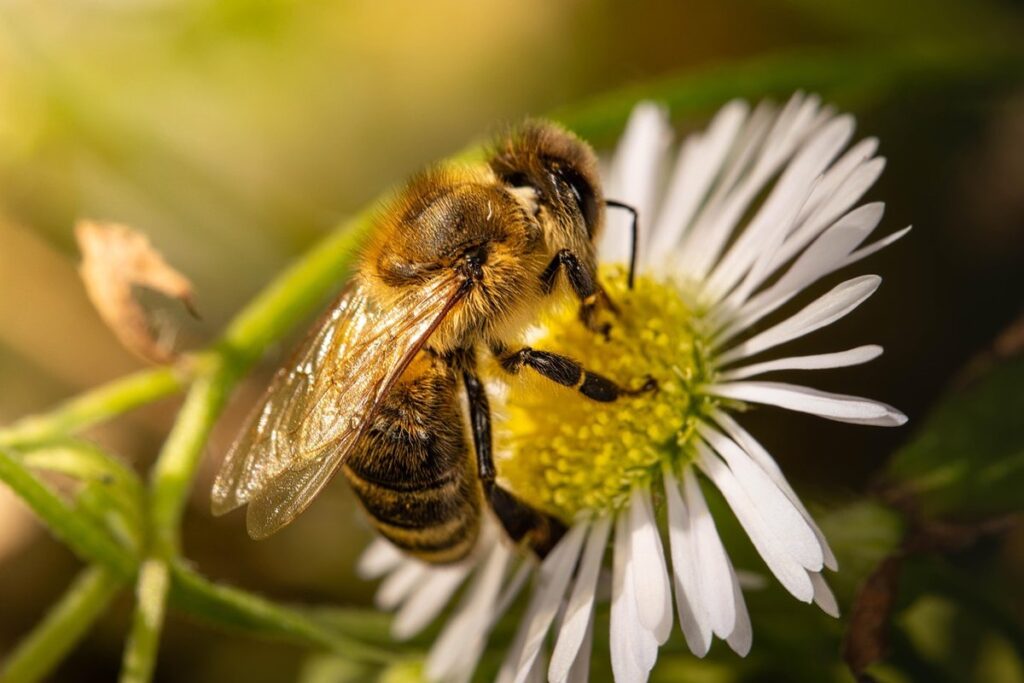
Understanding Bee Needs and Nectar Requirements
To create a welcoming haven for these buzzing friends, it’s essential to understand what they need from their nectar sources. Let’s dive into the key requirements for bee survival and growth in your garden.
What Do Bees Need to Survive?
Bees are incredibly busy creatures, flitting from flower to flower in search of nectar, which is their primary source of energy. As we’ve discussed earlier, a diet rich in nectar is essential for bees’ survival, as it provides the fuel they need to perform complex tasks like pollination and hive maintenance.
Here’s why nectar is so crucial: when bees collect nectar from flowers, they store it in their honey stomach, which is specifically designed for this purpose. As they fly back to their hives, they regurgitate the nectar and share it with other bees, who then digest it to produce honey and pollen. This process not only provides food for the colony but also helps maintain the health of individual bees.
In fact, research has shown that a bee’s daily energy expenditure can be as high as 200-400% of its total energy reserves. With this level of activity, it’s no wonder that nectar is such an essential component of their diet! By planting nectar-rich flowers in your garden, you’re not only attracting pollinators but also giving them the energy they need to thrive.
Importance of Nectar Rich Plants in Gardens
Nectar-rich plants are the backbone of any bee-friendly garden, providing a constant source of energy for our beloved pollinators. By incorporating these plants into your garden design, you’ll be supporting the local bee population and contributing to their overall well-being.
A diverse selection of nectar-rich plants is crucial in maintaining a healthy bee population. This diversity ensures that bees have access to a steady supply of nectar throughout the growing season, rather than relying on just one or two sources. For example, consider planting a mix of early-blooming flowers like crocuses and grape hyacinths, followed by mid-season blooms like lavender and coneflowers, and finishing with late-season bloomers such as asters and goldenrod.
When choosing nectar-rich plants for your garden, opt for native species that are adapted to your local climate. Not only will they be more resilient to pests and diseases, but they’ll also provide a more consistent source of nectar for bees. Aim to include a variety of flowers with different shapes, sizes, and colors to cater to the diverse needs of local bee populations. By doing so, you’ll be creating a haven for pollinators that will thrive throughout the seasons.
Choosing the Right Plants: Nectar Sources and Bee-Friendly Options
When selecting nectar-rich plants for your garden, it’s essential to choose varieties that are not only a source of sweet energy but also appealing to local bee populations. This includes considering native species and plants that bloom at different times.
Plant Families That Support Bees Best
When it comes to supporting bees in your garden, certain plant families stand out for their exceptional nectar content and accessibility. Among these, lavender (Lamiaceae), coneflower (Asteraceae), and sunflower (Helianthus annuus) are particularly beneficial.
Lavender, with its fragrant blooms, offers a rich source of nectar that bees adore. Its tubular flowers allow easy access to the nectar, making it an ideal choice for pollinators. Planting lavender in your garden can not only attract bees but also other beneficial insects like butterflies and hummingbirds.
Coneflowers are another excellent option, providing a lengthy bloom period and abundant nectar production. Their large, showy flowers make them easy to spot and provide an effortless landing platform for bees. As an added bonus, coneflowers come in a variety of colors, ensuring there’s always something in bloom to attract pollinators.
Sunflowers are perhaps the most recognizable bee-friendly plant family. With their towering stalks and bright yellow blooms, they’re impossible to miss. Bees appreciate the high nectar content and accessibility of sunflower flowers, making them an excellent choice for a bee-attracting garden. By incorporating these plant families into your garden design, you’ll be providing bees with the resources they need to thrive.
Annuals vs. Perennials: Both Can Attract Bees
When choosing plants for a bee-friendly garden, many of us focus on perennials that come back year after year. And with good reason – perennials can provide a long-term source of nectar and pollen for our beloved pollinators. However, annuals also play a vital role in attracting bees to your garden.
One of the key benefits of annuals is their ability to bloom rapidly. Many annual flowers produce an abundance of nectar-rich blooms within just a few weeks of sowing seeds, providing a quick source of food for bees. Take marigold and zinnia as examples – these vibrant flowers are not only easy to grow but also provide a constant supply of nectar from late spring through fall.
On the other hand, perennials like coneflower, black-eyed Susan, and bee balm offer a more sustained source of food over several growing seasons. But what about when these plants go dormant in winter? That’s where annuals come in – they can fill the gap during periods when perennials are not producing flowers.
By incorporating both annuals and perennials into your garden design, you’ll create a diverse range of nectar sources that will attract bees throughout the growing season. So don’t be afraid to mix it up and include a few annuals alongside your perennial favorites – they can work together beautifully to support the health and well-being of your local bee population.
Plant Selection by Season: Nectar Sources for Different Times
As you plan your garden, consider which nectar-rich plants will provide a constant source of food for bees throughout the seasons. We’ll explore the best options by season to ensure year-round pollinator support.
Spring Bloomers That Provide Early Nectar
As the weather warms up in spring, the first nectar-rich plants start to bloom, providing essential food sources for bees as they emerge from hibernation. These early blooming flowers are a lifeline for our busy bee friends, who need energy to get their colonies buzzing again.
Some of the most notable spring bloomers that provide early nectar include apple blossoms, cherry blossoms, and daffodils. Apple blossoms, in particular, are a favorite among bees, as they produce an abundance of nectar-rich flowers in shades of pink and white. Cherry blossoms also burst into bloom around this time, attracting bees with their vibrant pink hues.
To incorporate these spring bloomers into your garden, consider planting apple or cherry trees alongside daffodils, which naturalize easily and provide a pop of color to the landscape. By doing so, you’ll create a welcoming haven for bees as they emerge from hibernation, setting them up for success throughout the growing season. Make sure to choose varieties that are bee-friendly and produce plenty of nectar-rich flowers.
Summer Favorites That Support Bees Through the Growing Season
Summer is in full bloom, and with it comes an abundance of nectar-rich plants that bees can’t resist. As we’ve established that summer is the peak activity period for pollinators, it’s essential to have a garden that caters to their needs during this time.
Sunflowers (Helianthus annuus) are one of the most iconic summer-blooming flowers and a favorite among bees. With their large, bright yellow petals, they’re impossible to miss. These towering plants can grow up to 12 feet tall, providing a striking visual spectacle in your garden while also offering an endless supply of nectar for pollinators.
Zinnias (Zinnia spp.) and cosmos (Cosmos bipinnatus) are other popular summer favorites that support bees during their peak activity period. These colorful flowers come in a variety of shapes, sizes, and colors, making them perfect for adding visual interest to your garden while also attracting pollinators. Plant these nectar-rich flowers together with sunflowers to create a vibrant and buzzing hotbed of summer activity.
To make the most of these summer favorites, be sure to plant multiple varieties that bloom at different times to provide a constant source of nectar for bees throughout the season.
Creating a Bee-Friendly Garden: Tips and Best Practices
To create a welcoming haven for bees, it’s essential to design a garden that provides the perfect combination of nectar-rich plants and buzzing bee-friendly features. Let’s dive into some valuable tips!
Plant Selection Strategies to Maximize Nectar Availability
When selecting plants for a bee-friendly garden, it’s essential to consider their nectar availability throughout the growing season. One strategy is to choose plants with different blooming times, ensuring a constant nectar supply. For example, plant a mix of spring-blooming flowers like crocuses and daffodils, followed by summer bloomers like sunflowers and zinnias.
Consider the growth habits of plants as well. Tall plants like lavender and rosemary can provide shelter for bees while shorter varieties like marigolds and violas offer easy access to nectar. Think about spacing too – avoid overcrowding, which can lead to competition among plants for resources and reduce nectar production.
To create a bee-friendly garden with maximum nectar availability, plan your plant selection around the local climate and seasonality. Research which plants thrive in your area’s temperature and moisture conditions. This will help ensure a diverse and dynamic ecosystem that supports pollinators throughout the growing season.
Maintenance Tasks That Support Bees in Your Garden
Proper maintenance of your bee-friendly garden is crucial for creating a healthy ecosystem that supports pollinators. Regular tasks like watering and pruning are essential to ensure the nectar-rich plants you’ve chosen thrive.
Watering is critical, especially during hot summer months when bees need access to water to cool themselves down. Make sure to keep a shallow dish or birdbath with fresh water nearby your bee-friendly plants. Change the water frequently to prevent mosquito breeding and maintain cleanliness. You can also add a few rocks or twigs to provide landing sites for thirsty bees.
When it comes to pruning, focus on removing dead or dying plant material to prevent disease from spreading. Prune flowers that have finished blooming to encourage new growth and more blooms in the future. This will keep your nectar-rich plants in bloom throughout the growing season, providing a steady source of food for visiting bees. By dedicating time to regular watering and pruning, you’ll create an ideal environment for pollinators to thrive. Regularly inspect your garden for pests like aphids and whiteflies, and use natural methods to control them whenever possible.
Integrating Nectar Rich Plants into Existing Landscapes
If you already have a garden, you can easily integrate nectar-rich plants into your existing landscape to create a bee-friendly oasis. This section shares practical tips and ideas for making it happen seamlessly.
Tips for Urban Gardeners: Making Space for Pollinator-Friendly Plants
As an urban gardener, you may think that creating a bee-friendly garden is impossible due to limited space. However, with a little creativity and planning, even the smallest of spaces can become a haven for pollinators.
One strategy to consider is vertical gardening. This involves using walls or other vertical surfaces as a growing area for plants. You can install a trellis or a wall-mounted planter and fill it with nectar-rich flowers like lavender, coneflower, or bee balm. Not only will this make the most of your space, but it’ll also add visual interest to your exterior walls.
Another approach is to incorporate native plants into your garden. Native plants have evolved alongside local pollinators and are more likely to attract them. For example, if you live in a region with bees that prefer sunflowers, consider planting sunflower seeds or seedlings in containers or directly in the ground. By choosing plants that are well-suited to your climate and location, you’ll be creating a welcoming environment for pollinators.
By using these creative strategies, even small urban spaces can become bee-friendly havens, providing essential food sources for local pollinators.
Incorporating Nectar Sources into Large Scale Gardening Projects
As large-scale gardeners, landscapers, and agricultural professionals, you play a vital role in creating pollinator-friendly ecosystems. Incorporating nectar-rich plants into your projects is essential for supporting the health of local bee populations. These plants provide a crucial source of nutrition for bees during times when other food sources are scarce.
When selecting nectar-rich plants for large-scale gardening projects, consider the specific needs and preferences of the target pollinator species. For example, native wildflowers such as coneflowers and black-eyed susans are excellent choices in North America, while lavender and rosemary are popular options in Mediterranean climates.
To integrate these plants effectively into existing landscapes, consider the following strategies:
* Incorporate a diverse range of nectar-rich plant species to provide a constant source of food throughout the growing season
* Choose plants with varying bloom times to ensure a steady supply of nectar from spring through fall
* Consider using native plants, which are more likely to attract local pollinators and require less maintenance
Conclusion: Planting for Pollinators in Your Community
Now that you’ve chosen your nectar-rich plants, it’s time to think about how to plant them in a way that will attract pollinators to your community. Let’s bring this project full circle!
The Role of Bee-Friendly Gardens in Supporting Local Ecosystems
As you’ve learned about the nectar-rich plants that attract pollinators to your garden, it’s essential to consider the broader impact of these gardens on local ecosystems. Bee-friendly gardens play a vital role in supporting biodiversity by providing a source of food and shelter for bees and other pollinators.
By planting a diverse array of nectar-rich flowers, you’re contributing to the health and resilience of your community’s ecosystem. This is especially important as many bee populations face threats from habitat loss, pesticide use, and climate change. By creating bee-friendly gardens, you’re helping to mitigate these impacts and support the local food chain.
To get involved in community initiatives that promote pollinator health, consider joining a local gardening group or contacting your city’s parks department. Many organizations offer free resources and workshops on creating pollinator-friendly habitats. You can also participate in citizen science projects, such as monitoring bee populations or tracking plant species diversity. By working together, you’ll be contributing to the conservation of these vital ecosystem engineers – our bees.
Call to Action: Get Started Creating a Nectar-Rich Garden Today
Now that you’ve learned about the importance of nectar-rich plants for bees and have identified the perfect spots in your garden to plant them, it’s time to take action. Creating a bee-friendly garden is not only rewarding but also essential for supporting local pollinator populations.
To get started, assess your current garden layout and consider what changes you can make to incorporate more nectar-rich plants. Begin by selecting a few easy-to-grow species, such as coneflowers or black-eyed Susans, and gradually expand your collection over time. Don’t forget to include a mix of annuals and perennials to provide a constant source of nectar throughout the growing season.
As you plan your garden makeover, consider consulting with local nurseries or gardening experts for advice on what plants will thrive in your specific climate and region. Join online forums or social media groups focused on bee-friendly gardening to connect with other enthusiasts and learn from their experiences. With a little planning and effort, you’ll be well on your way to creating a thriving oasis that benefits both bees and the environment.
Frequently Asked Questions
Can I mix nectar-rich plants with other types of flowers in my garden, or should I stick to a single type?
Yes, mixing nectar-rich plants with other types of flowers is not only possible but also beneficial for attracting a diverse range of pollinators. This approach can create a more dynamic and resilient ecosystem, as different plants bloom at various times, providing a constant source of nectar throughout the growing season.
How do I maintain my bee-friendly garden during periods of drought or extreme weather conditions?
To ensure your bee-friendly garden remains thriving even in challenging weather conditions, it’s essential to implement proper irrigation techniques. Water deeply but infrequently to encourage deep root growth, which will help plants survive dry spells. Also, consider using rainwater collection systems and mulch to retain moisture and regulate soil temperature.
Can I grow nectar-rich plants indoors, or are they strictly outdoor plants?
While many nectar-rich plants require specific growing conditions and light levels that can be challenging to replicate indoors, some species like lavender and geraniums can thrive in containers. Research the specific needs of your chosen plant and provide it with adequate lighting, water, and nutrients for optimal growth.
How long does it take for nectar-rich plants to establish themselves and start attracting bees?
The time it takes for nectar-rich plants to establish themselves and attract pollinators varies depending on factors like plant species, soil quality, and local climate. However, with proper care and maintenance, you can expect to see significant bee activity within 3-6 months after planting. Be patient, as these plants will provide a constant source of nectar throughout the growing season.
Can I use pesticides in my bee-friendly garden, or are they completely off-limits?
No, using pesticides in your bee-friendly garden is not recommended, as they can harm or even kill bees and other pollinators. Instead, adopt integrated pest management techniques like companion planting, crop rotation, and biological control methods to maintain a balanced ecosystem. This approach will ensure the health and well-being of both your plants and the pollinators that visit them.